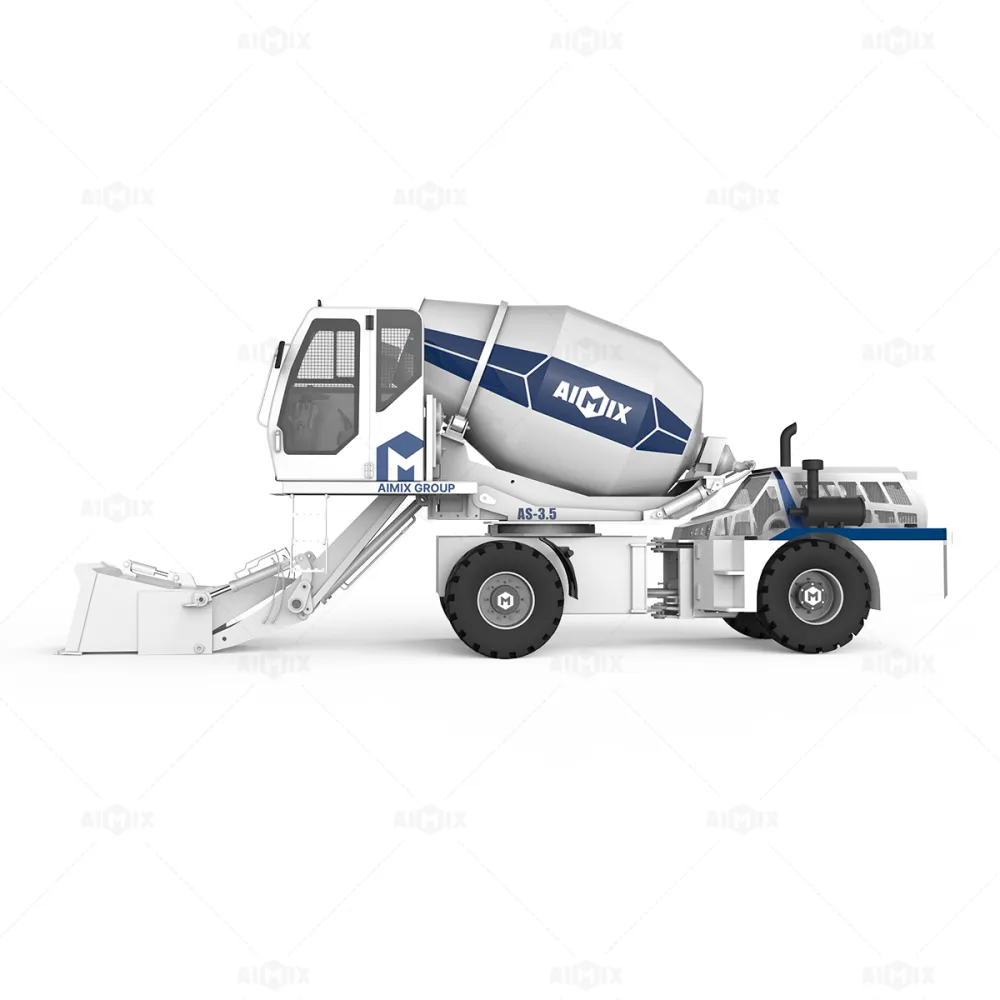
When it comes to construction projects in mountainous areas or complex terrains, the choice of concrete mixing equipment can significantly impact the efficiency and quality of the project. In my over 20 years of experience in the global trade and B2B marketing of construction machinery, I've witnessed firsthand the challenges that traditional concrete mixers face in these demanding environments. Today, I'd like to share why articulated self - loading concrete mixers, specifically the AS - 2.6 model from Henan Guoli Mikesi Technology, are the preferred choice for such projects.
Traditional concrete mixers often struggle in mountainous and complex terrains. For example, on slopes with gradients of up to 30%, conventional mixers may face difficulties in maintaining stability. The lack of proper traction can lead to slippage on muddy roads, causing delays in construction progress. In fact, studies have shown that in such terrains, traditional mixers can experience up to a 40% reduction in operational efficiency compared to flat - ground operations.
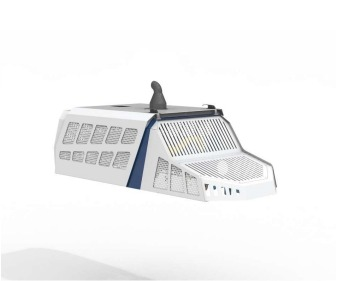
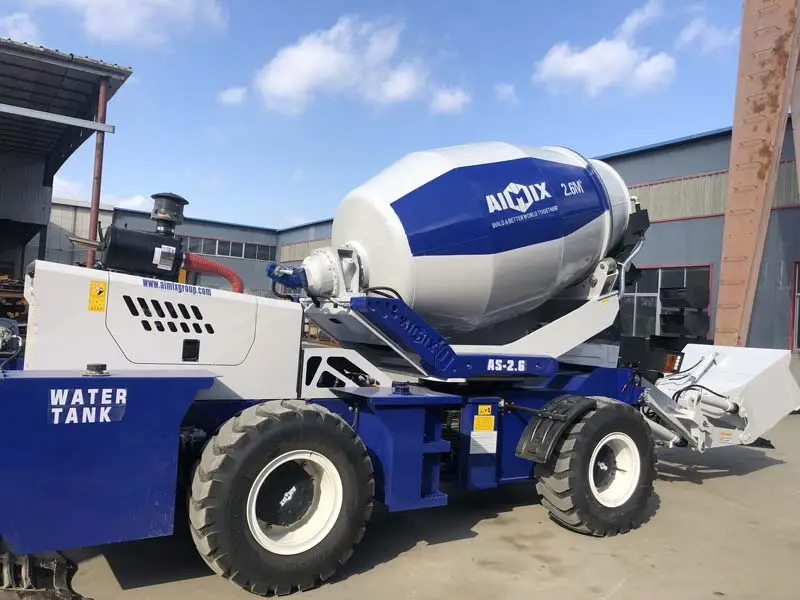
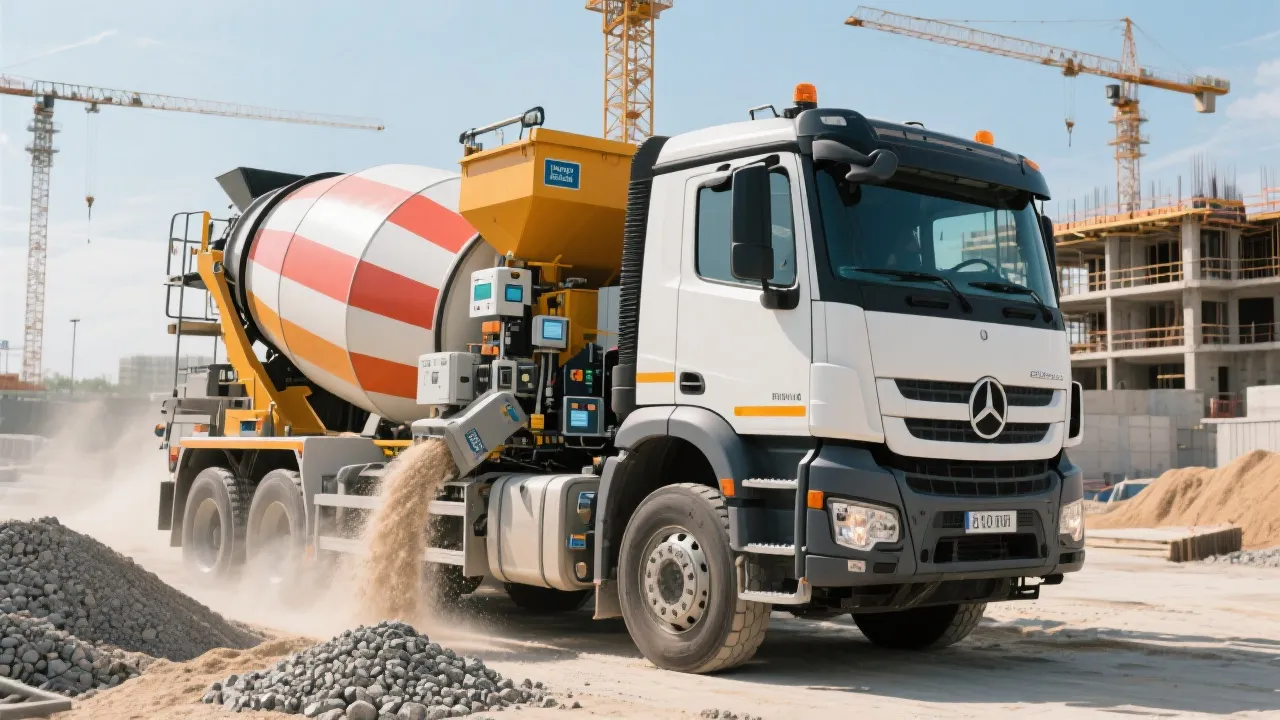
The AS - 2.6 mixer from Henan Guoli Mikesi Technology features an articulated frame and specialized engineering tires, which address the limitations of traditional mixers. The articulated frame design allows the mixer to bend at the center, providing up to 30 degrees of articulation on each side. This enhances the chassis's flexibility, enabling the mixer to navigate sharp turns and uneven terrains with ease.
The engineering tires, with their deep treads and high - friction rubber compounds, offer excellent anti - slip performance. They can maintain grip on slopes and muddy surfaces, reducing the risk of slippage by up to 70% compared to regular tires. This not only improves the safety of the operation but also ensures continuous and stable operation, even in the most challenging conditions.
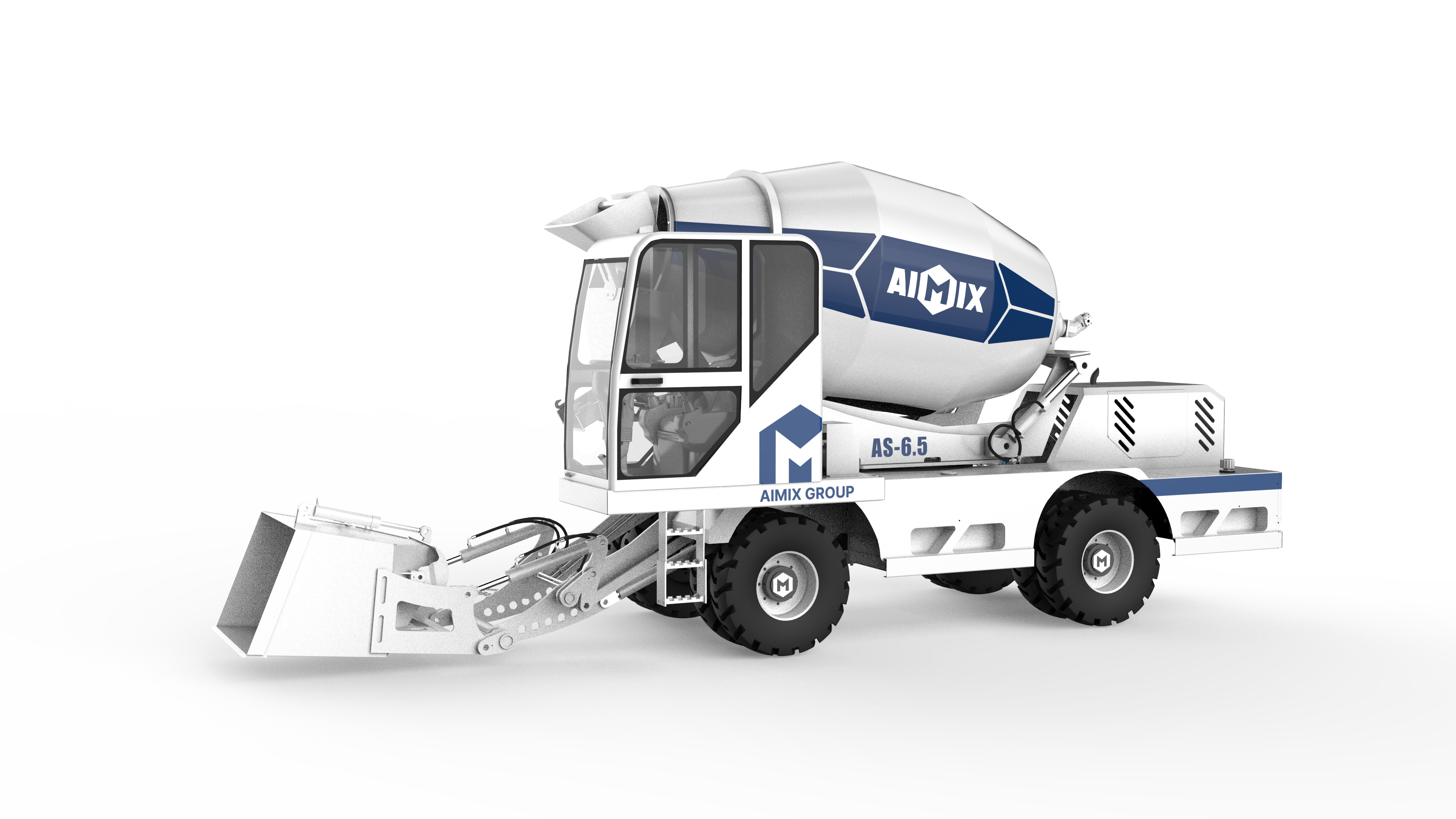
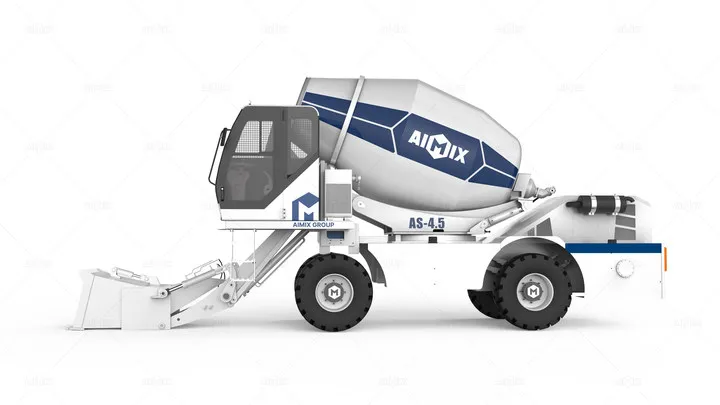
One of the standout features of the AS - 2.6 mixer is its 270 - degree rotating mixing drum. This design allows for precise concrete pouring, which is crucial for ensuring the quality of the concrete structure. Through on - site operation experience, I've learned some practical techniques for controlling the angle and flow rate of the drum.
By adjusting the rotation angle of the drum from 0 to 270 degrees, operators can achieve uniform and accurate concrete distribution. For example, at a flow rate of 1 cubic meter per minute, a 45 - degree rotation angle can be used for pouring in narrow spaces, while a 180 - degree angle is suitable for wider areas. This level of control can improve the concrete pouring quality by up to 30%, reducing the need for rework.
To illustrate the effectiveness of the AS - 2.6 mixer, let's look at a real - world case. In a small - scale mountain construction project in a rural area, the use of the AS - 2.6 mixer increased the construction efficiency by 50% compared to the previous traditional mixer. The precise pouring function also improved the concrete quality, resulting in a stronger and more durable structure.
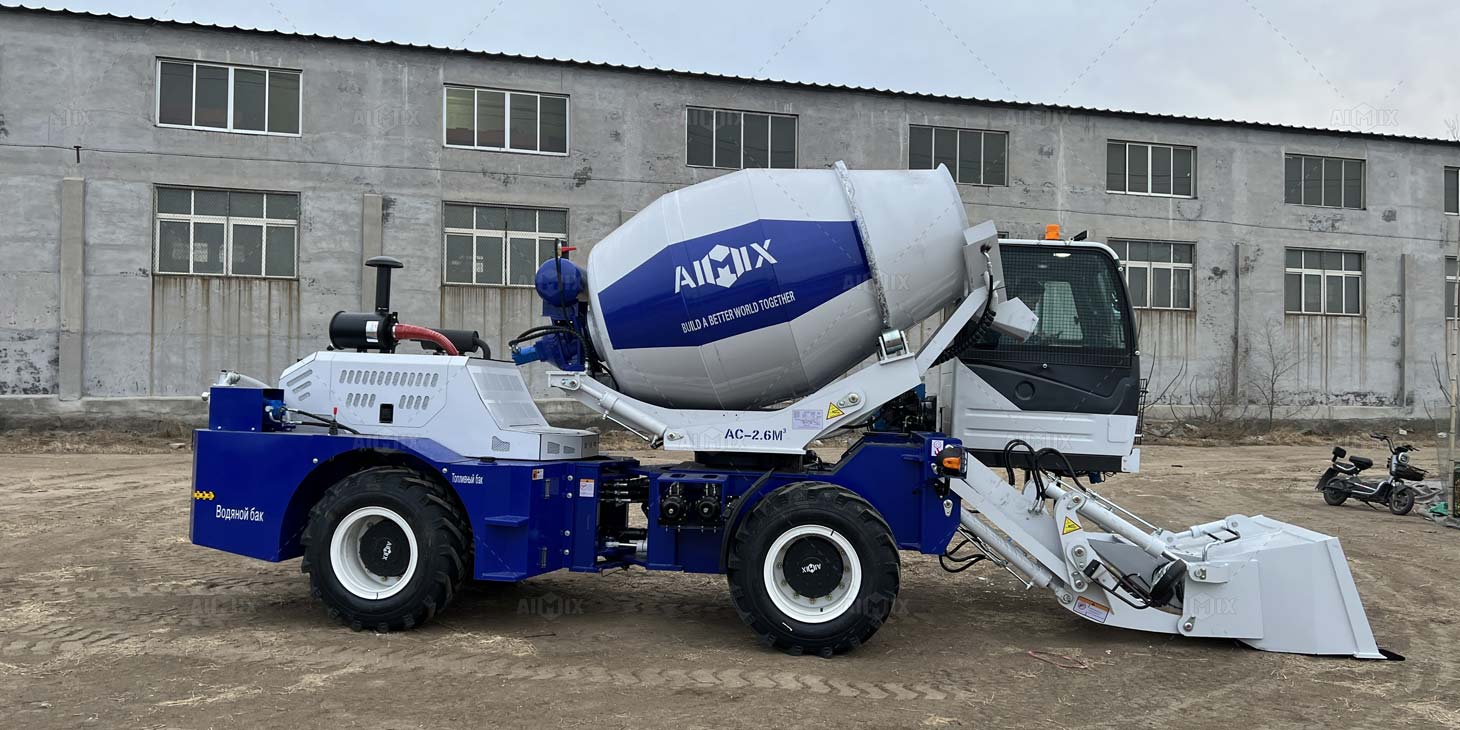
These real - life examples demonstrate the reliability and performance of the AS - 2.6 mixer in complex terrains. It provides not only technical support but also practical solutions for small and medium - sized mountain projects.
If you're involved in mountain or complex terrain construction projects and are looking for a reliable concrete mixing solution, click here to learn more about the AS - 2.6 mixer and how it can transform your project.






.jpg?x-oss-process=image/resize,h_1000,m_lfit/format,webp)

 <#else>