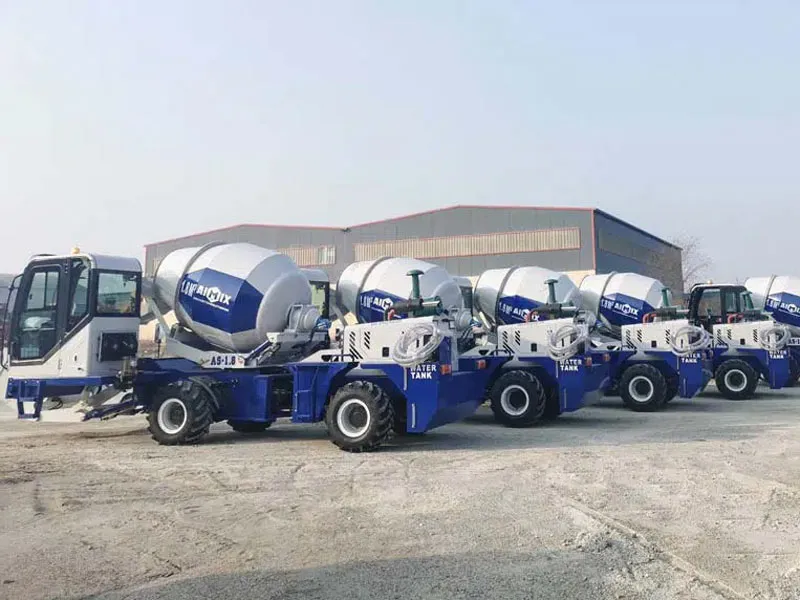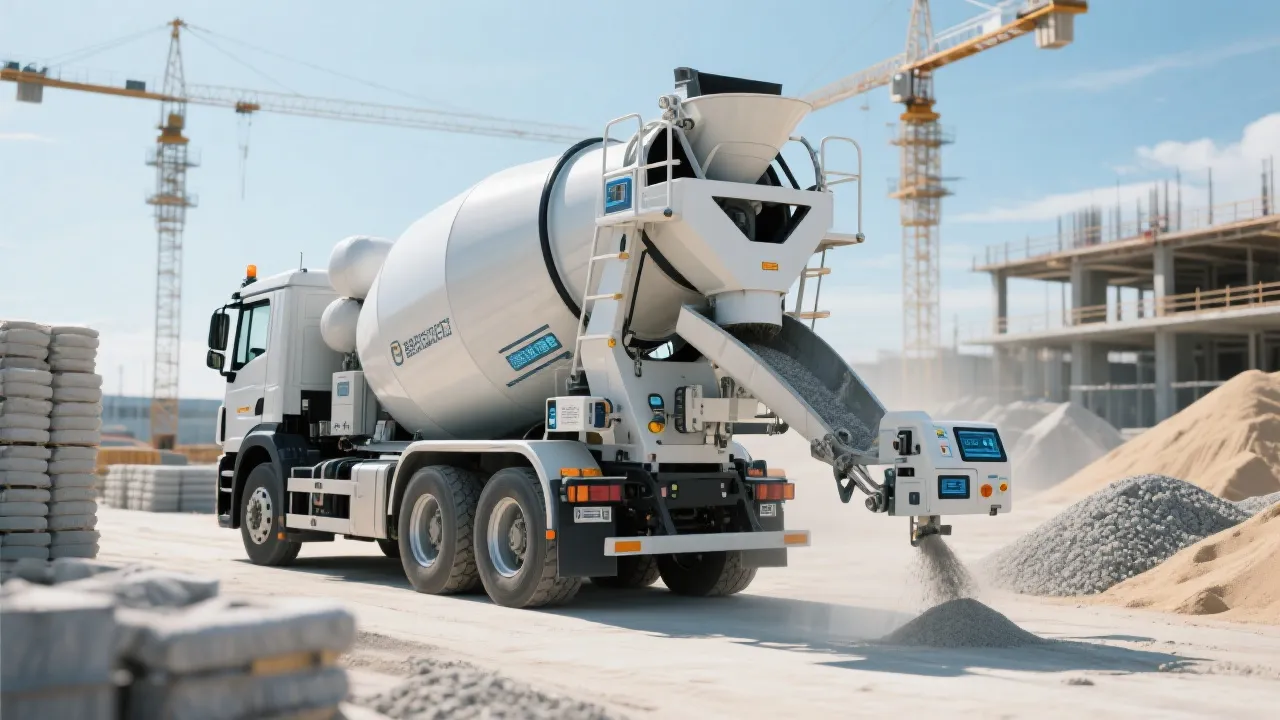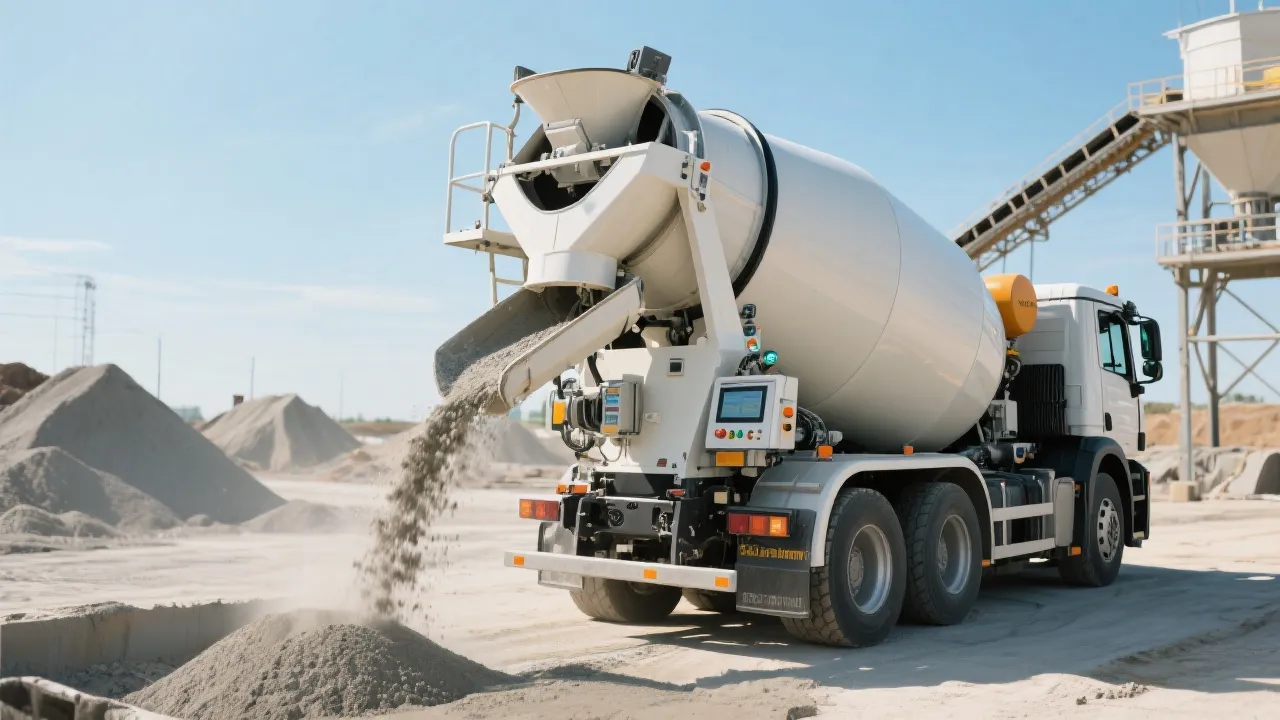
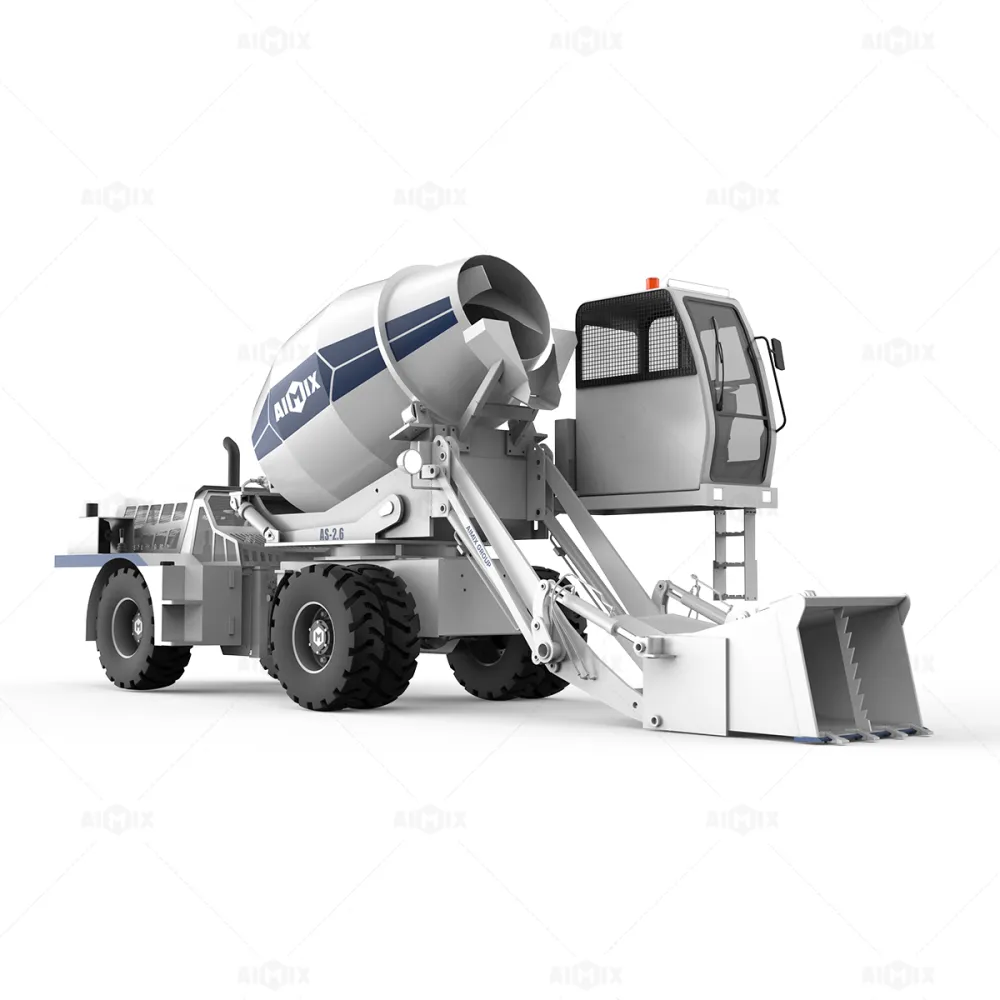
When self-loading mixer trucks handle high-viscosity materials, improper equipment maintenance can lead to various problems such as blade jamming, material adhesion and accumulation on the cylinder wall, and hydraulic system failures. In this guide, we will break down three core maintenance points in detail to help engineering companies reduce equipment jamming and downtime, extend equipment service life, and lower maintenance costs and construction delay risks through standardized maintenance.
The clearance between the blade and the cylinder wall is crucial for preventing material residue and accumulation. Different material types require different clearance standards. For high-viscosity materials, it is recommended that the clearance be ≤5mm. Here are the adjustment steps:
Regular cleaning is essential to prevent material adhesion and accumulation. Here is a detailed cleaning plan:
| Frequency | Cleaning Method |
|---|---|
| Daily | After each day's work, use high-pressure water to flush the cylinder wall and blades thoroughly. This can effectively remove most of the adhered materials. |
| Weekly | Conduct a deep disassembly cleaning to reach the dead corners. For stubbornly adhered materials, select a suitable special cleaning agent according to the material properties. |
The hydraulic and braking systems are the key components of the self-loading mixer truck. Regular inspections can prevent potential failures. Here is the inspection process:
| Frequency | Inspection Items |
|---|---|
| Daily | Before starting the machine each day, check the pressure value, oil level, and pipeline tightness of the hydraulic system. For the braking system, also check the oil level and pipeline tightness. |
| Weekly | Focus on inspecting the wear of braking components. If any abnormal wear is found, replace the components in time. Also, be aware of common failure warning signals such as abnormal noises or pressure fluctuations, and have a quick - handling plan ready. |
By following these maintenance guidelines, engineering companies can significantly improve the performance and reliability of their self-loading mixer trucks when dealing with high-viscosity materials. Don't let equipment failures disrupt your projects. Take action now!



.jpg?x-oss-process=image/resize,h_1000,m_lfit/format,webp)

.jpg?x-oss-process=image/resize,h_1000,m_lfit/format,webp)