

Rural self-built housing and small-scale infrastructure projects often face unique challenges in concrete construction. Selecting concrete mixing equipment that ensures not only high efficiency but also economic viability is imperative. This article delves into a detailed comparison between traditional concrete mixers and intelligent control models, focusing on output capacity, operational ease, and maintenance expenditure. By analyzing field applications and incorporating real-world case studies, it highlights how intelligent control systems can stabilize concrete quality and enhance workflow efficiency without inflating costs.
In rural environments, concrete mixing faces constraints such as limited skilled labor, fluctuating supply chains, and variable workmanship quality. Traditional mixers, while cost-effective initially, often exhibit inconsistent mixing results and higher manual intervention, which can slow down projects and increase rework. Operators also grapple with complex maintenance routines that cause unplanned downtime, pushing overall costs beyond budget.
Output Capacity: Traditional mixers typically deliver batch volumes ranging from 0.15 to 0.5 cubic meters per cycle. In contrast, intelligent mixers engineered with digital control systems can optimize batch size dynamically, achieving up to 20% higher throughput during consistent operation.
Operation Convenience: While traditional models rely heavily on manual control and monitoring, intelligent mixers incorporate touchscreen interfaces and programmable mixing parameters, minimizing operator error and training needs.
Maintenance Cost: Traditional units average maintenance costs between $1,200-$2,000 annually, driven largely by wear on mechanical parts and unpredictable failures. Intelligent systems, though potentially higher in upfront cost, leverage predictive diagnostics to reduce these costs by approximately 30%, decreasing downtime and extending component life.
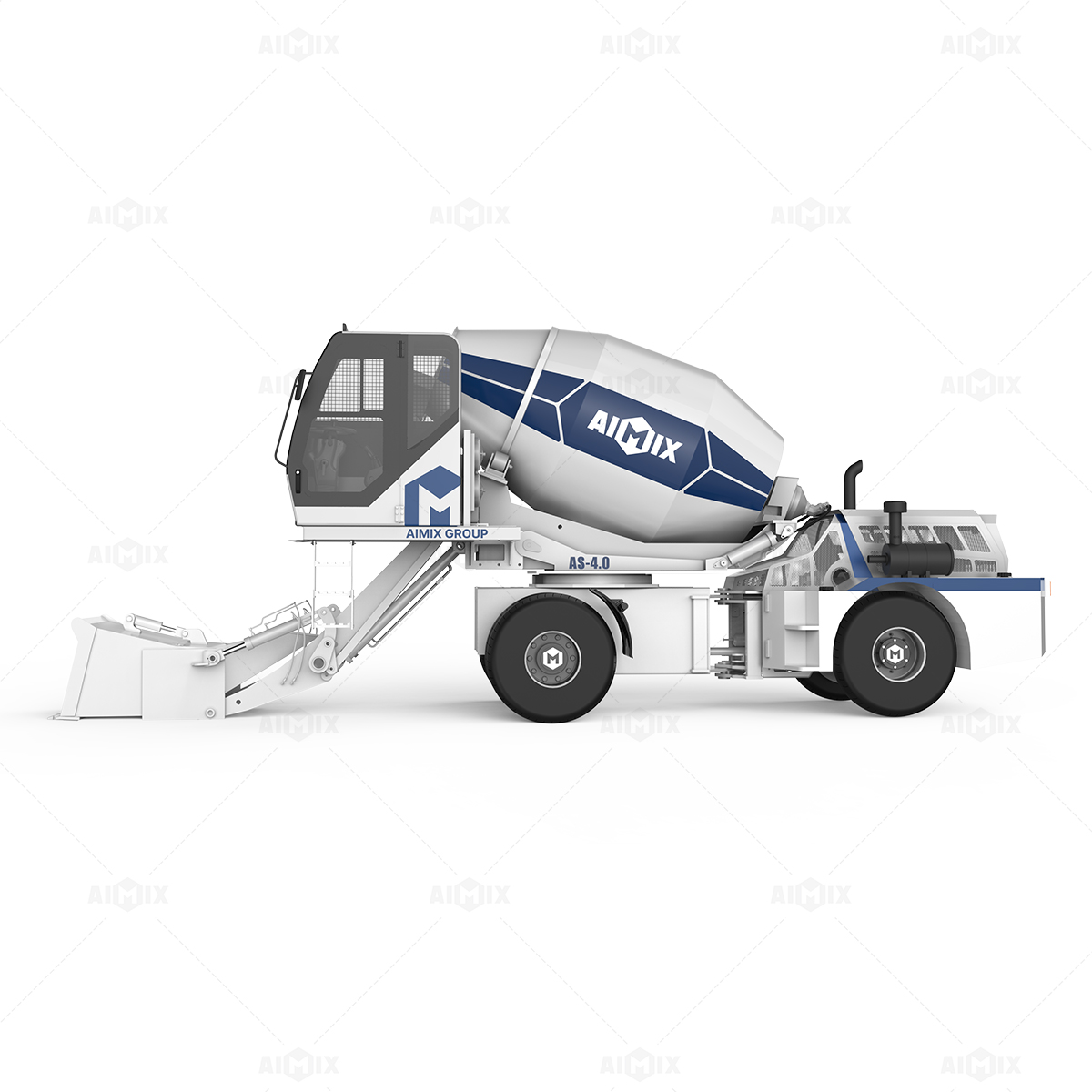
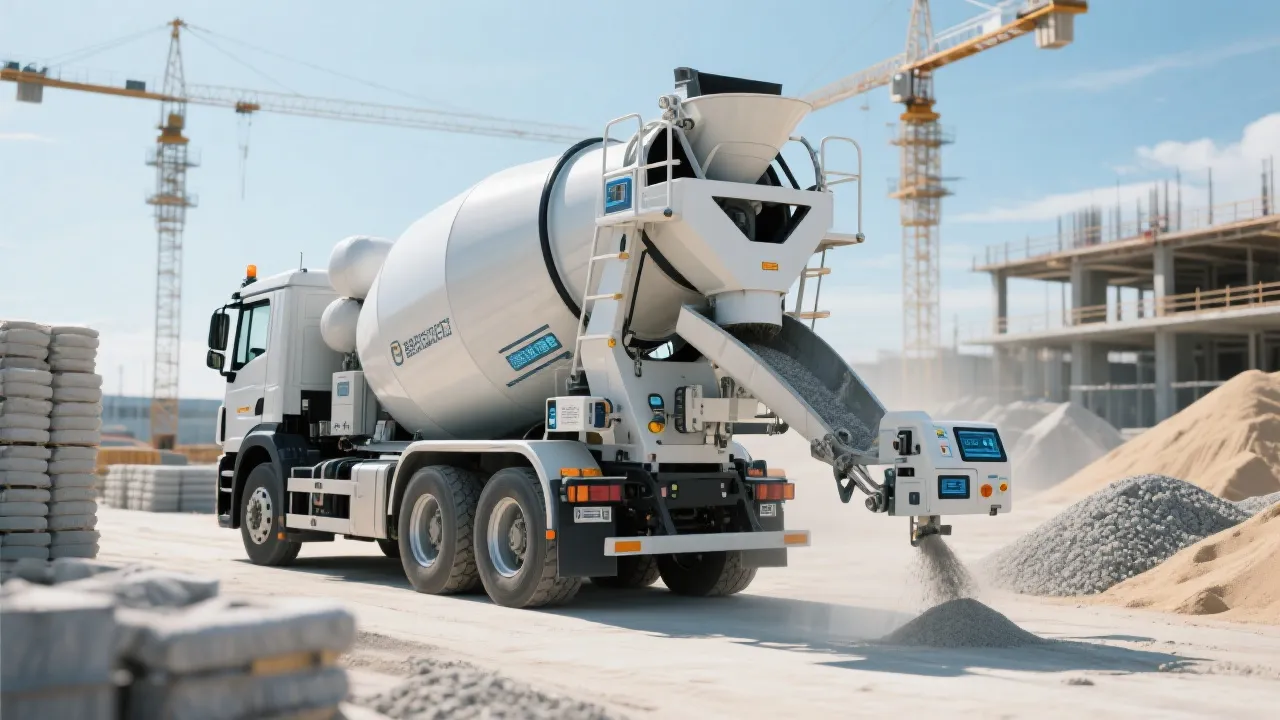
Intelligent mixers are often equipped with embedded sensors and programmable logic controllers (PLC) that monitor parameters such as moisture content, mixing time, and rotational speed in real-time. This data-driven approach ensures uniform concrete batches tailored to specific project needs, significantly reducing material wastage and strengthening mix quality consistency.
For example, a rural self-built housing project in Henan Province integrated an intelligent mixer with moisture sensors and adaptive control. The result was a 15% reduction in material costs and a 25% increase in daily concrete output, directly impacting project timelines and budget adherence.
Installing concrete mixing equipment correctly is crucial to prevent operational hazards and guarantee maximum efficiency. Key steps include:
For troubleshooting common issues such as inconsistent mixing or sensor malfunctions:
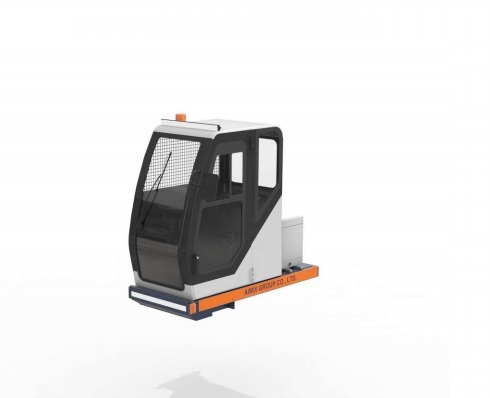
When choosing concrete mixing machinery for rural projects, buyers must evaluate:
Incorporating smart control technology is not merely a trend but a strategic investment that strengthens construction quality while optimizing long-term expenses. It supports rural builders in confidently advancing their projects with reduced risk of delays and material waste.




 <#else>


