
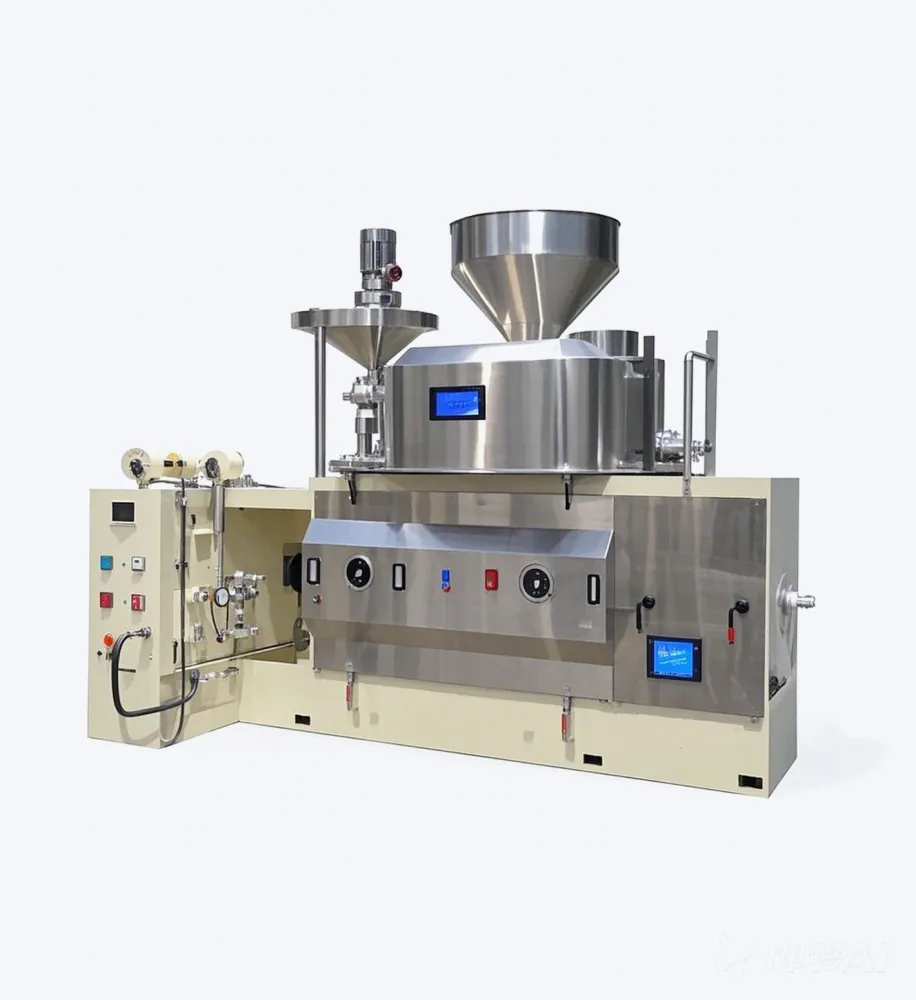
When it comes to rural self - built house construction, concrete mixing equipment plays a crucial role. However, it's not uncommon to encounter various problems during the construction process. In this article, we'll explore the common faults of concrete mixing equipment in rural settings, compare different types of machines, and delve into the design advantages of the AS - 2.6 intelligent mixer to help you enhance efficiency and ensure construction quality.
In rural construction sites, there are several high - frequency problems with concrete mixing equipment. For example, uneven discharge is a common issue. This can lead to inconsistent concrete quality, affecting the overall strength of the building. Abnormal noise is another problem. It could indicate loose parts or mechanical wear. Hydraulic failure can also occur, causing the equipment to stop working properly. These problems not only reduce work efficiency but also pose risks to construction quality.
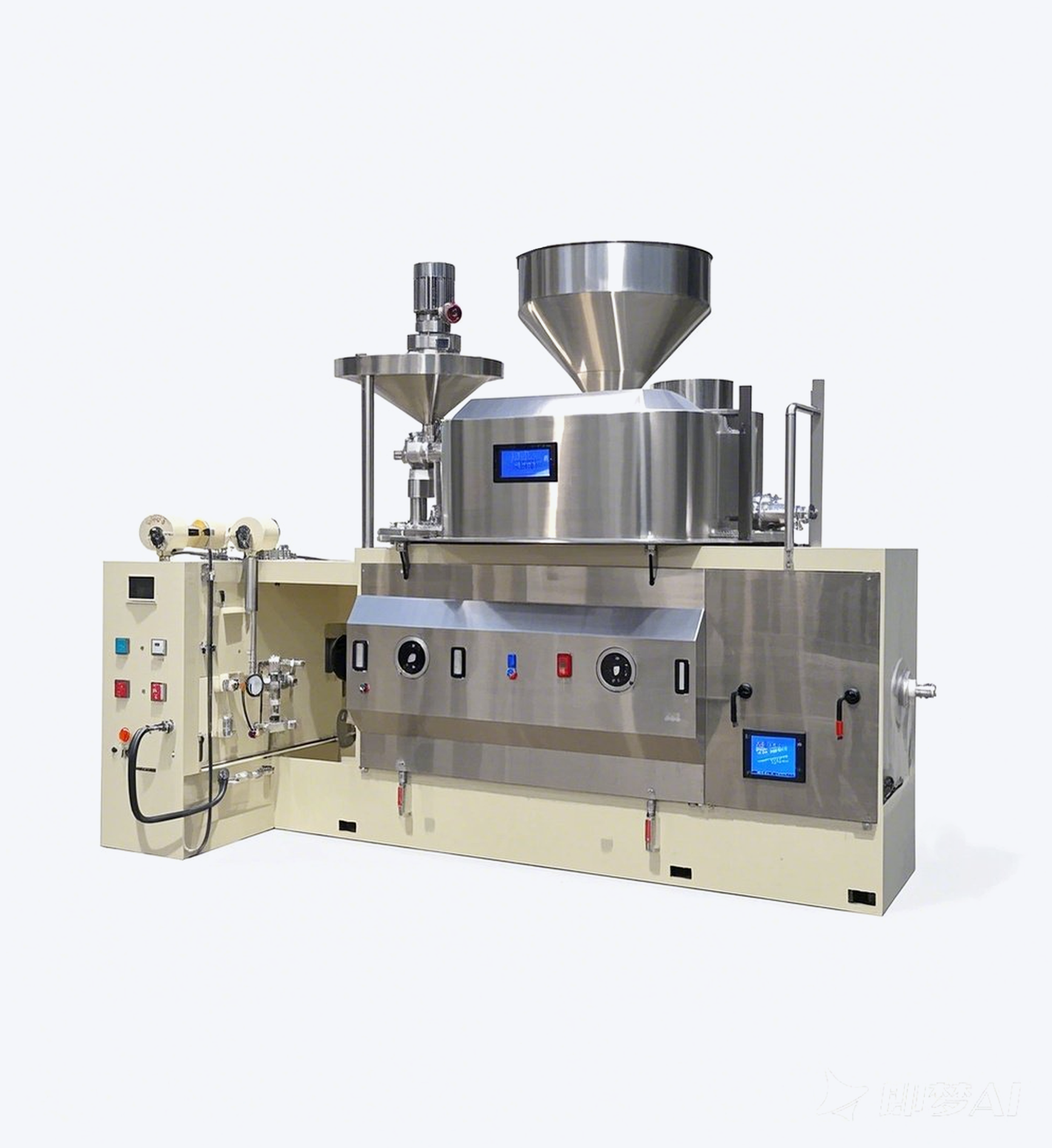
Traditional concrete mixers often have higher rates of wear and tear on vulnerable parts. They require more manual intervention during operation, and the maintenance response speed is relatively slow. In contrast, intelligent control machines like the AS - 2.6 have significant advantages. Thanks to their intelligent control systems, the wear and tear on vulnerable parts are reduced by about 35%. The frequency of manual intervention is also significantly lower, and the maintenance response speed is much faster, minimizing downtime during construction.
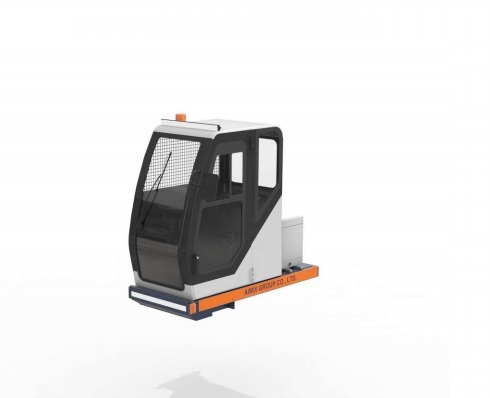
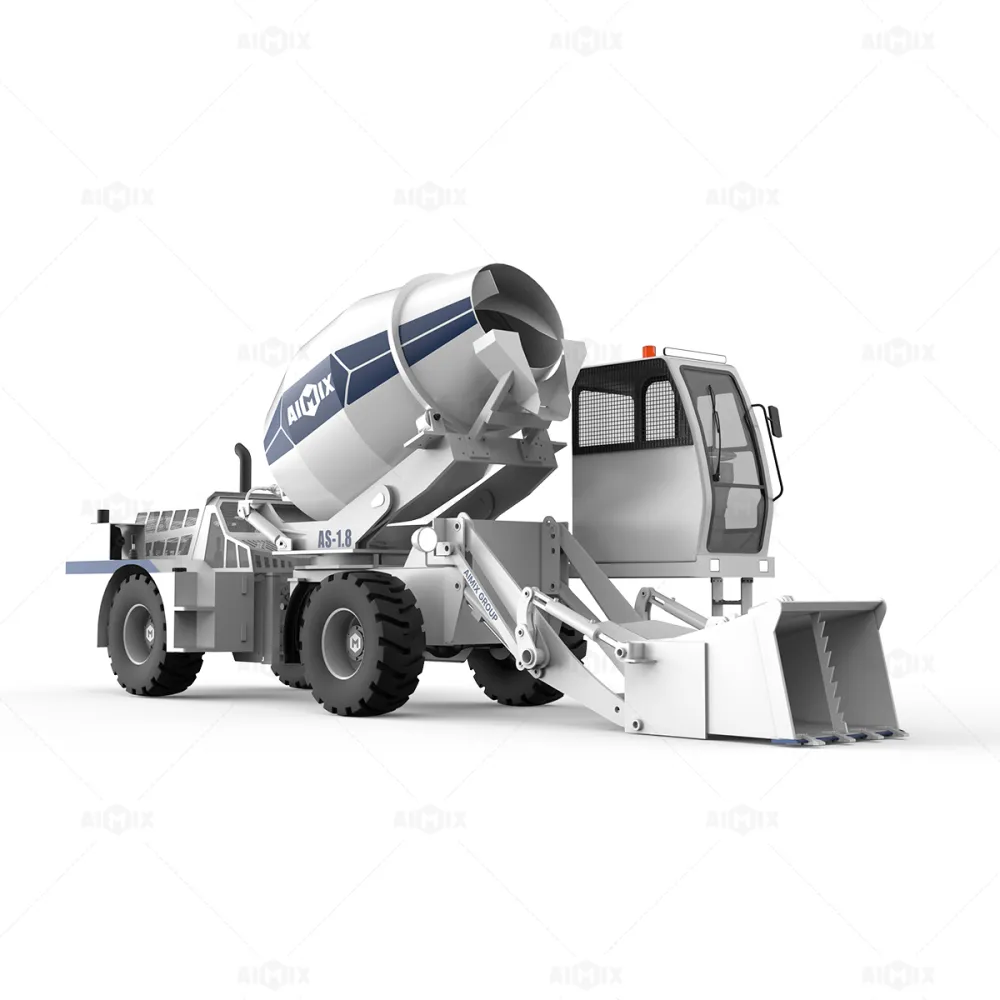
The AS - 2.6 intelligent mixer is designed with several core components that help reduce failure rates. Its frame is made of high - strength alloy steel, which provides better durability and resistance to deformation. The front - placed cab design improves the operator's visibility and reduces the risk of accidents. The engineering tires are more suitable for rural road conditions, ensuring stable operation. These design features combined can reduce the overall failure rate of the equipment by up to 40%.
Let's look at some real - world construction cases. In a rural self - built house project, the construction team faced the problem of uneven mixing. By following the emergency handling process provided by the AS - 2.6's technical support, they were able to quickly identify and solve the problem. Additionally, by implementing a preventive maintenance plan, they reduced the frequency of equipment failures by 30% during the entire construction period.
To make it easier for you to operate and maintain the equipment, here are some practical operation tips and checklists. You can remember this operation口诀 (In English, we can say "operation tips"): "Check the motor first, then the hydraulic system, look at the material flow, and finally the rotation angle." Here is a monthly maintenance checklist: Check the lubrication of parts, inspect the tightness of bolts, test the functionality of the intelligent control system, examine the wear of tires, and clean the mixing drum.
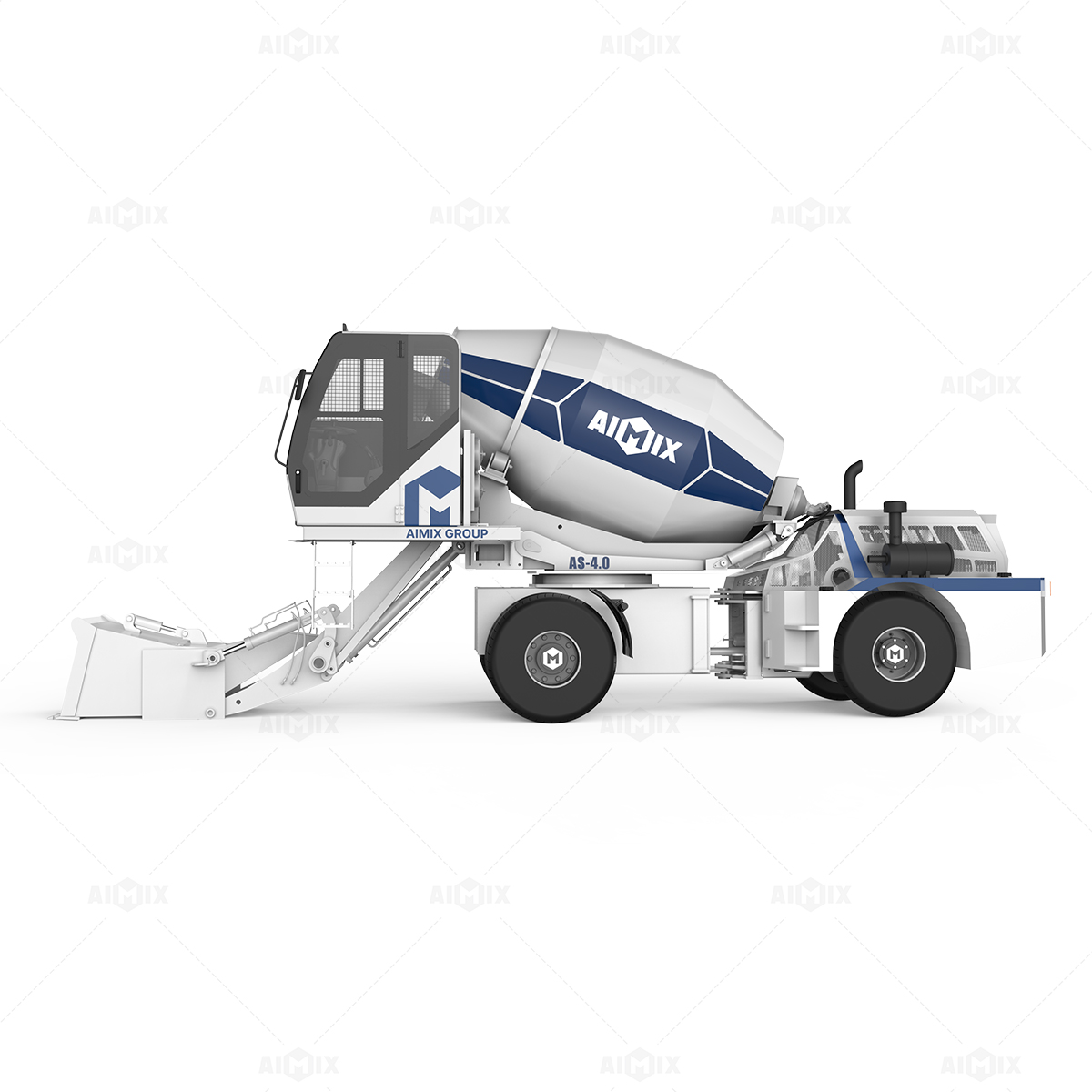
What problems do you often encounter with your concrete mixing equipment? Leave a message to tell us. If you want to learn more about the AS - 2.6 intelligent mixer and how it can help you reduce equipment failures and improve construction efficiency, click here to discover more.



 <#else>


