

When building homes or small infrastructure in rural areas—where access is limited and resources are tight—the right concrete mixer can make all the difference between a smooth build and costly delays. Many contractors and homeowners struggle with outdated equipment that slows progress, increases labor costs, and compromises quality. This guide breaks down how to choose a mixer that delivers efficiency, durability, and ease of use—even on uneven terrain.
Before selecting a machine, assess three critical variables:
| Feature | Traditional Mixer | Smart Auto-Controlled Model |
|---|---|---|
| Avg. Mixing Time (per batch) | 12–15 min | 6–8 min |
| Maintenance Frequency | Weekly | Monthly |
| Manual Labor Required | High (2+ workers) | Low (1 operator) |
Real-world case study from a village in Nepal shows that switching from a manual to an automated mixer reduced mixing errors by 70% and cut daily setup time by nearly 50%. The smart control system ensures consistent water-cement ratios—critical for structural integrity in remote locations where skilled labor is scarce.
In hilly regions like parts of India or Central America, rigid-frame mixers often get stuck or damage foundations during transport.铰接式车架(articulated frame) allows for tighter turning radii—up to 30% more maneuverability—and reduces strain on suspension systems when navigating rough paths. Pair this with industrial-grade tires (like those rated for 100 psi), and you’ll see fewer breakdowns and faster deployment across multiple sites.
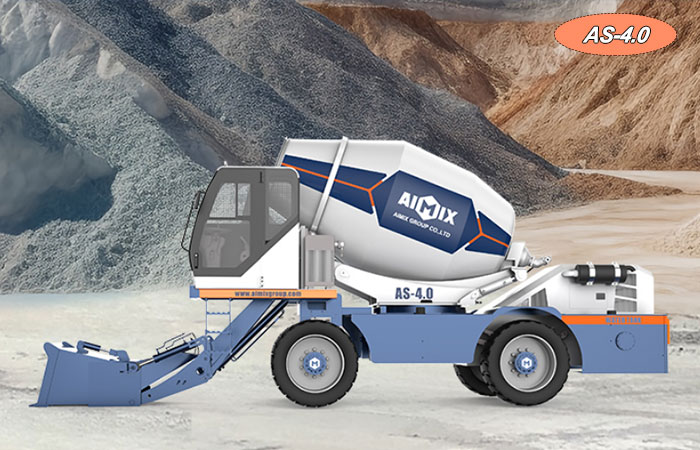
Installation tips matter too. Most issues stem from improper leveling or incorrect motor alignment—not poor design. Follow these steps:
If your mixer stops mid-cycle, don’t panic. First check for clogged discharge valves (common after long idle periods). Then inspect the drive belt tension—if it’s loose, adjust to 3–5 mm deflection under pressure. These simple checks prevent 80% of minor faults reported by field teams.
For builders who want reliable performance without constant oversight, intelligent control systems offer peace of mind. They’re not just about convenience—they're about consistency, safety, and long-term savings.



 <#else>


