When building a home in rural areas or managing small-scale infrastructure projects, choosing the right concrete mixer isn’t just about saving money—it’s about ensuring quality, efficiency, and on-time delivery. With over 70% of rural construction delays linked to equipment inefficiency (source: Global Construction Review, 2023), making an informed choice is critical.
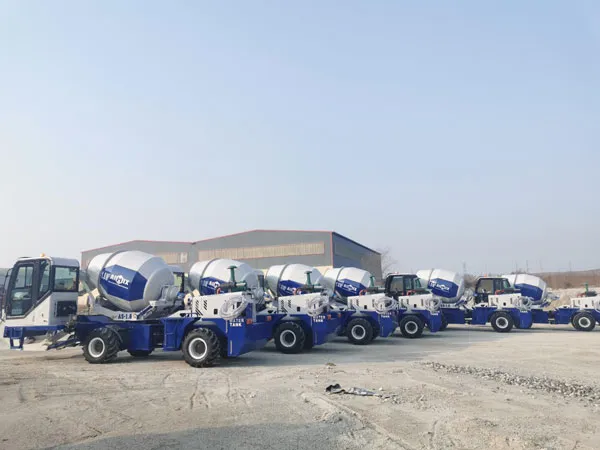
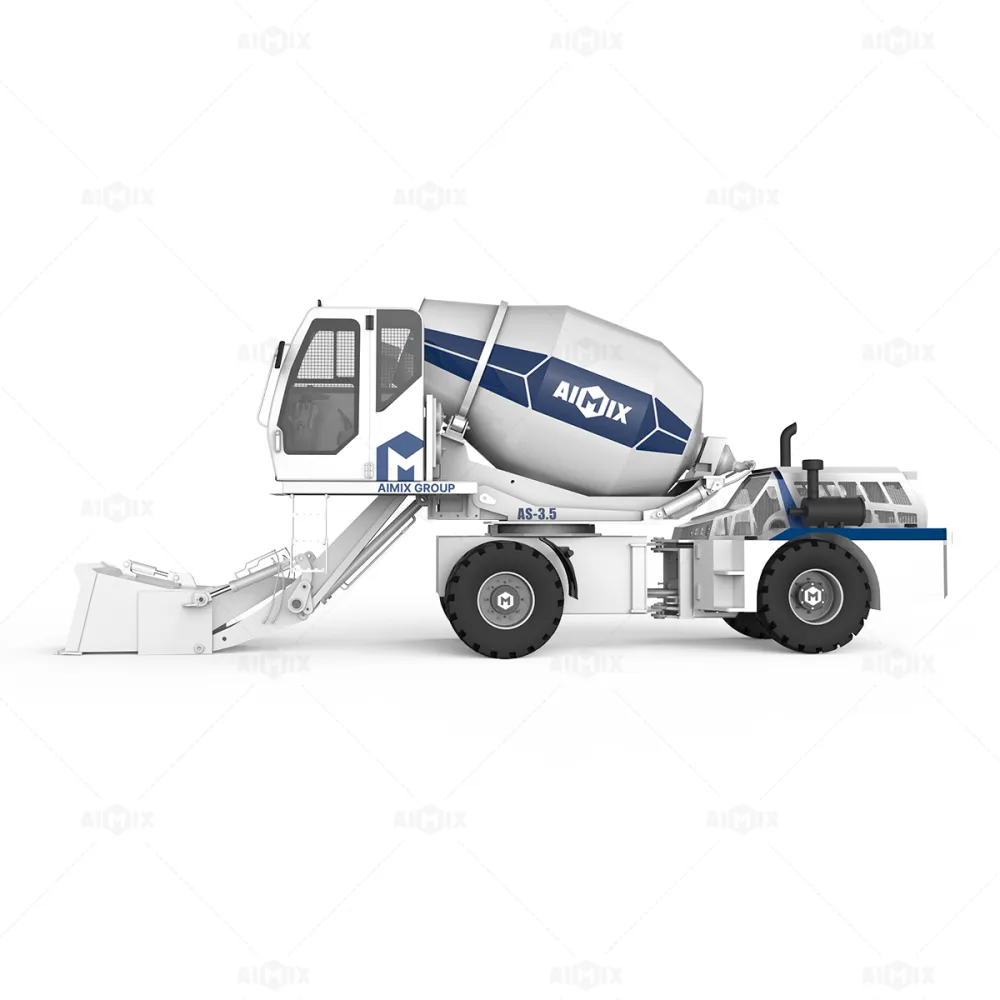
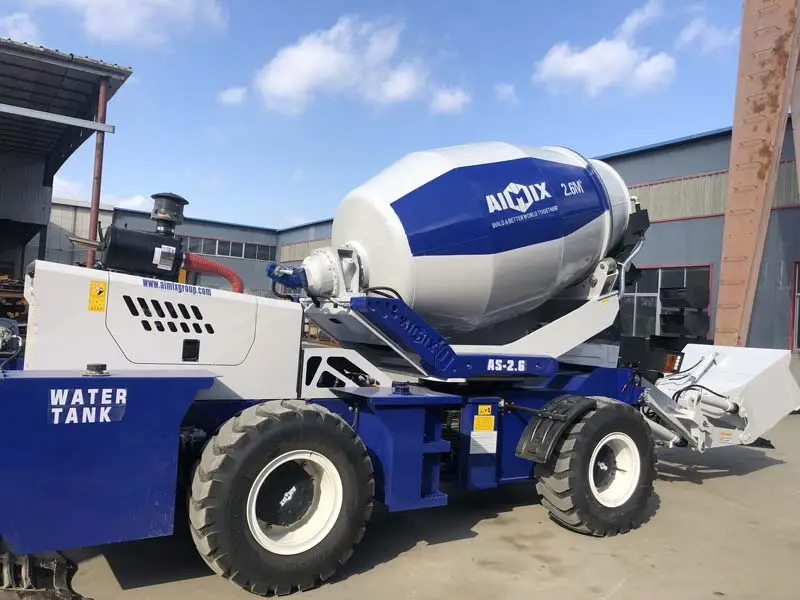
Not all jobs are created equal. A typical village house project might require 5–10 m³ of concrete per week—enough to fill a standard truck bed. If your site has narrow access roads or uneven terrain, portability becomes as important as power. Traditional drum mixers often struggle here due to their fixed base design, while modern self-loading models like the 河南国立米科斯 AS-2.6 can be easily moved between work zones without crane support.
In one case study from Sichuan Province, a contractor using a basic manual mixer reported 45 minutes of labor per batch—compared to just 12 minutes with a smart-controlled unit. That’s nearly 70% time saved per cycle, which adds up quickly across multiple pours.
The biggest difference between old and new mixers? Automation. Intelligent systems now monitor mixing speed, water-to-cement ratios, and vibration levels in real time. This reduces human error—a common cause of weak concrete in DIY builds. According to a test by China Building Materials Research Institute, smart mixers produce concrete with 15–20% higher compressive strength than manually operated ones.
Why does this matter? Because inconsistent batches lead to cracks, poor bonding, and long-term structural risks—especially when weather conditions shift unexpectedly (e.g., sudden rain during pouring).
You don’t need a certified technician to set up most modern units. Most come with clear step-by-step instructions—often illustrated in both English and Mandarin—for easy setup even in remote locations. For example, the AS-2.6 features a modular frame that allows installation in under 30 minutes, with no special tools required.
Common issues like uneven mixing or motor overheating usually stem from improper loading or lack of routine checks. A simple weekly inspection checklist—such as checking oil levels, belt tension, and wear on blades—can prevent 90% of minor breakdowns before they become costly repairs.
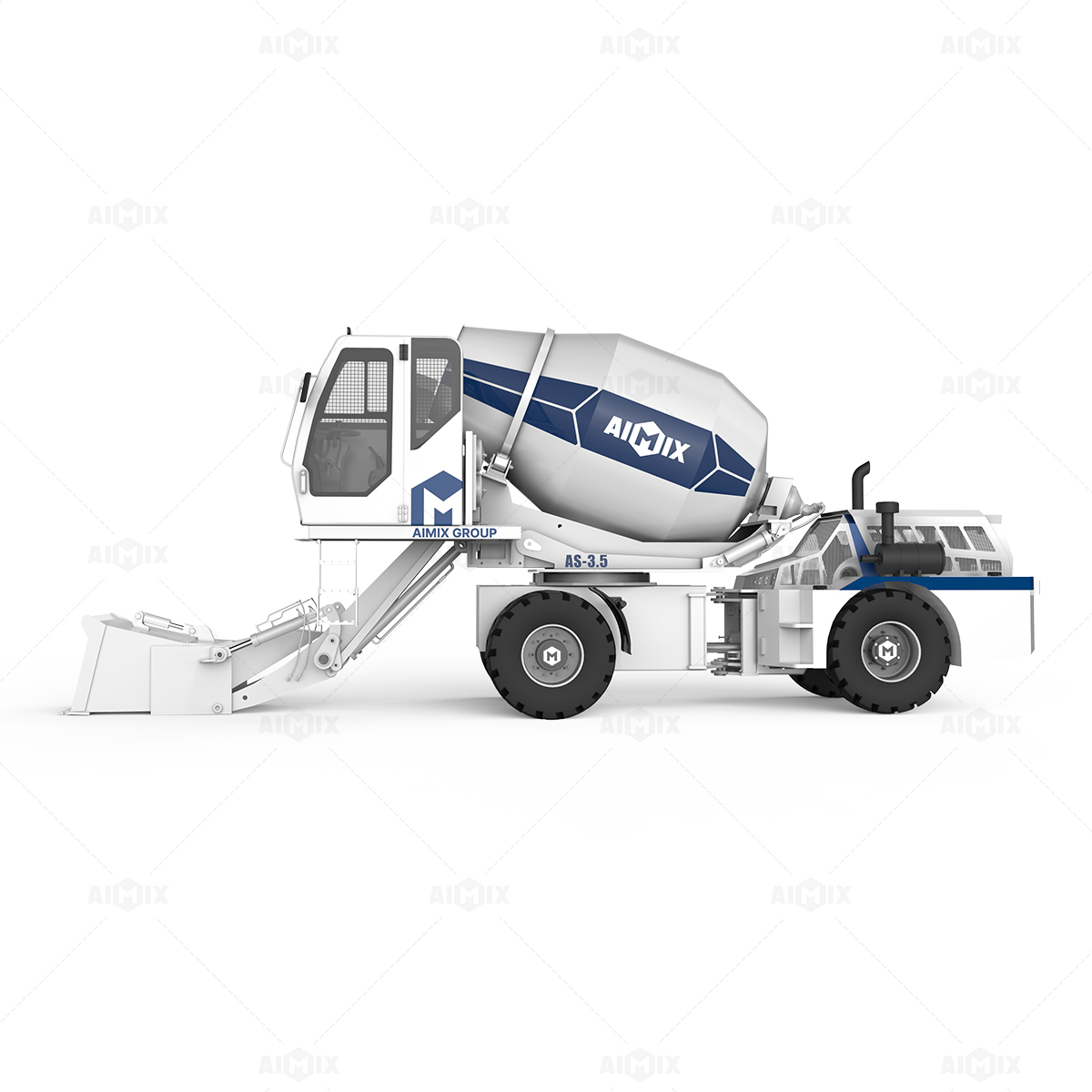
As more rural builders adopt digital tools, the gap between traditional and tech-enabled operations widens. In regions where skilled labor is scarce, intelligent mixers reduce dependency on expert operators—and increase productivity per worker by up to 35%, according to a 2024 report from the Chinese Ministry of Housing and Urban-Rural Development.
Whether you're working alone or leading a small crew, having a reliable, easy-to-use machine means fewer delays, better-quality output, and less stress during peak seasons.
Want to see how the AS-2.6 performs in real-world conditions? Explore its intelligent control system, mobility features, and user-friendly interface—designed specifically for off-grid and low-resource environments.
See the AS-2.6 in Action →






 <#else>