

Concrete segregation in rural construction has been a frequent problem. There are multiple causes. Firstly, uneven aggregate gradation is a major factor. When the particle size distribution of aggregates is not well - controlled, larger particles tend to settle at the bottom, while smaller ones float on top, leading to segregation. For example, if the proportion of large - sized gravel is too high, it can disrupt the uniformity of the concrete mixture.
Secondly, an out - of - control water - cement ratio is another culprit. A higher water - cement ratio can make the concrete mixture too thin, causing the water to separate from the cement paste and aggregates. Industry data shows that for every 0.1 increase in the water - cement ratio, the strength of concrete can decrease by about 10 - 15%. Inadequate mixing is also a common issue. If the mixing time is too short, the materials may not be fully combined, resulting in non - uniform distribution of components.

To address these problems, a full - process quality control strategy is essential. It starts with accurate weighing of raw materials. Precise measurement of aggregates, cement, and water is crucial for achieving the desired concrete properties. For instance, using high - precision weighing equipment can reduce the measurement error to within ± 1%.
Next, a scientific feeding sequence should be arranged. Generally, aggregates are added first, followed by cement, and then water. This sequence helps to ensure that the cement is evenly coated on the surface of the aggregates. The mixing time should be reasonably set. For a common concrete mixer with an hourly output of 10 - 12 m³, the mixing time should be around 2 - 3 minutes to ensure sufficient mixing. Dynamic temperature monitoring is also necessary, as temperature can affect the hydration process of cement and the workability of concrete.
Intelligent control systems play a significant role in improving concrete quality. They can provide real - time feedback on the rotation speed of the mixer and judge the degree of mixture uniformity. For example, through sensors, the system can detect the rotation speed of the mixer shaft. If the speed is abnormal, it may indicate uneven mixing, and the operator can make adjustments in time.
These systems can also analyze the data collected from the mixture to determine whether the concrete is well - mixed. According to some studies, the use of intelligent control systems can increase the uniformity of concrete by about 20 - 30% and improve the strength stability by 15 - 20%.
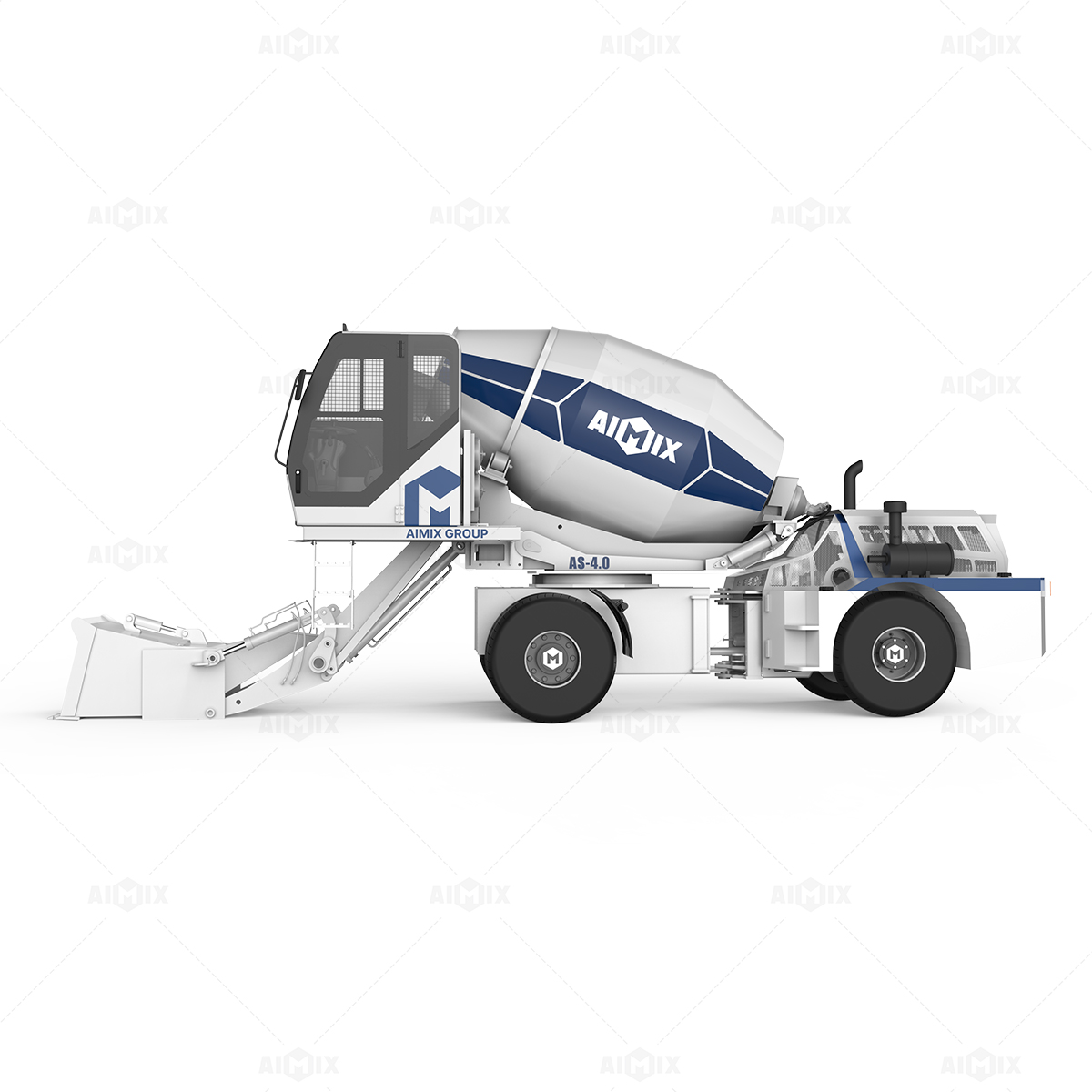
Regular maintenance is crucial for the normal operation of concrete mixers. The cleaning frequency of the mixing drum should be at least once a week to prevent the accumulation of hardened concrete. The lubrication of bearings should be carried out every 200 - 300 working hours to ensure smooth rotation. For vulnerable parts such as blades and liners, replacement reminders should be set based on their service life. For example, blades may need to be replaced every 500 - 600 working hours.
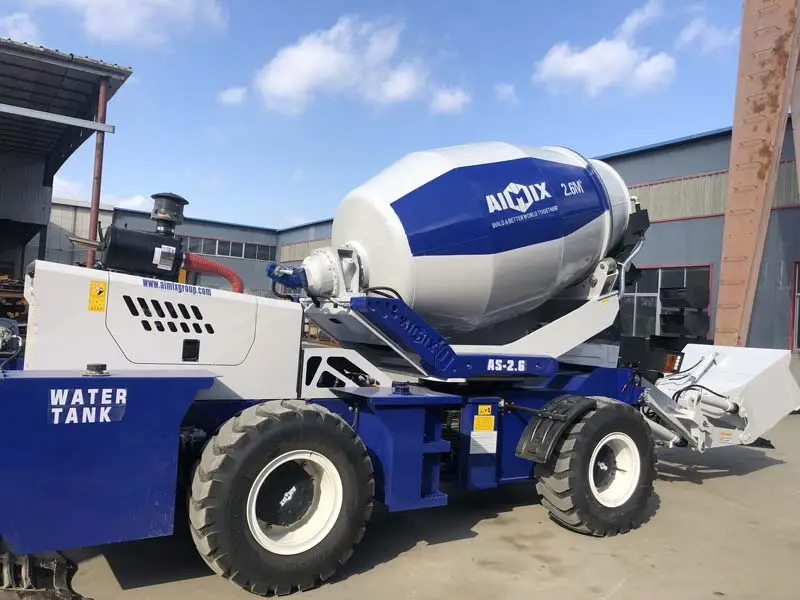
In an African project, by adopting standardized operations and using the AS - 2.6 intelligent mixer, zero - segregation concrete pouring was achieved. The project team strictly followed the full - process quality control strategy, from accurate raw material weighing to scientific mixing and regular equipment maintenance. The intelligent control system of the AS - 2.6 mixer provided real - time feedback and adjustment, ensuring the high quality of the concrete. This case shows that with the right equipment and operations, concrete segregation can be effectively avoided in rural construction projects.
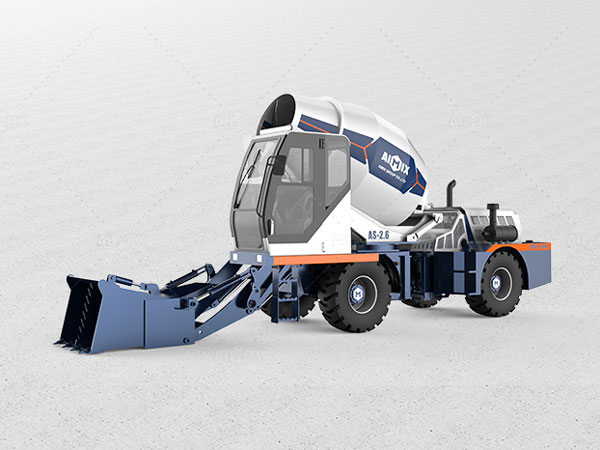
Establishing standardized operating habits is the core driving force for ensuring the safety of concrete structures. By implementing full - process quality control, using intelligent control systems, and following standardized maintenance procedures, we can produce high - quality concrete for rural construction. If you are looking for a reliable and easy - to - use solution for rural construction concrete mixing, the AS - 2.6 intelligent mixer is an excellent choice. Click here to learn more about the AS - 2.6 intelligent mixer and take your rural construction projects to the next level!


 <#else>


