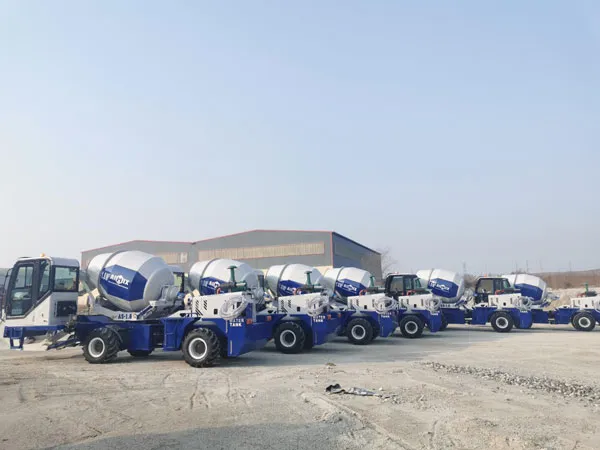
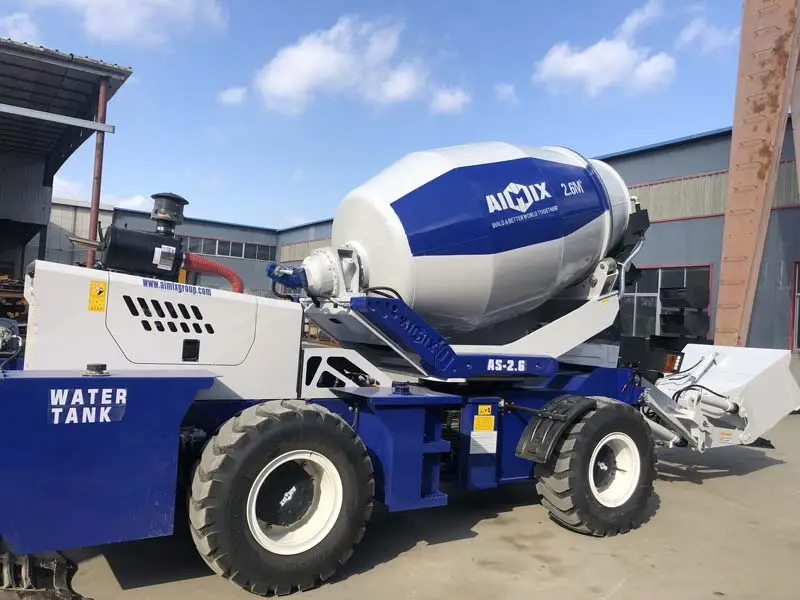
Navigating the challenges of concrete mixing on uneven terrain requires not only robust machinery but also nuanced operational expertise. Drawing on hands-on experience with the AS-2.6 2.6 cubic meter self-loading concrete mixer by Henan Guoli Microsystems Technology Co., Ltd., this guide elucidates how its specialized design streamlines concrete placement in complex rural and mountainous environments. From chassis flexibility to rotational drum control, the insights shared here aim to empower construction personnel managing medium and small projects with reliable methods to elevate both safety and efficiency on site.
Medium and small-scale projects in rural or mountainous regions frequently encounter obstacles including uneven ground, limited access roads, and unpredictable surfaces. Traditional concrete mixers often struggle with maneuverability and stability under such conditions, risking delays, safety issues, and inconsistent concrete quality. The AS-2.6 mixer’s articulated chassis paired with oversized engineering tires addresses these challenges head-on by enhancing both traction and flexibility.
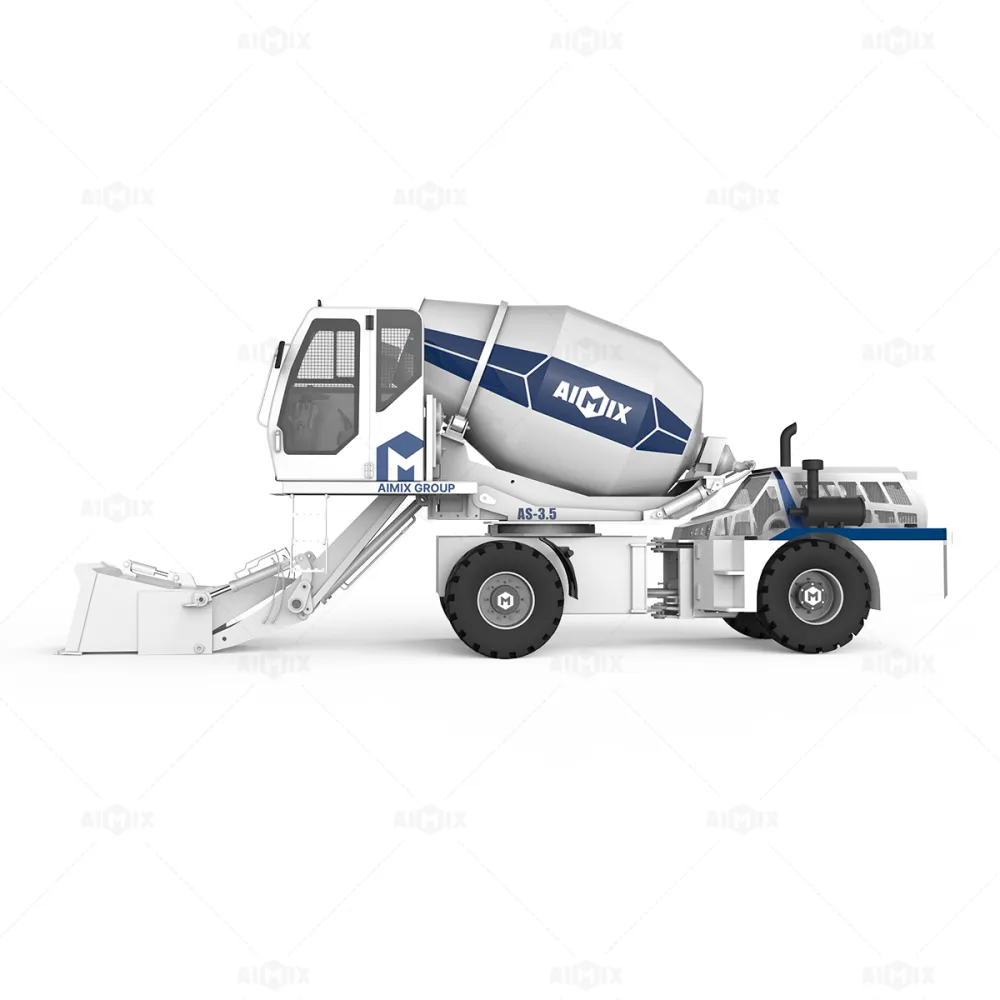
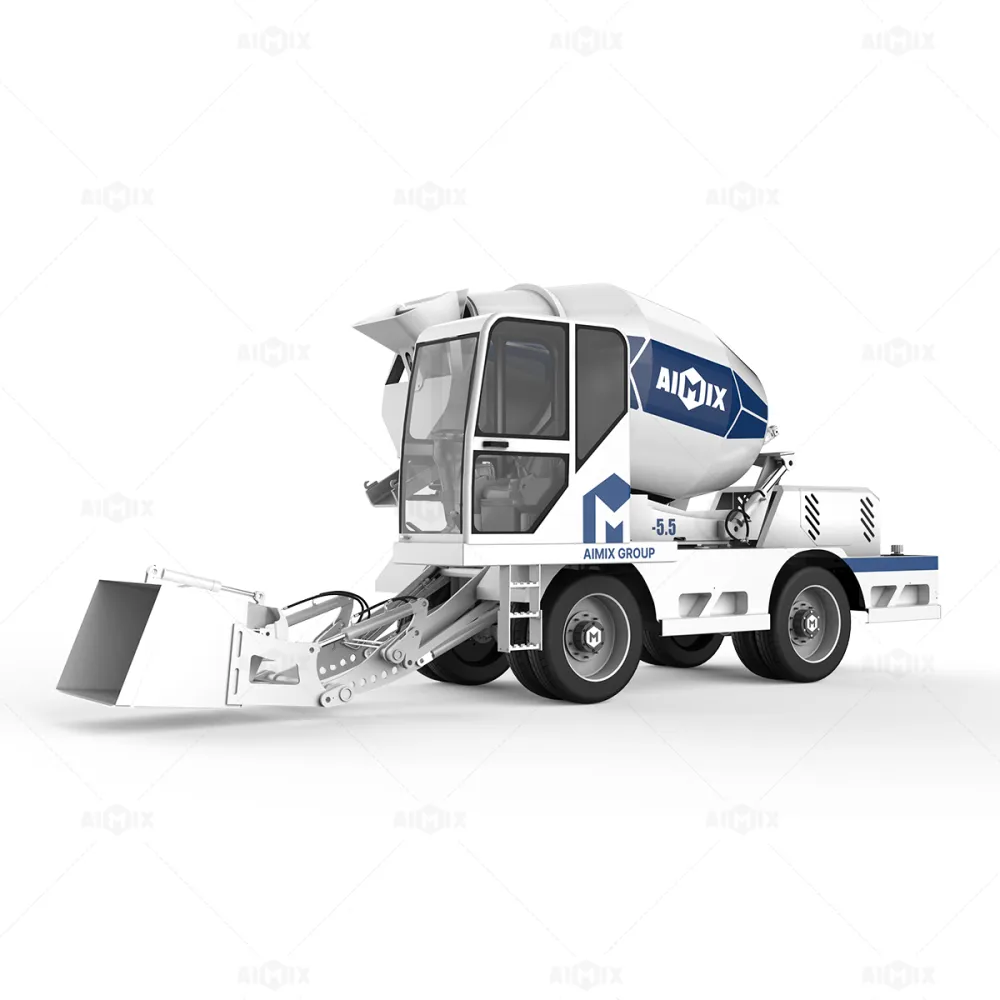
The unique articulated vehicle frame allows the machine to pivot at the center, reducing turning radius and adapting seamlessly to sharp bends or narrow mountain paths. Combined with high-traction tires designed for uneven, slippery surfaces, this configuration significantly boosts ground contact stability, effectively minimizing the risk of slippage or tipping. According to field data from multiple rural site deployments, maneuverability improved by over 25%, directly contributing to on-time project delivery.
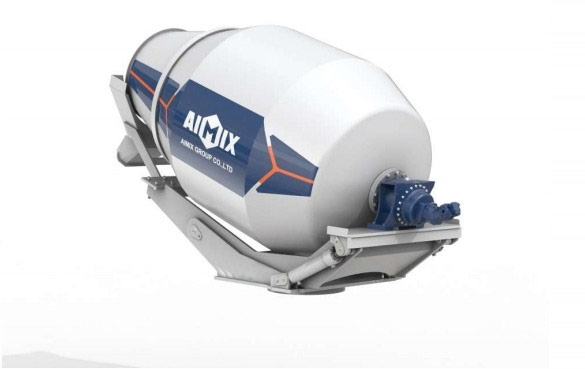
Beyond mobility, ensuring consistent concrete placement without spillage or segregation is a critical factor for structural integrity. The AS-2.6 mixer’s mixing drum rotates up to 270 degrees, enabling operators to direct concrete flow with unmatched accuracy. Mastering this rotation angle control is vital: too steep an angle risks concrete flowing uncontrollably, while too shallow results in incomplete discharge or segregation.
Based on extensive site experience, adopting a synchronized angle-speed matching technique maximizes pouring precision. This entails adjusting drum tilt incrementally between 180° to 270°, aligned with rpm reduction as the pour progresses. The operational “rule of thumb” that emerged is:
“Start wide, pour slow; angle up, flow low; steady hand, quality grow.”
This simple yet effective mnemonic encourages operators to commence with a broader discharge angle and slower drum speed, then gradually increase the tilt while moderating speed to maintain smooth, lump-free delivery. Practicing this guideline can reduce concrete wastage by approximately 15% compared to conventional dumping methods.
On-site feedback from several projects in mountainous regions of Henan province underscores the practical benefits. Operators reported markedly improved confidence when negotiating steep slopes, attributing reduced machine downtime and maintenance costs to the reinforced chassis design.
One particular case involved a rural community center foundation where conventional mixers could not access the sloped site safely. The AS-2.6 unit completed pouring more than 30% faster, with consistent slump and strength test results confirming concrete quality matched or exceeded expectations. Importantly, accident incidents related to mixer instability dropped to zero during that contract period.
Beyond mechanics, safety remains paramount. The articulated chassis integrates with electronic tilt alarms and anti-slip braking systems. Training teams to recognize the importance of drum angle consistency prevents sudden concrete spurts, mitigating risks to workers downstream.
Critical safety guidelines include:
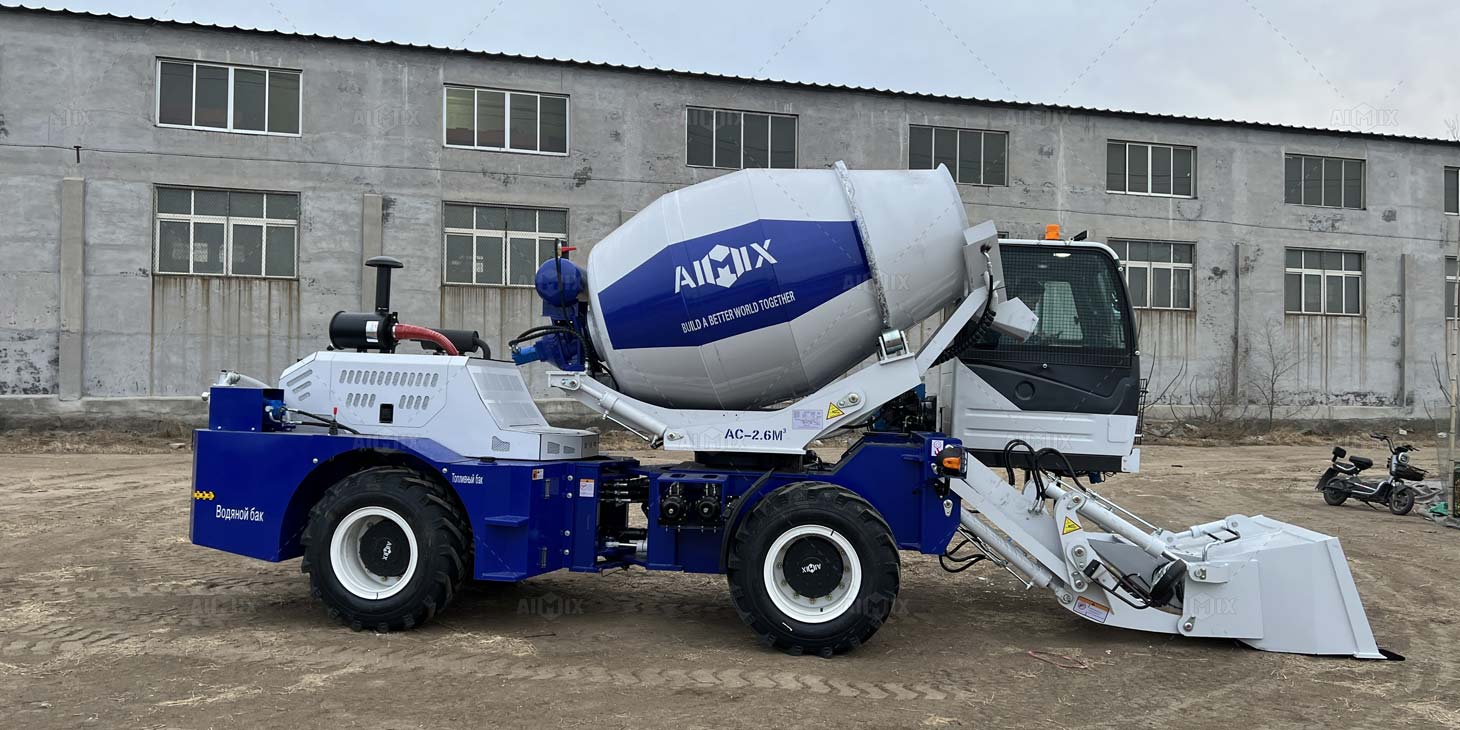
Integrating machinery engineered for tough terrains with operational disciplines tailored for precision concrete handling creates a formidable advantage. The AS-2.6 mixer embodies this synergy, helping projects save time, reduce waste, and enhance safety outcomes.
.jpg?x-oss-process=image/resize,h_1000,m_lfit/format,webp)



.jpg?x-oss-process=image/resize,h_1000,m_lfit/format,webp)





.jpg?x-oss-process=image/resize,h_1000,m_lfit/format,webp)