

Concrete is the backbone of rural construction projects, and ensuring its quality is crucial for the safety and durability of structures. This article will comprehensively cover the key points of quality control in the entire process of concrete mixing, providing practical insights for operators.
The correct proportion of raw materials is the foundation of high - quality concrete. For example, in rural construction, a common mix ratio for general concrete is 1 part cement, 2 parts sand, and 3 parts gravel. However, this ratio may vary depending on the specific strength requirements of the project. Incorrect proportions can lead to issues such as low strength and segregation. For instance, if there is too much sand, the concrete may be more prone to shrinkage cracks.

The order in which materials are added to the mixer also significantly affects the quality of the concrete. A recommended feeding sequence is to first add the coarse aggregates (gravel), followed by the fine aggregates (sand), and then the cement. After that, water is added gradually during the mixing process. This sequence ensures that the cement is evenly distributed among the aggregates, promoting better hydration and a more homogeneous mixture. If the feeding sequence is incorrect, it can result in poor bonding between the materials and affect the overall strength of the concrete.
Proper mixing time is essential for achieving a uniform concrete mixture. Generally, the mixing time should be between 2 - 3 minutes for small - scale rural construction projects. However, this can be adjusted based on the type of mixer and the volume of the batch. Temperature also plays a role in the mixing process. In hot weather, the water may evaporate quickly, affecting the workability of the concrete. Therefore, it is important to monitor and control the temperature during mixing, especially in regions with extreme climates.
Intelligent control systems have revolutionized the concrete mixing industry. These systems offer real - time monitoring of the mixing state, including functions such as speed feedback and judgment of material uniformity. For example, the system can detect if the mixer is running at the correct speed and adjust it automatically if necessary. It can also analyze the uniformity of the material mixture and provide feedback to the operator, allowing for precise control of the mixing effect.
The intelligent control system can continuously monitor the rotation speed of the mixer. If the speed is too slow, it may indicate that the mixer is overloaded or there is a problem with the power supply. By providing real - time speed feedback, the operator can take appropriate measures to ensure the normal operation of the mixer. Additionally, the system can accurately judge the uniformity of the material mixture, which is crucial for preventing issues such as segregation and ensuring the strength of the concrete.
Regular maintenance of mixing equipment is vital for ensuring the safety of the concrete structure and the durability of the equipment. A standardized maintenance process should include cleaning the mixer after each use, checking the wear of parts such as blades and bearings regularly, and lubricating moving parts. It is recommended to perform a comprehensive maintenance check at least once a month for small - scale rural construction equipment. This helps to prevent breakdowns and ensures that the mixer operates at its optimal performance.

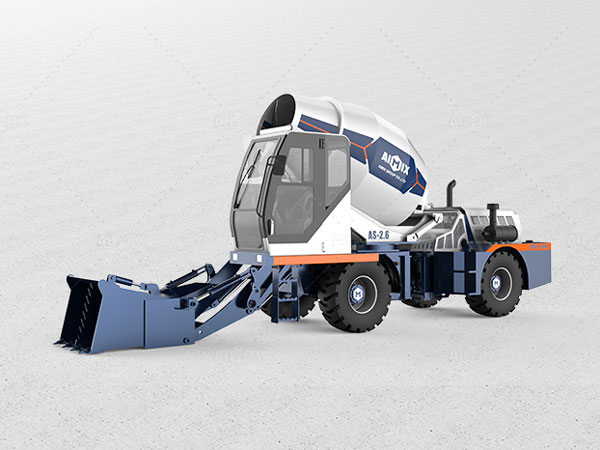
For construction projects in emerging markets such as Southeast Asia, Africa, and the Middle East, the Henan Guoli Mike AS - 2.6 Intelligent Self - Feeding Concrete Mixer is an ideal choice. This mixer features high productivity, with an average output of up to 10 cubic meters per hour. Its intelligent control system allows for easy operation and precise control of the mixing process, ensuring high - quality concrete production. With its user - friendly design and reliable performance, it can significantly improve the quality of construction projects and enhance construction efficiency.
.jpg?x-oss-process=image/resize,h_1000,m_lfit/format,webp)




 <#else>


