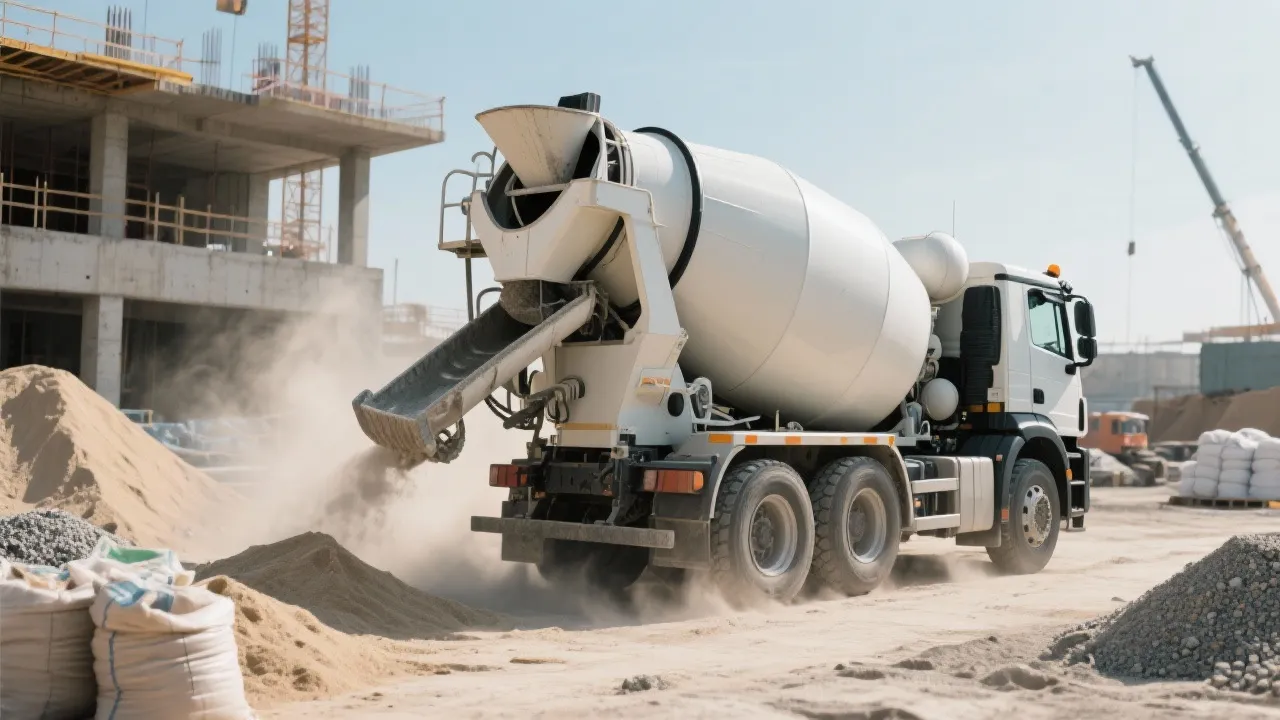
Concrete is the backbone of rural construction. However, common quality issues such as sub - standard strength and segregation often pose threats to the structural safety of rural buildings. To ensure high - quality concrete, it is crucial to have a comprehensive understanding of the entire mixing process, from ingredient preparation to the final discharge.
The first and most fundamental aspect is the calculation of the raw material ratio. Different construction projects require different concrete strengths, which are determined by the precise proportion of cement, aggregates, water, and additives. For example, in general rural housing construction, a common cement - to - aggregate ratio might be 1:3 to 1:5. Failure to adhere to the correct ratio can lead to significant quality problems.
The sequence of ingredient addition also plays a vital role. Typically, aggregates should be added first, followed by cement, and then water and additives. This sequence ensures that the cement is evenly dispersed among the aggregates, promoting better hydration and ultimately higher - quality concrete. Research shows that a proper投料顺序 can improve the concrete's strength by up to 15%.
Another critical factor is the mixing time. Insufficient mixing time can result in uneven distribution of materials, while over - mixing can lead to increased water evaporation and reduced workability. For most rural construction scenarios, a mixing time of 3 to 5 minutes is recommended, depending on the type of mixer and the volume of concrete being produced.
Temperature control is equally important. Extreme temperatures can significantly affect the setting time and strength development of concrete. In hot weather, measures such as using cold water or adding ice to the mixture can help lower the temperature. In cold weather, insulating the mixer or using heated water can prevent the concrete from freezing during the mixing process.
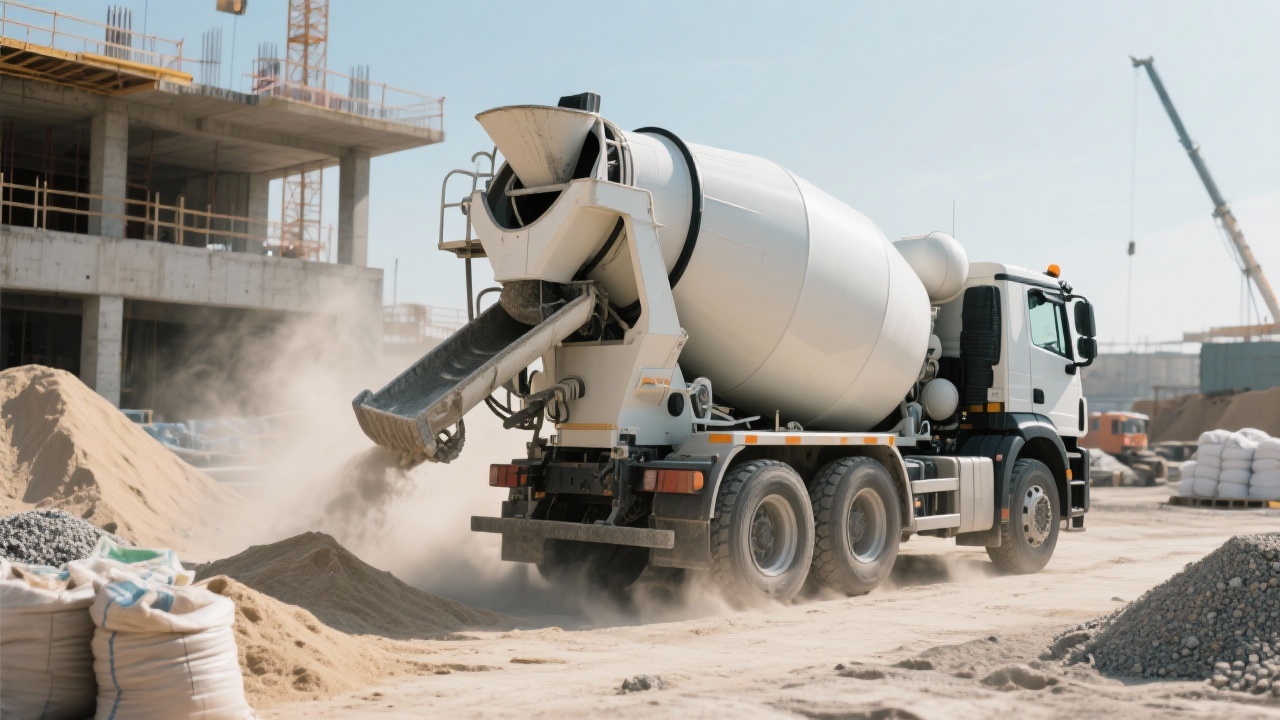
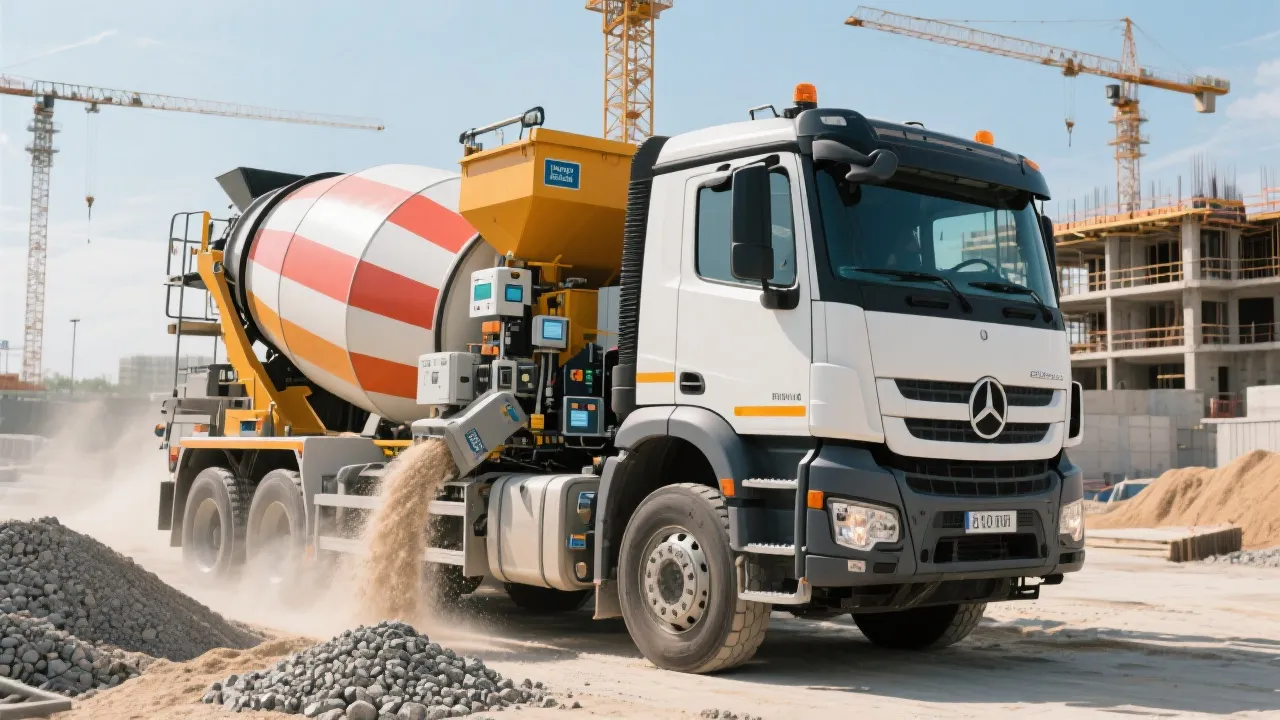
Intelligent control systems have revolutionized the concrete mixing industry. These systems can monitor the mixing process in real - time through features such as speed feedback and uniformity analysis. For instance, by continuously measuring the rotation speed of the mixer blades, the system can detect if the mixing process is operating at an optimal level. If the speed deviates from the set value, it can automatically adjust to ensure consistent mixing quality.
Moreover, intelligent control systems can analyze the uniformity of the concrete mixture. They use sensors to detect the distribution of materials in the mixer and provide feedback on whether the mixture has reached the desired level of homogeneity. This real - time monitoring and feedback mechanism not only improve the quality of the concrete but also enhance the overall efficiency of the mixing process.
According to industry experts, intelligent mixers can reduce the defect rate in concrete production by up to 30% compared to traditional mixers.
Regular maintenance of concrete mixing equipment is essential for its long - term performance and the quality of the concrete. One of the key maintenance tasks is cleaning. The mixer should be thoroughly cleaned after each use to prevent the accumulation of hardened concrete, which can affect the mixer's performance and lifespan. A general rule of thumb is to clean the mixer within 30 minutes after the last batch of concrete is discharged.
Lubrication is another important aspect. Moving parts such as bearings and gears need to be lubricated regularly to reduce friction and prevent wear. Depending on the frequency of use, lubrication should be carried out every 50 to 100 operating hours.
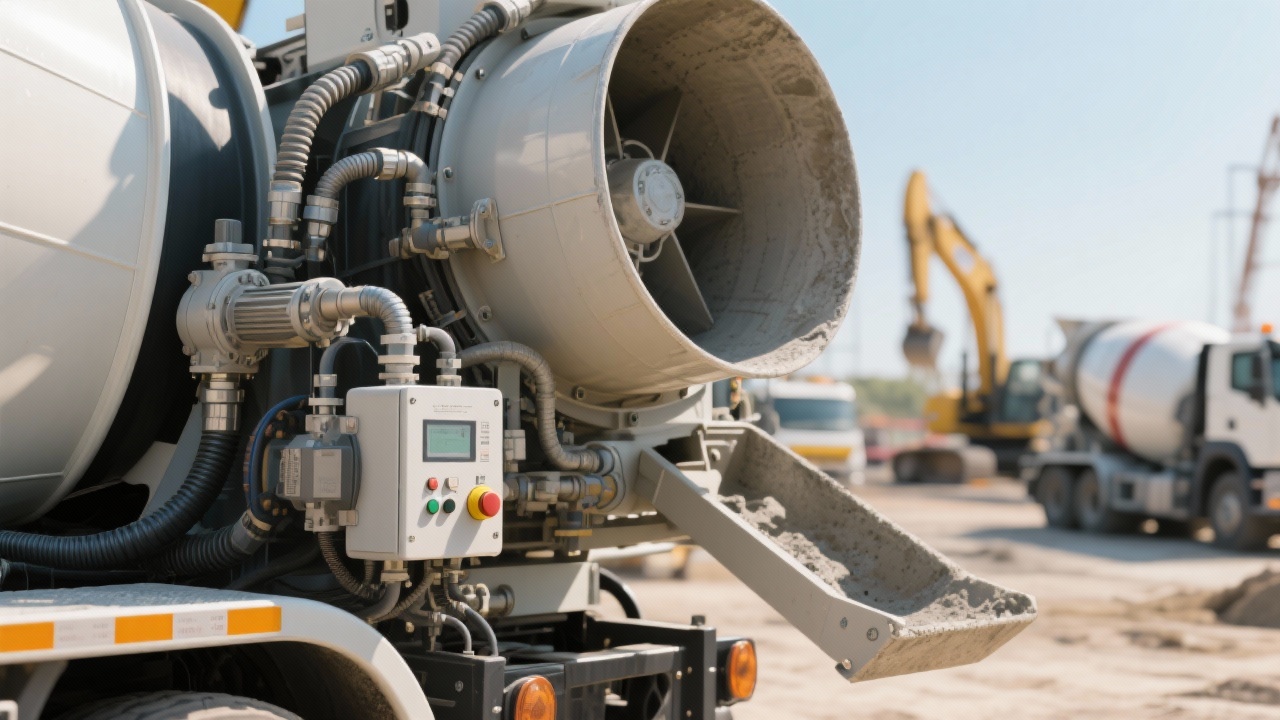
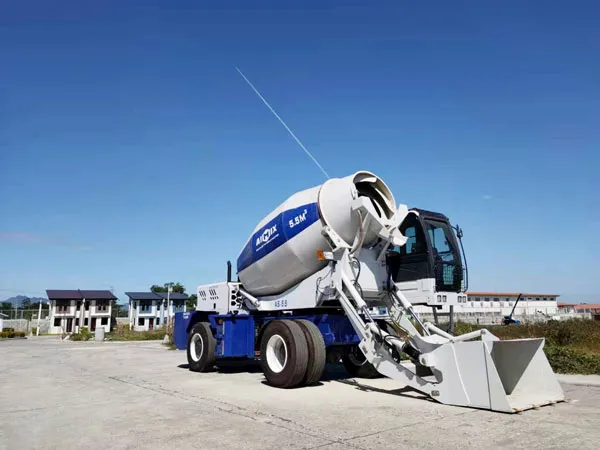
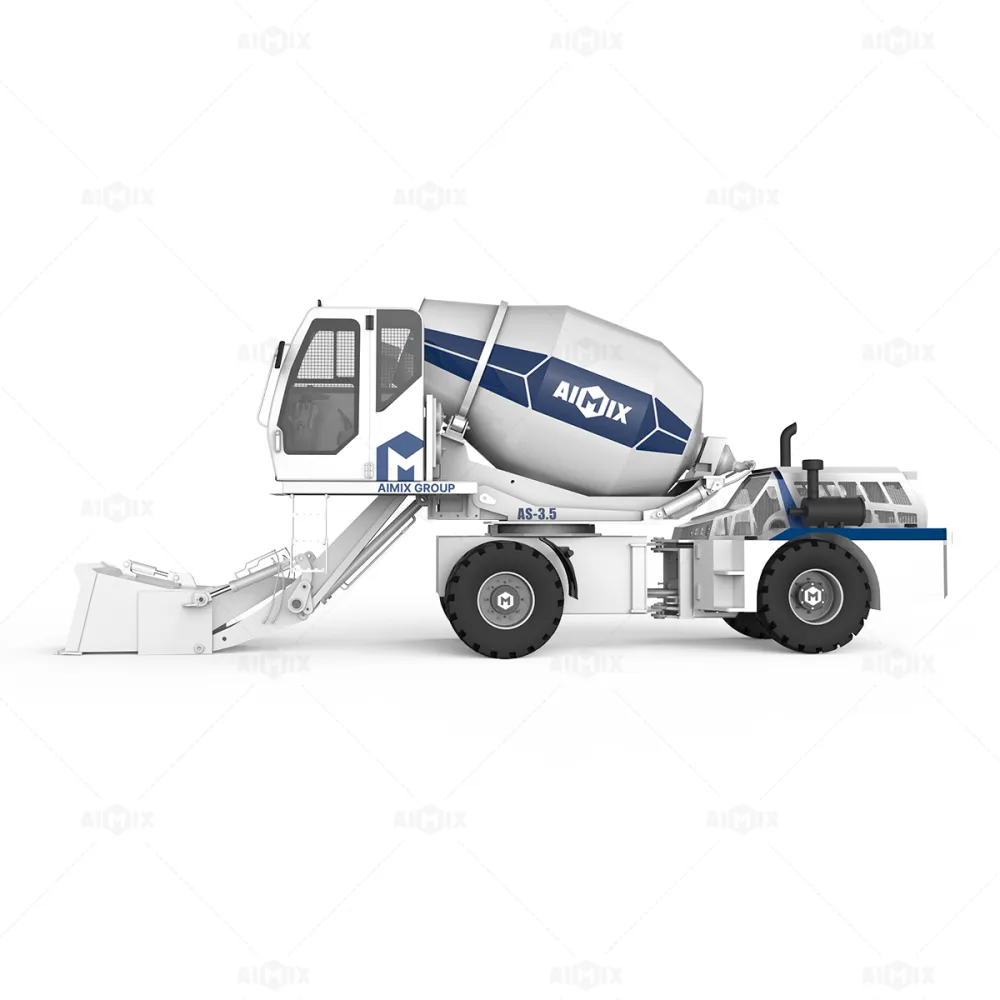
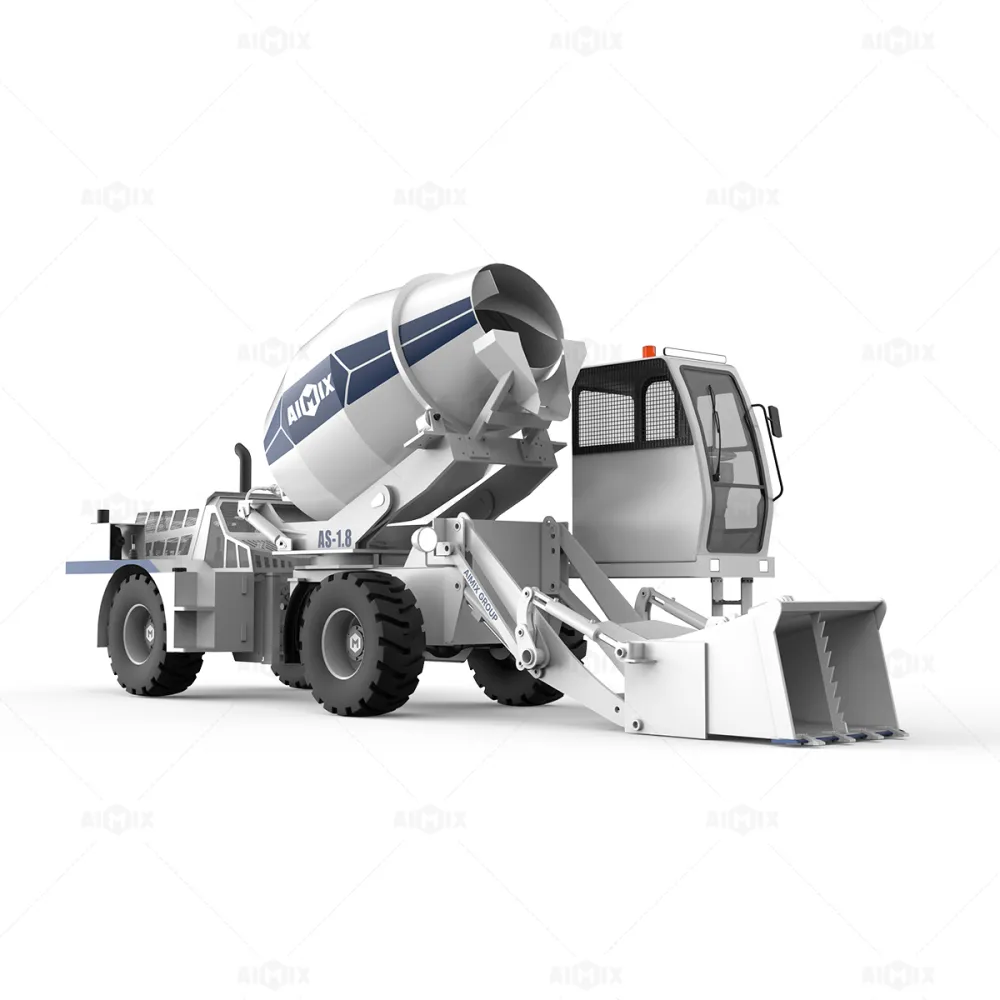
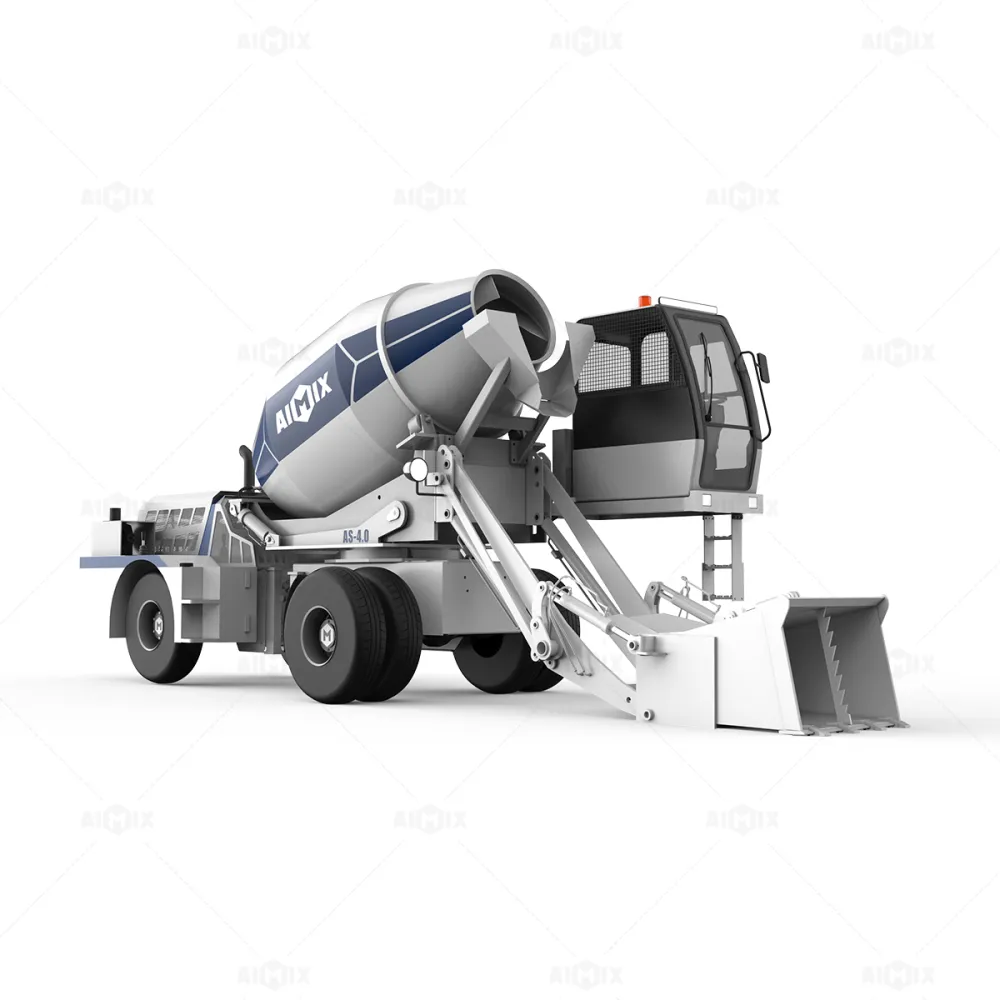
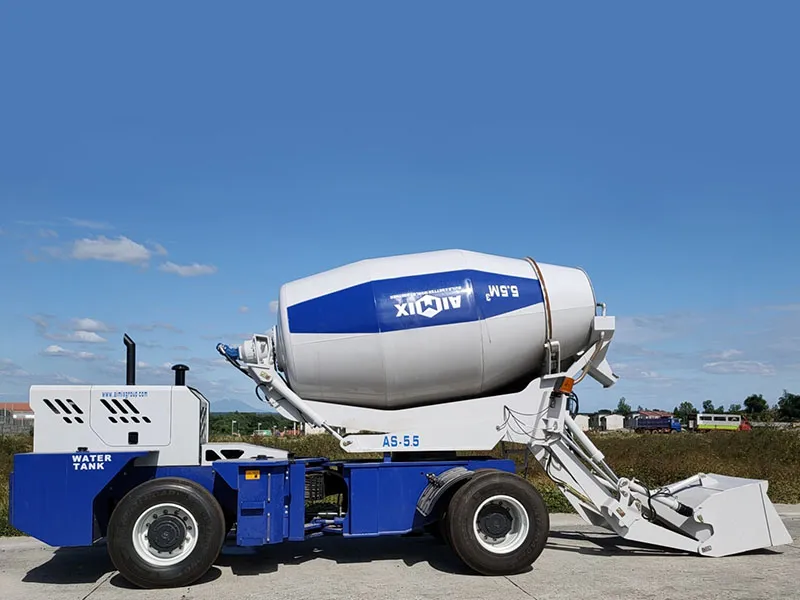
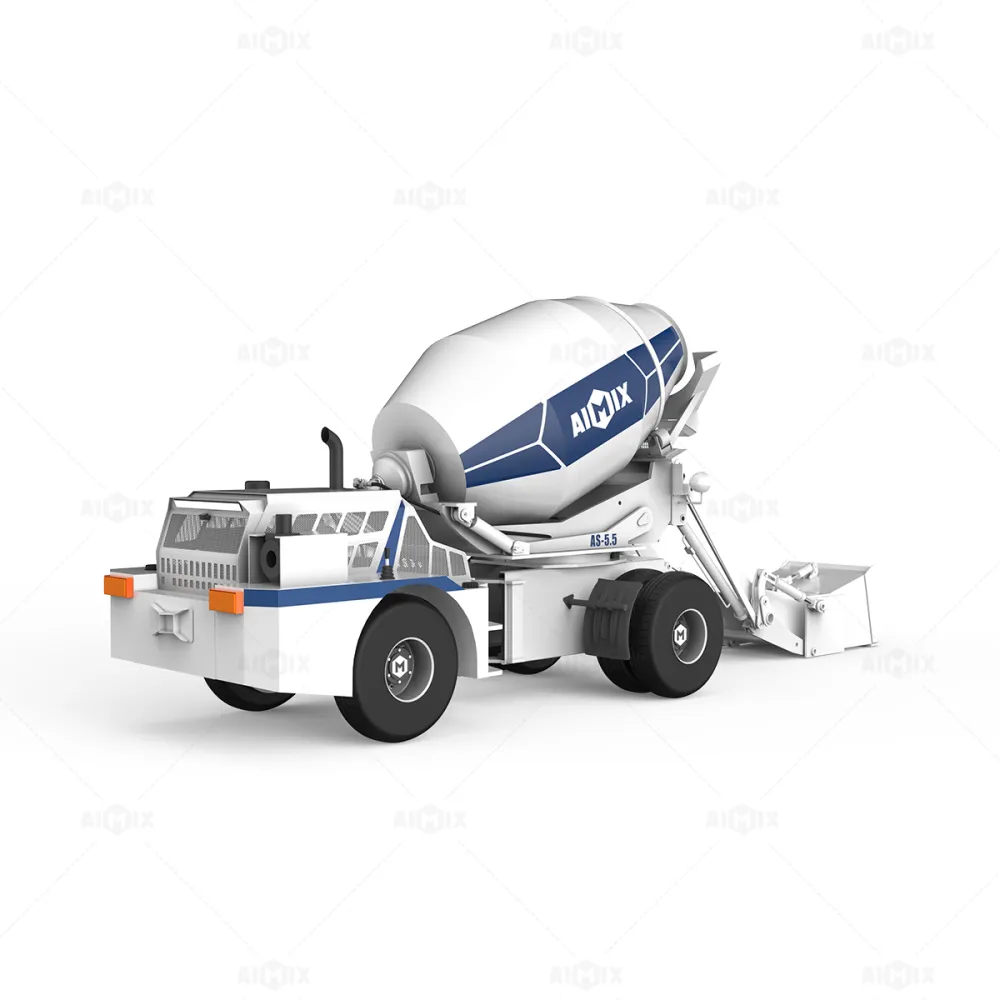
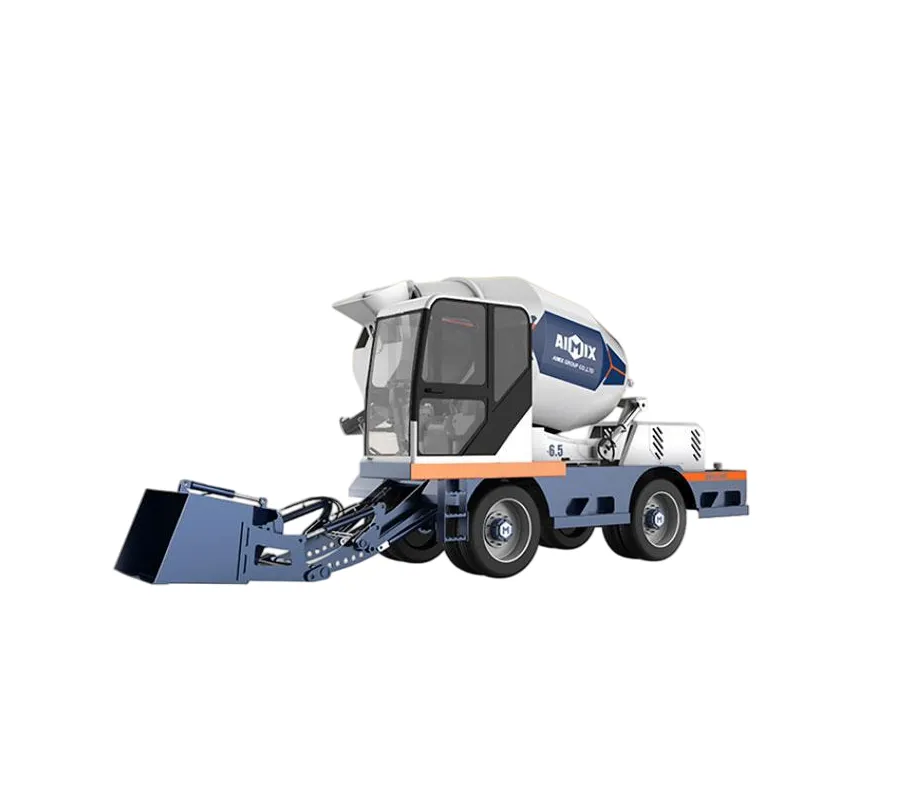
The AS - 2.6 self - loading mixer is specifically designed for rural construction scenarios. With its intelligent control system, it offers accurate ratio control, precise mixing time management, and real - time temperature monitoring, ensuring high - quality concrete production every time. It can significantly improve the efficiency of rural construction projects, reducing labor costs and construction time.
The AS - 2.6 mixer also features easy maintenance. Its simple structure and accessible components make it easy for on - site workers to carry out routine cleaning and lubrication tasks.
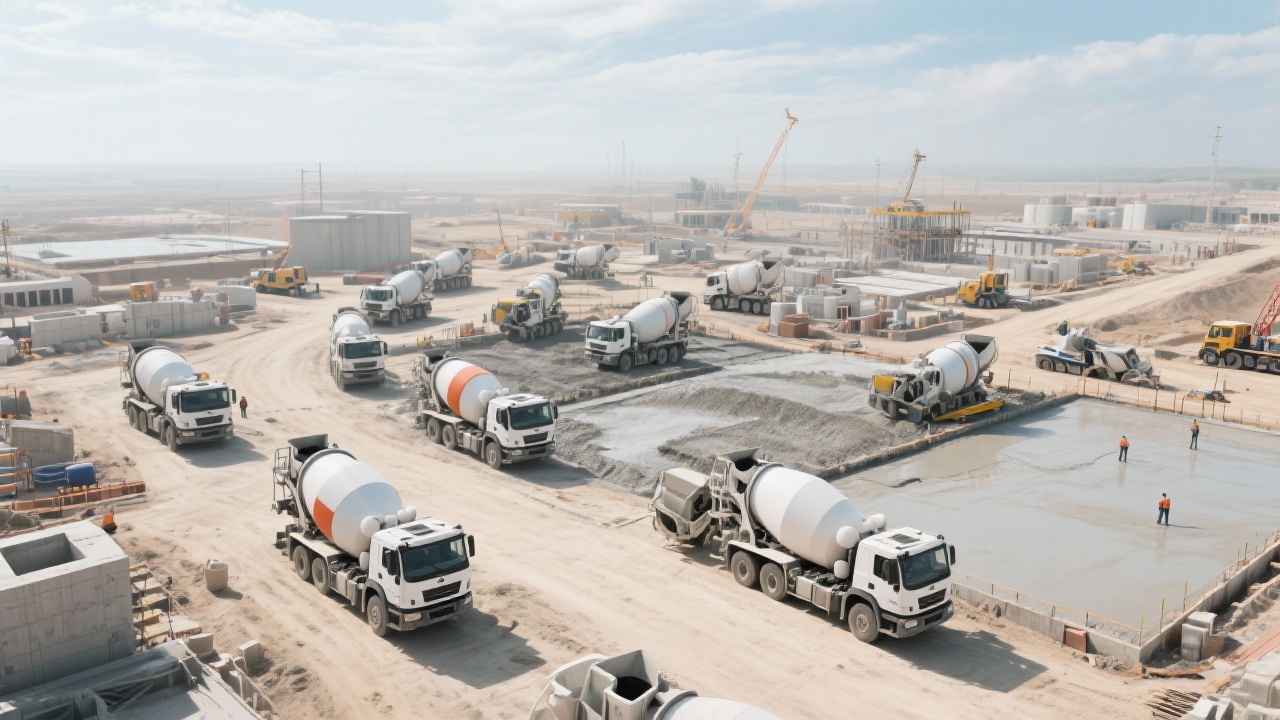
Choosing the AS - 2.6 intelligent mixer means choosing a reliable solution for your rural construction projects. Let every batch of concrete produced stand the test of time and quality.