We’ve all been there: you’re halfway up a muddy slope, your concrete mixer is stuck in the mud, and your team’s morale is slipping faster than your slump test results. At our last job site in northern Nepal, we saw firsthand how traditional concrete mixers failed under real-world conditions—uneven terrain, steep gradients, and frequent rain turned a simple pour into a logistical nightmare.
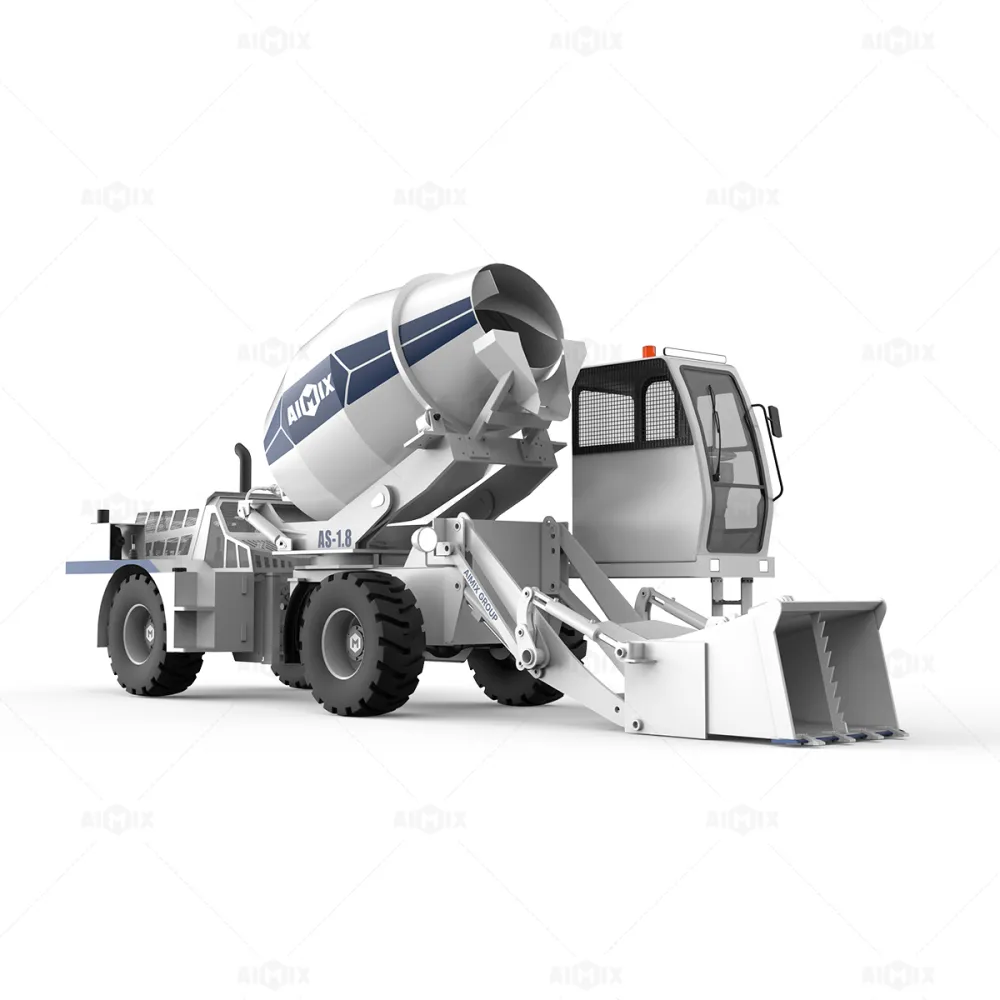
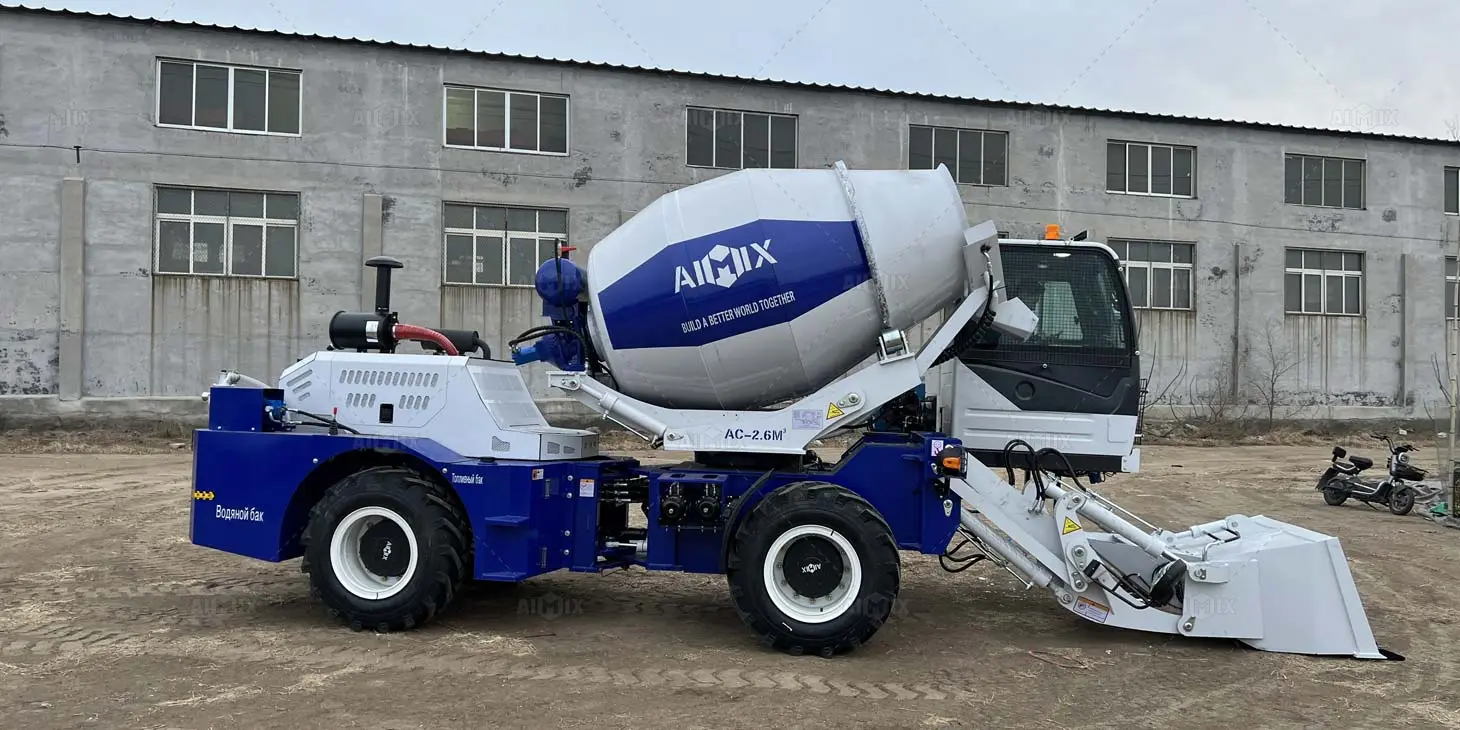
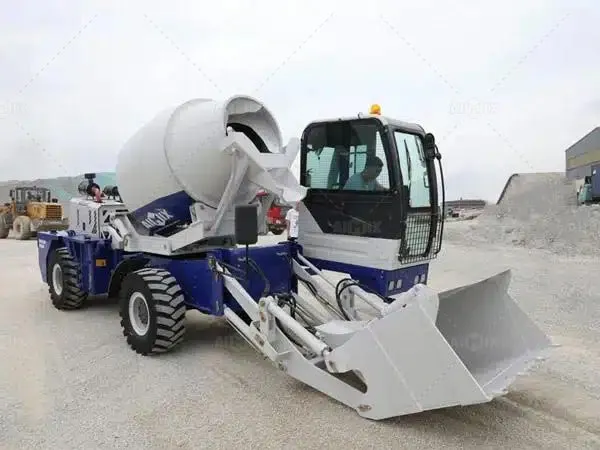
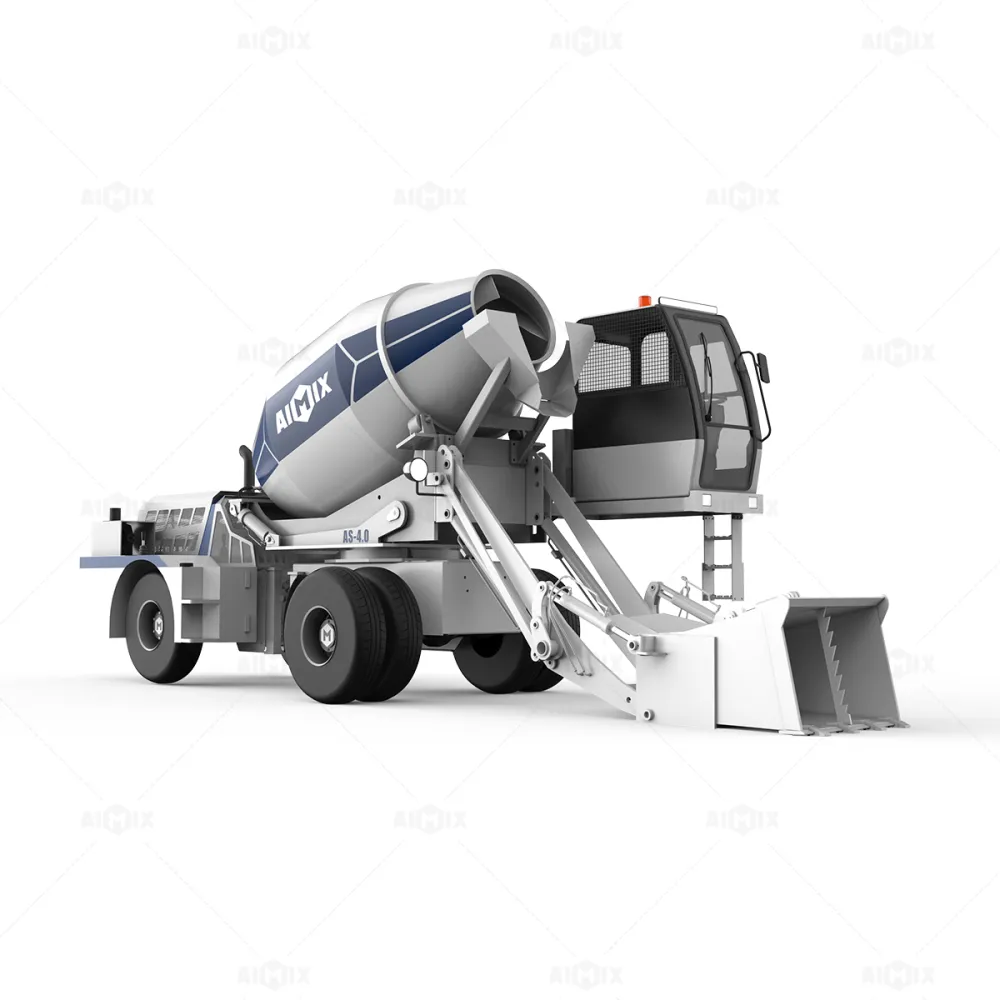
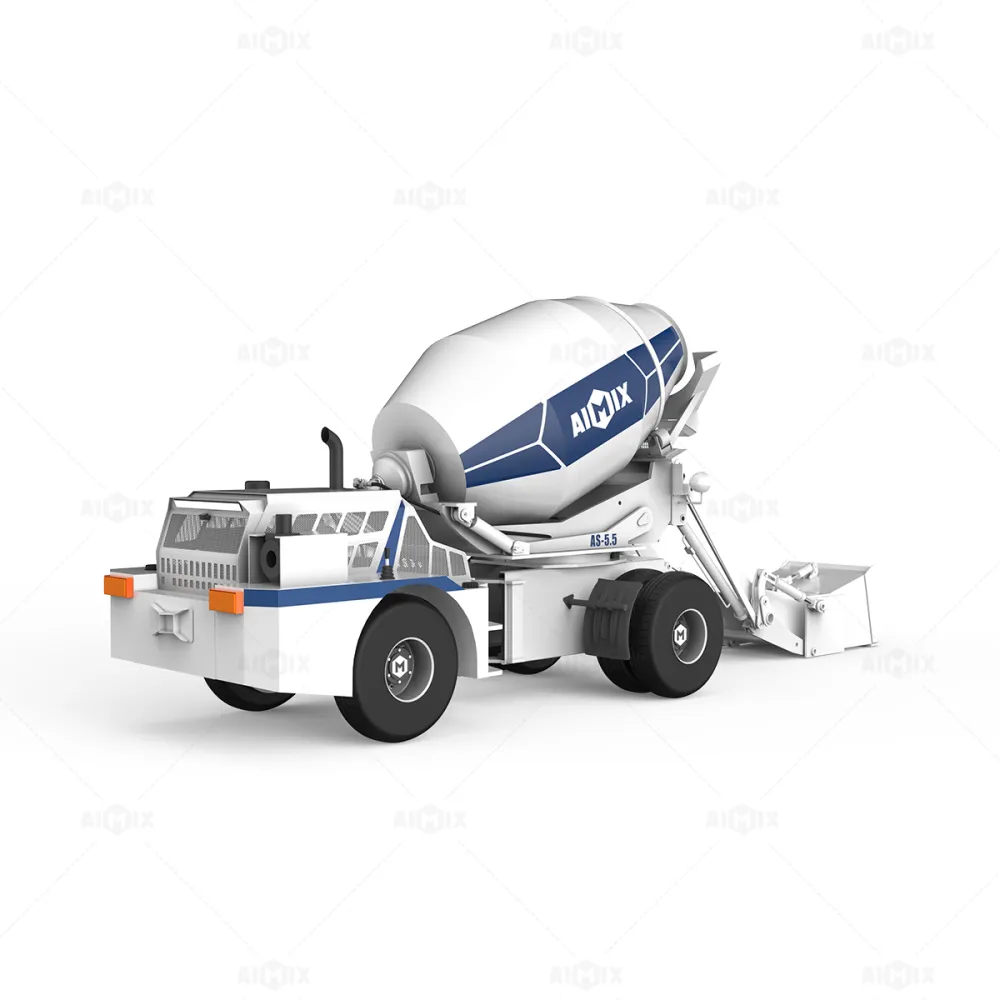
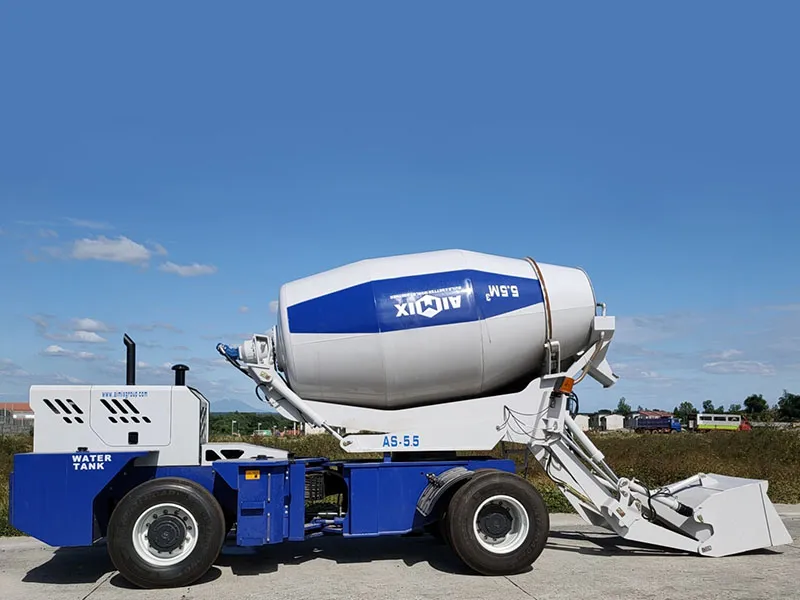
That’s why we switched to the AS-2.6 2.6m³ self-loading concrete mixer—a machine designed not just for flat ground, but for places where “level” is a luxury. Here's how it changed everything:
In rural and mountainous regions, roads aren’t built for heavy equipment. Average incline? Around 12–18%. Standard rigid-frame mixers often lose traction or tip over—not because they’re poorly made, but because they weren’t engineered for this environment.
The AS-2.6 uses a hydraulic hinge frame that allows each wheel independently to adjust to uneven surfaces—like a four-legged animal walking through rocky terrain. Combined with high-grip engineering tires (rated at 200 psi), it delivers consistent performance even on loose soil, gravel, or wet clay.
You can have the most stable machine in the world—but if you can't control where the concrete goes, you're still wasting time and materials. That’s where the 270° rotating drum comes in.
Our operators learned a simple rule: "Rotate before you tilt." By spinning the drum to align with the pouring direction, they reduce spillage by up to 40% compared to fixed-position dumping. One foreman told us: “It feels like painting with precision instead of spraying.”
Real-world data: On average, the AS-2.6 achieves 10–12 m³ per hour in challenging terrain—outperforming standard models by 25–30% due to reduced downtime from slippage or repositioning.
These aren’t just tips—they’re habits that separate successful projects from costly delays. Whether you're managing a small bridge repair in rural Indonesia or a housing development in the Andes, these principles apply.
"What’s your biggest challenge when mixing concrete in tough terrain? Share your story—we might just help solve it together."

.jpg?x-oss-process=image/resize,h_1000,m_lfit/format,webp)