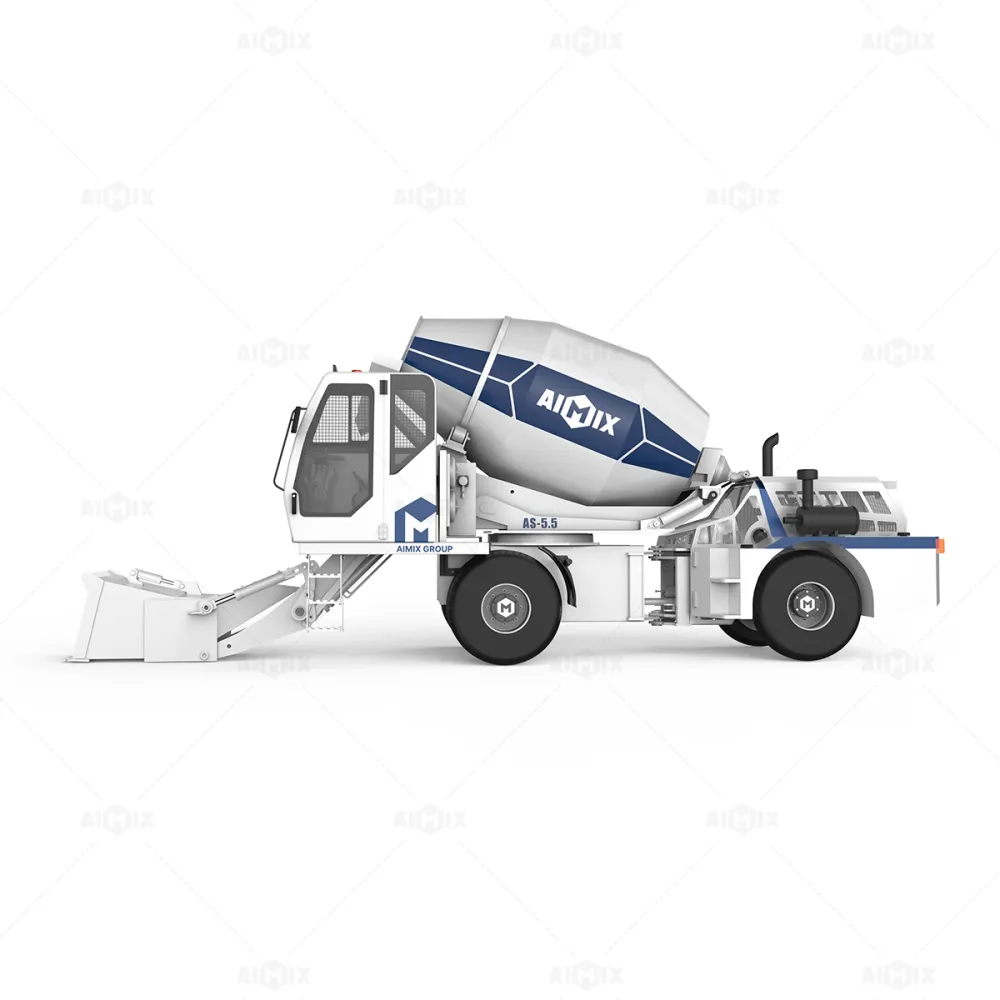
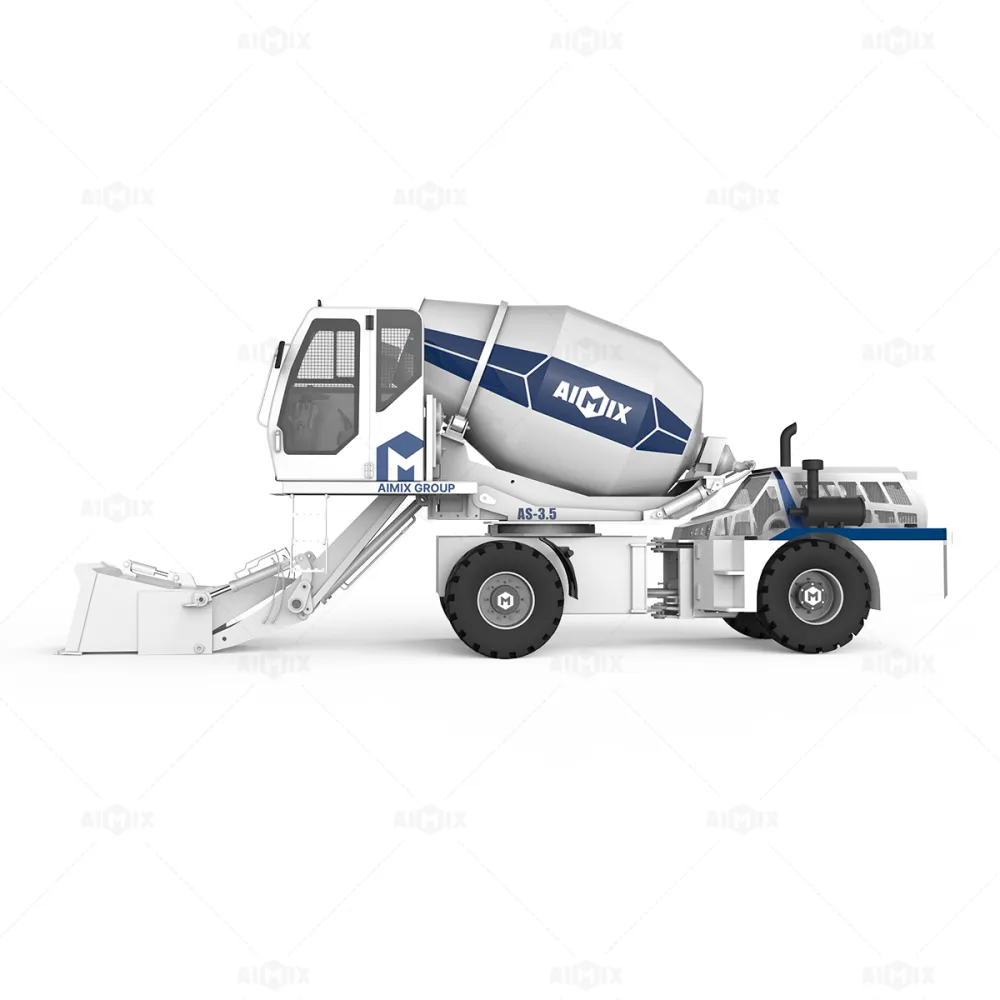
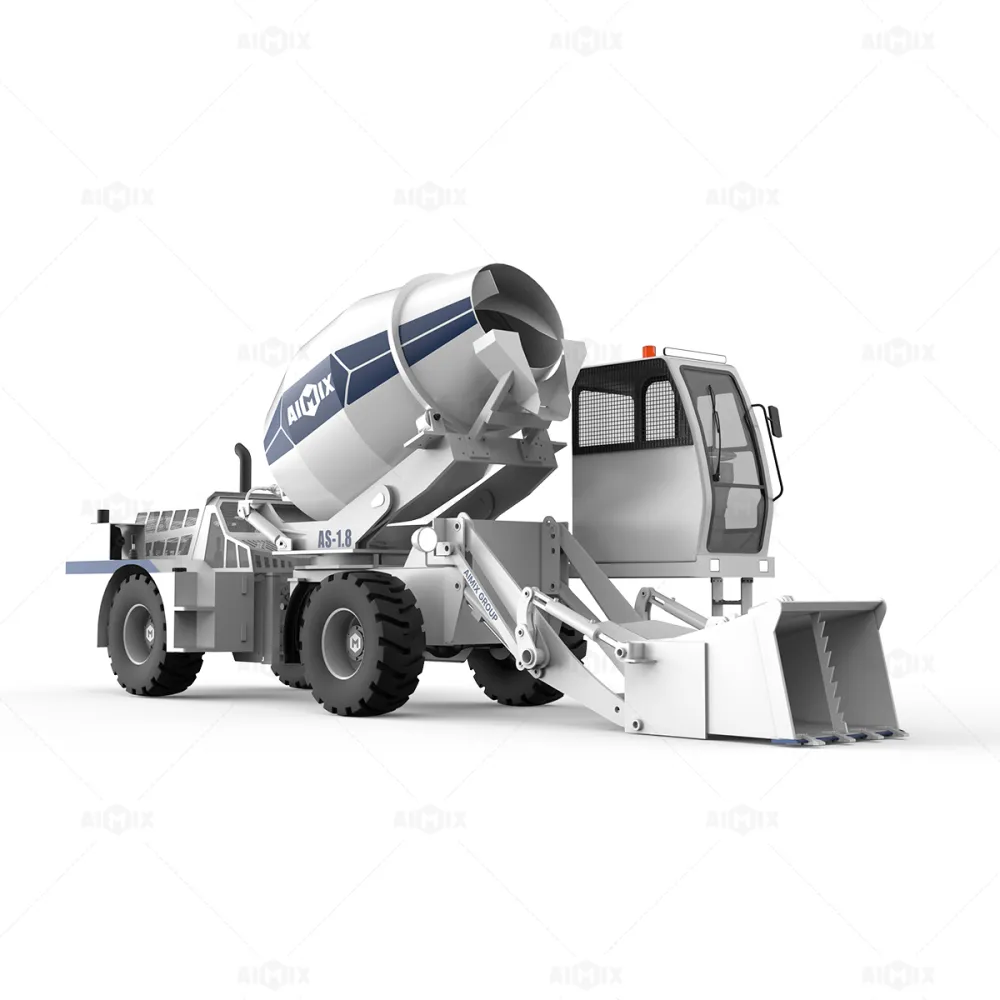
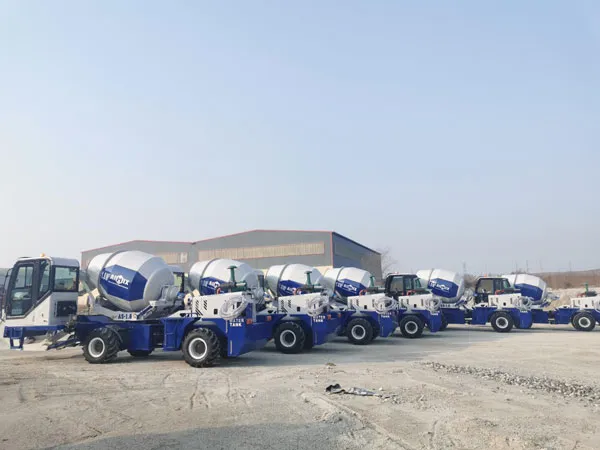
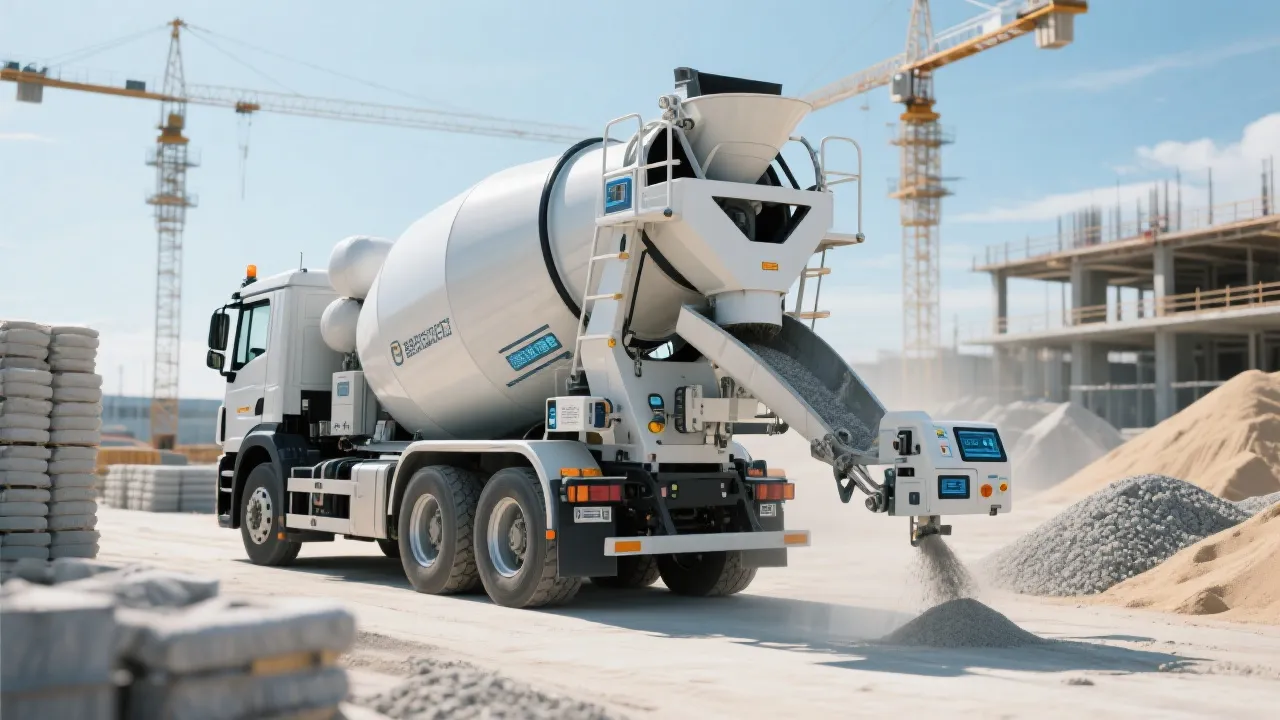
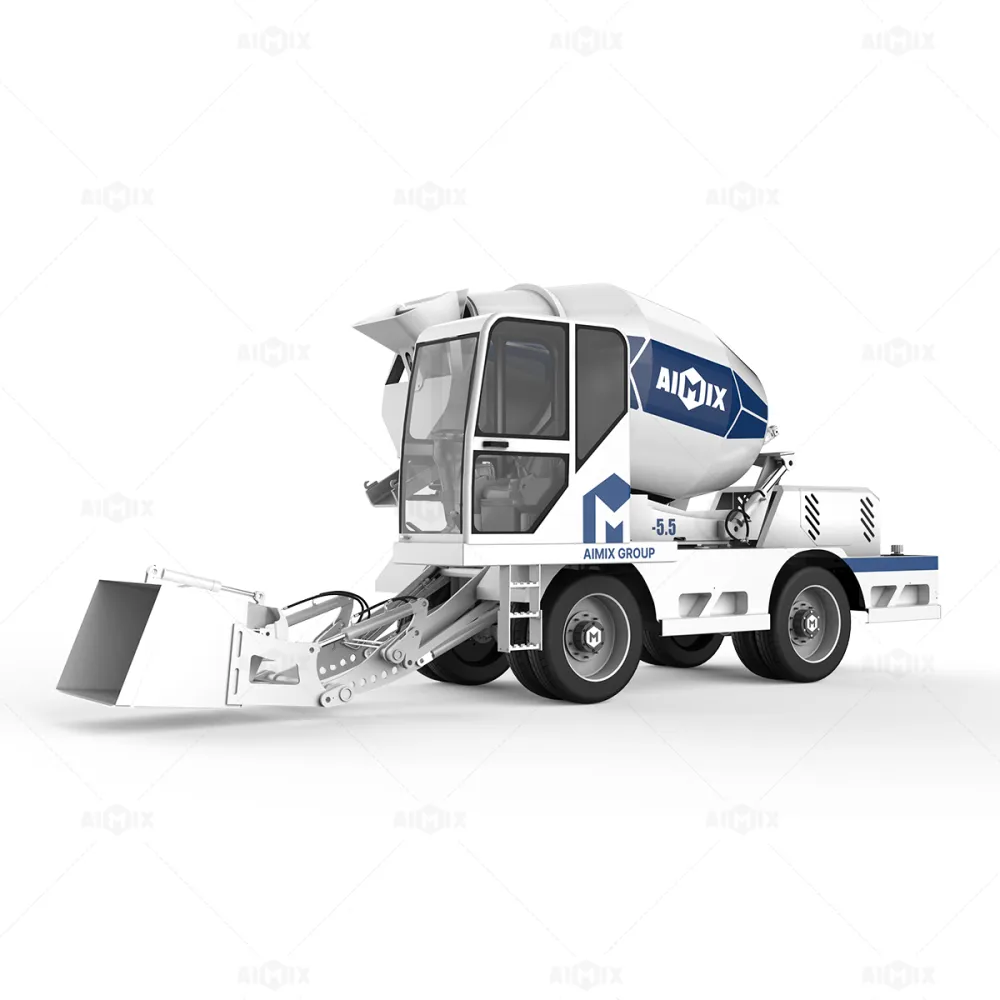
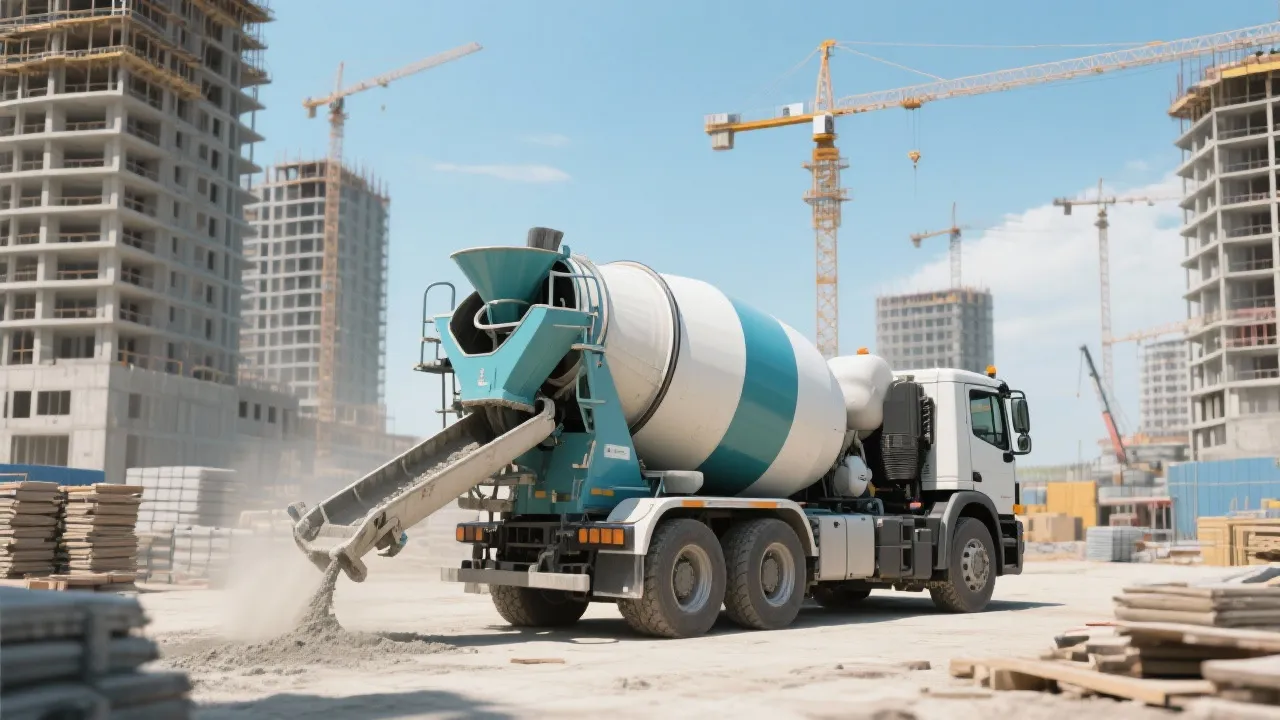
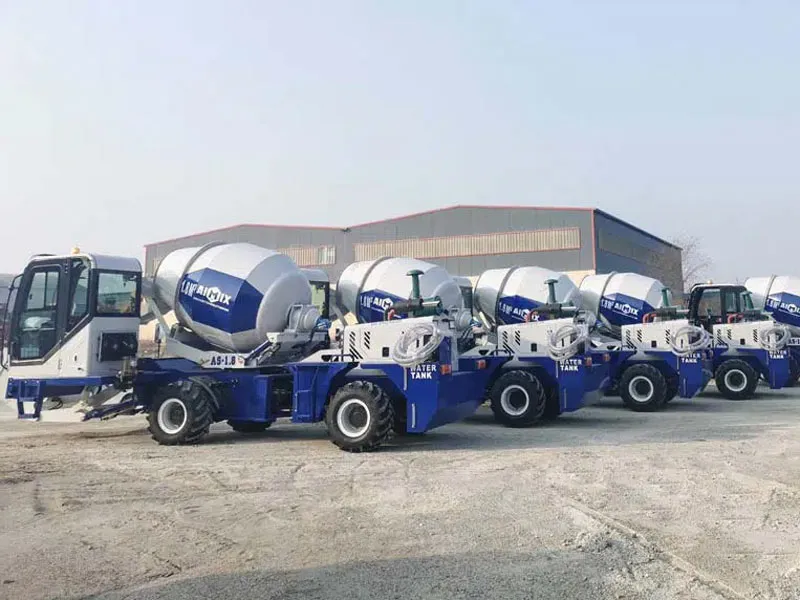
With the continued advancement of the "dual carbon" goals, China's construction machinery industry is accelerating its transformation towards green and low-carbon development. According to data from the "2024 China New Energy Commercial Vehicle Development White Paper," by the end of 2024, the market penetration rate of new energy concrete mixer trucks had exceeded 12%, and is expected to jump to 23% by 2026—meaning that nearly one in every four newly purchased concrete mixer trucks will be an electric model.
Behind this trend lies not only technological advancement and cost reduction, but also the continued release of national and local policy dividends. For engineering companies, transportation companies, and fleet managers, understanding key policy trends in advance can not only save on procurement budgets but also mitigate compliance risks in future operations.
Currently, over 30 cities across China have implemented diesel vehicle restriction policies, such as Beijing, Shanghai, and Guangzhou, which restrict high-emission vehicles during morning and evening rush hours. However, new energy concrete mixer trucks generally enjoy "priority road rights"—for example, Shenzhen explicitly allows electric concrete mixer trucks to travel during prohibited hours; Hangzhou has granted additional operating hours authorization for new energy dump trucks.
It is recommended that purchasers prioritize vehicle models with local certification qualifications to ensure that the vehicles can be directly connected to the city's intelligent transportation system, thereby improving dispatch efficiency and attendance rate.
According to the latest notice from the Ministry of Industry and Information Technology, new energy concrete mixer trucks purchased before 2025 can enjoy local government subsidies of up to 30,000 yuan per vehicle (in some provinces, this can be combined with central government subsidies, reaching up to 50,000 yuan). Meanwhile, electric vehicles that meet the National VI emission standard are exempt from purchase tax, saving approximately 12,000 yuan per vehicle in taxes.
Note: When applying, you need to provide the vehicle certificate of conformity, battery conformity certificate and third-party test report. It is recommended to prepare a checklist of materials in advance to avoid missing out on discounts due to incomplete documents.
Starting in 2025, housing and construction departments in many regions have required construction companies to submit carbon emission accounting reports for their projects, with transportation accounting for as much as 35%. If non-new energy vehicles are used, it will not only affect the green construction site rating, but may also lead to the site being included in a key supervision list.
When purchasing a vehicle, be sure to confirm whether it supports OTA remote uploading of carbon emission data and provides a complete lifecycle carbon footprint tracking service – this will become your hard currency when participating in government bidding projects in the future.
Take action now and seize the window of opportunity for policy benefits!
We offer new energy mixer truck solutions that meet the latest policy standards for 2026, including subsidy application guidance, carbon emission management tools, and localized after-sales support.
Get a customized procurement solution now