Urban construction is facing a critical challenge: as cities grow upwards and available space shrinks, traditional concrete mixing solutions are struggling to keep pace. According to a 2023 report by the International Construction Equipment Association, urban construction sites have decreased in average size by 34% over the past decade, while project timelines have shortened by an average of 22%. This double pressure has made compact, efficient concrete mixing equipment not just a convenience, but a necessity for modern construction projects.
Industry Insight:
Urban construction projects now lose an estimated 15-20% of productive time due to equipment maneuverability issues in confined spaces, according to Construction Efficiency Research Institute data.
Contractors operating in urban environments face a unique set of obstacles that directly impact project efficiency and profitability:
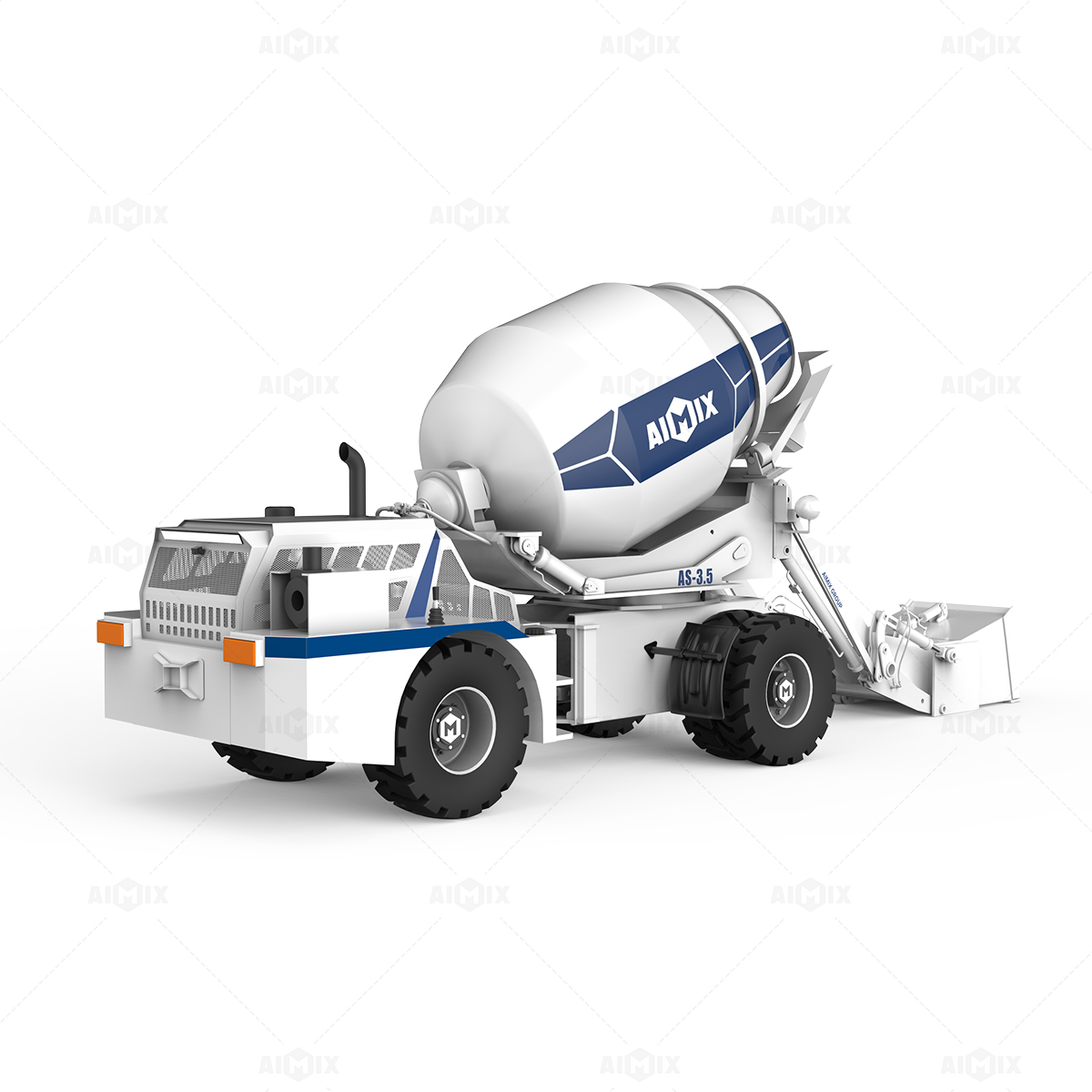
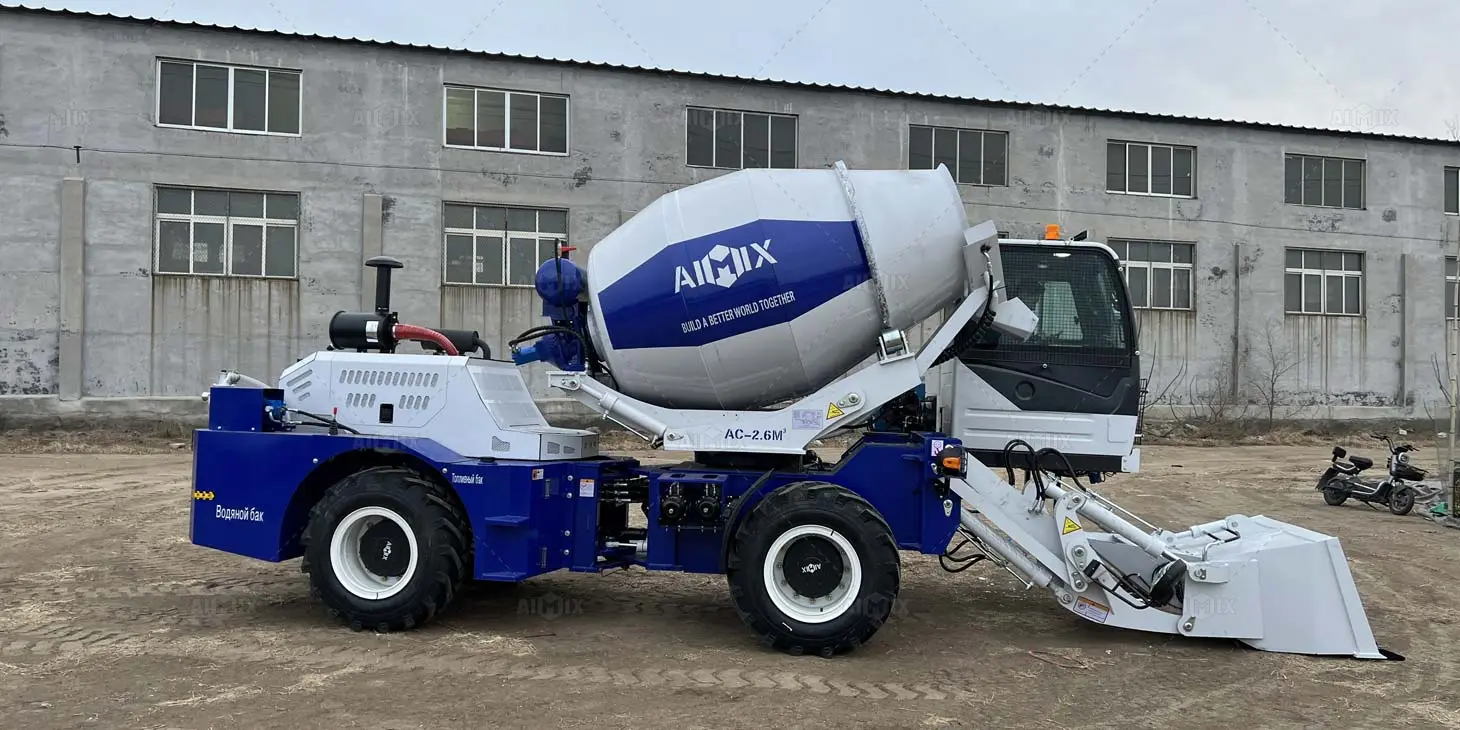
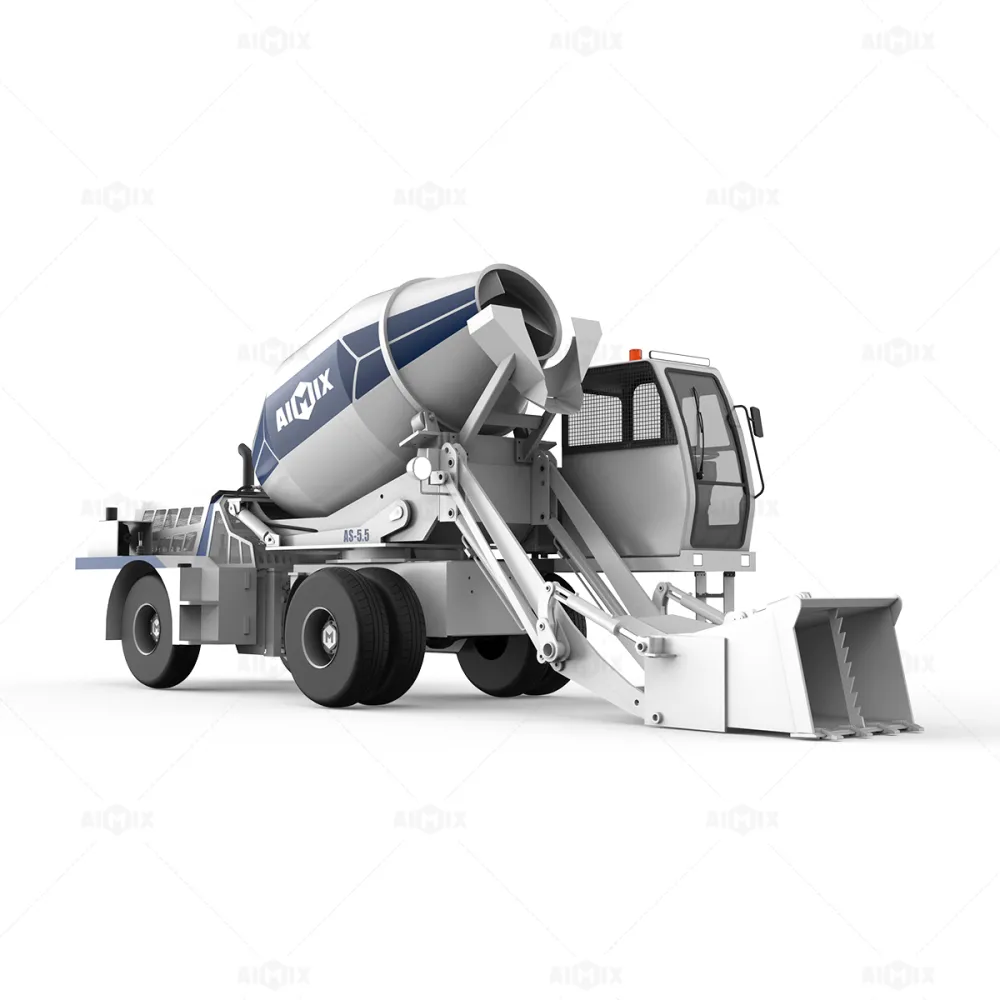
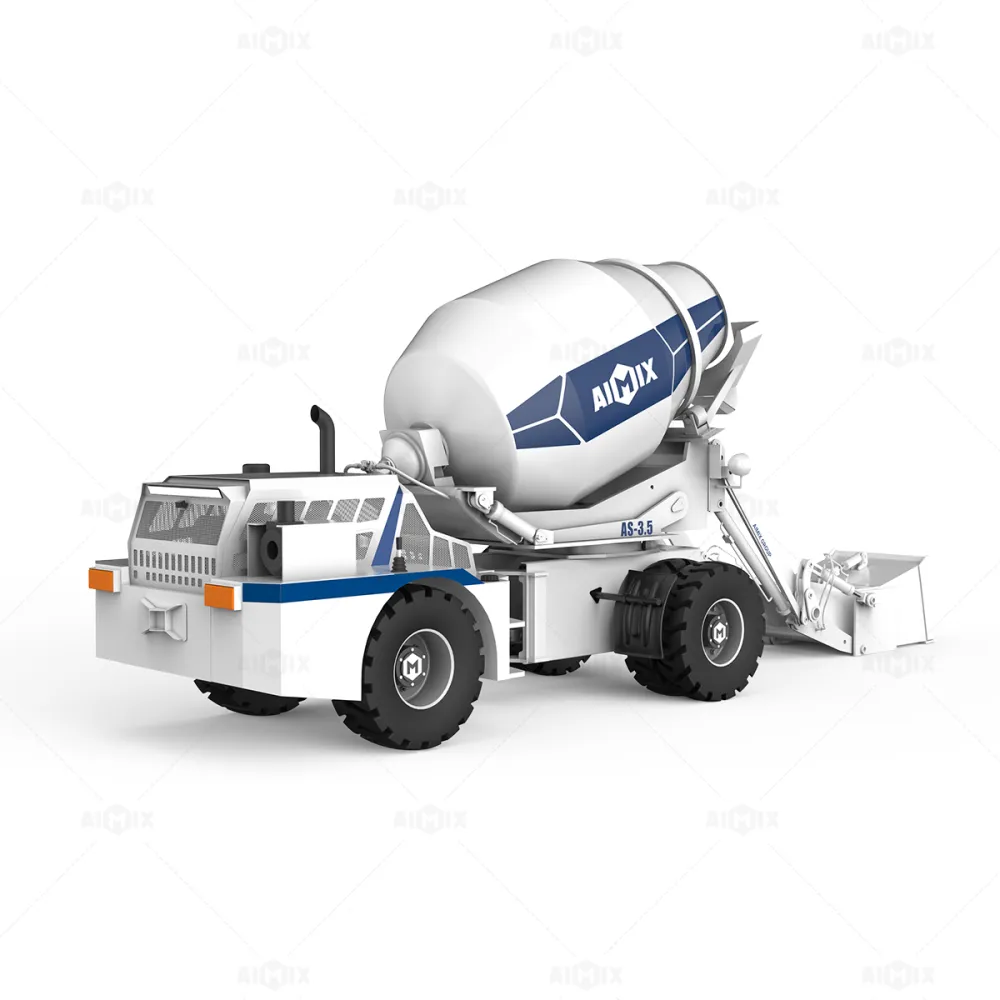
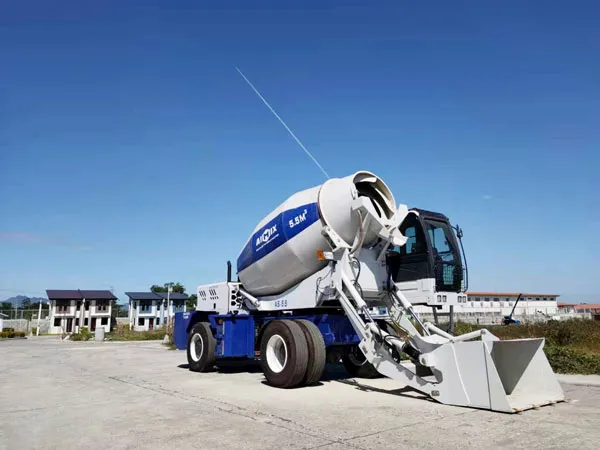
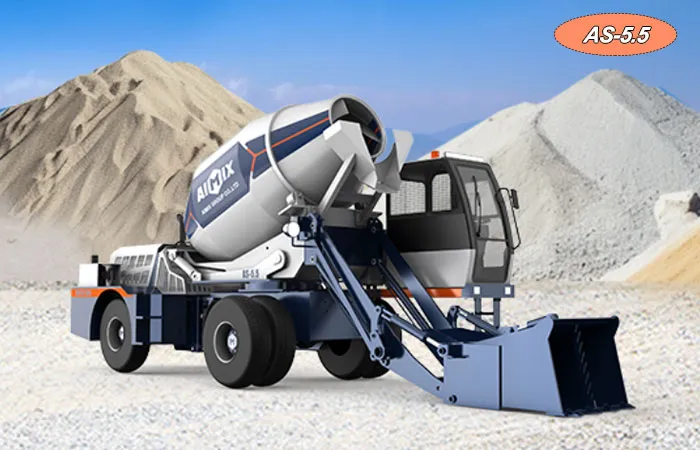
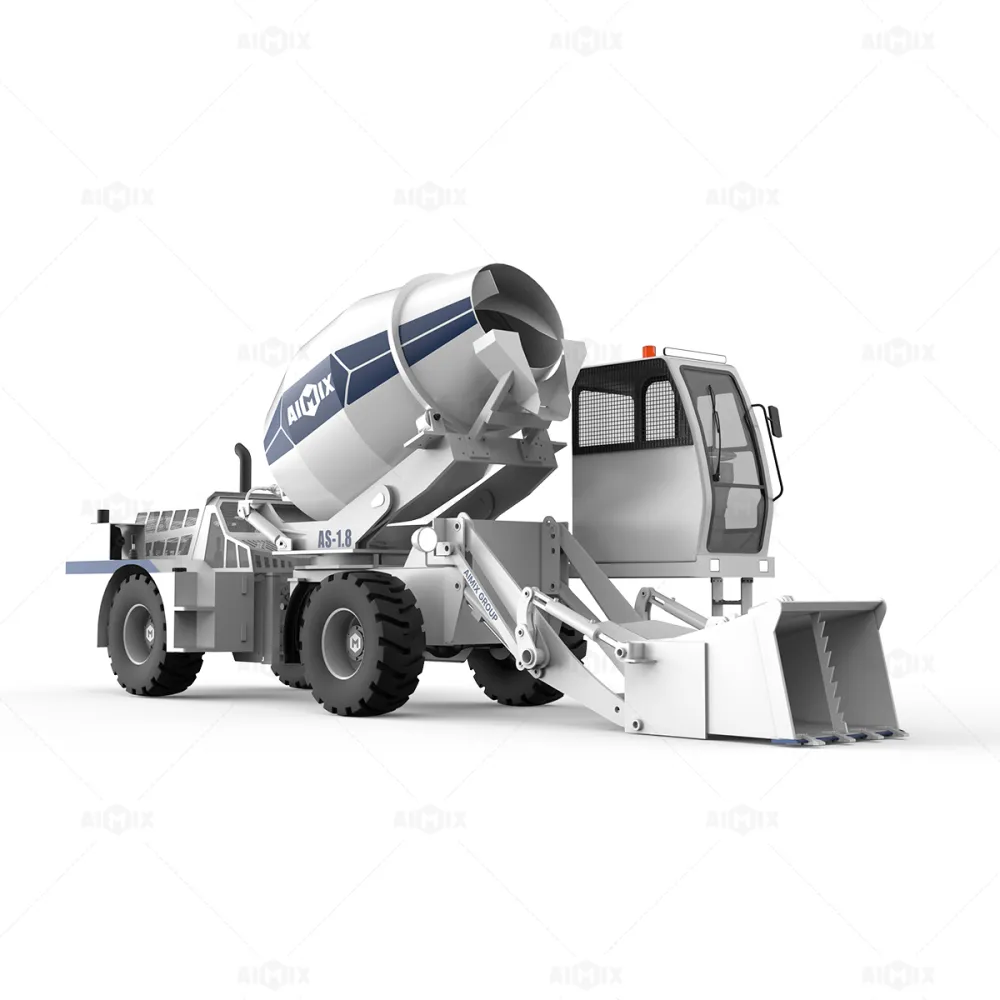
The 5.5 cubic meter self-loading concrete mixer has emerged as an optimal solution for these urban challenges, offering a unique combination of compact design and performance capabilities:
With turning radii as tight as 5.8 meters and overall lengths under 7 meters, these compact mixers can navigate spaces traditional mixers cannot access, reducing material transportation time by up to 40% on confined sites.
Requiring up to 60% less operating space than conventional mixing setups, these units eliminate the need for dedicated mixing zones, freeing up valuable space for other critical operations.
Self-loading capabilities eliminate the need for separate loaders and additional equipment, reducing workforce requirements by an average of 2-3 personnel per shift while increasing operational efficiency.
On-site mixing capabilities ensure a steady concrete supply with minimal waste, typically reducing material losses by 15-20% compared to traditional delivery methods.
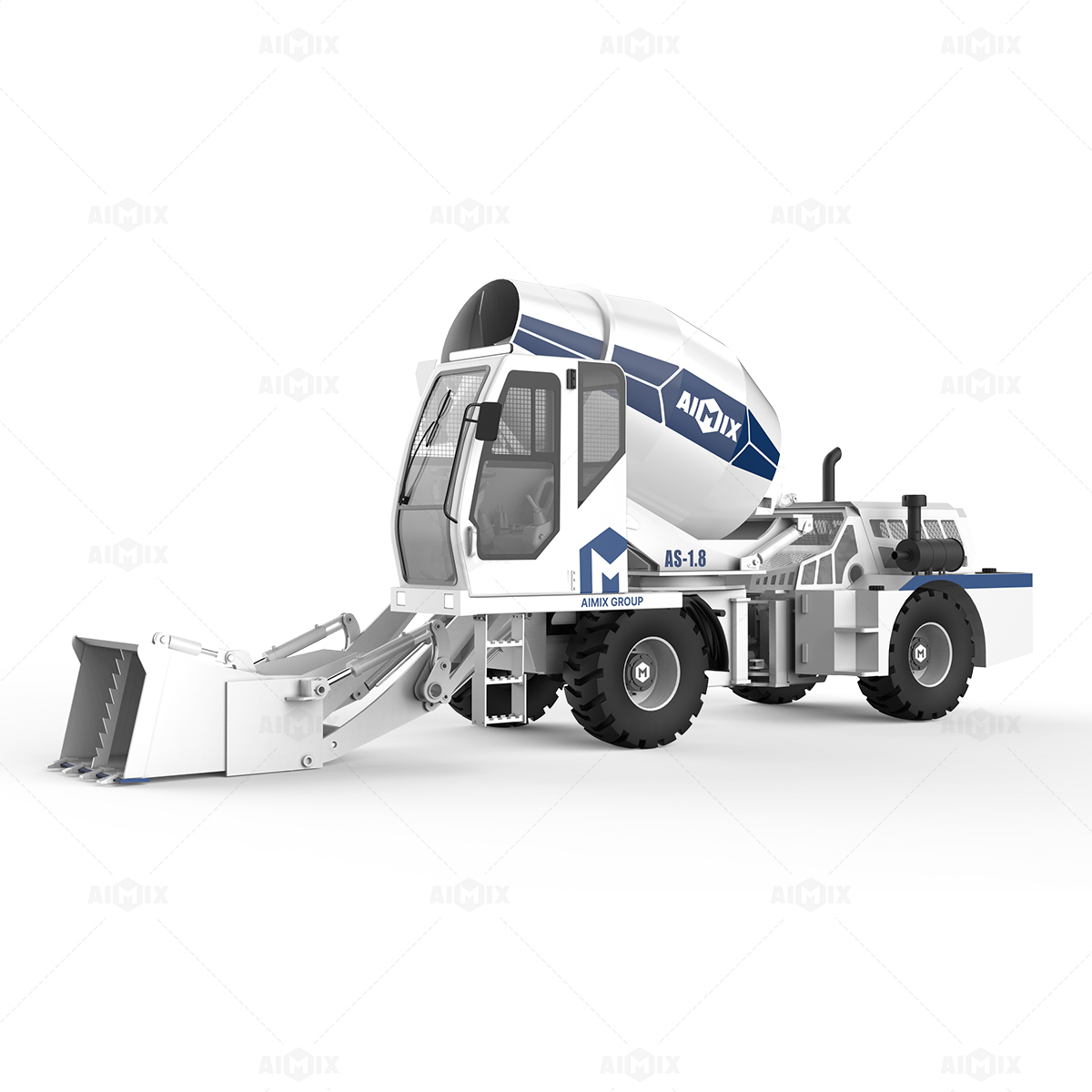
Selecting the right mixer capacity involves careful analysis of project requirements. A general guideline is to match the mixer capacity to the average hourly concrete demand, allowing for a 15-20% buffer to accommodate peak demand periods.
| Project Type | Daily Concrete Requirement | Optimal Mixer Capacity |
|---|---|---|
| Residential Renovations | 10-30 m³ | 3.5-5.5 m³ |
| Mid-Rise Construction | 30-80 m³ | 5.5-7.5 m³ |
| Infrastructure Projects | 80+ m³ | 7.5+ m³ |
When selecting compact concrete mixing equipment, certification to international standards is non-negotiable. ISO 9001 certification ensures consistent quality management, while CE marking confirms compliance with European safety, health, and environmental protection requirements.
Additionally, look for equipment that meets specific industry standards such as EN 12697-2 for concrete mixers, which establishes performance requirements and test methods for concrete mixing plants.
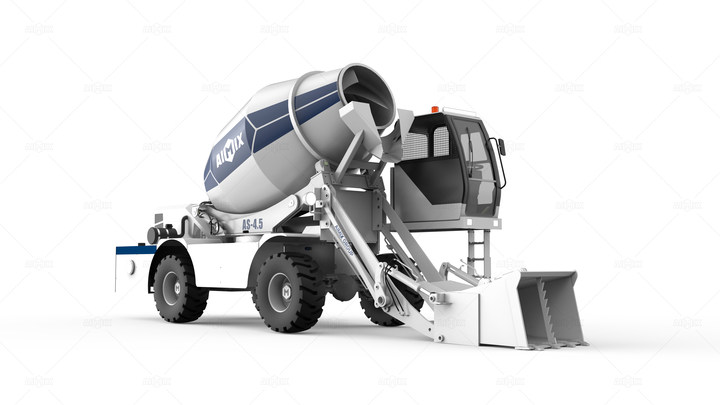
A recent urban renewal project in central London demonstrates the transformative impact of compact self-loading mixers. The project involved the renovation of a 1960s apartment complex with extremely limited access and working space.
Project Results:
The project manager noted: "The compact mixer transformed our approach to concrete supply. We were able to maintain continuous pouring operations in spaces that would have been impossible with traditional equipment, significantly reducing our dependency on external concrete deliveries and their associated delays."
Download our comprehensive Urban Construction Equipment Selection Guide to discover how compact self-loading mixers can address your specific project challenges.
Get Your Free Guide NowAs urban construction continues to evolve in complexity, the equipment choices contractors make will increasingly determine their competitive advantage. Compact self-loading concrete mixers represent not just a equipment purchase, but a strategic investment in operational flexibility, efficiency, and project profitability in the challenging urban environment.

.jpg?x-oss-process=image/resize,h_1000,m_lfit/format,webp)


.jpg?x-oss-process=image/resize,h_1000,m_lfit/format,webp)