Urban construction sites are facing increasingly tighter spatial constraints as land resources become scarce. Construction teams tasked with mixing concrete on narrow sites must overcome limited maneuvering space, labor shortages, and tight project schedules. An optimized concrete mixer truck specifically designed for such restricted environments proves critical for enhancing productivity and ensuring quality outcomes.
Narrow urban work zones often measure less than 10 meters in width, severely limiting vehicle movement. Traditional large-scale mixing equipment struggles to operate effectively without disrupting adjacent sites or traffic flow. Additionally, compressed timelines amplify pressures on labor force efficiency, making every minute saved on material mixing a valuable gain. Site managers frequently encounter:
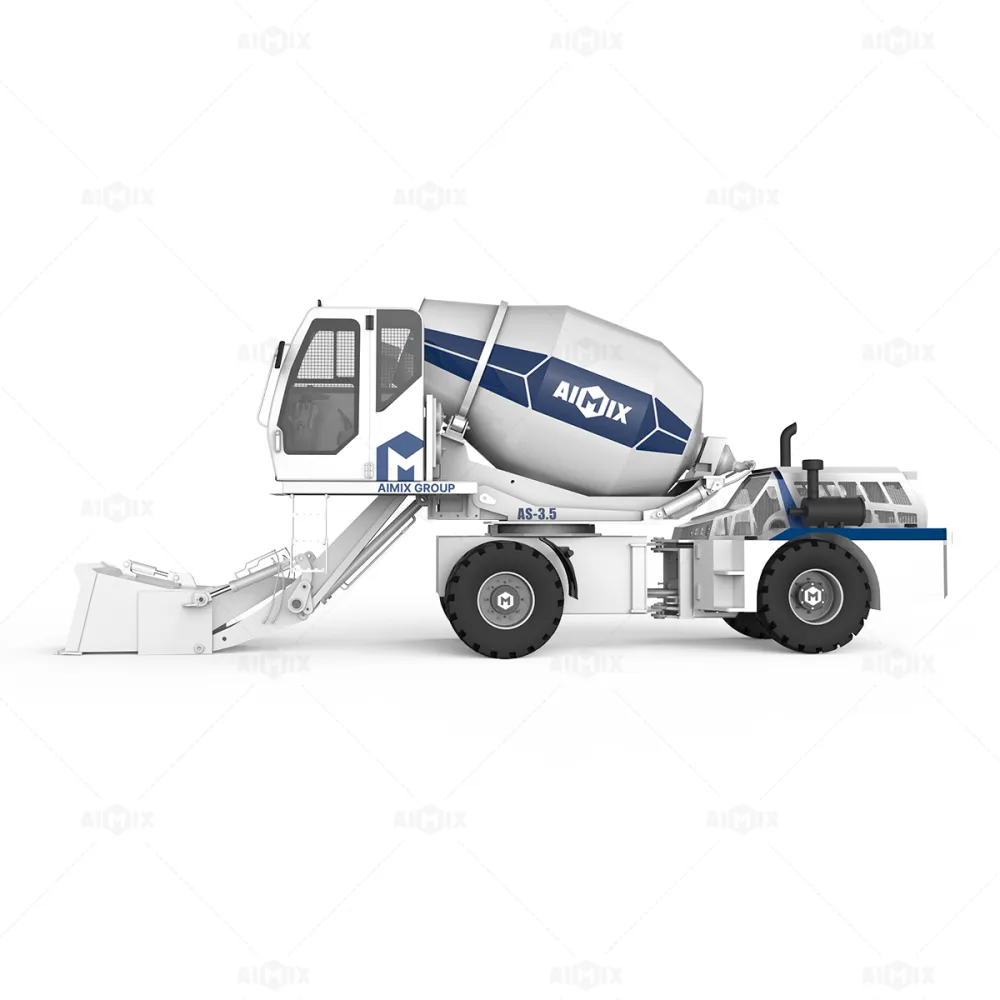
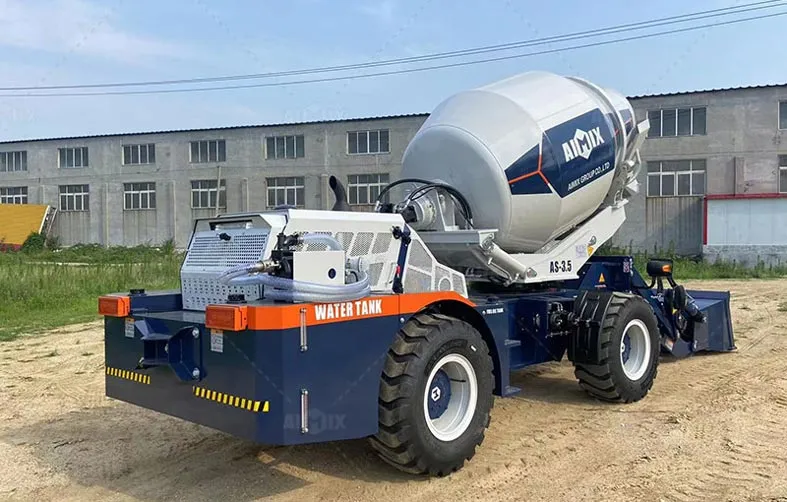
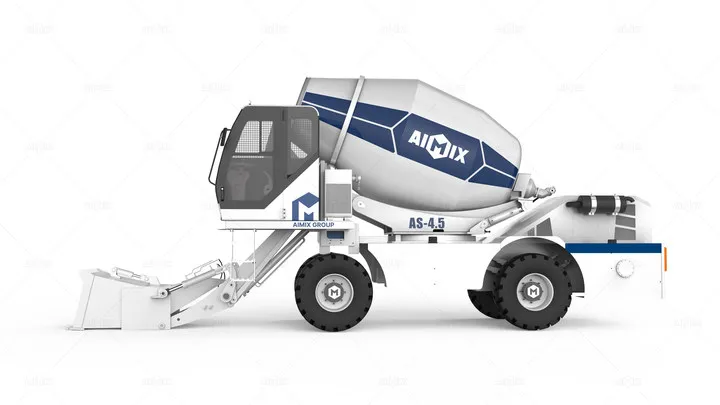
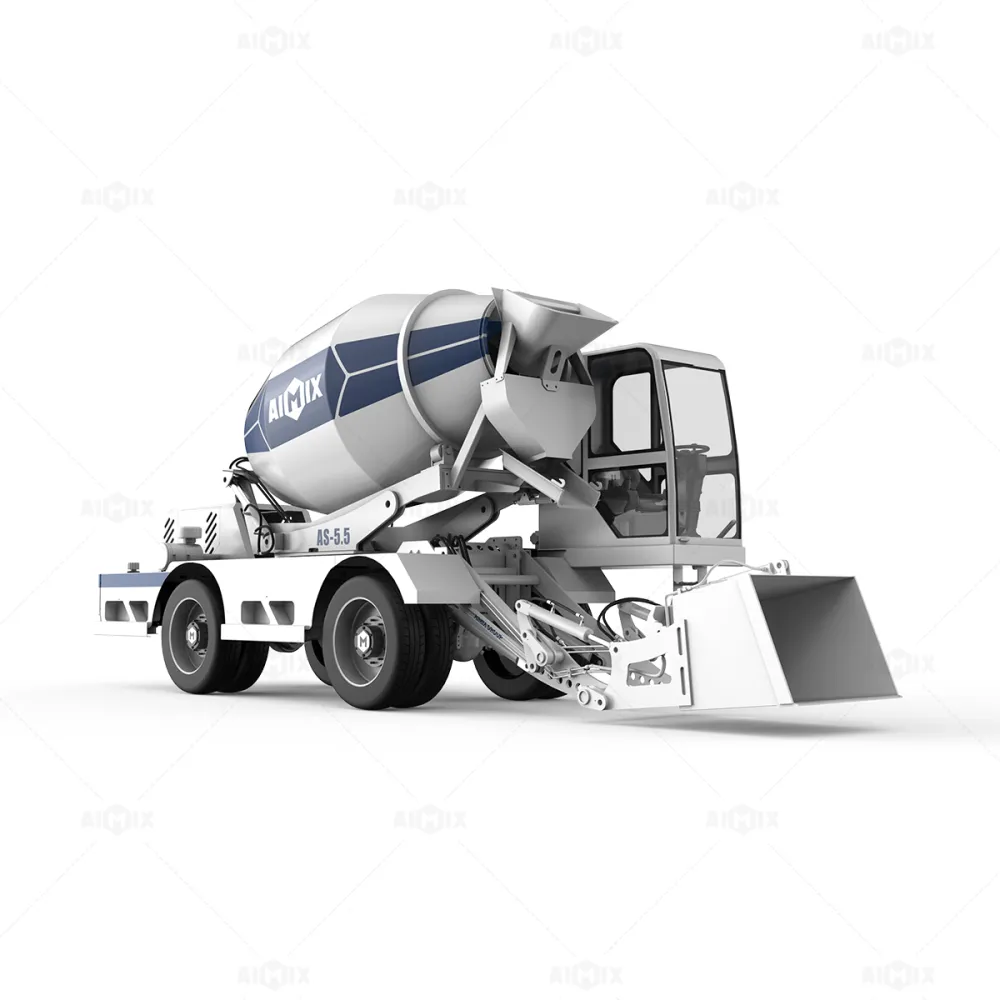
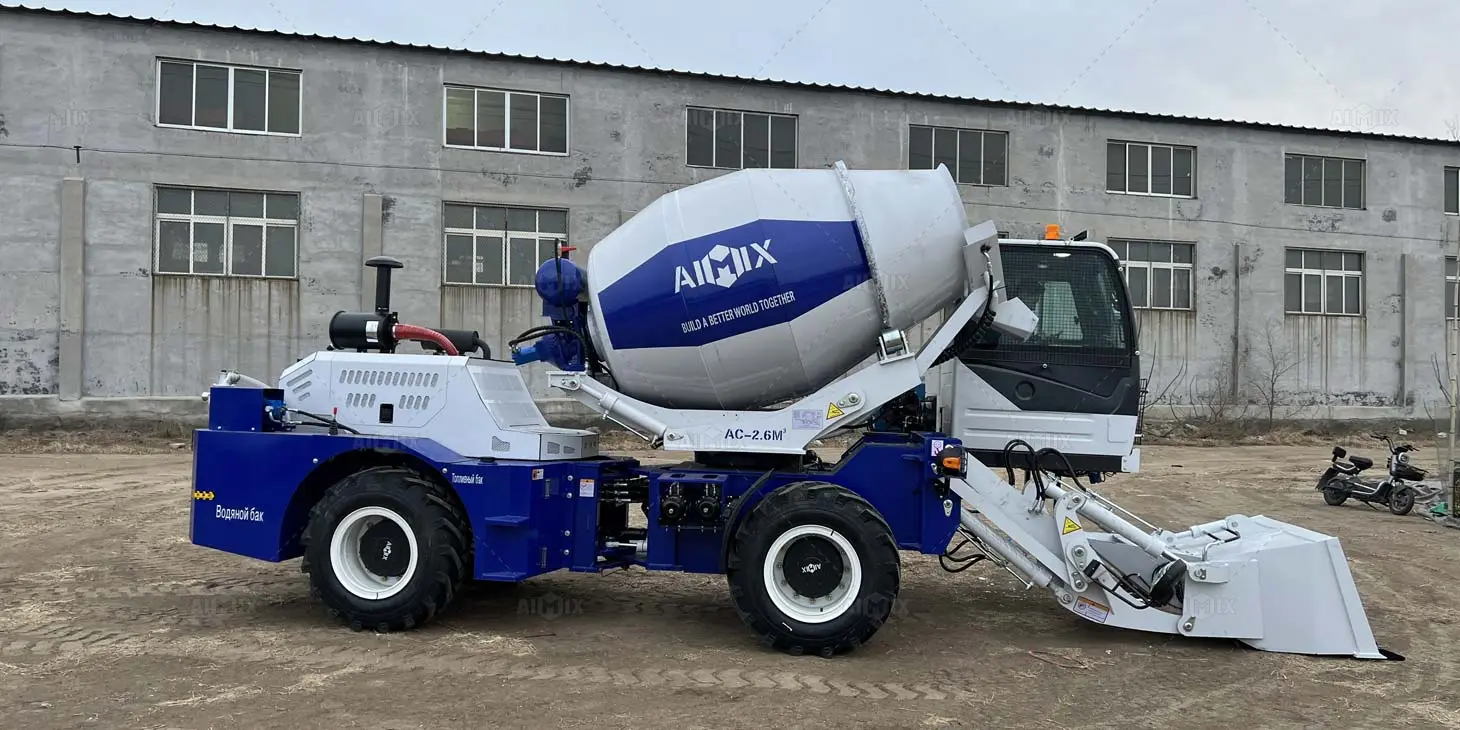
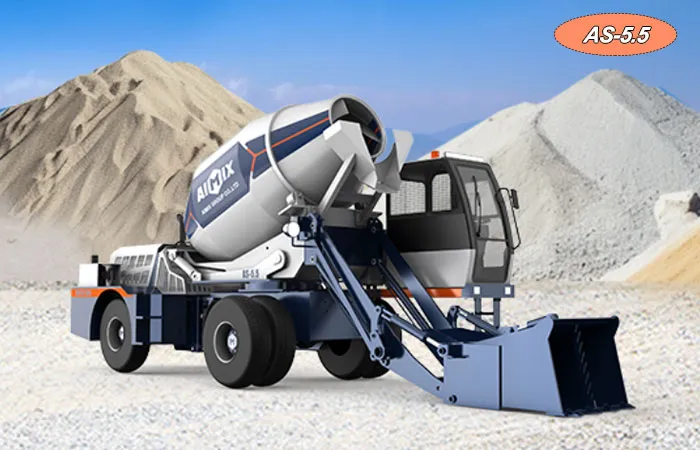
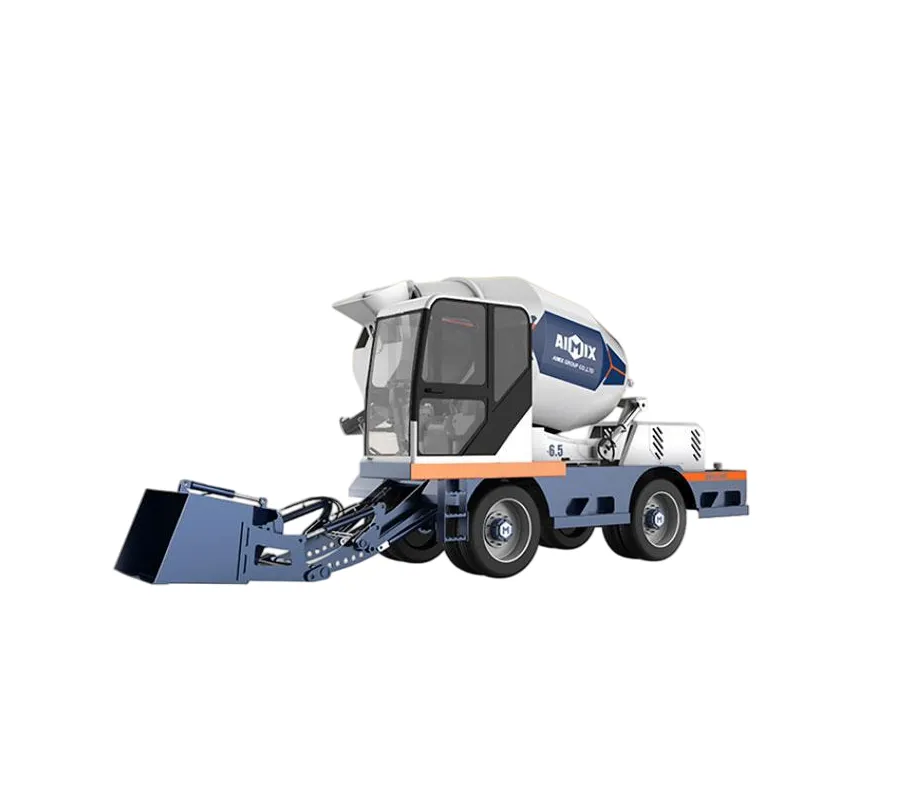
The AS-5.5 self-loading concrete mixer by Henan National Mikos Technology Co., Ltd. exemplifies innovations tailored for narrow site conditions. Its compact chassis design, flexible steering mechanism, and user-friendly controls provide distinct operational advantages:
| Feature | Small Mobile Mixing Station | Self-Loading Concrete Mixer Truck (AS-5.5) |
|---|---|---|
| Space Requirement | Requires dedicated area (≥15m²) | Operates in very tight spaces (<10m width) |
| Operator Dependency | Needs multiple staff for loading, mixing, transport | Single operator controls loading, mixing, and transport |
| Batch Flexibility | Batch sizes fixed by station capacity | Variable batch volume up to 5.5 m³ per load |
| Setup & Mobility | Requires time-consuming setup and dismantling | Instant movement and operation without setup |
Determining the appropriate mixer truck capacity depends chiefly on site area and concrete daily output targets. For urban parcels smaller than 200 m² and daily concrete needs under 30 m³, a 5.5 m³ mixer like the AS-5.5 offers the best balance between maneuverability and volume.
When calculating daily batch requirements, consider the following formula:
Daily Batches = (Daily Concrete Volume in m³) ÷ (Mixer Capacity in m³)
For instance, a 5.5 m³ mixer completing 6 loads per day delivers 33 m³, matching typical urban construction demands. Adjust batch frequency according to worksite schedule constraints.
Compliance with ISO 9001 quality management and CE safety certifications ensures that the mixer trucks meet rigorous performance and safety standards, critical for risk mitigation on complex urban projects.
The AS-5.5’s successful implementation in multiple high-density construction projects in Henan Province demonstrated tangible productivity gains—reducing concrete delivery time by approximately 30% compared to conventional mobile stations, resulting in tangible cost savings and improved project timeline adherence.