Producing Uniform High-Strength Concrete with a 2.6 Cubic Meter Mixer Using Southeast Asian Aggregates
10 04,2026
Application Tips
This article provides a detailed practical guide for construction teams and technicians new to the industry on producing uniform and high-strength concrete using a 2.6 cubic meter mixer with Southeast Asian aggregate characteristics. It systematically breaks down three critical steps: raw material proportion control, optimized batching sequence, and mixing time settings. Addressing common issues such as high mud content in local river sand, the guide offers actionable adjustment tips and on-site testing methods. Enhanced with clear visuals and video demonstrations, it helps users master standardized workflows, effectively prevent segregation, ensure concrete quality compliance, and improve construction quality and production efficiency.

How to Produce Uniform, High-Strength Concrete with a 2.6 Cubic Meter Mixer in Southeast Asia
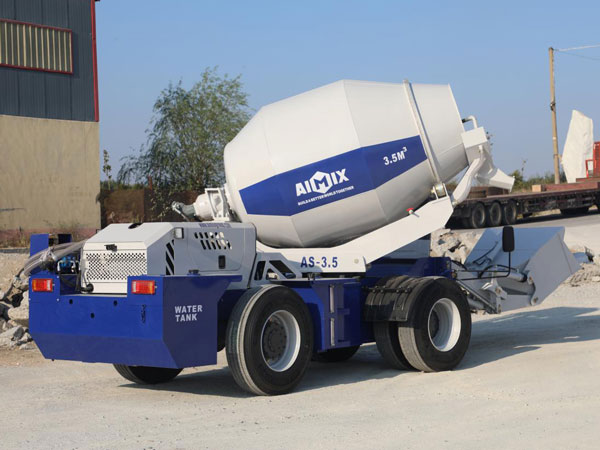
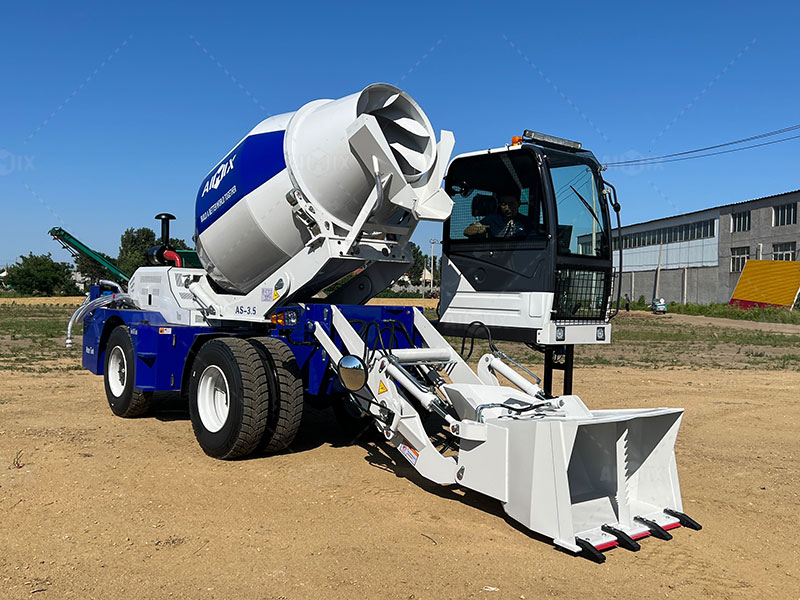
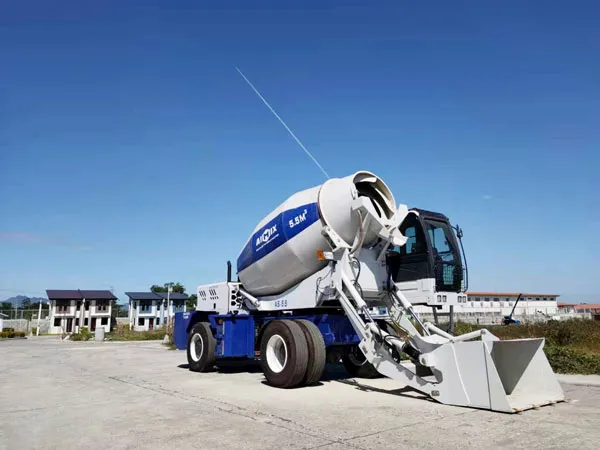
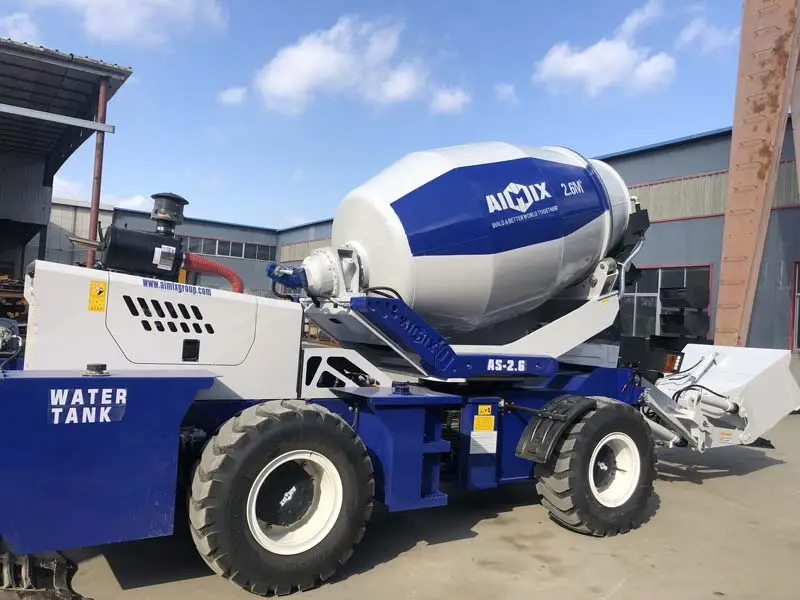
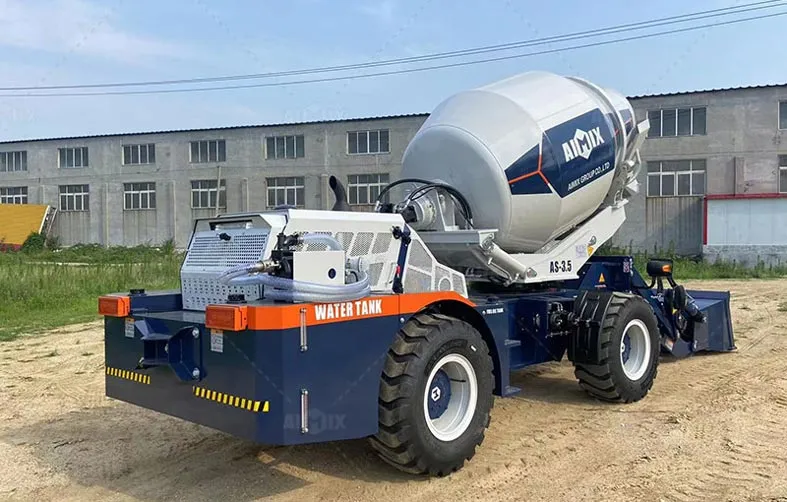
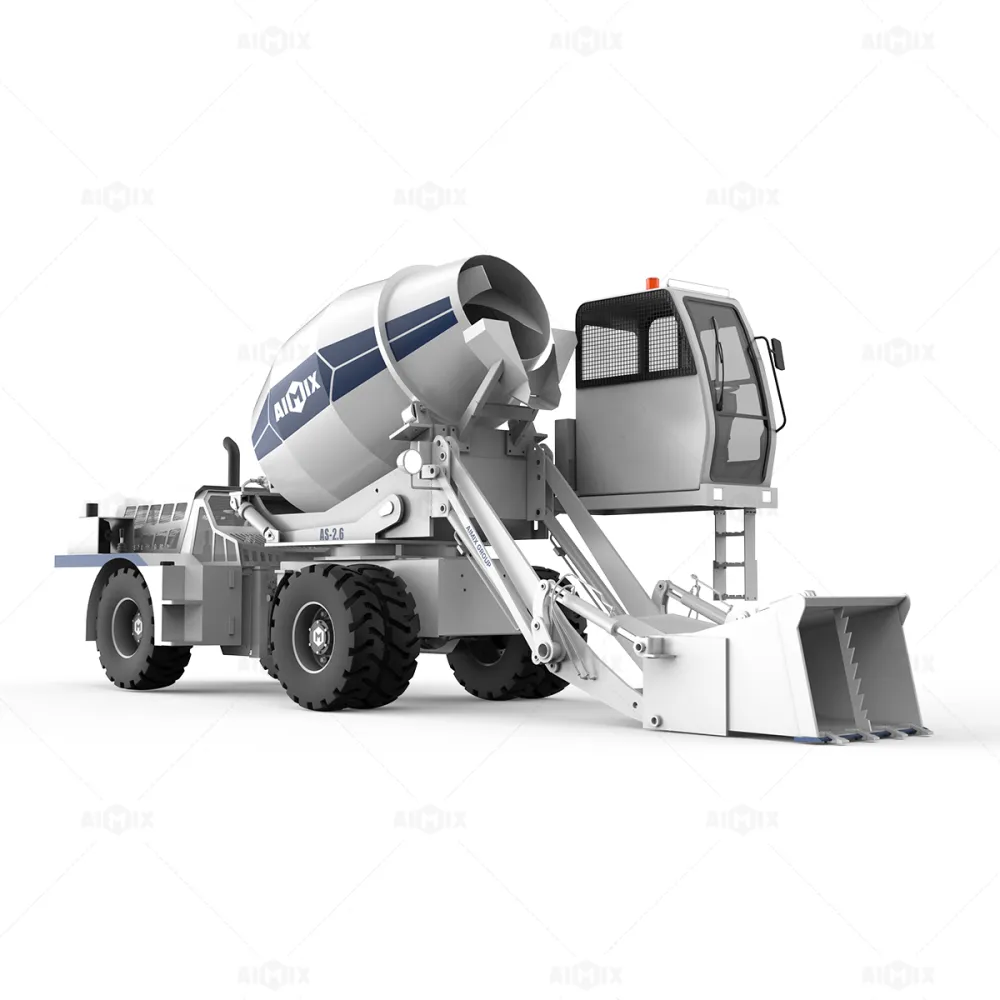
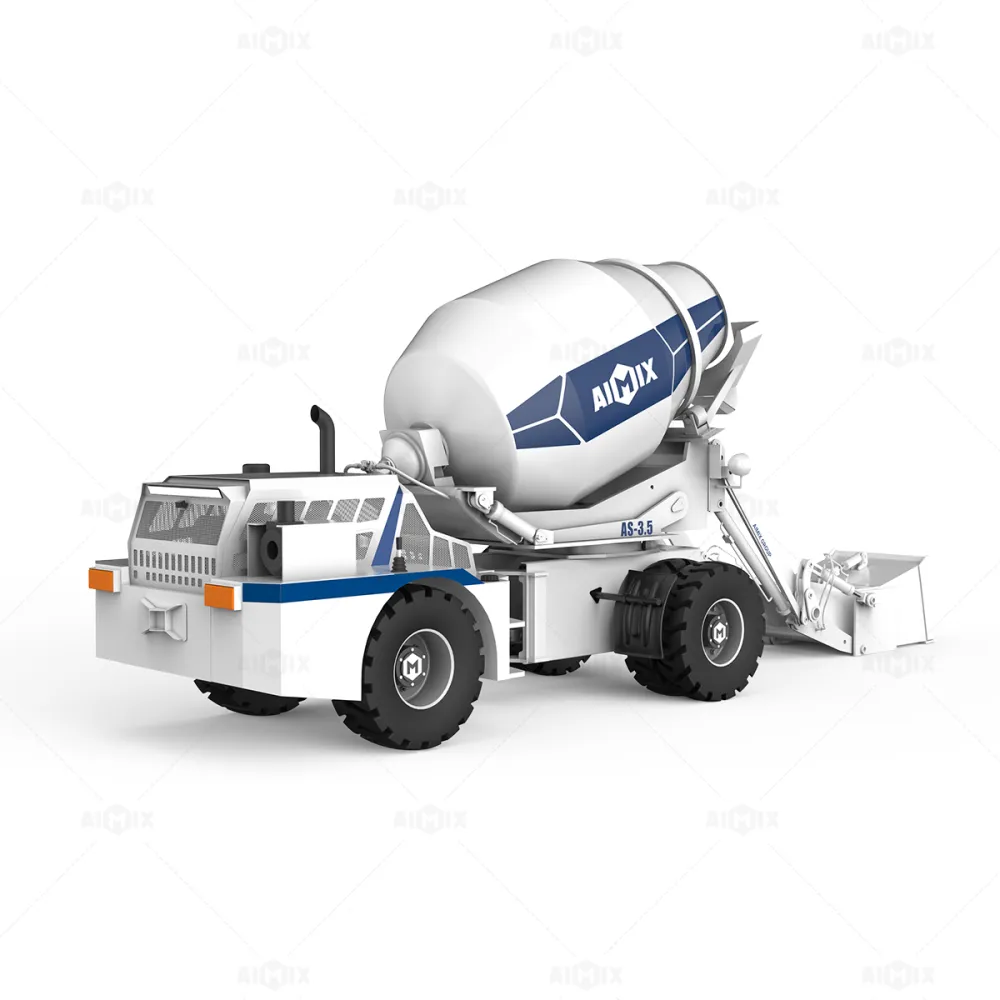
Producing high-quality concrete consistently is critical for construction projects, especially within regions such as Southeast Asia where aggregate properties require special attention. The 2.6 cubic meter concrete mixer stands out as an ideal choice for medium to small-scale worksites, balancing capacity with efficient mixing performance. This guide, provided by AIMIX, delineates practical techniques to optimize the concrete mixing process under local conditions, focusing on key parameters like material proportioning, loading sequence, and mixing duration to ensure uniformity and strength.
Understanding Southeast Asian Aggregates and Their Challenges
One major obstacle for contractors in this region is the high mud and clay content in river sand, which can negatively impact concrete uniformity and strength if not managed properly. Unlike standard aggregates used in other markets, Southeast Asian materials often demand adjusted water-cement ratios and thorough mixing cycles to break down fines and avoid segregation or excessive voids.
Step 1: Precise Raw Material Proportion Control
The foundation of producing high-strength concrete is an accurate and consistent raw material mix:
- Cement: Use high-quality Ordinary Portland Cement (OPC) with a target strength class of at least C30.
- Aggregates: Optimize sand and gravel grading to improve particle packing; for river sand with mud content over 5%, pre-washing or sand washing equipment is recommended.
- Water-Cement Ratio (w/c): Keep w/c between 0.40 and 0.45 for durability, adjusting towards lower ratios for higher strength demands but ensuring workability is preserved.
Controlling the proportions to within ±2% variability on-site drastically reduces batch inconsistencies and improves overall structural performance.
Step 2: Optimizing Loading Sequence for Improved Homogeneity
An often overlooked but impactful practice is the order in which materials are fed into the mixer drum. Following a scientific sequence enhances particle contact and reduces segregation risks.
- Add approximately half of the required water first to initiate initial wetting.
- Introduce cement powder slowly, allowing it to blend evenly with the moisture.
- Follow with fine aggregates (sand), gradually layering to avoid clumps.
- Add coarse aggregates (gravel) last to ensure even dispersion.
- Top off with the remaining water to adjust slump.
This procedure minimizes dry spots and enhances the uniform mixing of cement paste with aggregates, especially critical when dealing with high mud content sand.
Step 3: Setting Appropriate Mixing Time
Mixing duration directly influences the homogeneity of the batch. For a 2.6m3 mixer, follow these guidelines:
- Initial dry mixing (aggregates + cement powder) for 30 seconds to 1 minute.
- Wet mixing (with water) for 2 to 3 minutes to ensure thorough coating of aggregates.
- Extended mixing up to 3.5 minutes may be required if sand mud content exceeds 7%.
Avoid overmixing as it can lead to premature hydration and segregation, but under mixing risks uneven distribution of cementitious material.
Quality Control Methods Specific to Southeast Asian Conditions
To verify the batch quality and consistency, onsite rapid testing is essential:
- Slump Test: Target slump value between 75-100 mm for balanced workability and strength.
- Concrete Sampling: Take representative samples for compressive strength tests (typically 7-day and 28-day).
- Visual Inspection: Check for signs of segregation, bleeding, or surface cracking immediately after mixing.
Additionally, post-pouring curing protocols—like maintaining moisture for at least 7 days—are vital to achieving the intended strength and durability.
Advantages of Using AIMIX 2.6m³ Concrete Mixers
AIMIX's 2.6 cubic meter mixers provide several benefits suited for Southeast Asia’s construction needs:
- Optimized drum geometry for thorough mixing and minimal material residue.
- Robust construction adaptable for abrasive local aggregates with high mud fines.
- Efficient hydraulic or electric mechanisms allowing precise speed control for mixing time optimization.
- Portability and ease of maintenance for mid-sized worksite flexibility.
These features collectively support adherence to best practices in concrete mixing tutorials and enhance mixer operating skills critical for uniform batch quality.