Key Techniques to Optimize Concrete Pouring Accuracy: Practical Guide to Mixer Drum Rotation Angle Settings

11 03,2026
AIMIX
Technical knowledge
Improper rotation angle settings of mixer drums frequently cause concrete pouring inaccuracies, pumping blockages, and equipment damage. This article provides a detailed guide on how to set the mixer drum tilt angle—recommended between 30° and 90°—based on on-site terrain, formwork layout, and pump truck coordination for precise targeted discharge. It addresses common operational errors such as high-speed rotation without stabilization before movement, and offers a standardized SOP to help your team improve efficiency and safety. Integrating the AS-4.5 mixer’s fully automatic loading system and low-noise cab design, the paper explains the collaborative control logic, delivering practical technical insights for high-quality concrete formation on medium-sized construction sites.
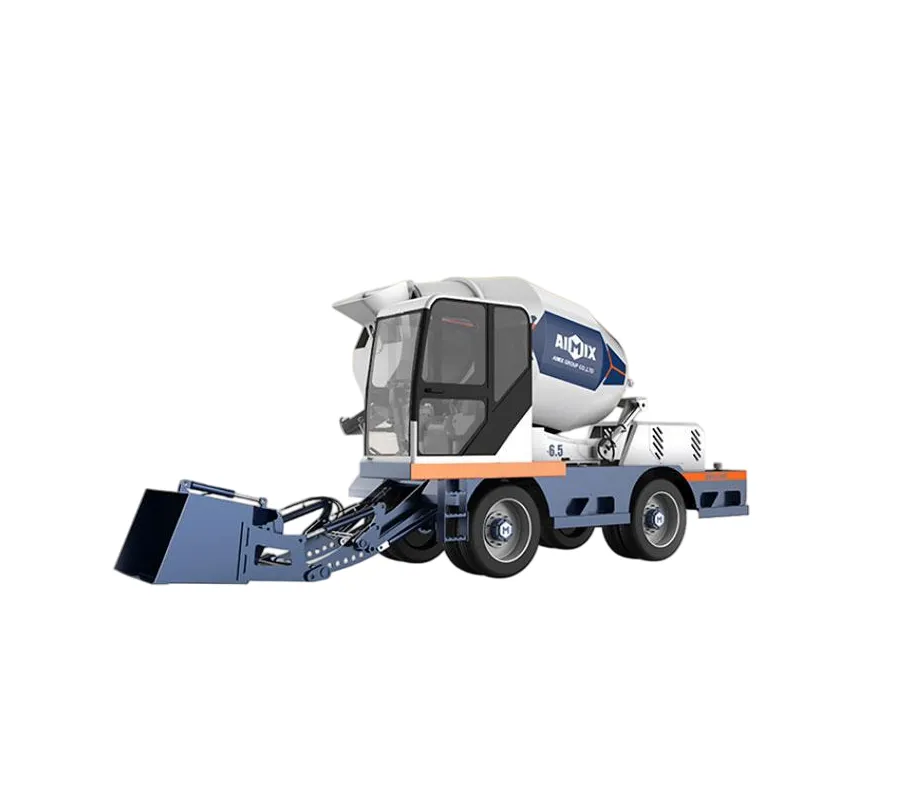
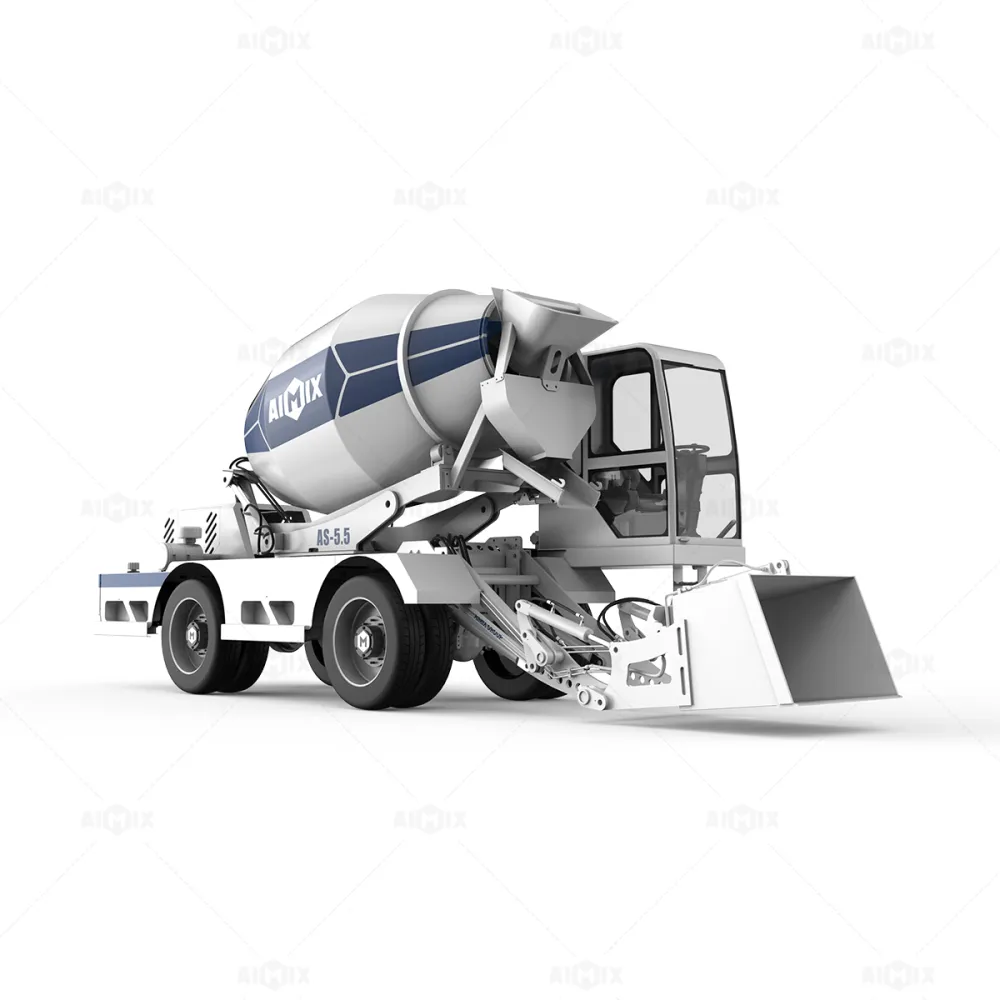
Diagram showing optimal mixer drum rotation angle ranges for different construction site scenarios

Optimizing Concrete Placement Precision: Your Guide to Proper Mixer Drum Rotation Angle

When working on-site with concrete placement, you must understand that improper mixer drum rotation angle is a critical source of errors. An incorrectly set rotation angle often causes concrete placement deviation, pump blockage, and even equipment damage. To consistently achieve pinpoint placement accuracy, you need to consider multiple factors—site terrain, formwork layout, and pump truck coordination—before deciding the drum tilt angle, which ideally ranges between 30° and 90°.

How Mixer Drum Rotation Affects Concrete Placement Accuracy

The rotation angle directly controls the direction and velocity at which concrete discharges from the mixer. Angles below 30° tend to cause uneven discharge and segregation, while angles above 90° are impractical and risk concrete spillover or mechanical strain. Maintaining a rotation angle within the recommended 30°–90° window ensures stabilized flow and accurate positioning.

Moreover, synchronized rotation speed and controlled mobility prevent premature shifting of the mixer before the drum settles, which could otherwise result in inconsistent pouring rates and damage to both the machinery and the formwork.

Typical Error Alert: Operators commonly rotate the drum at high speeds and move the mixer truck before the drum has fully stopped. This leads to concrete clogging in the chute and increases wear on drum bearings, reducing equipment lifespan by up to 15%.

Tailoring Rotation Angles for Different Site Conditions

Your choice of rotation angle should adapt dynamically to the job site’s spatial constraints:

  • Narrow Sites: Use a steeper angle (70°–90°) to ensure discharge falls directly inside tight formwork, minimizing the risk of spillage.
  • Dense Formwork Areas: Moderate angles between 50°–70° facilitate better control, helping you reduce concrete rebound and improve surface finish.
  • With Pump Truck Coordination: Adjust angles near 30°–50° to synchronize flow with the pump’s suction cycle, avoiding blockages and maintaining consistent pressure.

Remember, these ranges are starting points. You need to assess the exact terrain, weather, and workflow for fine calibration to boost placement precision.

Step-by-Step SOP for Standardized Mixer Drum Operation

Implementing a standardized operating procedure (SOP) improves site efficiency and safety. Follow these key steps:

  1. Confirm the target pour point and measure spatial constraints.
  2. Set the drum rotation angle to the calculated optimal value within 30°–90°.
  3. Start the rotation at low-medium speed; avoid abrupt changes.
  4. Wait until the drum rotation stabilizes before moving the mixer truck.
  5. Coordinate with pump truck operators for timing the pour.
  6. Monitor concrete flow and adjust drum speed or angle as necessary.
  7. After pouring, return drum to a safe neutral position and complete equipment checks.

Documenting these procedures onsite and training operators can reduce concrete wastage by up to 20% and lower the risk of equipment failure.

Diagram showing optimal mixer drum rotation angle ranges for different construction site scenarios

Leveraging AIMIX AS-4.5 Fully Automatic Loading System for Enhanced Precision

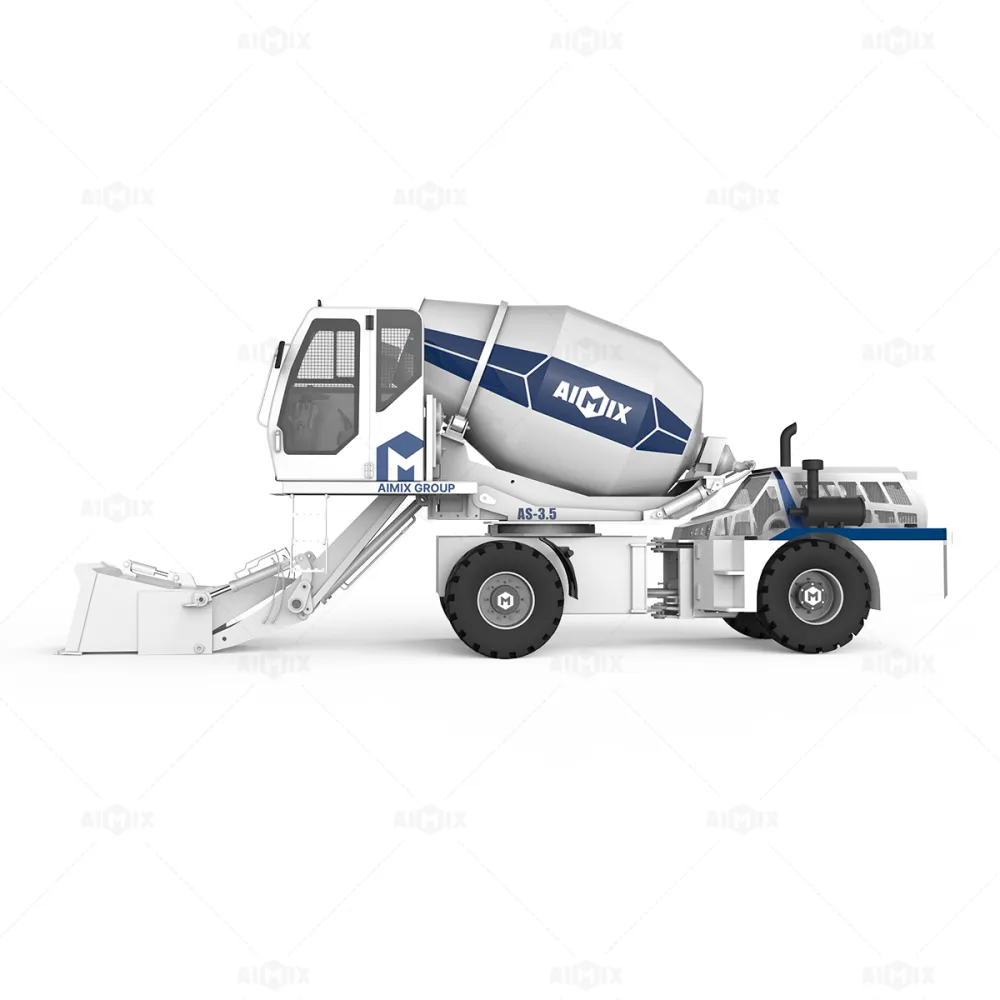
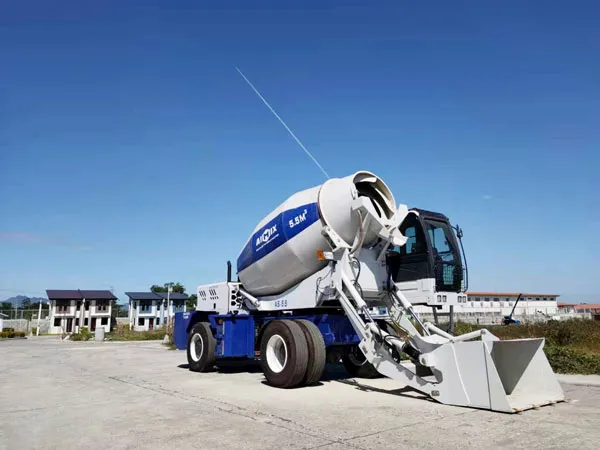
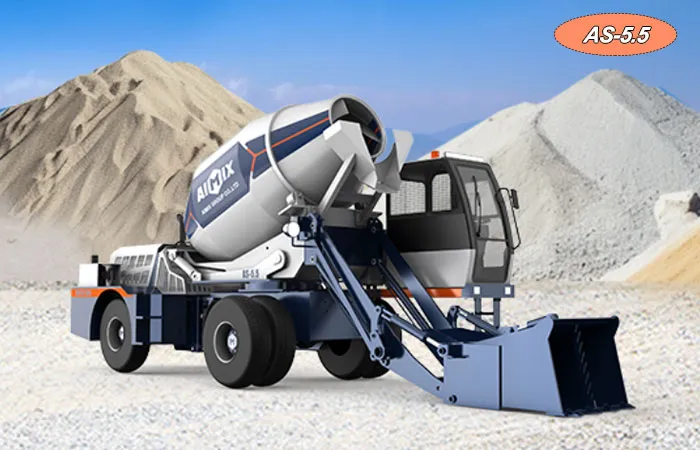
The AIMIX AS-4.5 concrete mixer integrates a fully automatic loading system paired with a low-noise driver's cabin, ensuring better operator visibility and control responsiveness. This combination enhances the coordination of drum rotation and material loading, providing consistent concrete quality and improved site safety.

Automated loading reduces human error in measuring materials, while the optimized cabin design minimizes operator fatigue, indirectly improving your drum rotation angle accuracy and concrete placement consistency. The system’s synchronized control logic allows you to maintain steady drum speeds and angles in varying operational contexts.
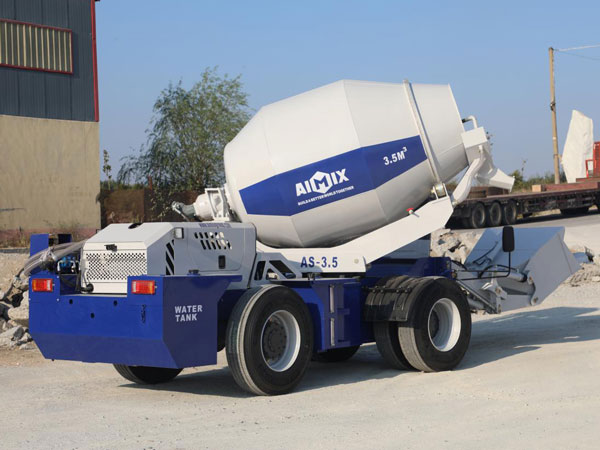
AIMIX AS-4.5 concrete mixer cabin showing ergonomic controls and enhanced visibility

Ensuring Safety and Efficiency with Optimized Mixer Drum Settings

By adhering strictly to the recommended drum tilt settings and operational SOPs, you not only improve concrete pouring precision but also safeguard your equipment and crew. Correct rotation angles help maintain hydraulic pressures within recommended limits, reduce concrete pump wear, and minimize site rework.

Empower your teams with hands-on training and digital guides referencing the AIMIX brand’s innovative control technologies for best practice implementation.
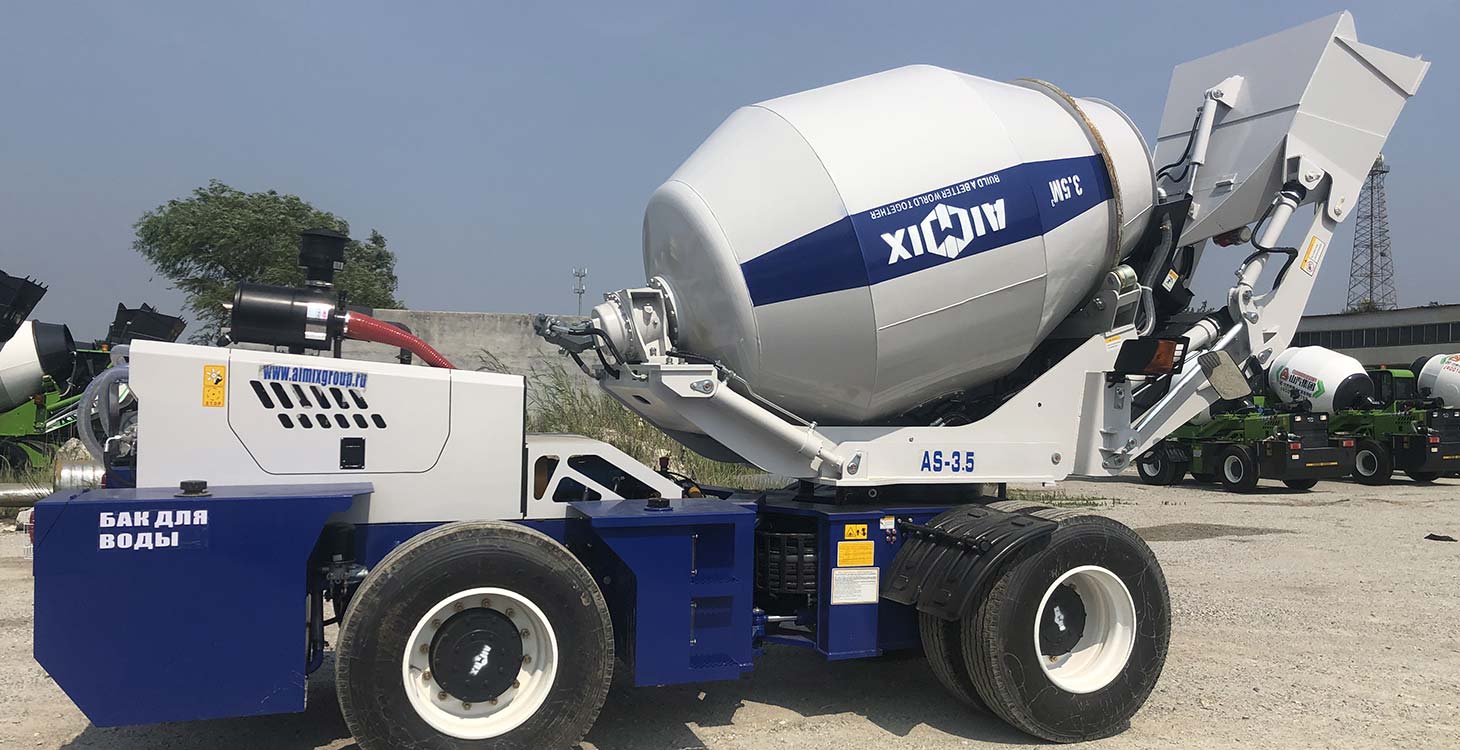
Standard Operating Procedure flowchart for mixer drum rotation and concrete pouring optimization
Name *
Email *
Message*

Recommended Products

Popular articles
Recommended Reading

Related Reading

Contact us
Contact us
https://shmuker.oss-accelerate.aliyuncs.com/tmp/temporary/60ec5bd7f8d5a86c84ef79f2/60ec5bdcf8d5a86c84ef7a9a/thumb-prev.png