Selecting the right concrete mixing equipment can directly impact project timelines, labor efficiency, and overall costs on mid-sized construction sites. Increasingly, contractors are favoring 4.5 cubic meter (m³) capacity mixers. But what makes this capacity the optimal balance between productivity and operational flexibility?
Misjudging mixer capacity often leads to underperformance or inflated costs. Choosing too small a mixer results in frequent batch cycles, increasing transportation runs and labor demands. Conversely, oversizing may burden site layout and inflate initial investments without proportional gains in throughput. Objective evaluation based on project-specific requirements—such as urban housing construction, municipal roads, or industrial flooring—is vital for optimal results.
Industry data reveal that mixers with capacities between 2m³ and 6m³ deliver hourly output ranging approximately from 16m³ to 20m³, depending on batch time and operational logistics. Lower capacity units (2m³-3m³) require higher transport and batch frequencies, increasing downtime and fuel expenses. Larger units (5m³-6m³) reduce batch cycles but demand more space, limiting their adaptability on congested urban or small-scale sites.
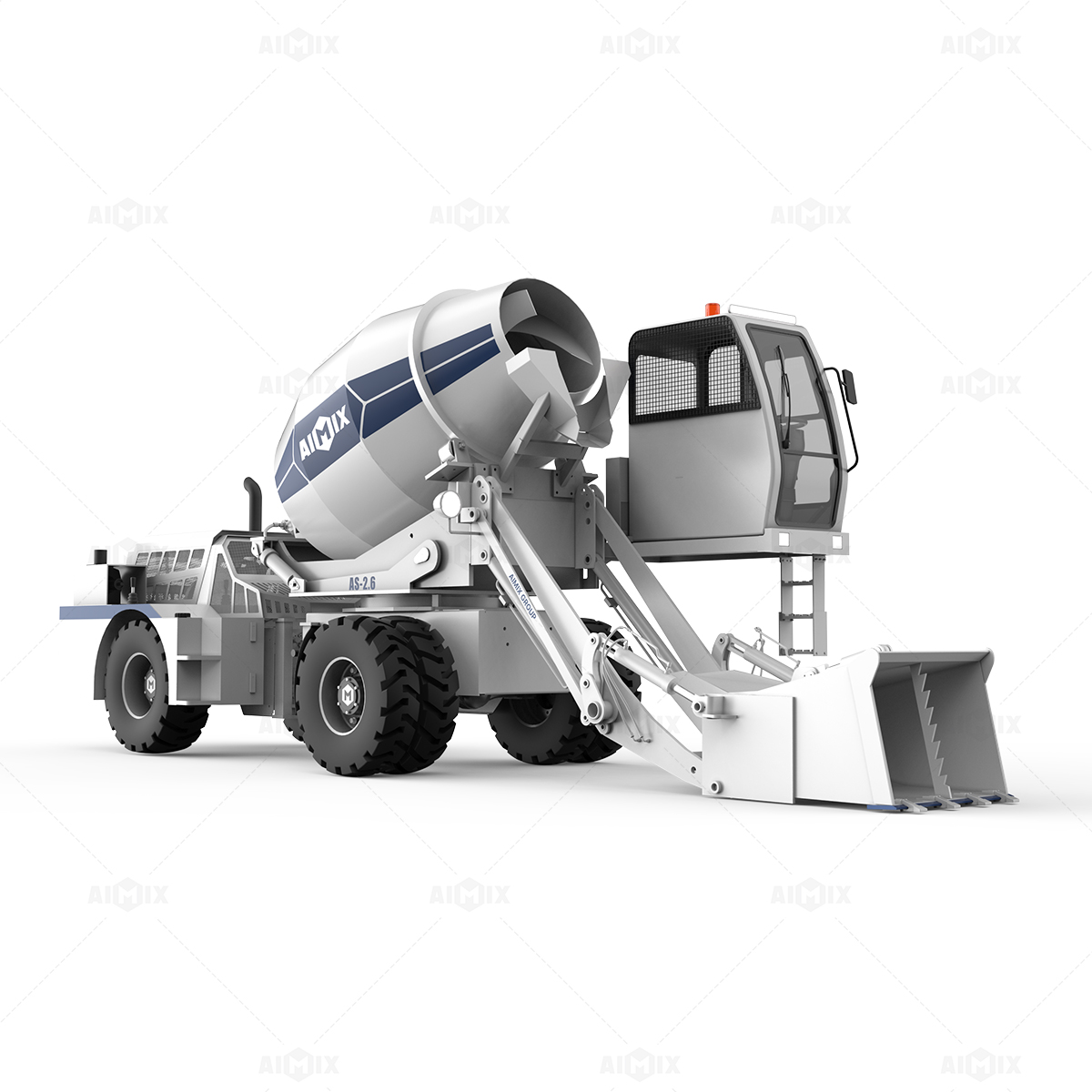
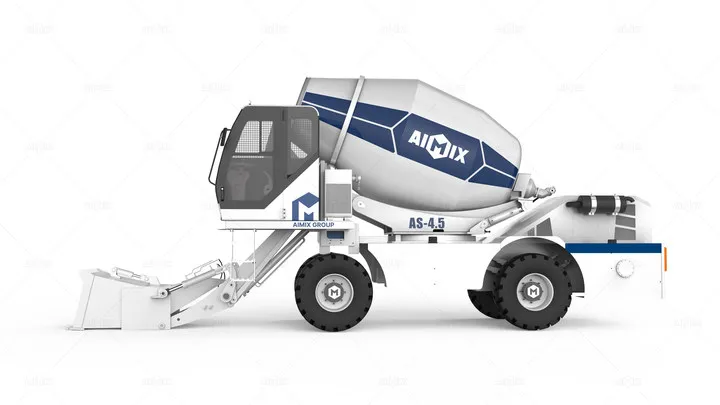
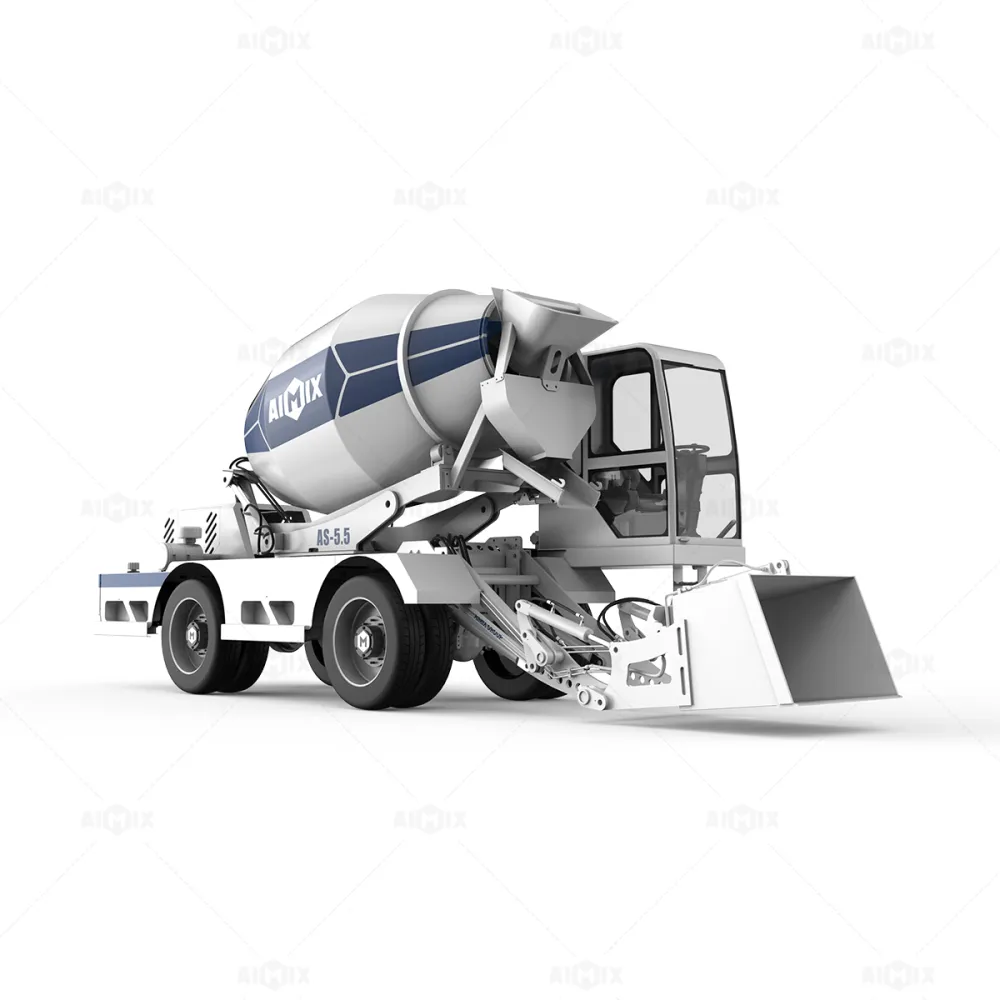
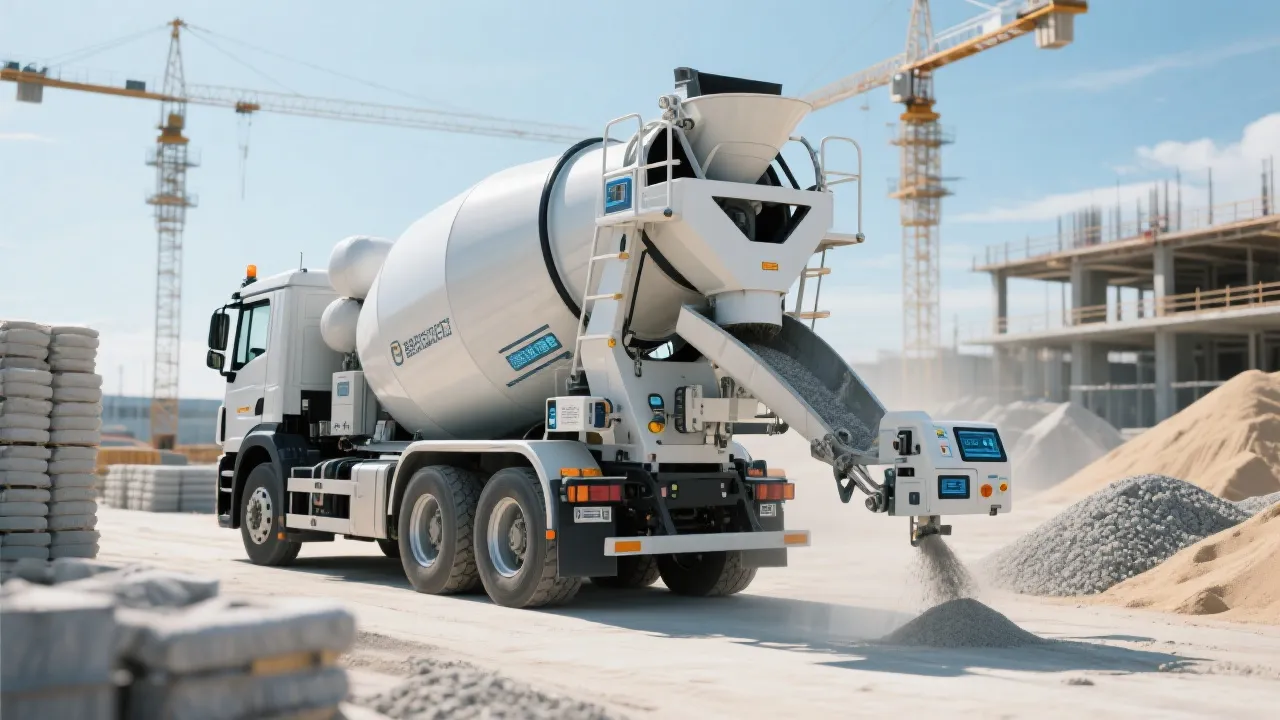
The 4.5m³ mixer model emerges as a "sweet spot" — combining continuous feed capability with multidirectional discharge options. This design allows contractors to maintain steady concrete supply without the excessive batch and transport overhead of smaller units or the spatial constraints imposed by larger models.
Real-world feedback from frontline construction teams highlights improvements such as:
Applying a one-size-fits-all approach undermines project efficiency. - For urban residential construction, the 4.5m³ mixer’s balance between output and agility supports tight site conditions.
- In municipal roadworks, its consistency ensures continuous concrete flow vital for pavement integrity.
- For industrial flooring, controlled batch size optimizes material usage and reduces waste.
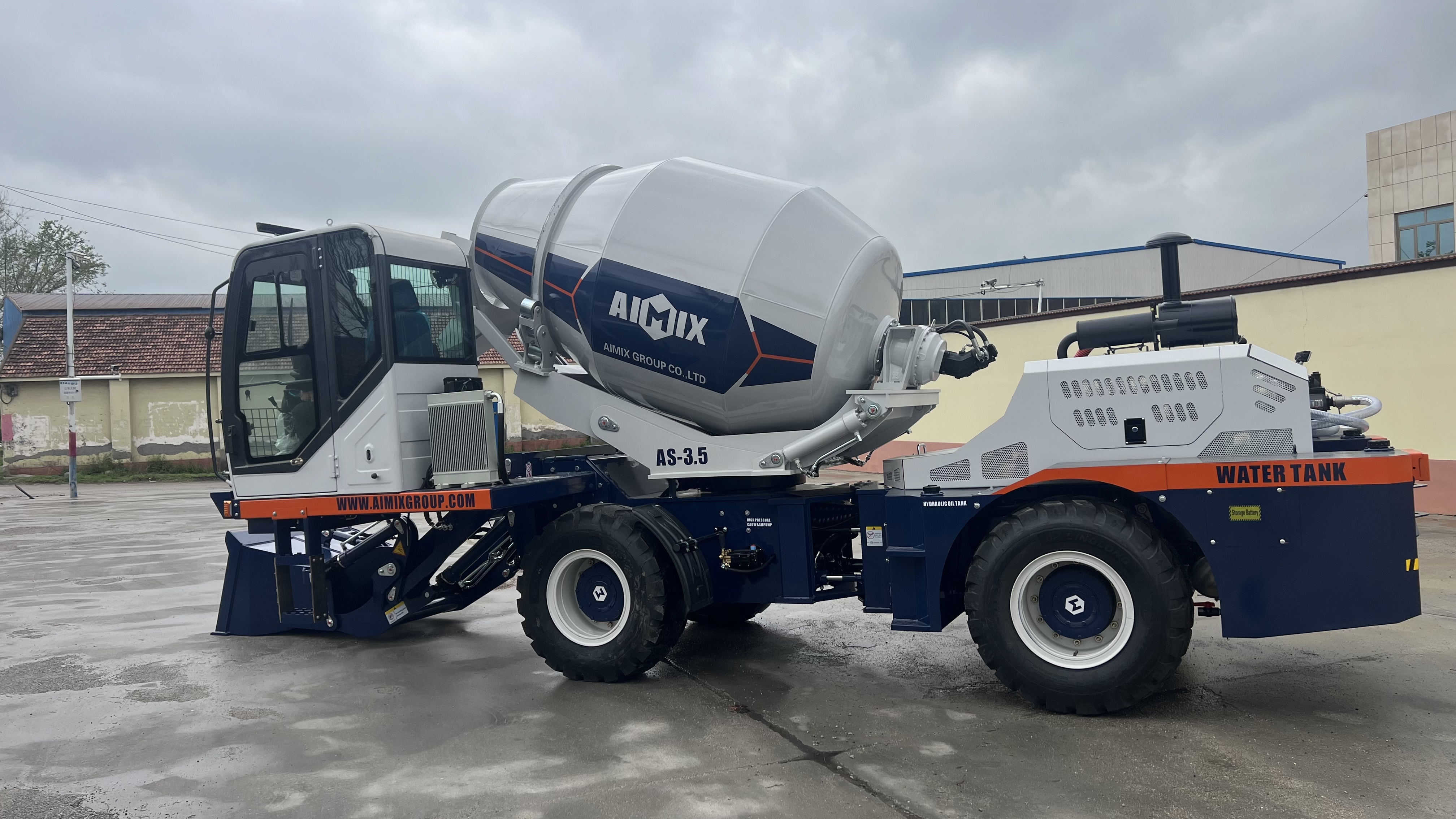
AIMIX offers an intuitive self-assessment template that guides project managers through criteria such as target hourly throughput, available site space, labor capacity, and budget restrictions. This tool streamlines decision-making and ensures selection aligns with unique site demands.

High-efficiency construction begins with smart equipment choices — make every cubic meter of concrete count.
Consistent batch output of 18-20 m³ per hour frames the 4.5m³ mixer as ideal for balancing speed, cost, and site flexibility. Its design supports multi-angle discharge, enhancing placement accuracy and minimizing labor strain. These attributes help contractors achieve steady workflow continuity without overextension.