Have you ever grappled with inconsistent concrete strength or frequent segregation in your rural construction projects? These challenges commonly stem from gaps in quality control throughout the mixing process. From precise raw material batching to timely discharge, mastering these steps is vital in delivering durable, safe structures. Leveraging smart control concrete mixers introduces a new paradigm, enabling real-time monitoring and precise adjustments to guarantee concrete uniformity and strength.
In rural construction, limitations such as variable material availability, fluctuating ambient temperatures, and uneven terrain often cause concrete quality deviations. Typical problems include:
To combat these, a rigorous quality control framework must oversee every stage—from raw material measurement and water-to-cement ratio optimization to mixing sequence and discharge timing.
Optimal mix duration ensures homogeneity without leading to overmixing, which can weaken concrete by causing early coagulation or air entrapment. Industry data indicates that an effective mixing time typically ranges between 60 to 90 seconds for most rural-grade concretes, achieving up to 10-12 m³ per hour output when paired with efficient batching.
Furthermore, the order of ingredient addition markedly affects the final product quality. For instance, integrating aggregates before cement and water helps reduce segregation. Similarly, temperature management during mixing affects hydration kinetics, especially under harsh weather conditions often encountered in rural areas.
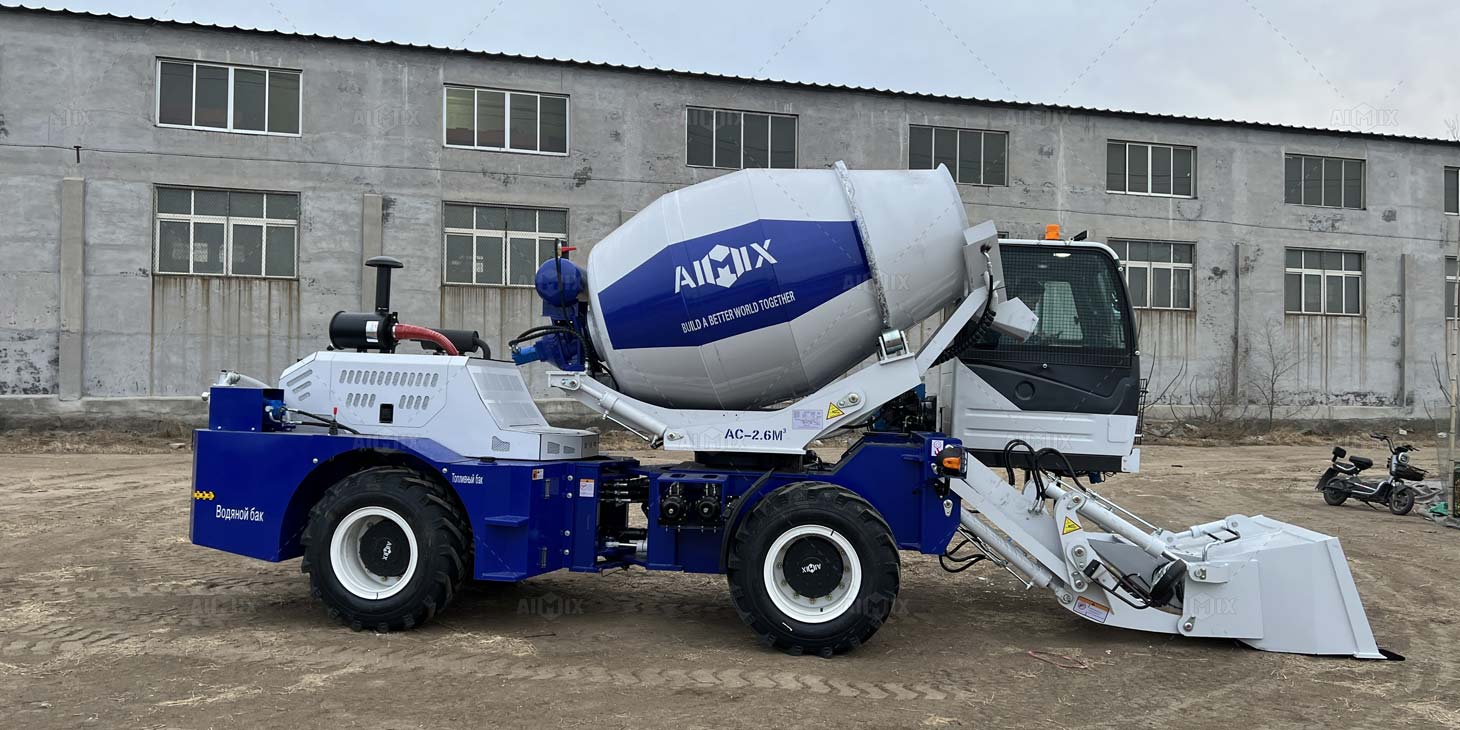
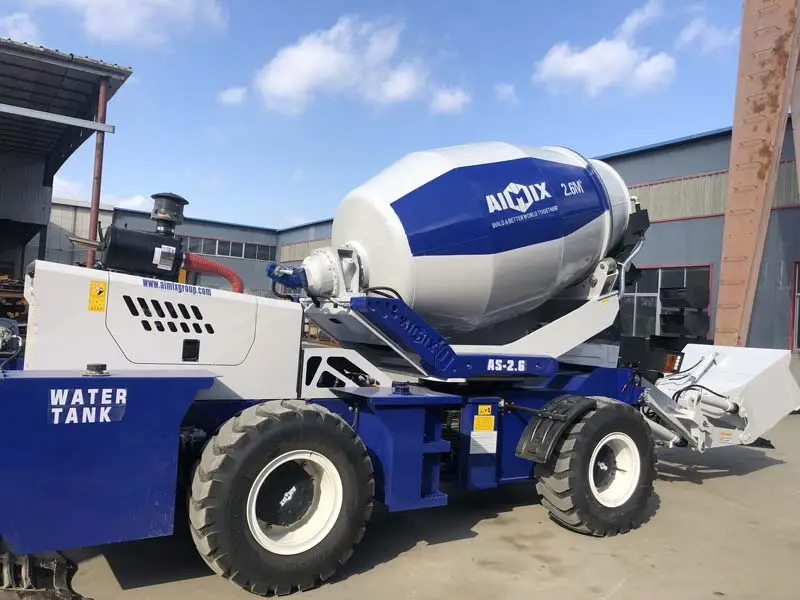
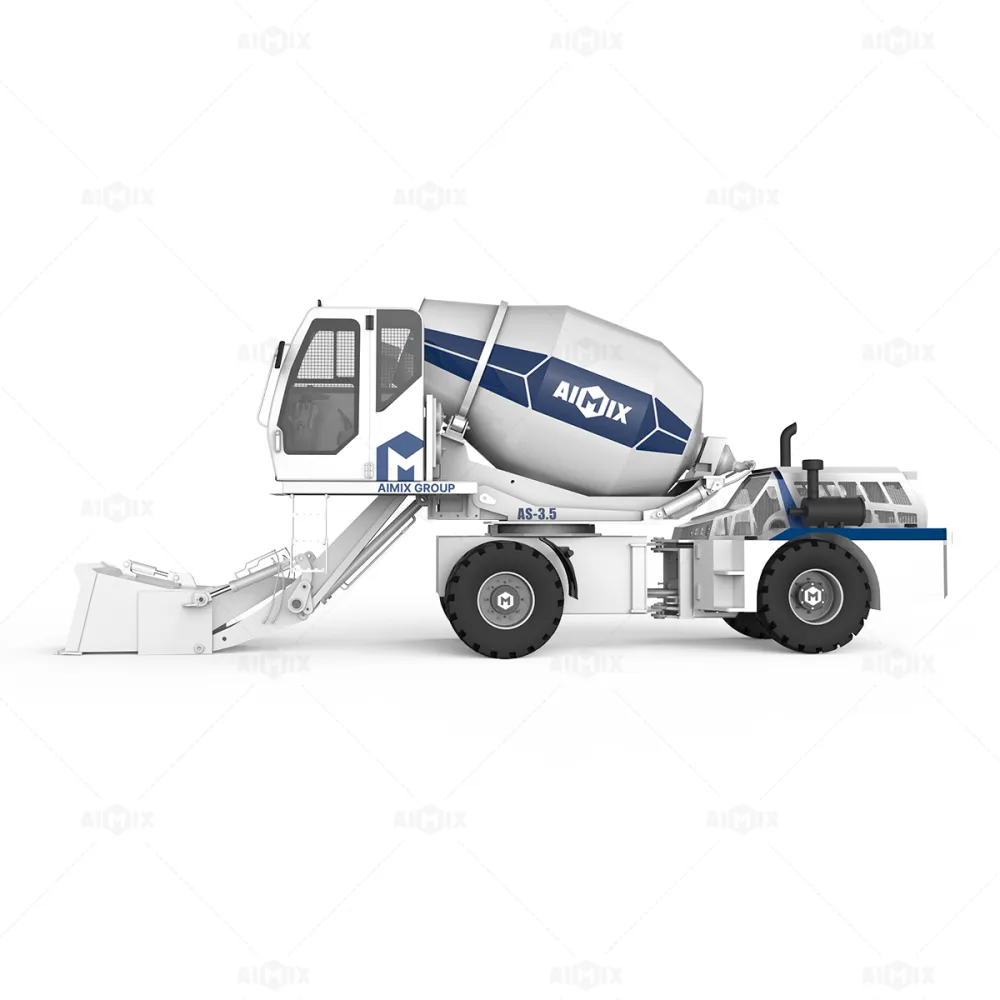
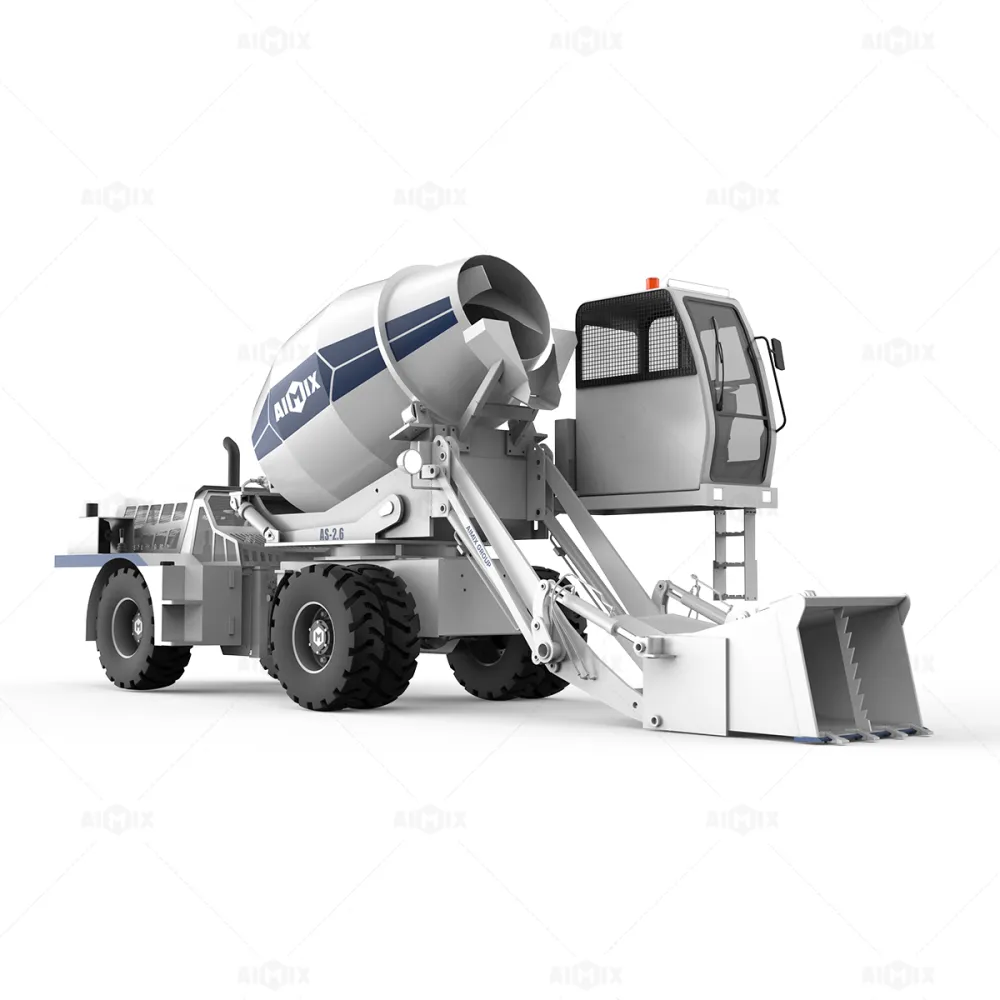
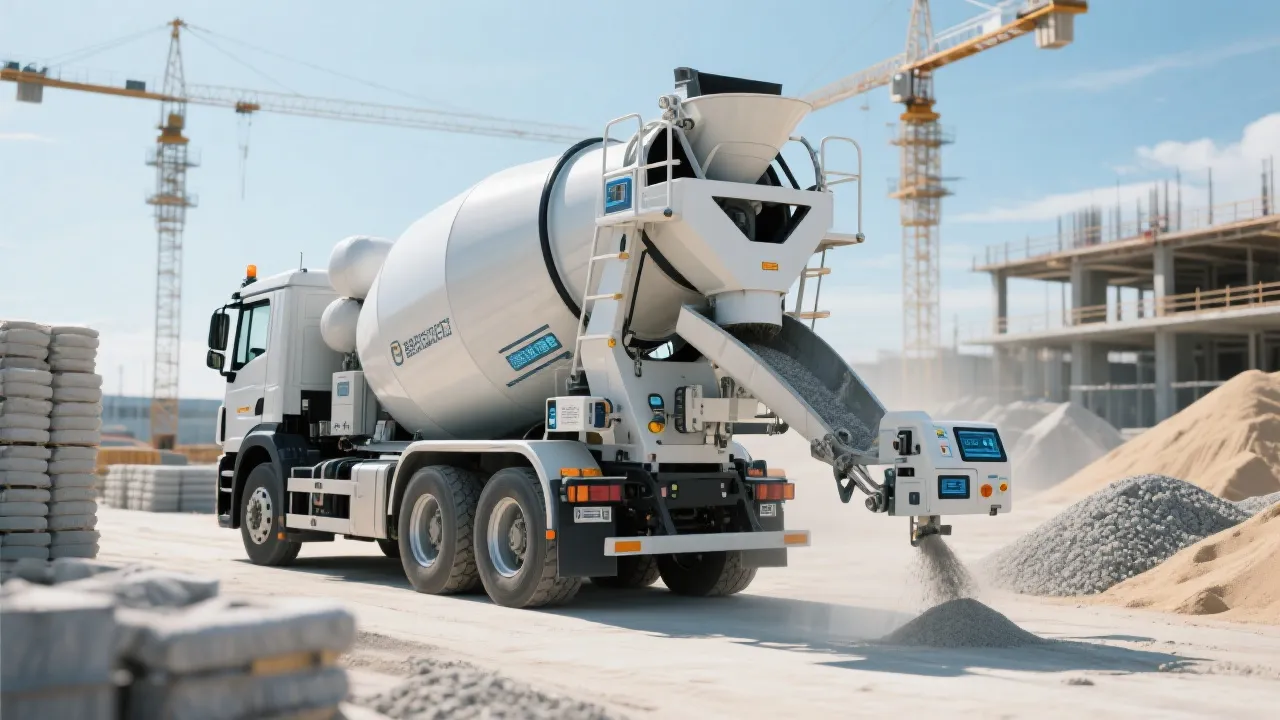
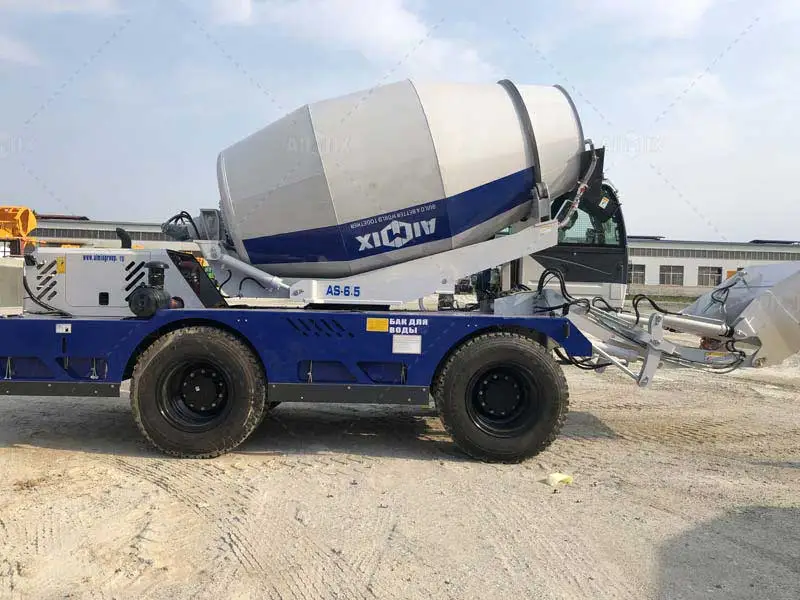
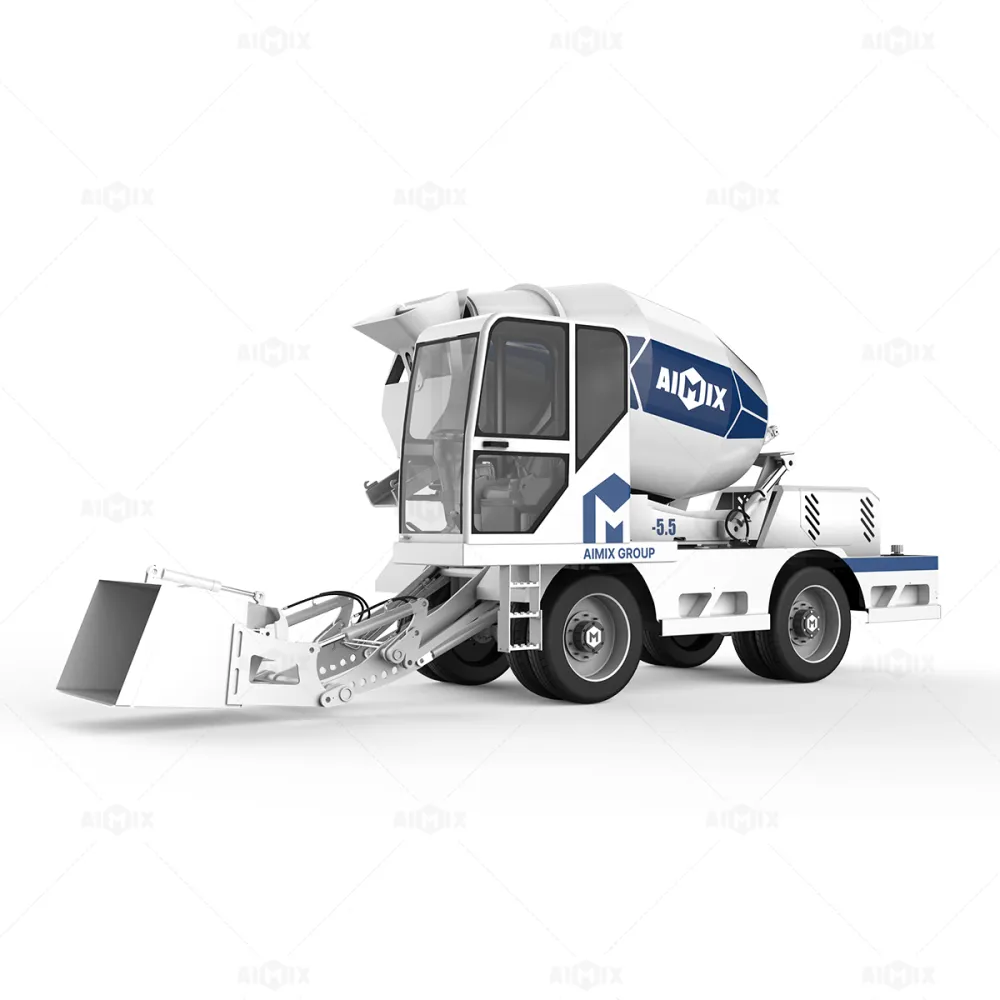
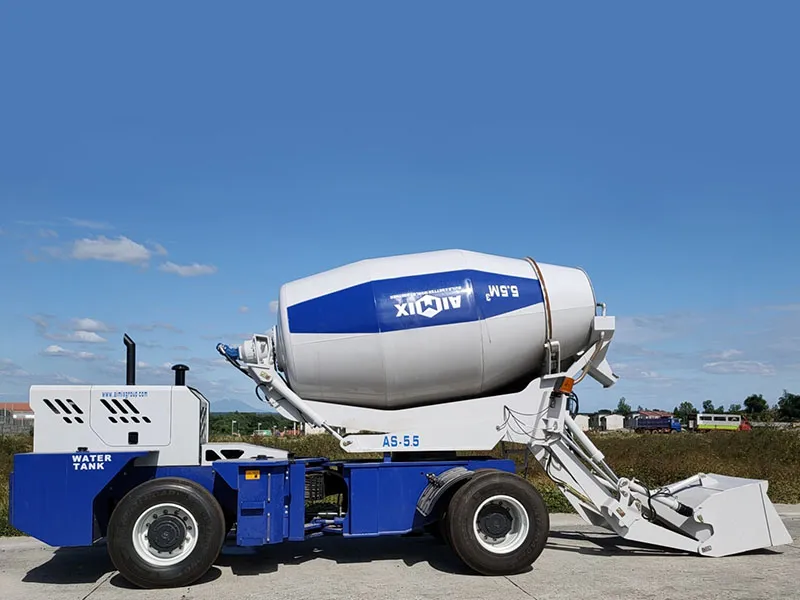
The AS-2.6 Intelligent Mixer, built with a comprehensive smart control system, incorporates several advanced features to tackle these challenges head-on:
Such innovations transform the operator from guesswork to data-driven decision-making, enhancing the likelihood of first-time quality compliance and reducing costly reworks.
"Smart mixers like the AS-2.6 have revolutionized smaller construction sites, particularly in challenging rural landscapes. The ability to automate quality checks significantly improves operational efficiency and structural safety." — Dr. Emily Rogers, Civil Engineering Specialist
Even the smartest machines require disciplined upkeep to sustain peak performance. Key maintenance practices include:
Adhering to these guidelines helps extend the machine’s lifespan and decreases downtime, crucial for maintaining consistent output in the long haul.
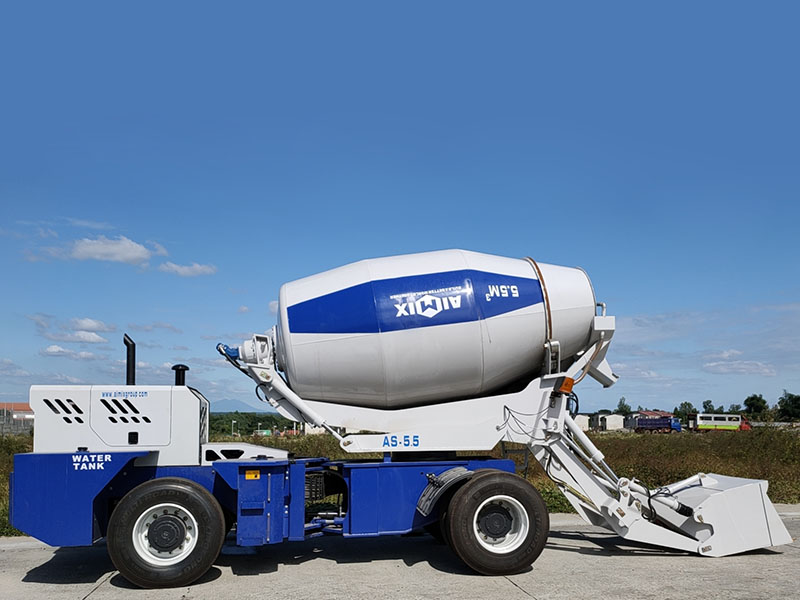
A mid-sized contractor in rural Michigan integrated the AS-2.6 Intelligent Mixer in their recent housing project. By utilizing automated speed and temperature controls, they achieved a 15% increase in compressive strength uniformity and cut material waste by 12%, directly impacting project timelines and budget adherence.
A structured quality management approach paired with smart technology enabled this team to establish repeatable, reliable mixing procedures conducive to challenging rural conditions.
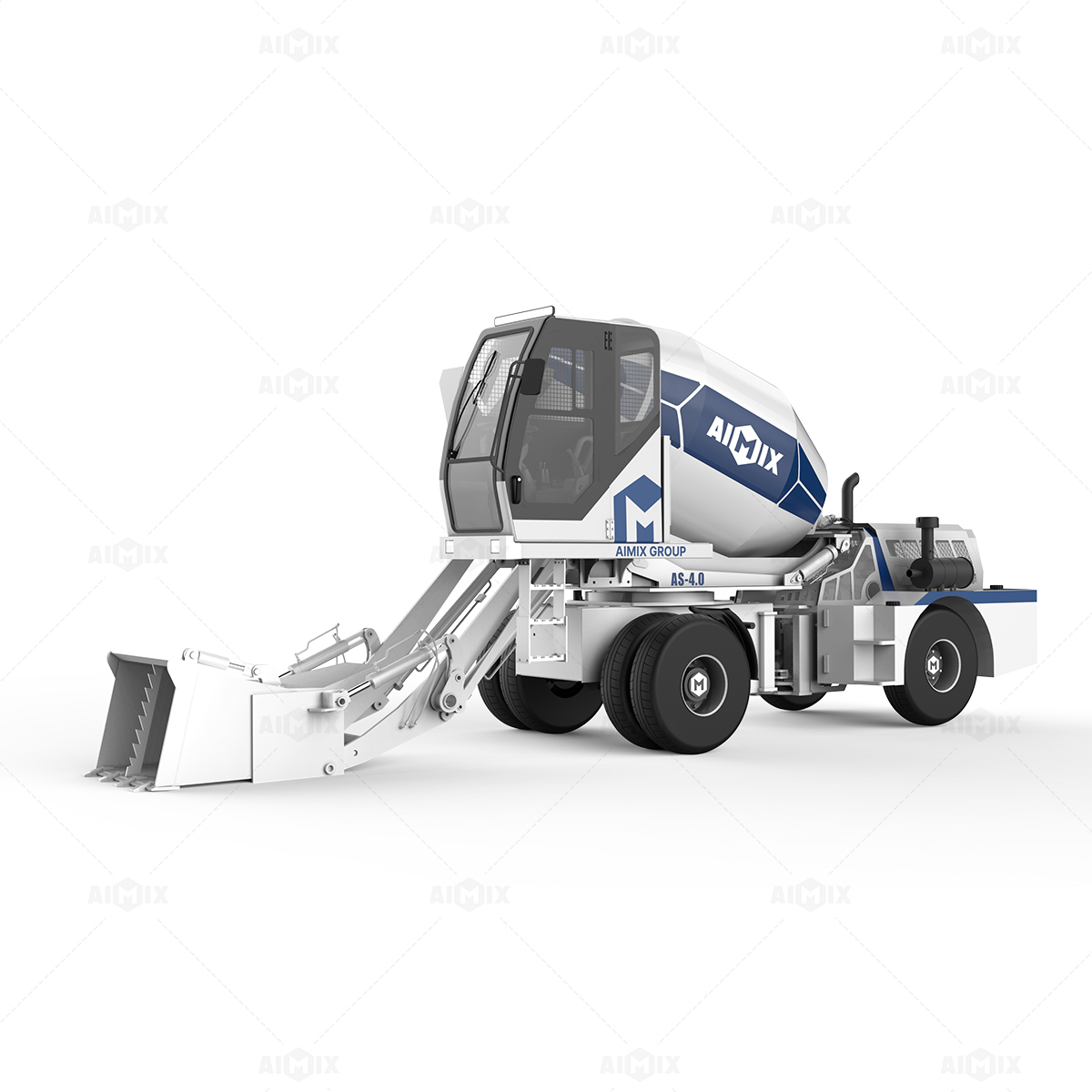
If your projects demand consistent concrete quality amidst rural complexities, the AS-2.6 Smart-Controlled Concrete Mixer stands ready to deliver. Its intelligent system adapts to site conditions, empowers operators with actionable data, and institutes standardized mixing procedures that minimize risks of defects like segregation or weak curing.