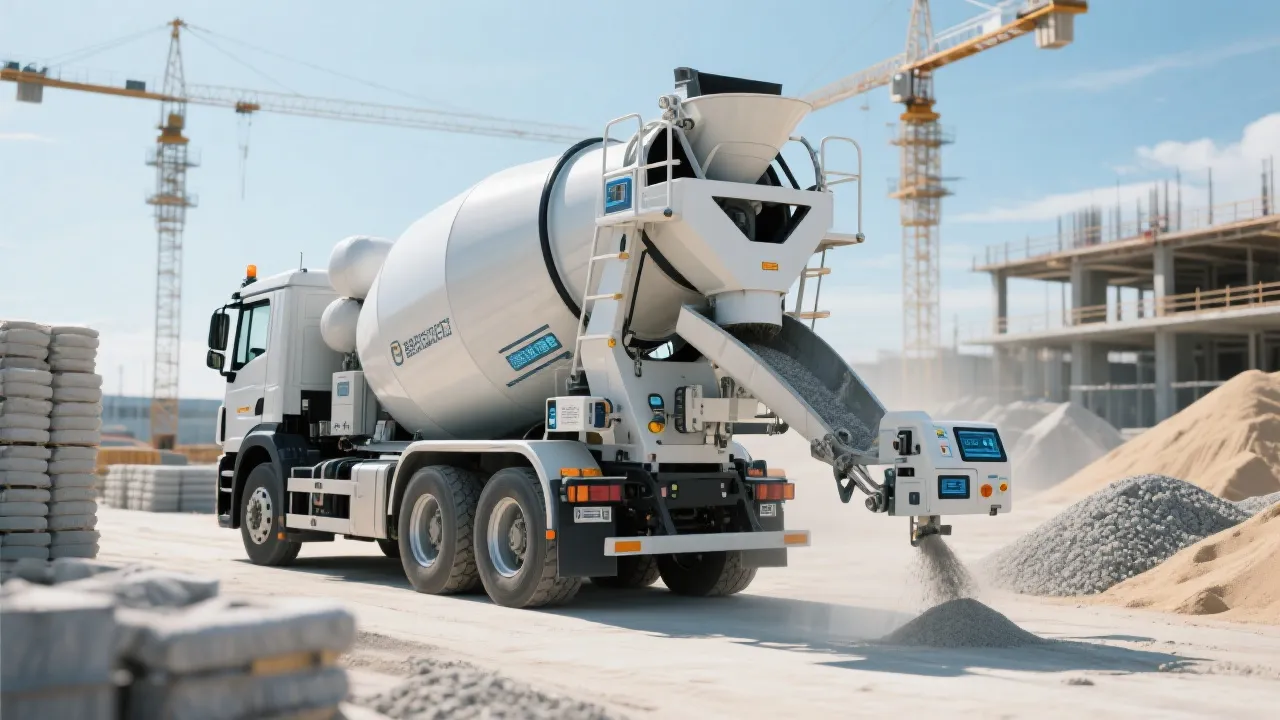
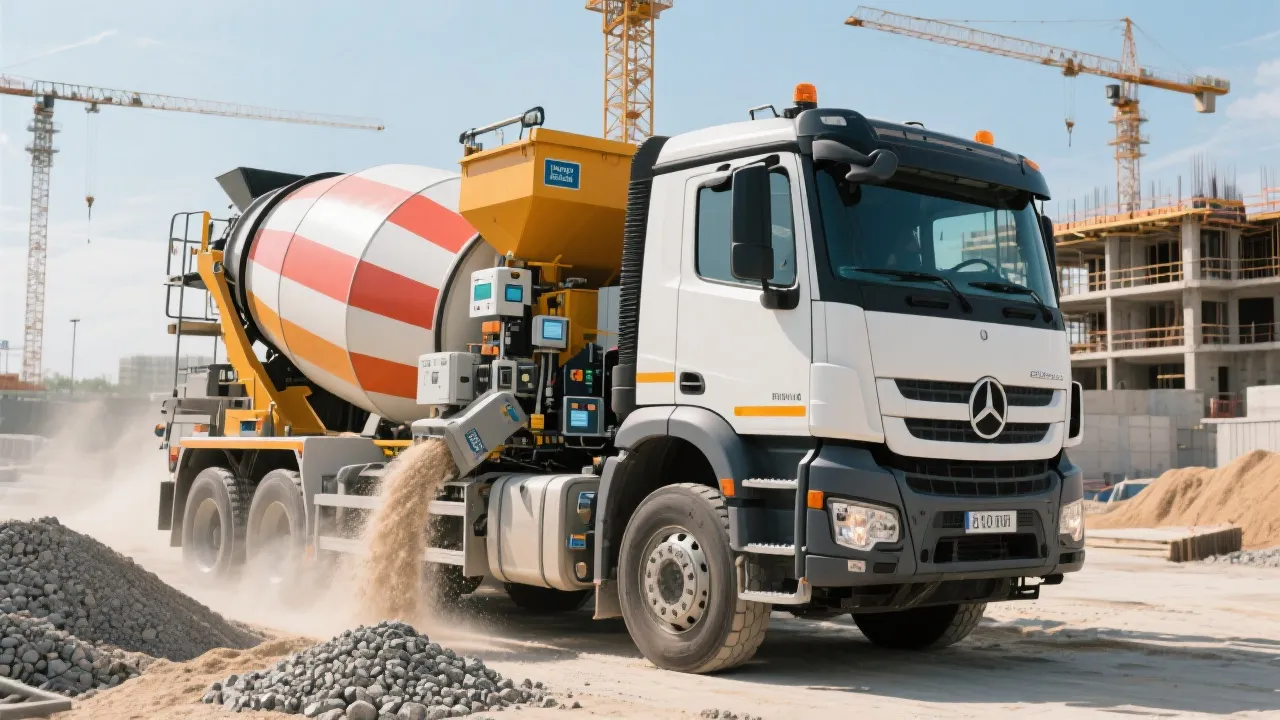
When it comes to rural construction, concrete quality issues such as sub - standard strength and frequent segregation problems can be a headache for construction parties. In this article, we'll delve into the key points of quality control in the entire process of concrete mixing, from batching to discharging, and introduce an intelligent solution tailored for rural construction sites.
You may often encounter situations where the concrete used in rural buildings fails to meet the required strength standards. Segregation, where the components of the concrete separate, is also a frequent issue. These problems can seriously compromise the structural safety of rural buildings. For example, in a small - scale rural school construction project, the concrete strength was found to be 30% lower than the design requirement, leading to cracks in the building's foundation.
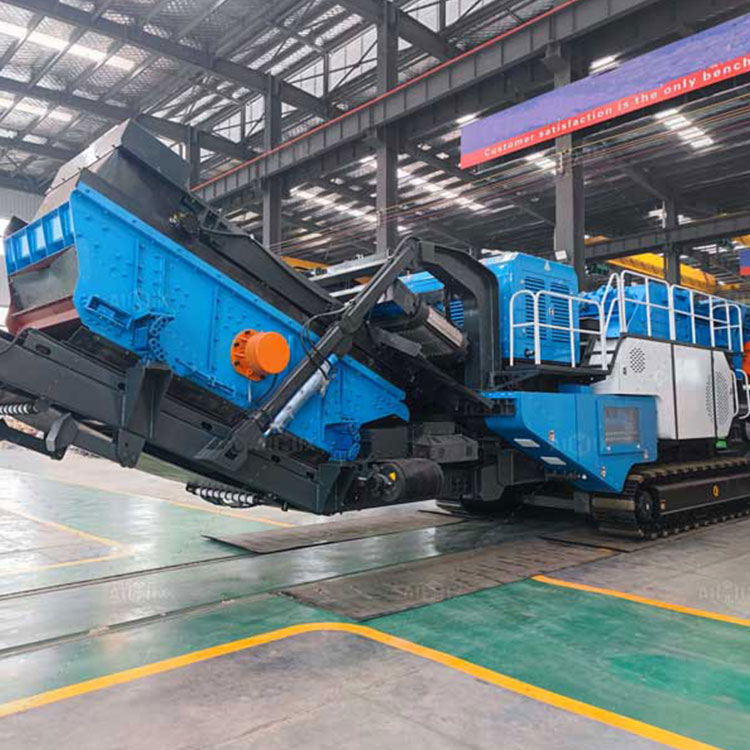
The scientific ratio of raw materials is the foundation of high - quality concrete. Incorrect ratios can lead to various problems. For instance, if the amount of cement is too low, the concrete strength will be insufficient. By using accurate ratio calculation methods, construction parties can improve the concrete quality. In a real - world case, a rural construction team adjusted the cement - sand - aggregate ratio according to scientific calculations, and the concrete strength increased by 25%.
Standardizing the operation process is crucial. The order of投料 (adding materials) and the mixing time play important roles. Optimizing the投料 order can ensure better mixing of materials. For example, adding water at the right time can prevent the formation of lumps. Setting the appropriate mixing time is also essential. If the mixing time is too short, the materials will not be evenly mixed; if it is too long, it will waste energy. Studies have shown that standardizing the operation process can reduce the occurrence of segregation by 40%.
Intelligent monitoring technology has brought revolutionary changes to concrete mixing. The intelligent control system can assist in precise regulation through speed feedback and material uniformity judgment. For example, it can adjust the mixer's rotation speed according to the real - time state of the materials. In a rural bridge construction project, the use of an intelligent control system increased the production efficiency by 44% and improved the concrete quality significantly.
Regular maintenance of the mixing equipment is essential to ensure its long - term stable operation. Cleaning the mixer regularly can prevent the accumulation of residual materials, which can affect the next batch of concrete quality. It is recommended to clean the mixer after every 3 - 5 batches of mixing. Lubricating the moving parts at appropriate intervals can also reduce wear and tear. For example, lubricating the bearings every 20 working hours can extend the service life of the equipment by 20%.
"Since we started using the intelligent monitoring system and following the standardized operation process, the concrete quality in our rural construction projects has been much more stable. The intelligent mixer has also reduced our labor intensity." - A rural construction worker
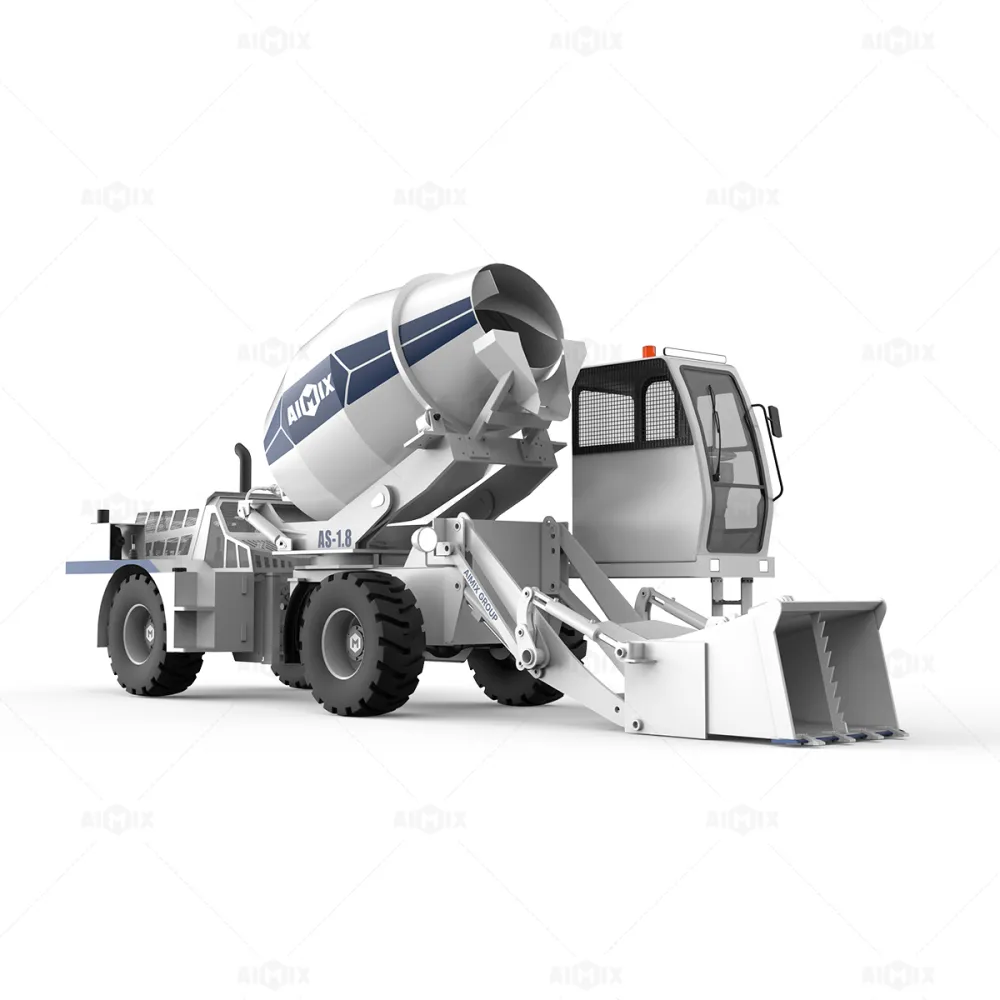
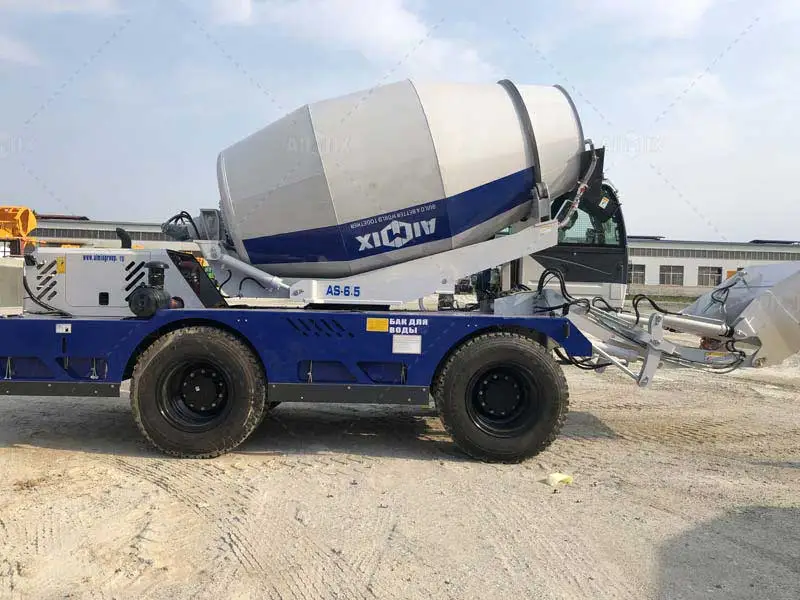
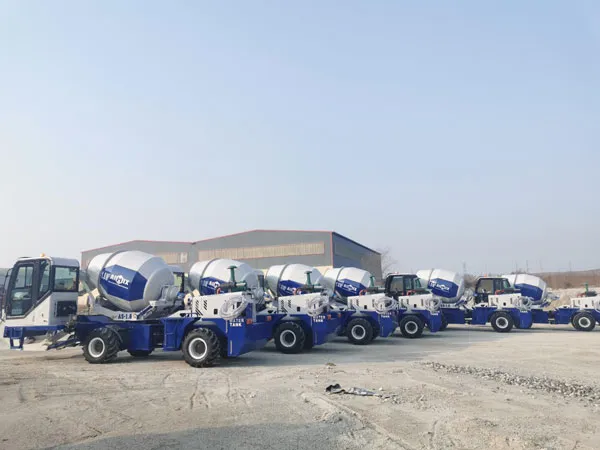
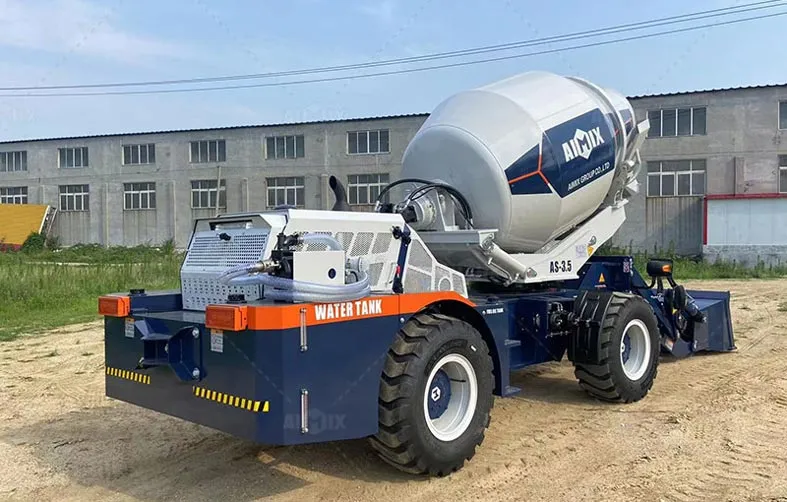
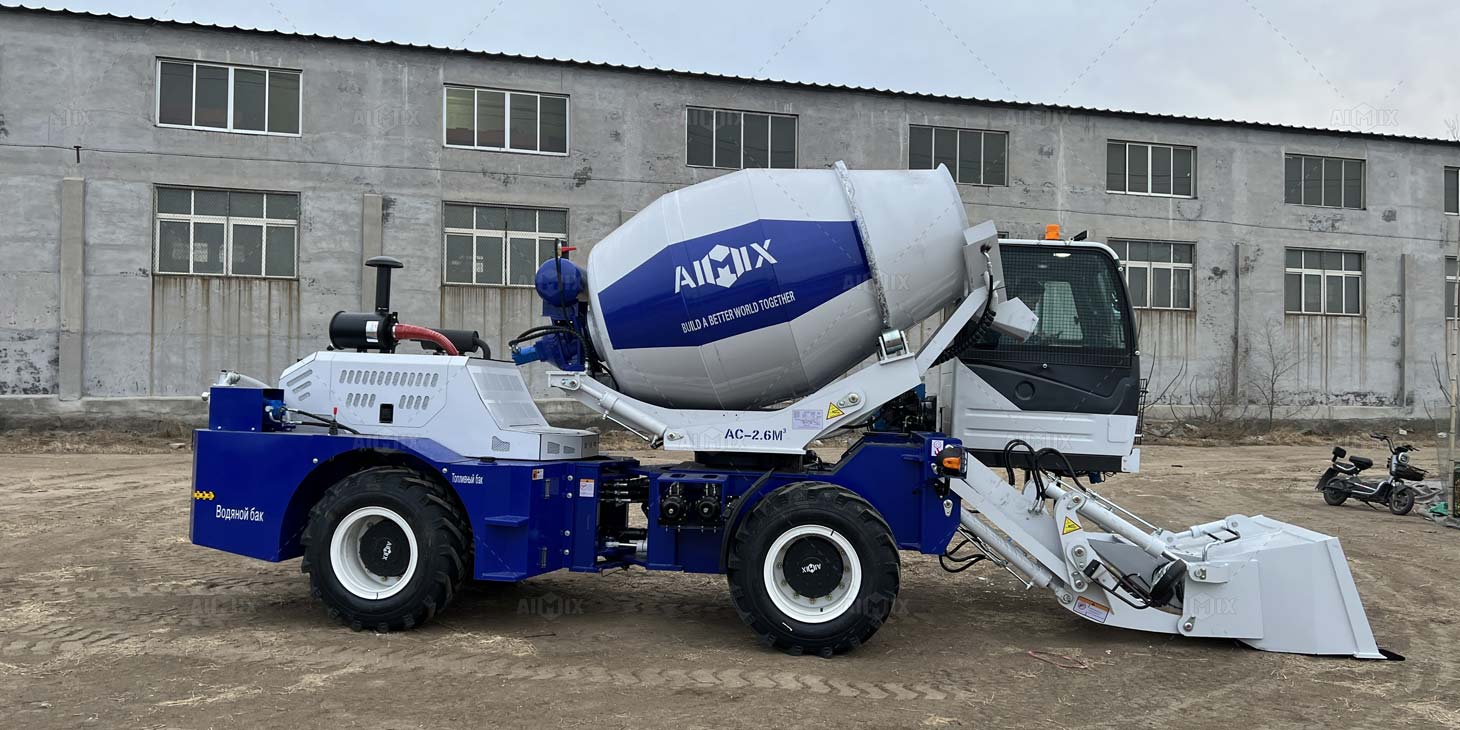
To address the concrete quality problems in rural construction, we recommend the AS - 2.6 Intelligent Mixer. This mixer is specifically designed for rural construction sites. It integrates advanced intelligent control technology, which can accurately control the mixing process. With its scientific ratio calculation function, it can ensure the correct ratio of raw materials. The AS - 2.6 also has a user - friendly interface, making it easy for rural construction workers to operate. In addition, its low maintenance cost and high reliability make it an ideal choice for rural construction projects.
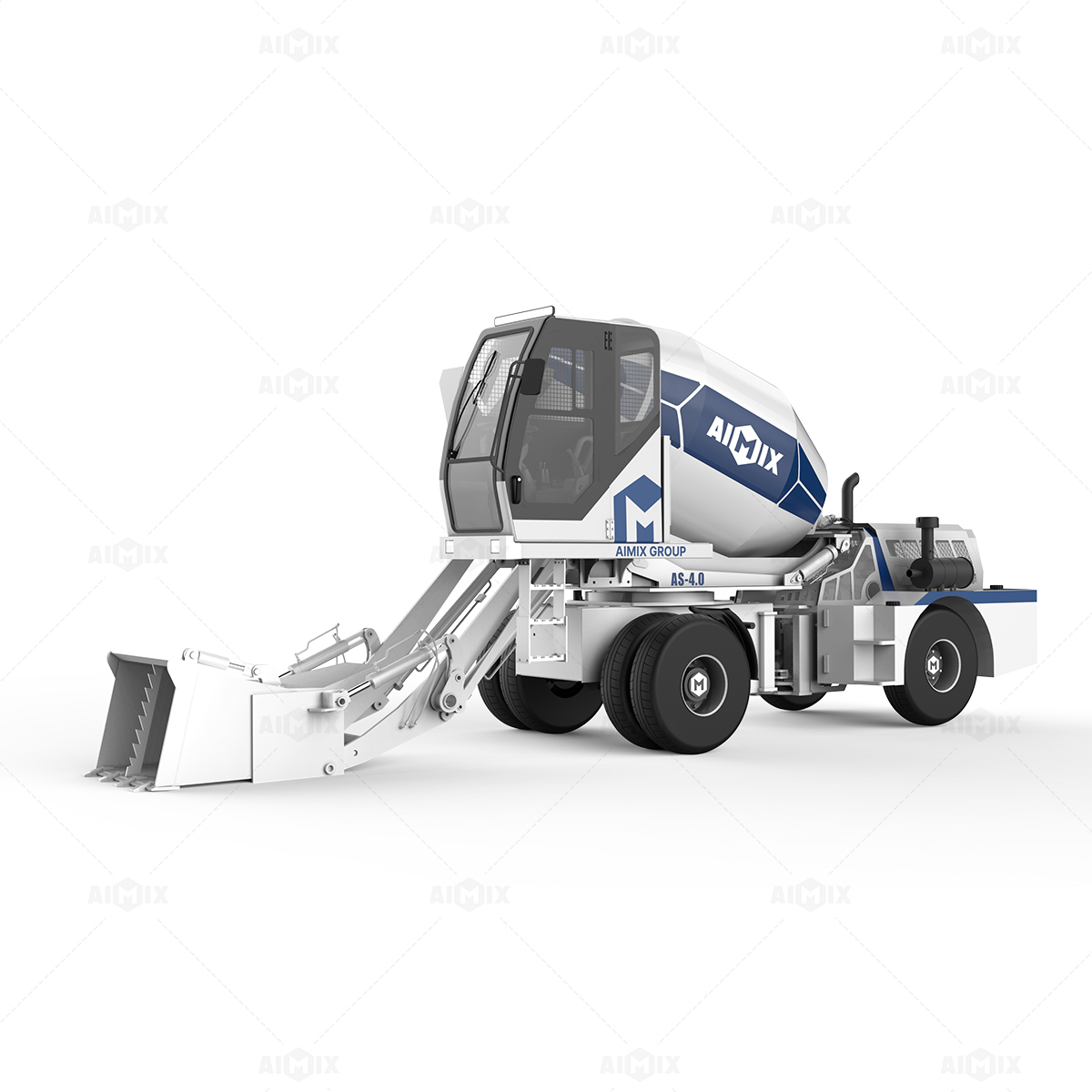
Discover the AS - 2.6 Intelligent Mixer for Your Rural Construction Needs
.jpg?x-oss-process=image/resize,h_1000,m_lfit/format,webp)