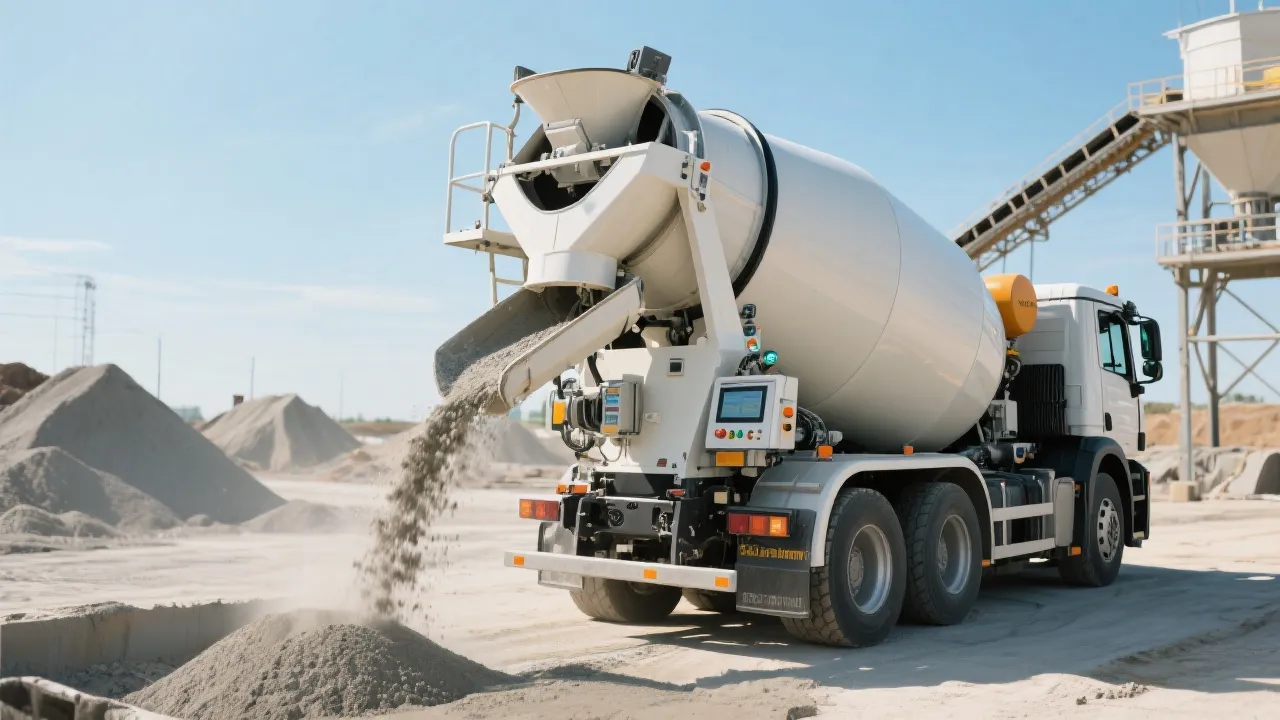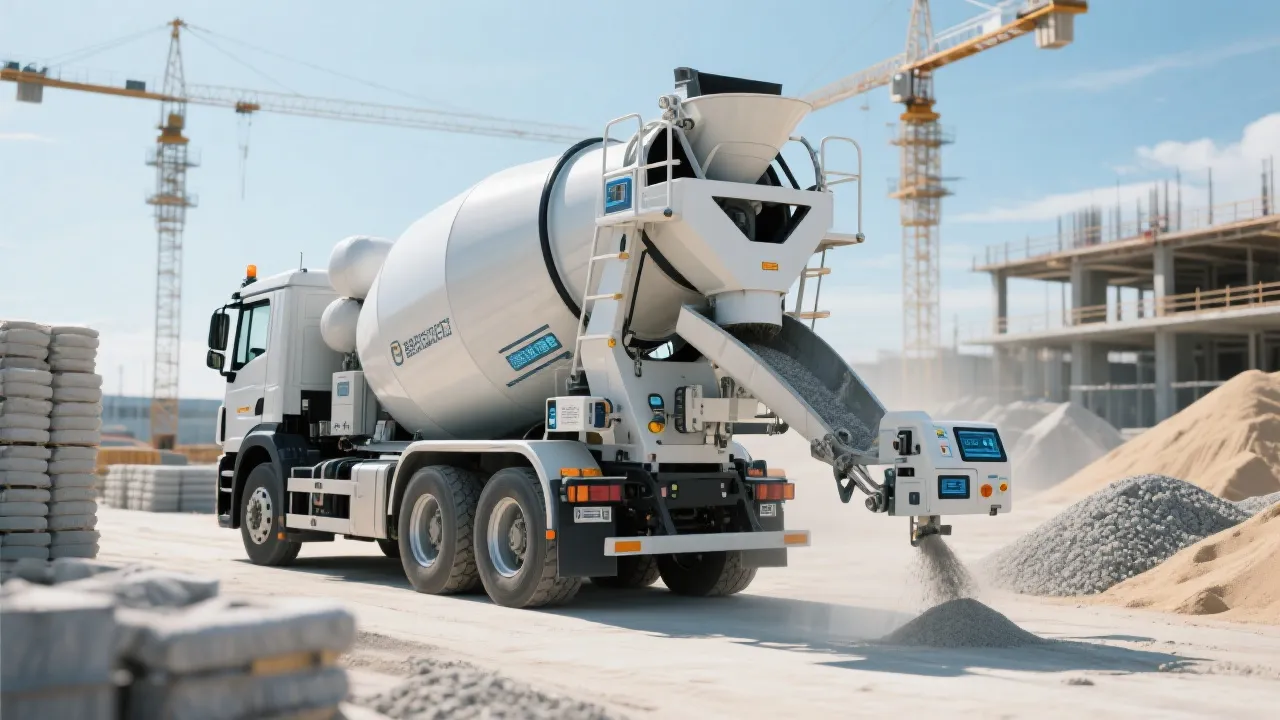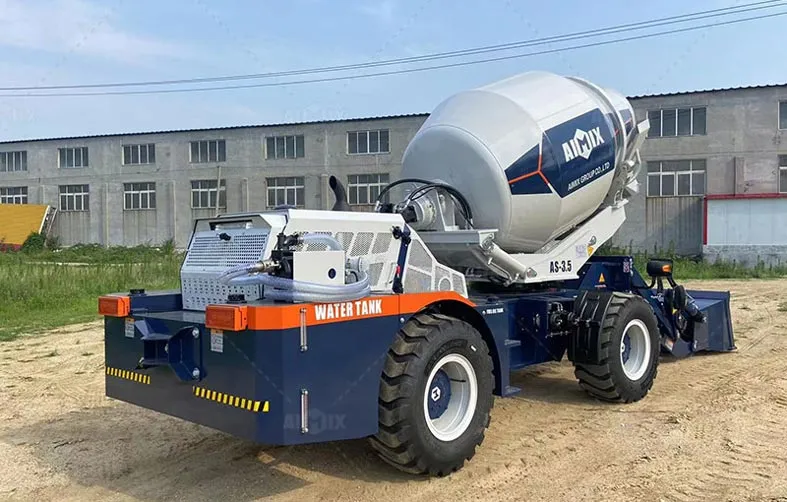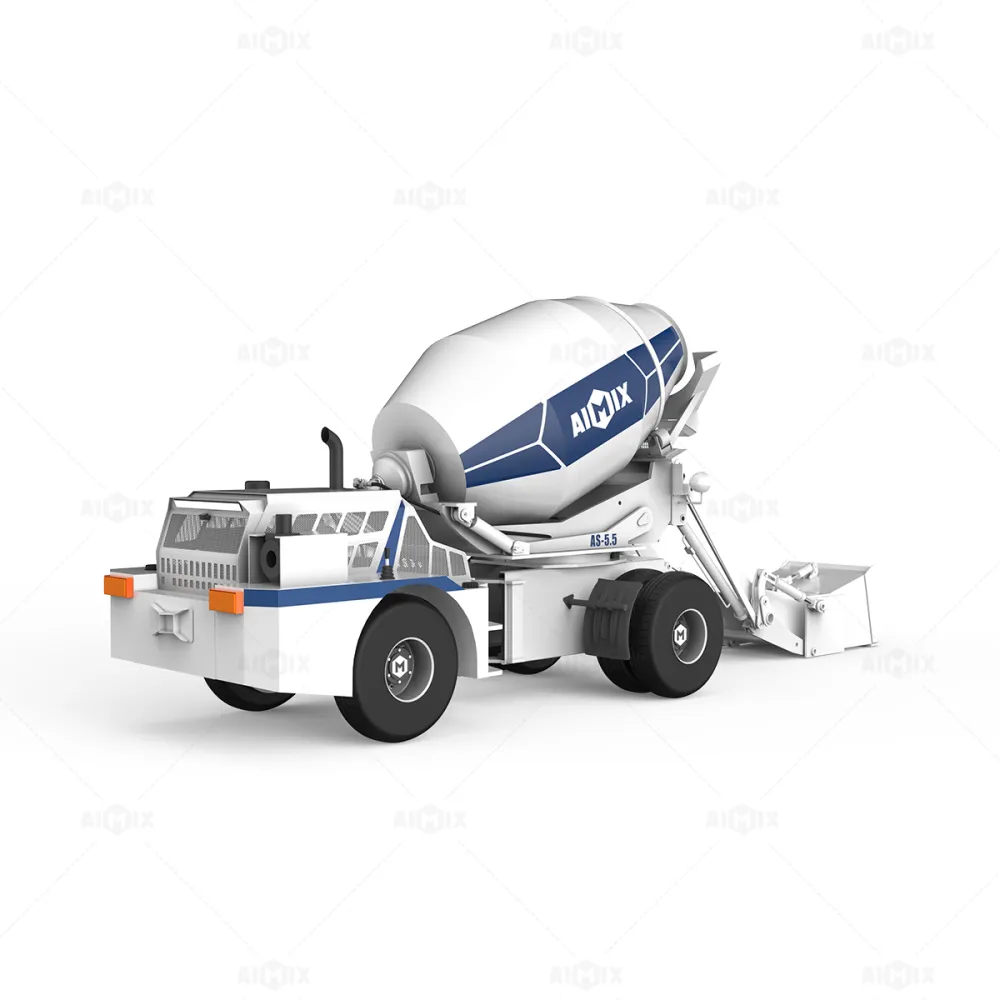
When it comes to rural self - built houses or small - scale infrastructure projects, the selection of concrete mixing equipment is crucial. Many users often face inefficiencies and unstable quality due to improper choices. Let's delve into the differences between traditional concrete mixers and the AS - 2.6 intelligent self - loading concrete mixer.
The productivity of a concrete mixer is a key factor in any construction project. Traditional concrete mixers typically have an hourly output of around 6 - 8 m³. In contrast, the AS - 2.6 intelligent self - loading concrete mixer can produce 10 - 12 m³ per hour. This represents a significant 44% increase in production efficiency.
Imagine you're working on a small - scale infrastructure project with a tight schedule. With the AS - 2.6, you can complete the concrete mixing tasks much faster, ensuring that the subsequent construction processes can proceed on time. This not only saves time but also reduces the overall project cost.
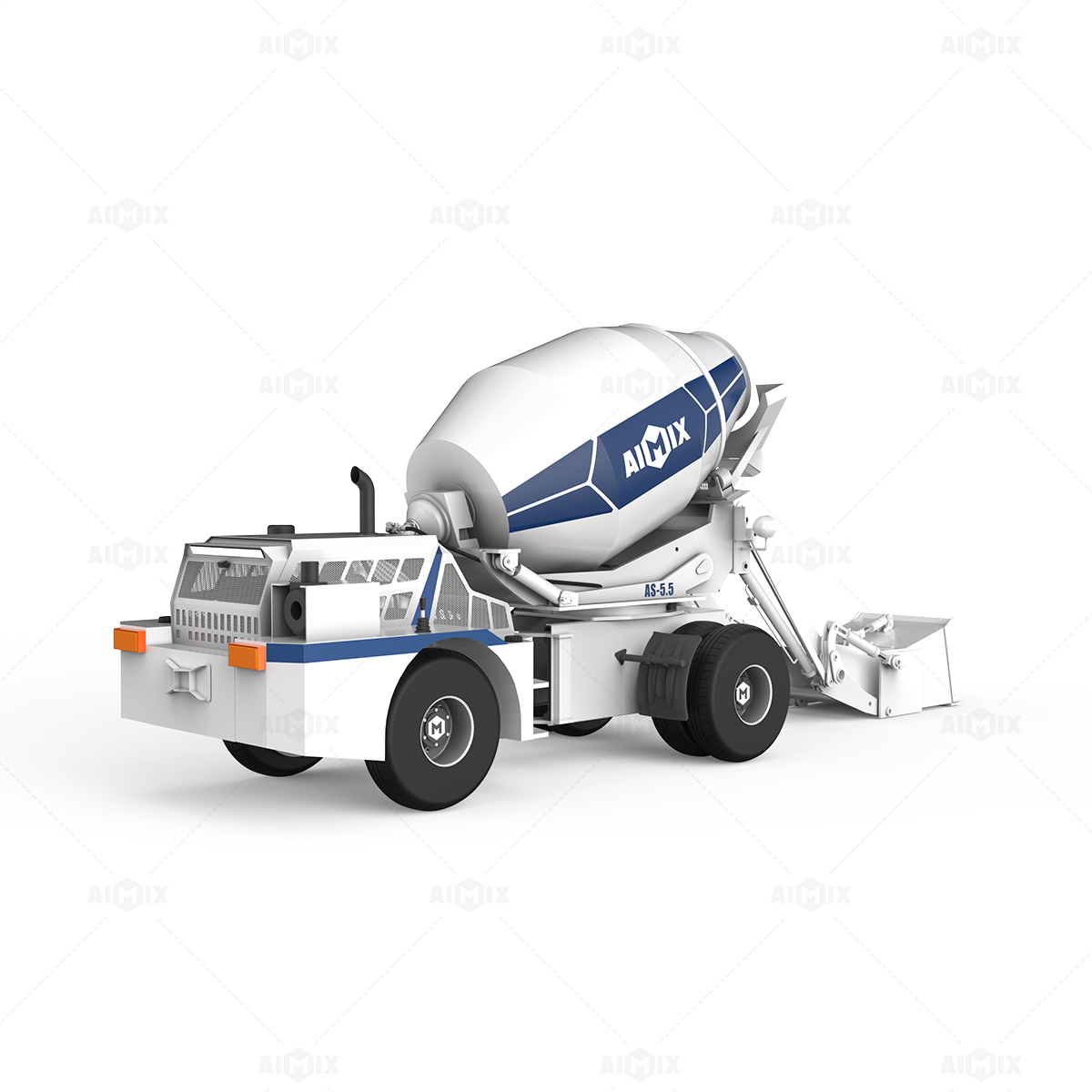
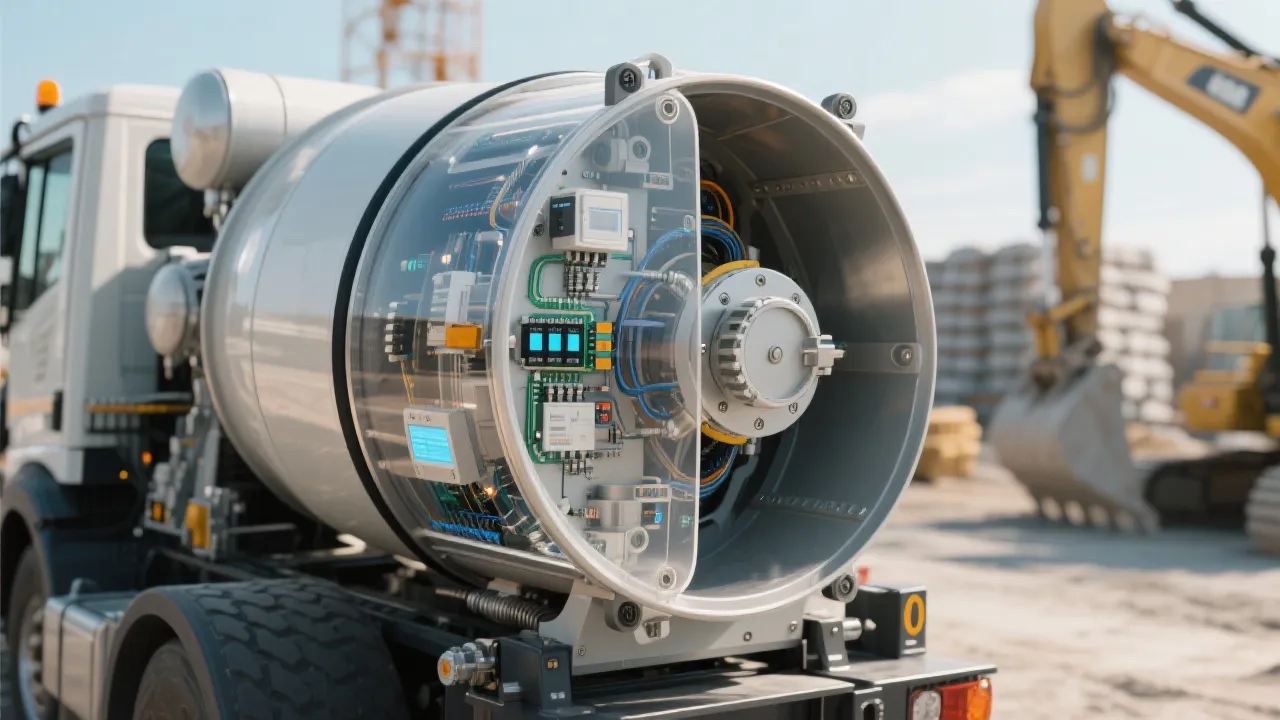
Traditional concrete mixers often require a high level of manual operation, which can lead to human errors and inefficiencies. The AS - 2.6, on the other hand, is equipped with an intelligent control system. This system simplifies the operation process, allowing even less - experienced operators to use the machine effectively.
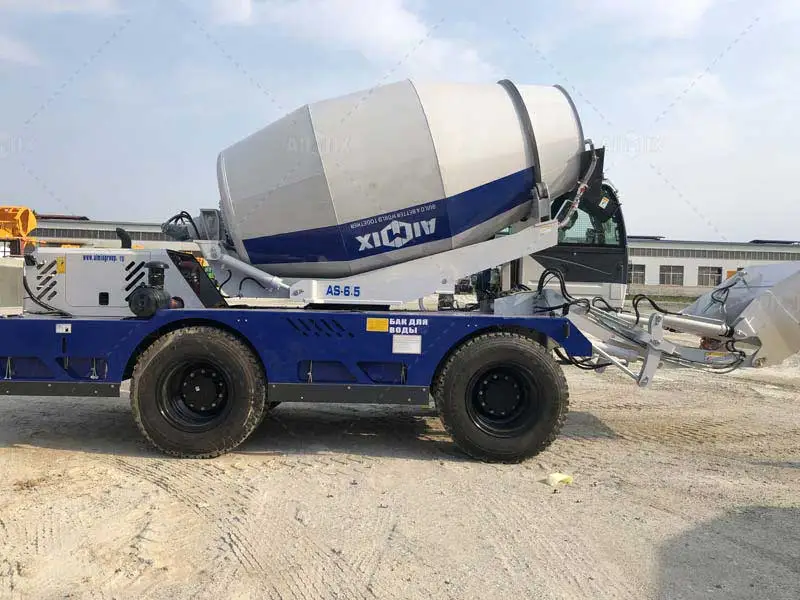
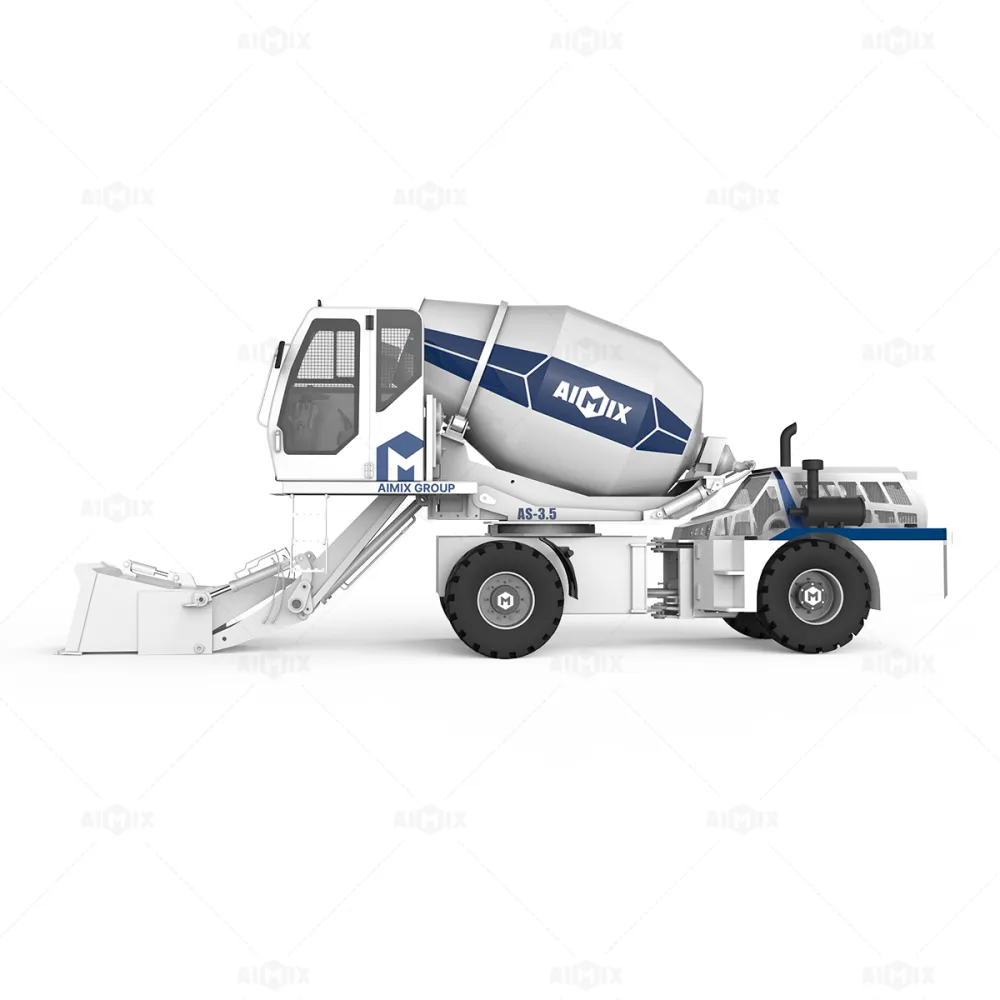
The 270° rotating drum of the AS - 2.6 is another highlight. It enables easy loading and unloading of materials, especially in confined spaces. For example, in a rural self - built house project where the construction site is often narrow, the 270° rotating drum can reach areas that traditional mixers cannot, making the operation more flexible and efficient.
Your construction site may have encountered situations where the operation of traditional equipment is too complicated, and the labor intensity is high. The AS - 2.6 can completely change this situation, making your work easier and more efficient.

Durability is an important consideration for any construction equipment. Traditional concrete mixers may require frequent maintenance and replacement of parts, which increases the overall cost. The AS - 2.6 is made of high - strength alloy steel, which significantly improves its durability.
The low - maintenance design of the AS - 2.6 means that you can save a lot of time and money on maintenance. For example, in a long - term small - scale infrastructure project, the reduced maintenance cost can be a significant advantage. You don't have to worry about frequent breakdowns and the associated downtime.
Let's look at some typical construction scenarios. In a narrow construction site, the AS - 2.6's compact design and 270° rotating drum allow it to operate freely, while traditional mixers may struggle to maneuver. In a situation where there is a shortage of labor, the intelligent control system of the AS - 2.6 can reduce the need for manual labor, ensuring that the project can still proceed smoothly.
During the rainy season, the AS - 2.6's advanced control system can adjust the mixing parameters according to the humidity of the materials, ensuring the quality of the concrete. Traditional mixers may face difficulties in maintaining the stability of the concrete quality in such conditions.
There are many success stories about the AS - 2.6. For instance, in a rural self - built house project in a mountainous area, the AS - 2.6 was able to adapt to the complex terrain and complete the concrete mixing tasks efficiently. The project was completed ahead of schedule, and the quality of the concrete was highly praised by the local construction team.
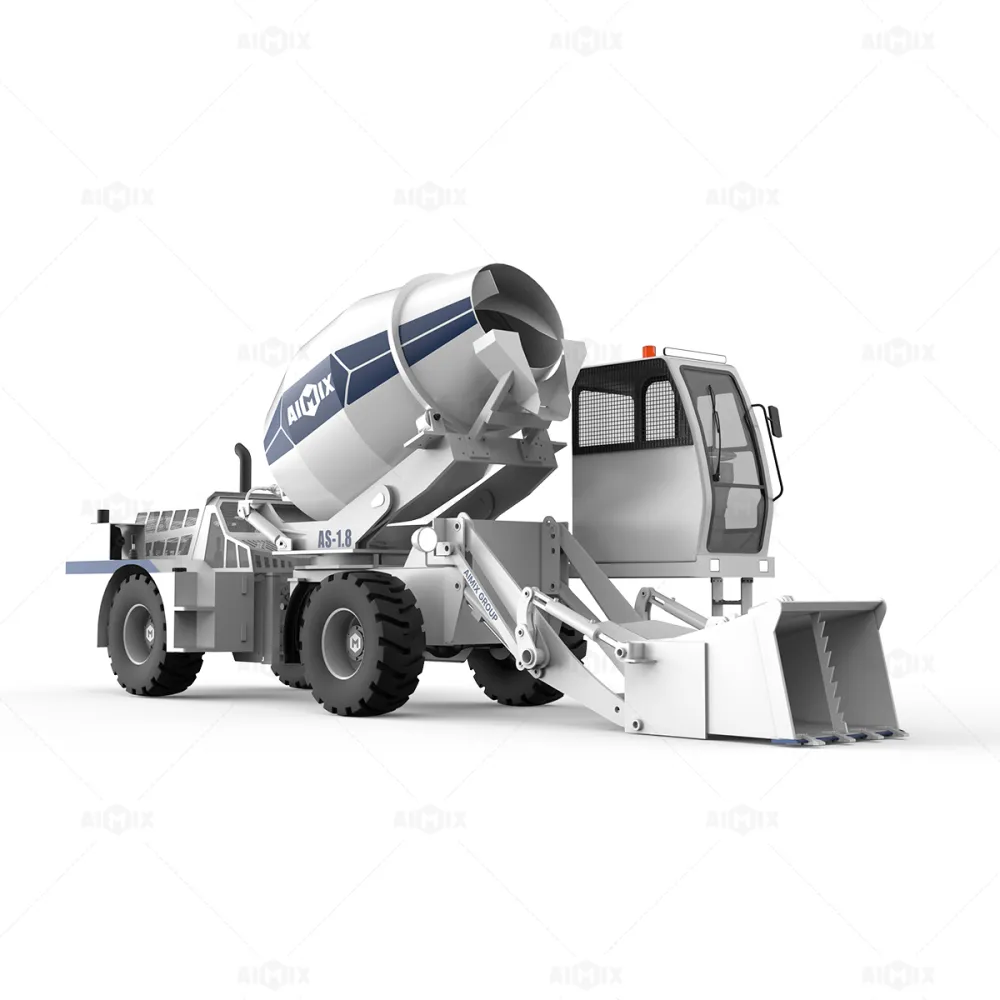
As you can see, the AS - 2.6 intelligent self - loading concrete mixer offers many advantages over traditional models. If you're interested in learning more about how this product can meet your specific needs in rural self - built houses or small - scale infrastructure projects, explore the product features here.




.jpg?x-oss-process=image/resize,h_1000,m_lfit/format,webp)