Large and medium - sized construction projects demand high - performance concrete mixing equipment to ensure smooth progress. These projects typically require high - capacity equipment to meet large - scale concrete needs. For example, a large - scale infrastructure project may need hundreds of cubic meters of concrete per day. In addition to high capacity, stable quality is also crucial. Unstable concrete quality can lead to structural problems in buildings, affecting project safety and longevity.
Complex working conditions are another challenge. Construction sites may be located in areas with limited space, rough terrains, or variable weather conditions. Therefore, the equipment should be able to adapt to these complex situations to ensure continuous and efficient operation.
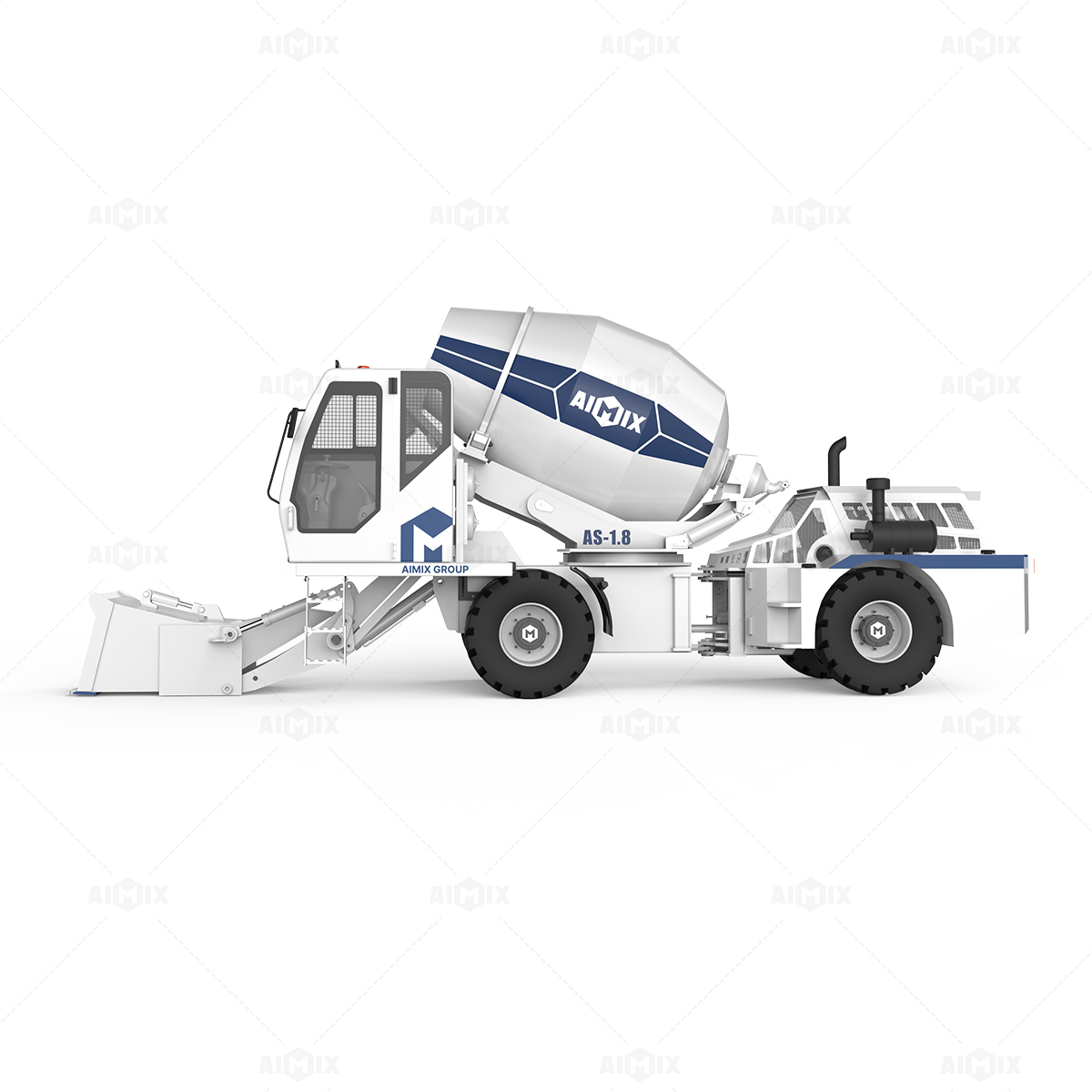
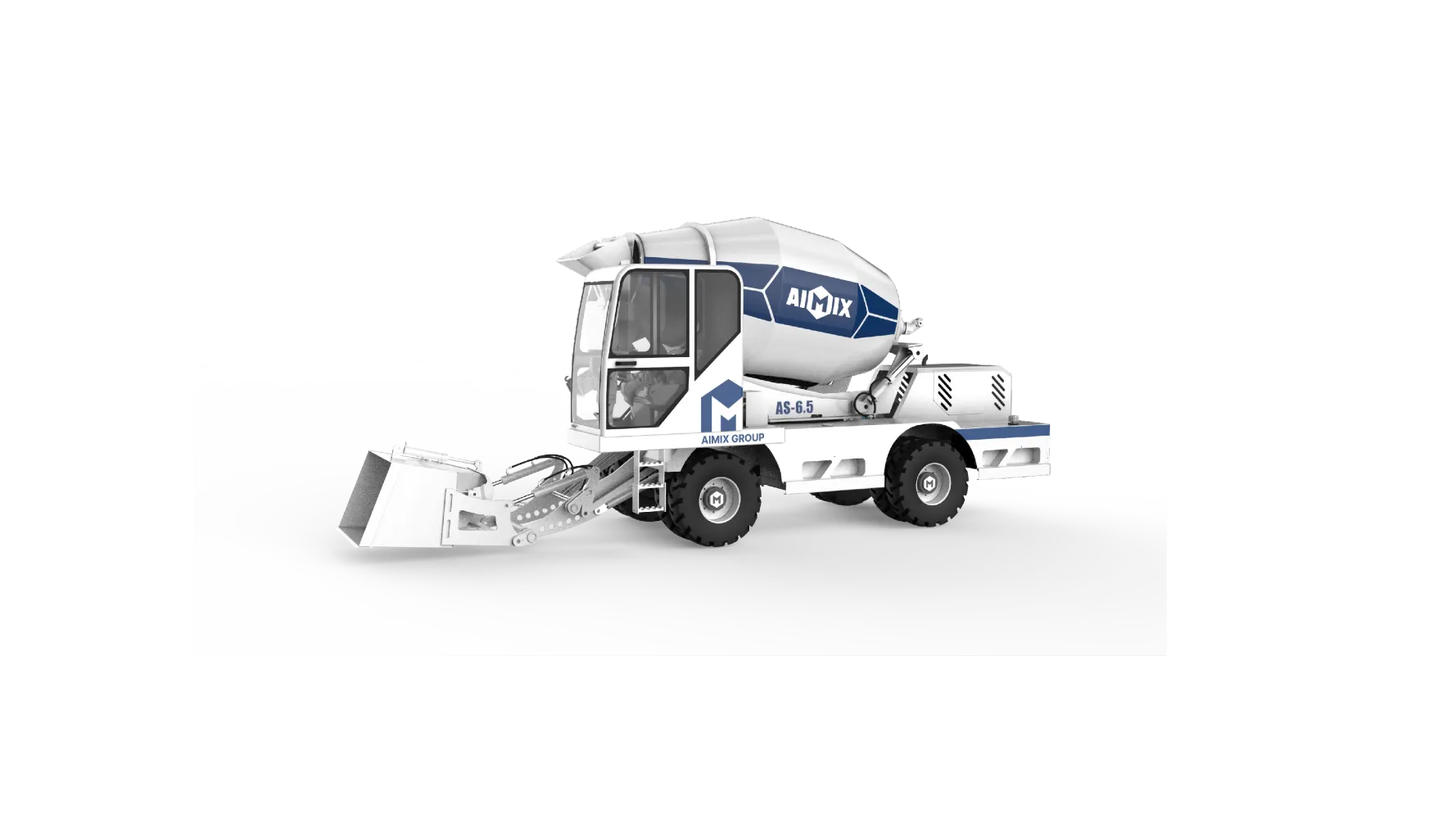
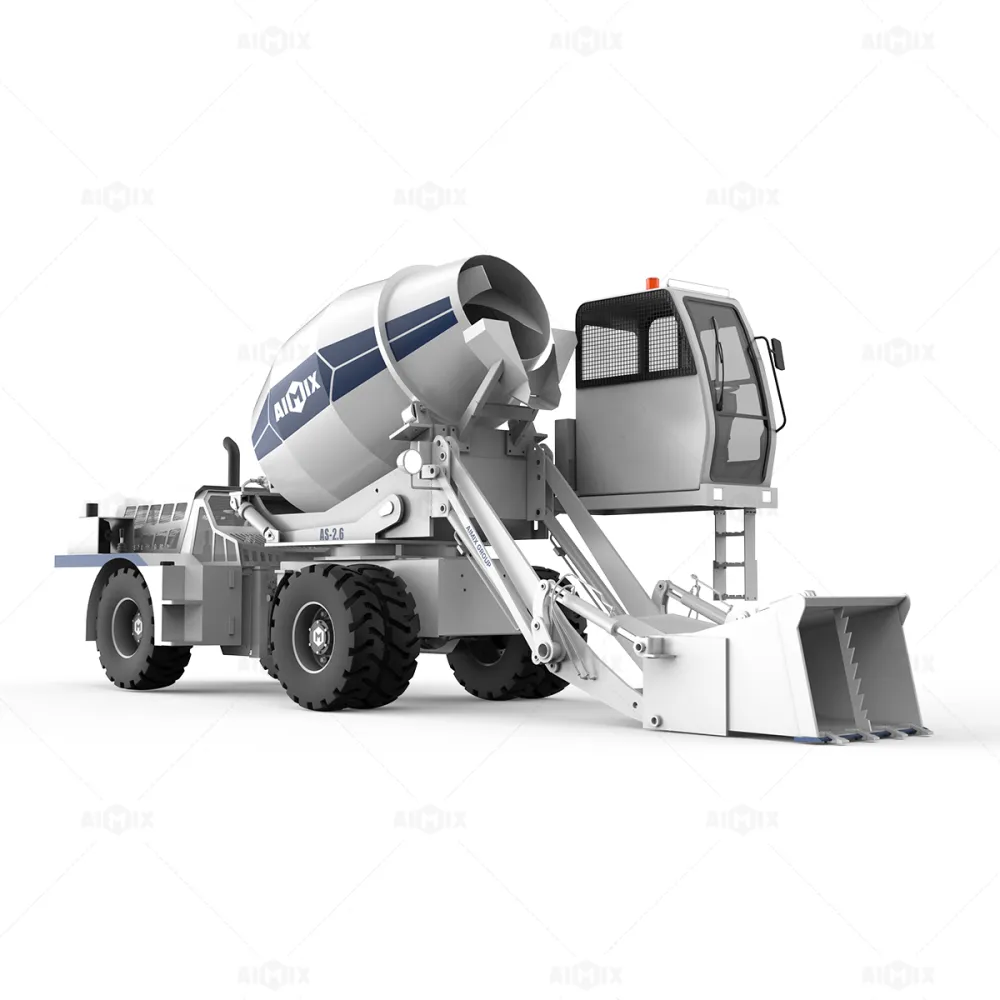
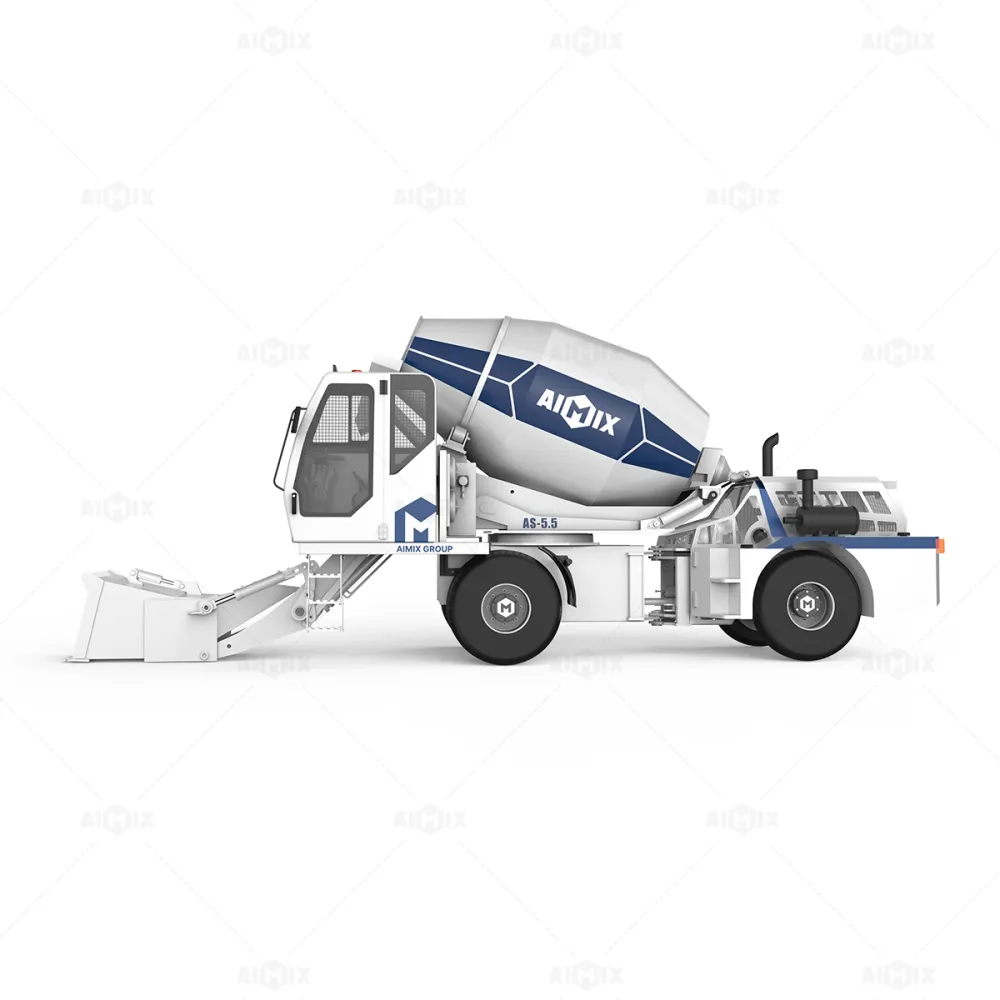
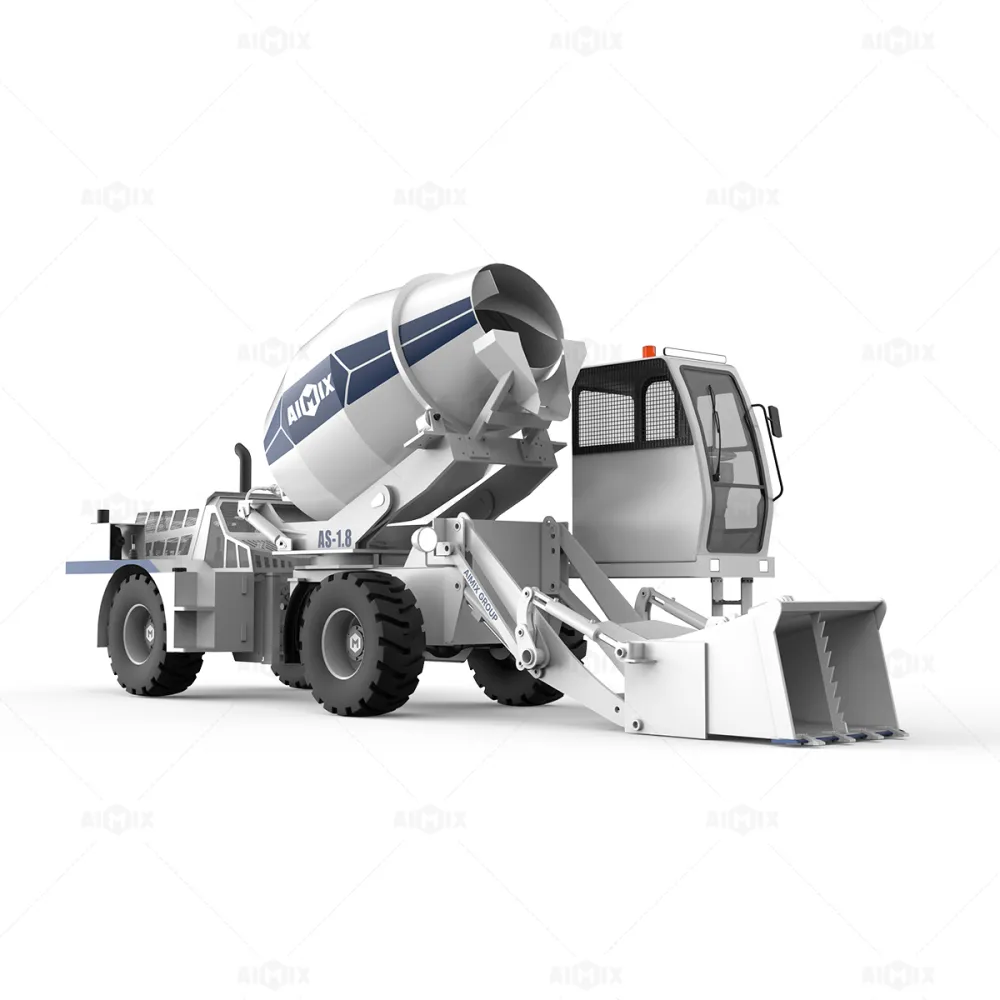
Self - loading concrete mixers, such as the AIMIX AS - 5.5, have several outstanding technical features. It has a single - batch capacity of 5.5m³, which allows it to produce a relatively large amount of concrete in one go. Its compact design is suitable for working in areas with limited space, such as urban construction sites where space is at a premium. The intelligent mixing system ensures that the concrete is mixed evenly, improving the overall quality of the concrete.
On large construction sites, self - loading concrete mixers offer high efficiency. They can load materials, mix, and transport concrete all by themselves, reducing the need for multiple pieces of equipment and manpower. For instance, the AIMIX AS - 5.5 can achieve an hourly output of 22m³, which is significantly higher than some traditional equipment. Moreover, their flexibility allows them to move around the construction site easily, delivering concrete to different locations quickly.
Let's compare self - loading concrete mixers with other common equipment, such as mobile mixing stations and fixed mixing buildings, in terms of efficiency, flexibility, and operation and maintenance costs.
| Equipment Type | Efficiency | Flexibility | Operation and Maintenance Costs |
|---|---|---|---|
| Self - loading Concrete Mixers | High (up to 22m³/h) | Very high, can move freely on the site | Relatively low, simple structure |
| Mobile Mixing Stations | Medium | Moderate, need to be relocated as a whole | Medium |
| Fixed Mixing Buildings | High, but limited by location | Low, cannot be moved | High, complex structure |
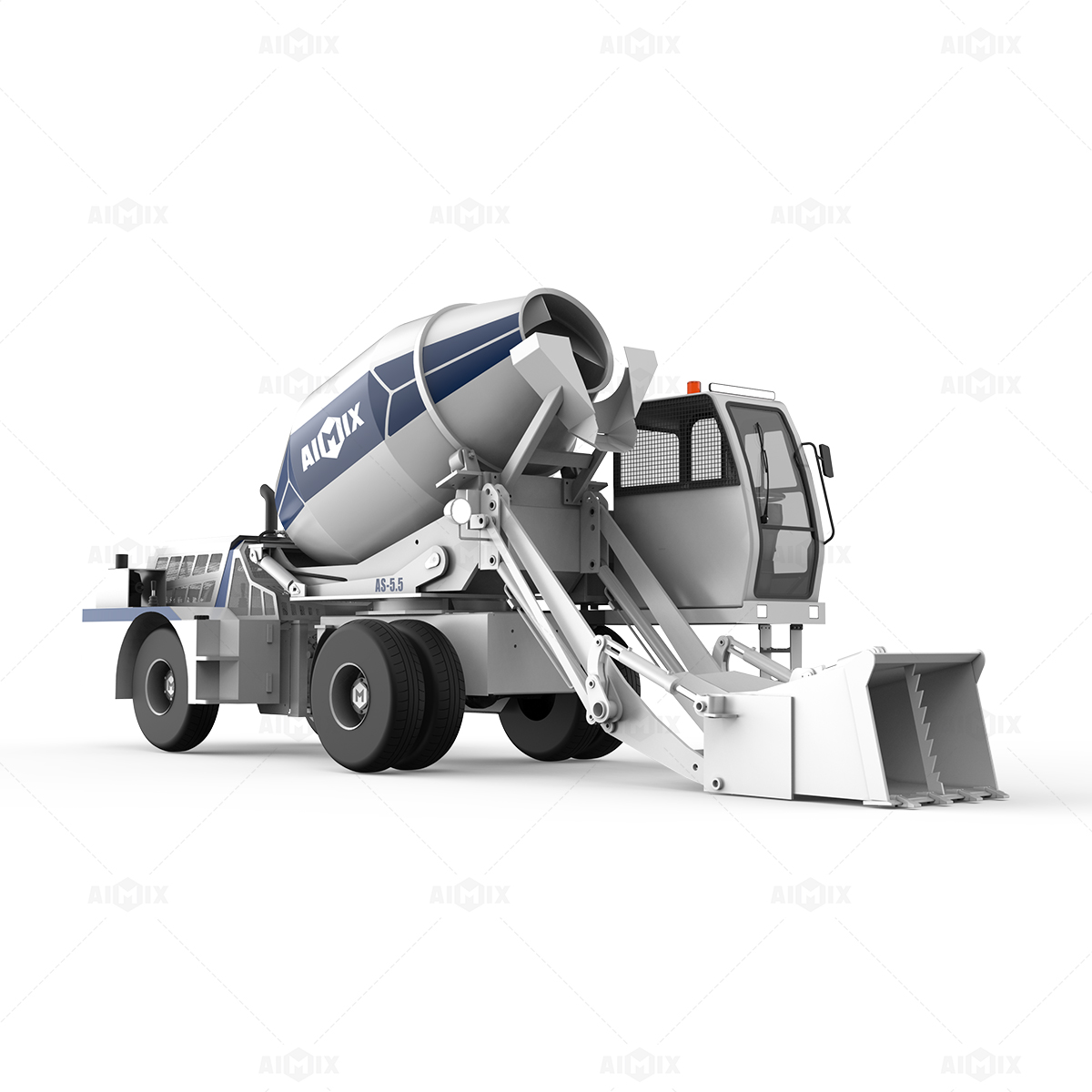
Let's take a real - world case as an example. In a mountainous highway construction project, due to the complex terrain and scattered construction points, a self - loading concrete mixer was chosen. Its high flexibility allowed it to move between different construction sections easily, and its high - efficiency mixing system ensured a continuous supply of concrete. In contrast, in a large - scale industrial park construction project with a large and flat site, a fixed mixing building was used because of its high - volume production capacity.
When selecting concrete mixing equipment, first consider the project scale. For small - to - medium - scale projects, self - loading concrete mixers may be a better choice as they offer flexibility and relatively low cost. For large - scale projects with high - volume concrete demand, fixed mixing buildings or large - capacity mobile mixing stations may be more suitable.
Next, consider the site conditions. If the site has limited space or complex terrain, self - loading concrete mixers are more adaptable. If the site is large and flat, and the equipment does not need to be moved frequently, fixed mixing buildings can provide stable and high - volume production.
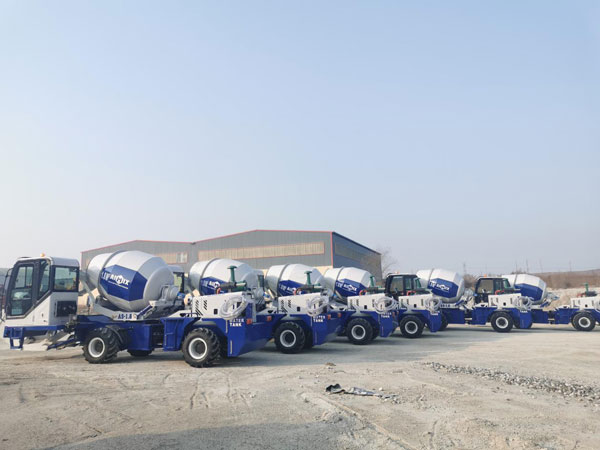
Making a scientific choice of concrete mixing equipment can significantly improve project progress and cost - effectiveness. If you are still unsure about which equipment to choose for your project, click here for more professional advice. We encourage you to leave your questions and comments below, and we will do our best to answer them.