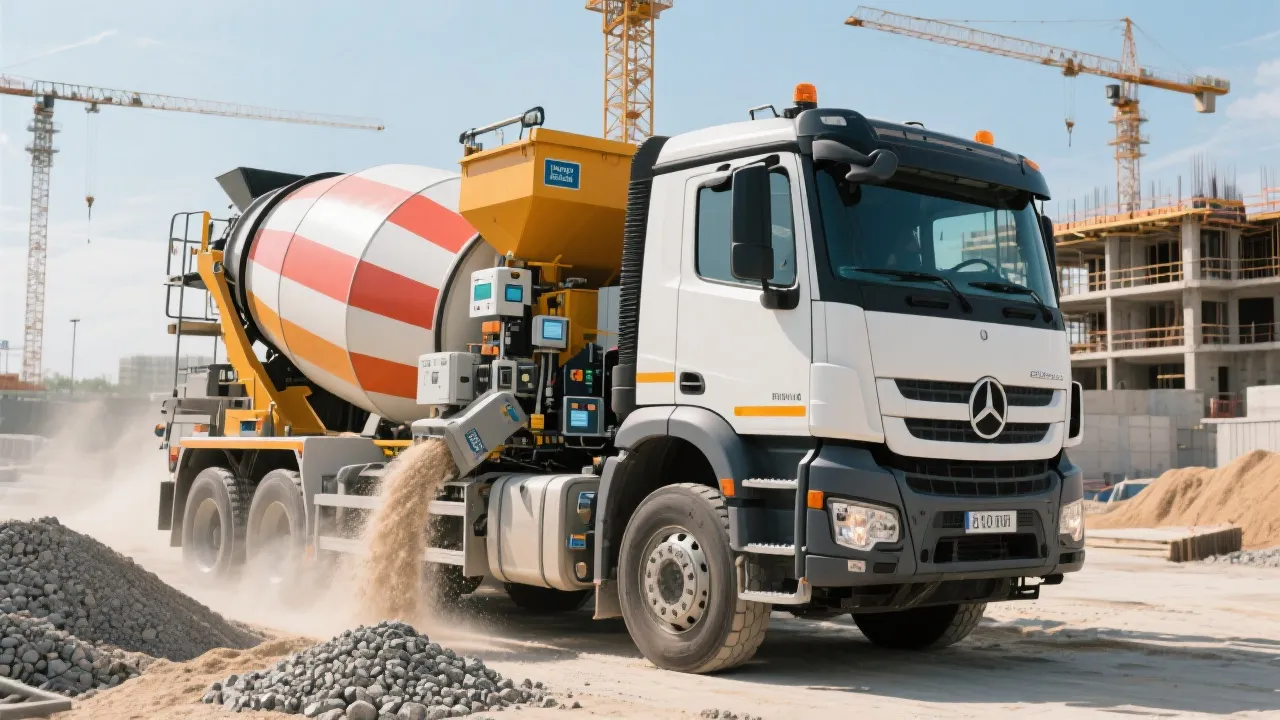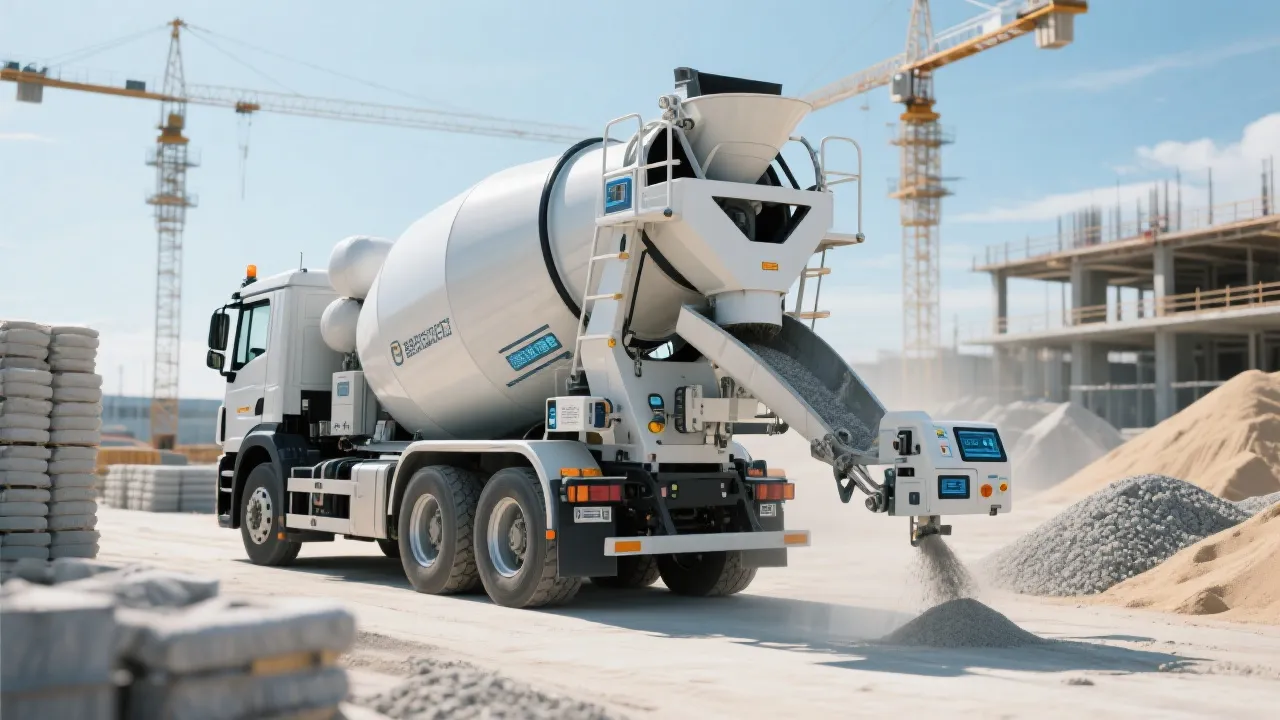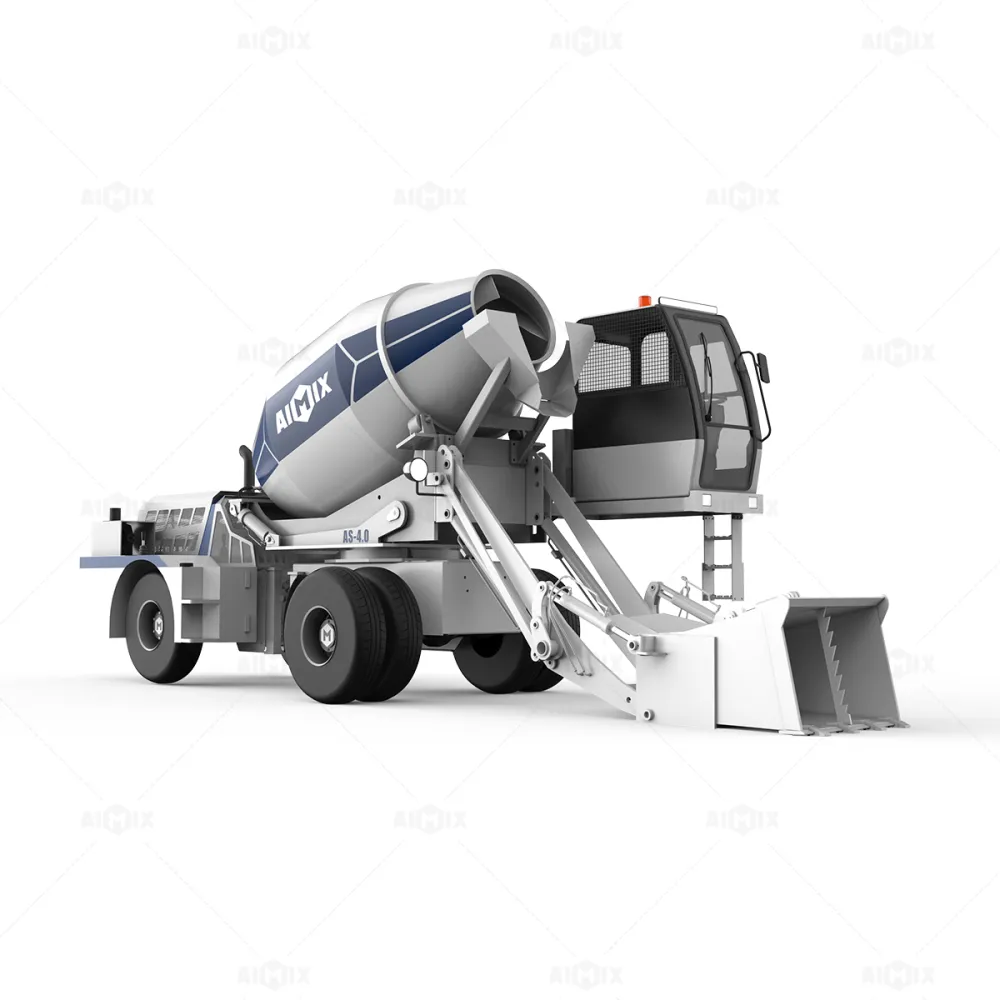
As an engineer with years of experience in construction machinery, I've witnessed firsthand the challenges that come with concrete mixing on non-flat terrains such as rural and mountainous areas. Traditional concrete mixers often struggle with issues like slippage, inaccurate material distribution, and frequent downtime, leading to decreased efficiency.
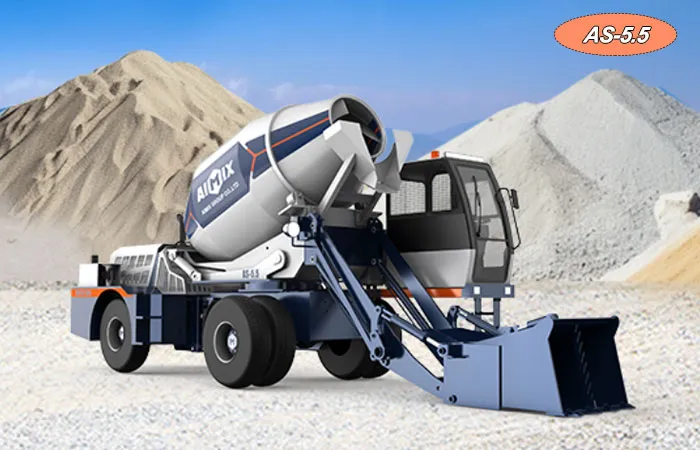
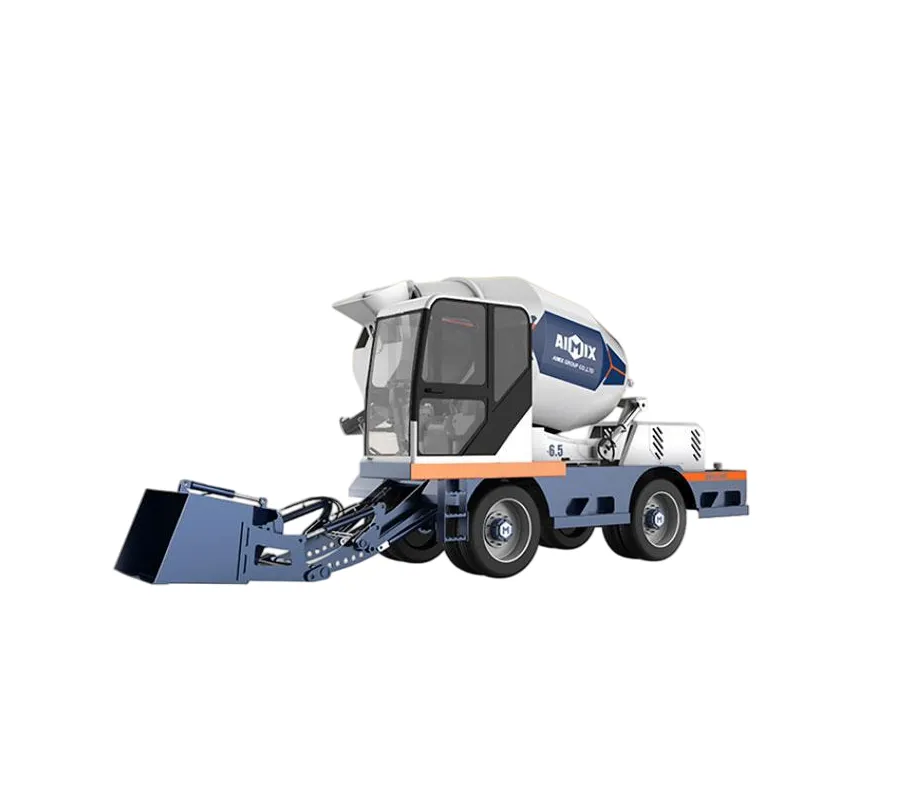
In this article, I'll introduce you to the AS - 2.6 2.6 cubic meter self - loading mixer, which is a game - changer for non - flat terrain construction. Let's first look at the difficulties we face in complex terrains.
Working on slopes, muddy ground, or in narrow passages is no easy feat. Slopes can cause traditional mixers to lose balance, leading to slippage. Muddy ground increases the risk of the machine getting stuck, and narrow passages limit the mobility of large and inflexible mixers. All these factors contribute to inefficiency and high downtime. In fact, in some cases, traditional machines can experience a downtime of up to 40% on non - flat terrains.
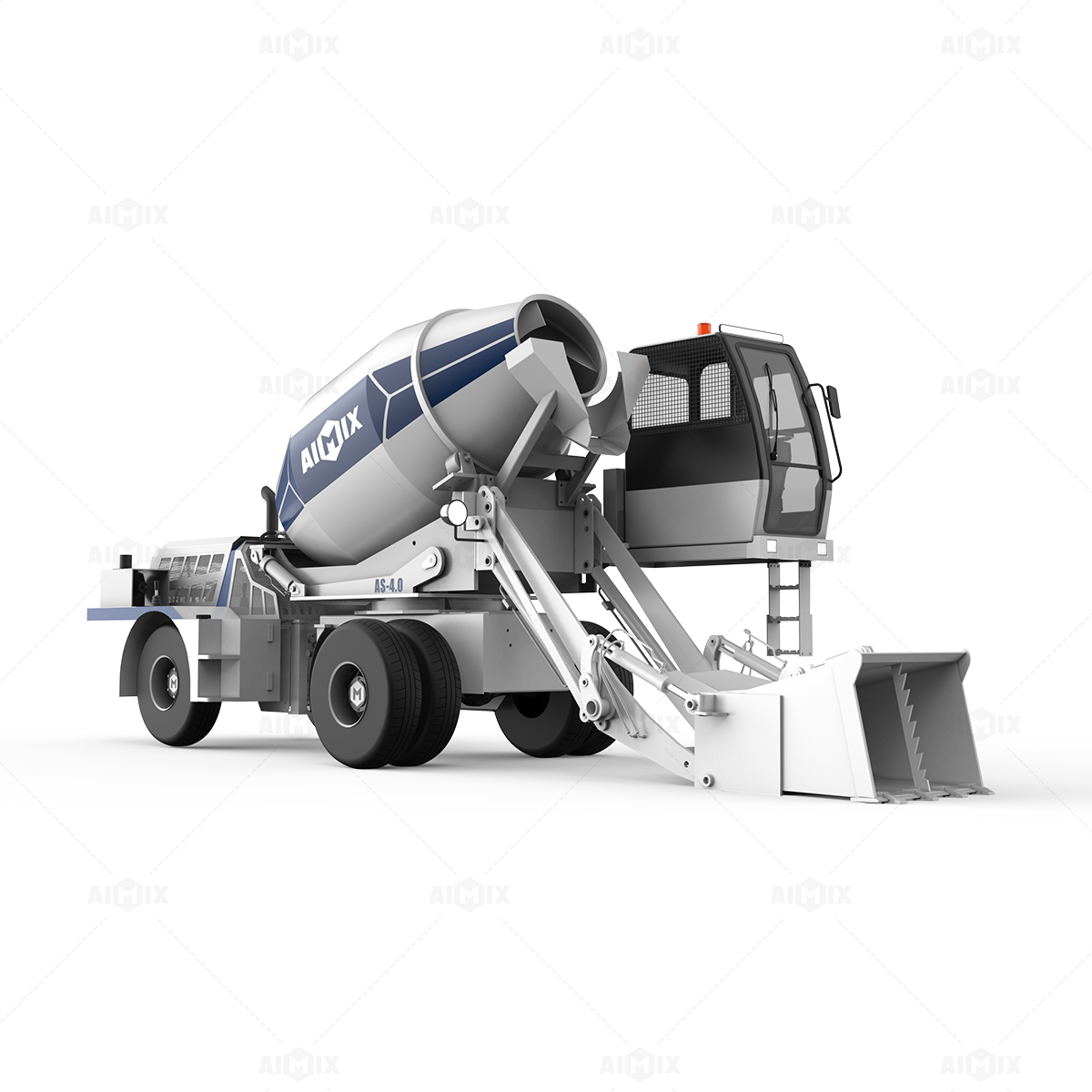
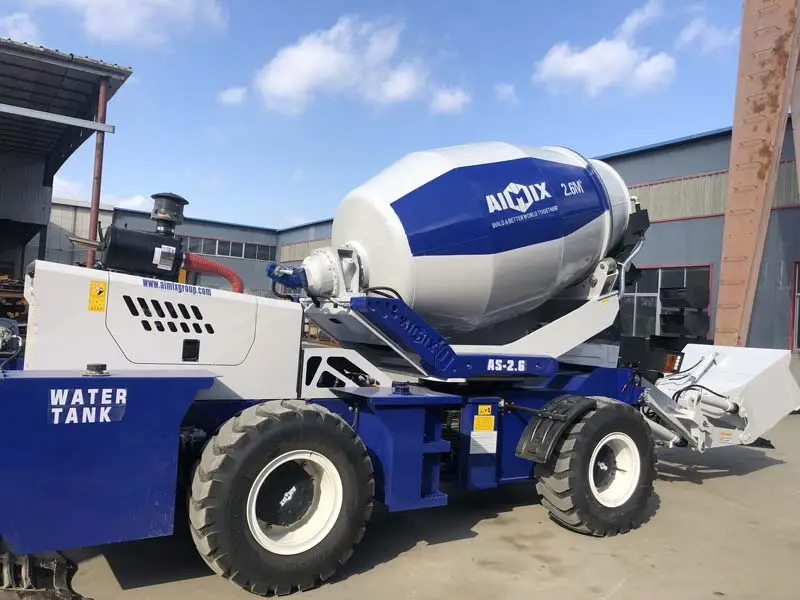
The AS - 2.6 is equipped with an articulated frame, which significantly enhances steering flexibility. It can make tight turns, even in narrow spaces. Compared to traditional non - articulated mixers, the steering radius of the AS - 2.6 is reduced by 30%, allowing it to operate effectively in confined areas.
The engineering tires on this mixer are designed to optimize the distribution of ground pressure. They have a special anti - slip pattern that provides excellent traction on slopes and muddy surfaces. This means that the mixer is less likely to slip, reducing the risk of accidents and downtime. In a recent project, the use of the AS - 2.6 with these engineering tires increased the daily production by 44% compared to traditional models.
One of the most outstanding features of the AS - 2.6 is its 270° rotating mixing drum. This allows for precise control of the pouring angle. Whether it's over a long distance or into a small, hard - to - reach area, the 270° rotation ensures accurate material placement.
The drum also has great adaptability in terms of flow rate matching and ground conditions. It can adjust the pouring speed according to the project requirements, ensuring a consistent quality of concrete placement. In some projects with uneven ground, the AS - 2.6's 270° rotating drum was able to complete the pouring task 25% faster than traditional mixers.
I remember a project in a mountainous area where we first used a traditional concrete mixer. The work progress was extremely slow. The mixer would often slip on the slopes, and the material distribution was so inaccurate that we had to do a lot of manual re - work. The daily output was only about 30 cubic meters, and the downtime due to various issues was more than 3 hours a day.
When we switched to the AS - 2.6, the situation changed dramatically. The articulated frame and engineering tires allowed it to move smoothly on the slopes, and the 270° rotating drum ensured accurate material placement. The daily output increased to over 44 cubic meters, and the downtime was reduced by 30%.
To help you quickly master the operation of the AS - 2.6 on non - flat terrains, here is a simple "Three - Step Judgment" checklist:
You can see from the following schematic diagram how these components of the AS - 2.6 work together to achieve better performance on non - flat terrains.
Have you encountered any terrain - related problems in your construction projects? Share your experiences in the comment section below!
Discover the AS - 2.6 Self - loading Mixer for Your Non - flat Terrain Projects!

.jpg?x-oss-process=image/resize,h_1000,m_lfit/format,webp)