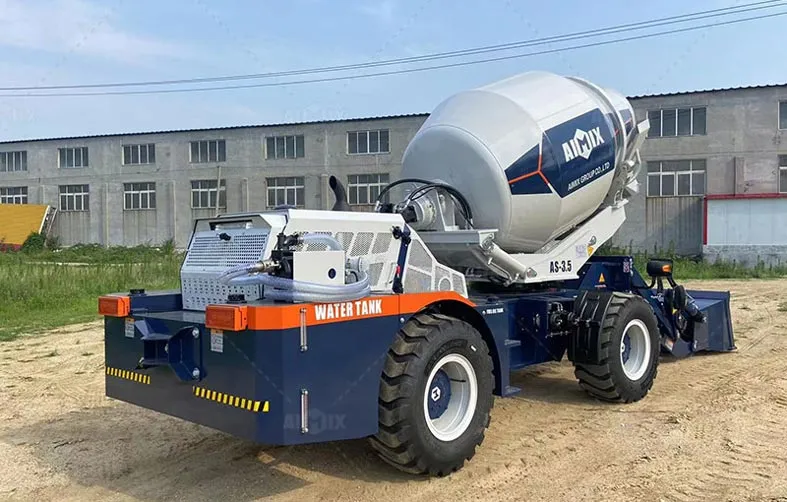
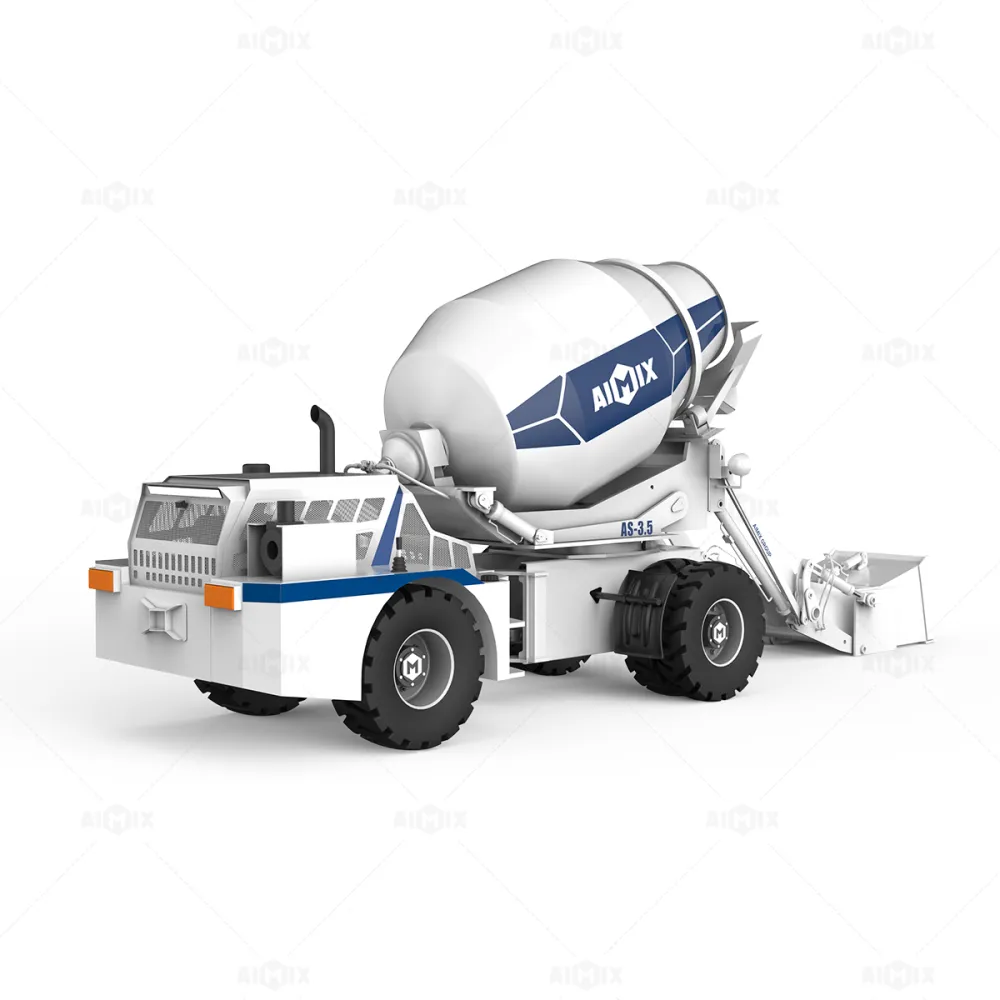
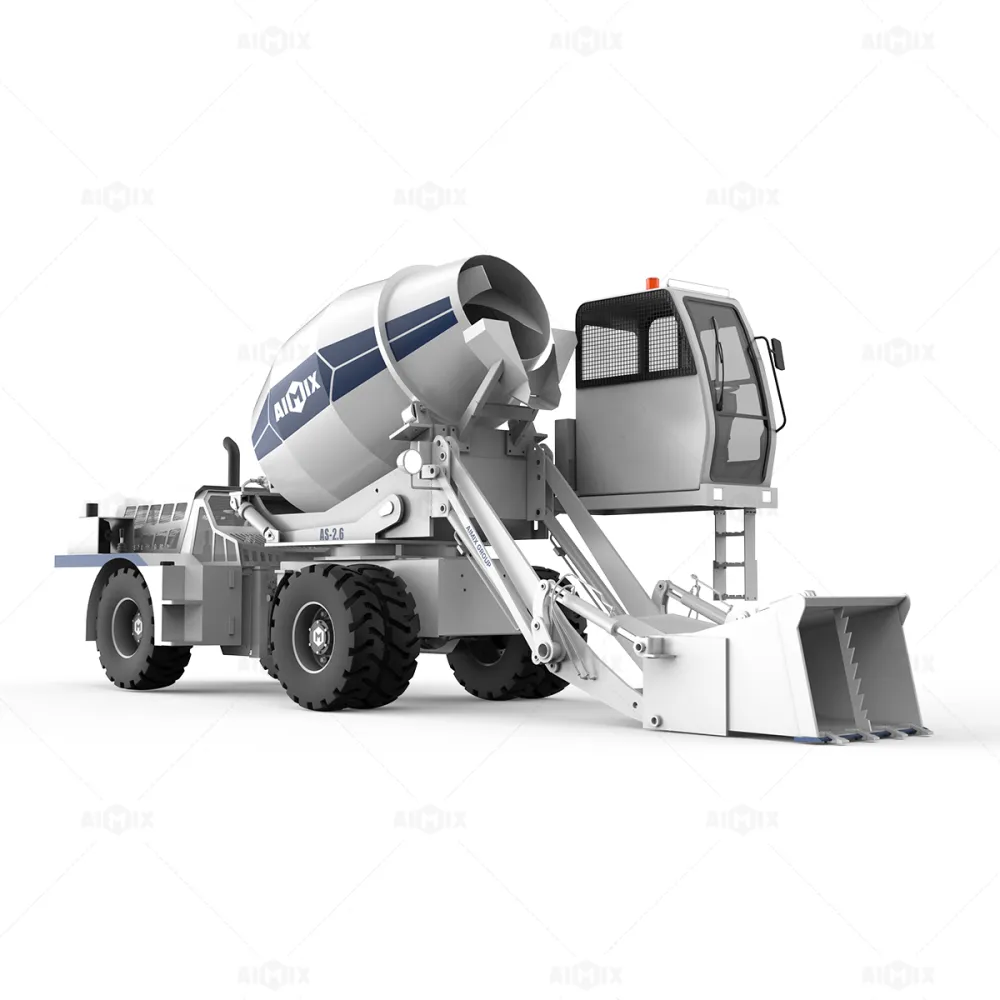
Southeast Asia’s construction landscape is defined by a punishing combination of high temperatures and incessant rainfall. These environmental stresses pose unique challenges for equipment selection, particularly when it comes to concrete mixers that must deliver reliability, resilience, and operational efficiency. Selecting the right concrete mixer is not just about capacity—it's about how well the machine adapts to climate conditions, electrical infrastructure, and project scale.
Prolonged humidity levels exceeding 80% and average daily temperatures often peaking above 32°C can accelerate corrosion and wear in construction equipment. Additionally, many local sites experience fluctuating power voltages, ranging between 380V-440V in urban centers and irregular supply in rural zones.
Concrete mixers must therefore feature both robust anti-corrosion components and adaptable electrical systems to maintain uninterrupted performance under these volatile conditions. Machines designed without such adaptations risk frequent breakdowns—industry data indicates an average failure rate increase by 27% for standard mixers used in Southeast Asia without climate customization.
While larger-capacity mixers might seem appealing for their volume, practical field evaluations show a sweet spot at the 2.6m³ range for small to medium projects common in this region.
| Parameter | 2.6m³ Mixer | 4.0m³ Mixer | 6.0m³ Mixer |
|---|---|---|---|
| Average Mixing Cycle (min) | 2.5 | 3.7 | 5.2 |
| Energy Consumption per Batch (kWh) | 14.3 | 22.1 | 31.7 |
| Maintenance Frequency (monthly) | 1 | 1.8 | 2.5 |
As illustrated, the 2.6m³ mixer offers quicker mixing cycles and significantly lower energy consumption, translating into cost savings and less downtime. Its manageable size also places less stress on often fragile site foundations—a common problem overlooked by larger machines that can cause project delays.
High-efficiency concrete mixers optimized for Southeast Asia incorporate:
A mid-sized infrastructure project in Malaysia deployed a 2.6m³ mixer and reported a 22% reduction in equipment-related stoppages compared to previous cycles employing larger mixers. Additionally, due to efficient energy usage and tailored maintenance scheduling, project managers noted overall cost savings of roughly 18% on operational expenses.

Buyers often fall into traps such as:
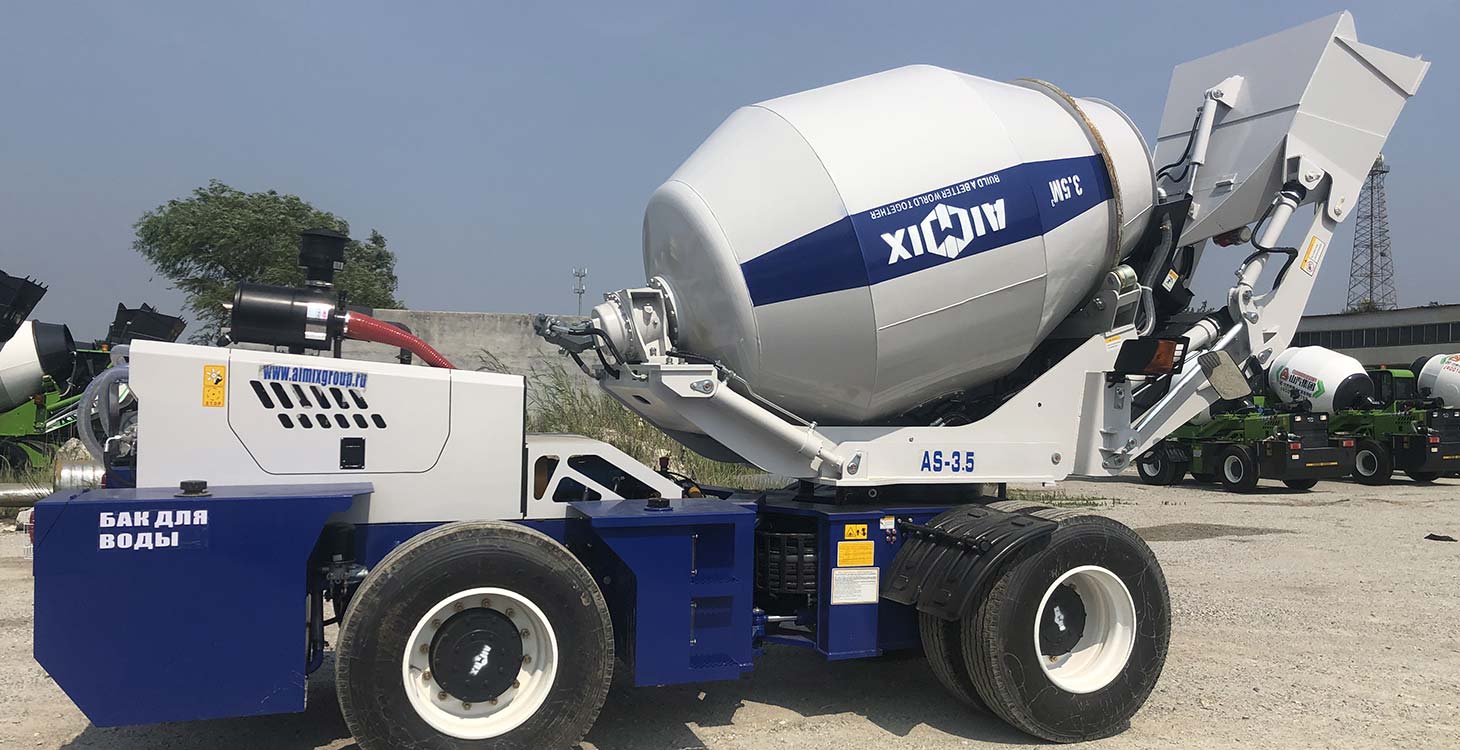
To make confident decisions, construction managers should rely on a clear set of parameters that measure efficiency, adaptiveness, and cost-effectiveness rather than just machine size.
A practical decision hierarchy might look like this:
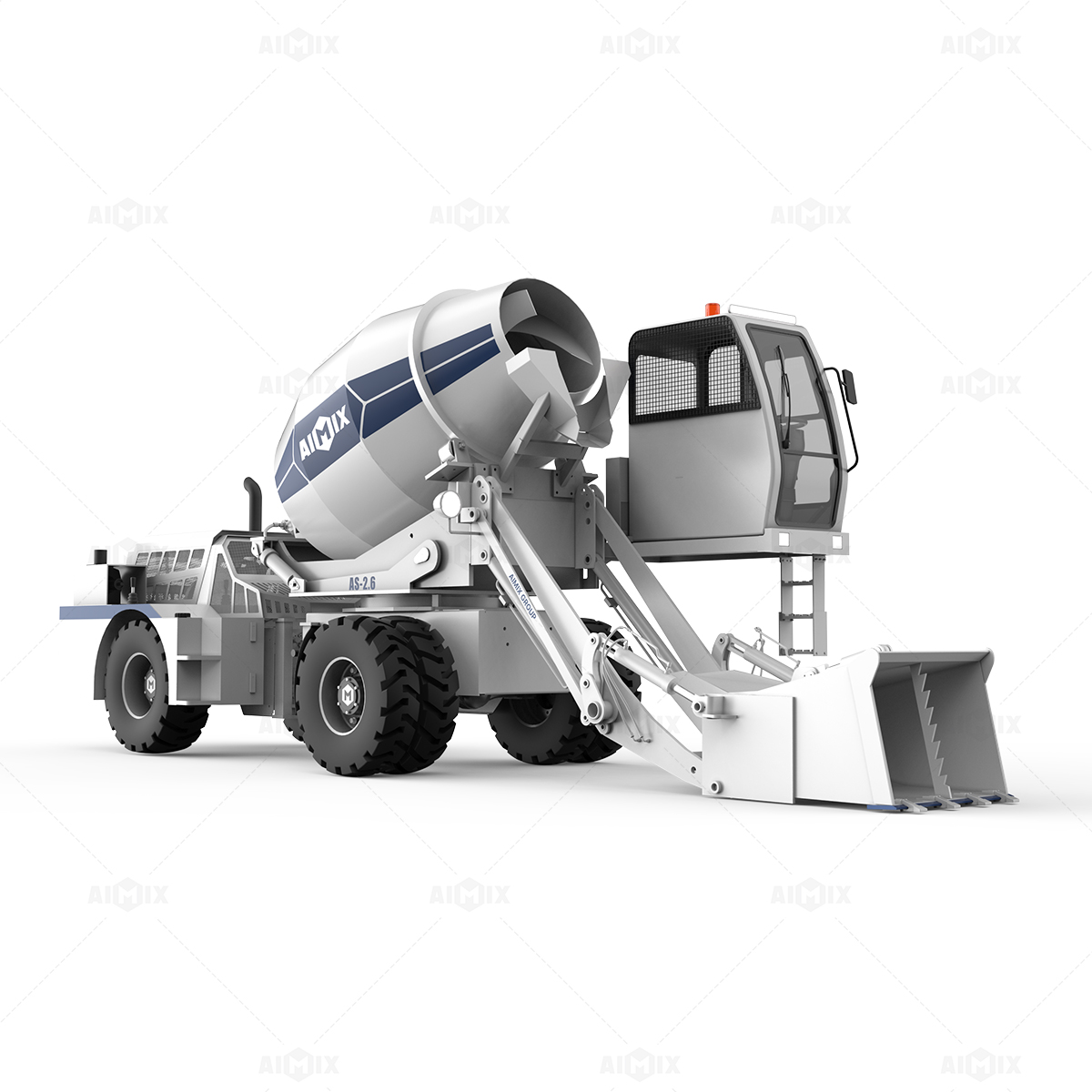
This structured approach ensures each investment maximizes value, delivering more than just a machine but a guarantee of smoother, uninterrupted project delivery.
When selecting construction machinery in climates like Southeast Asia, have you considered how much the environmental and electrical compatibility affects your operational efficiency? Share your experiences or questions below, and let’s explore solutions that make every cent count.



.jpg?x-oss-process=image/resize,h_1000,m_lfit/format,webp)