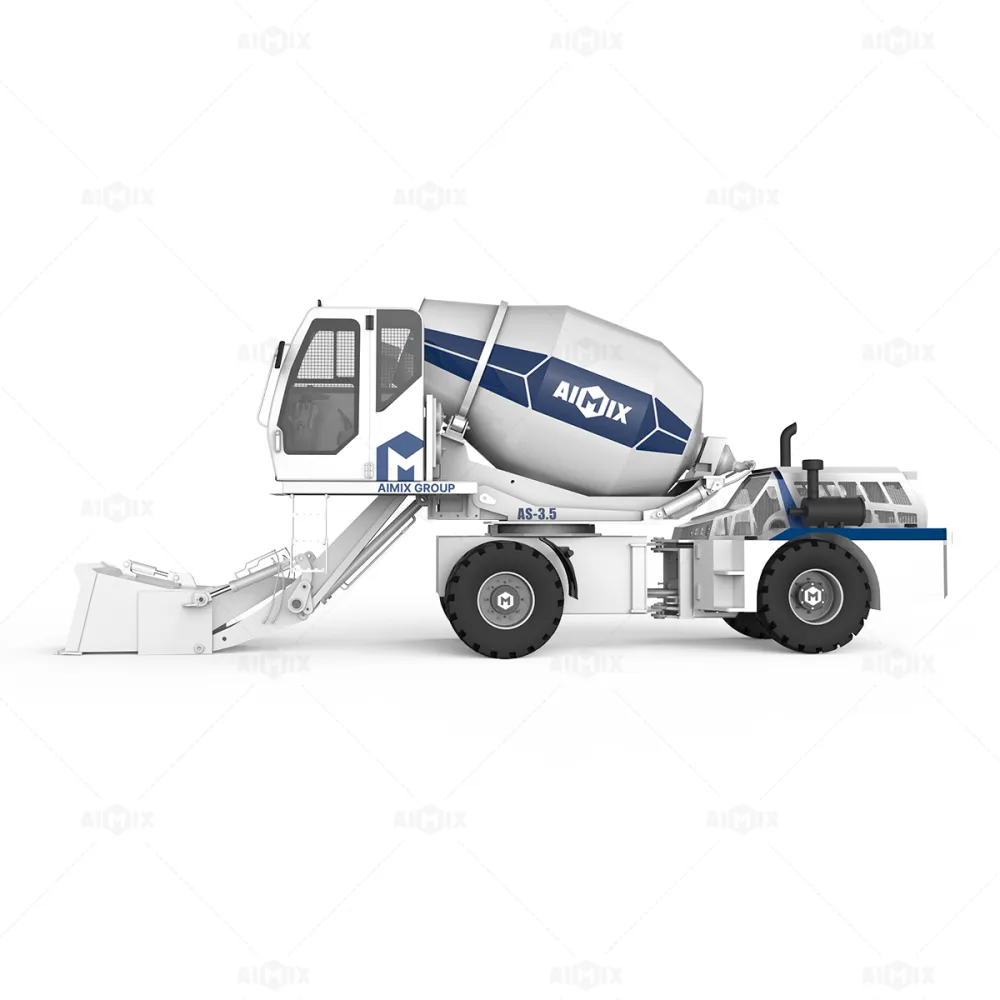
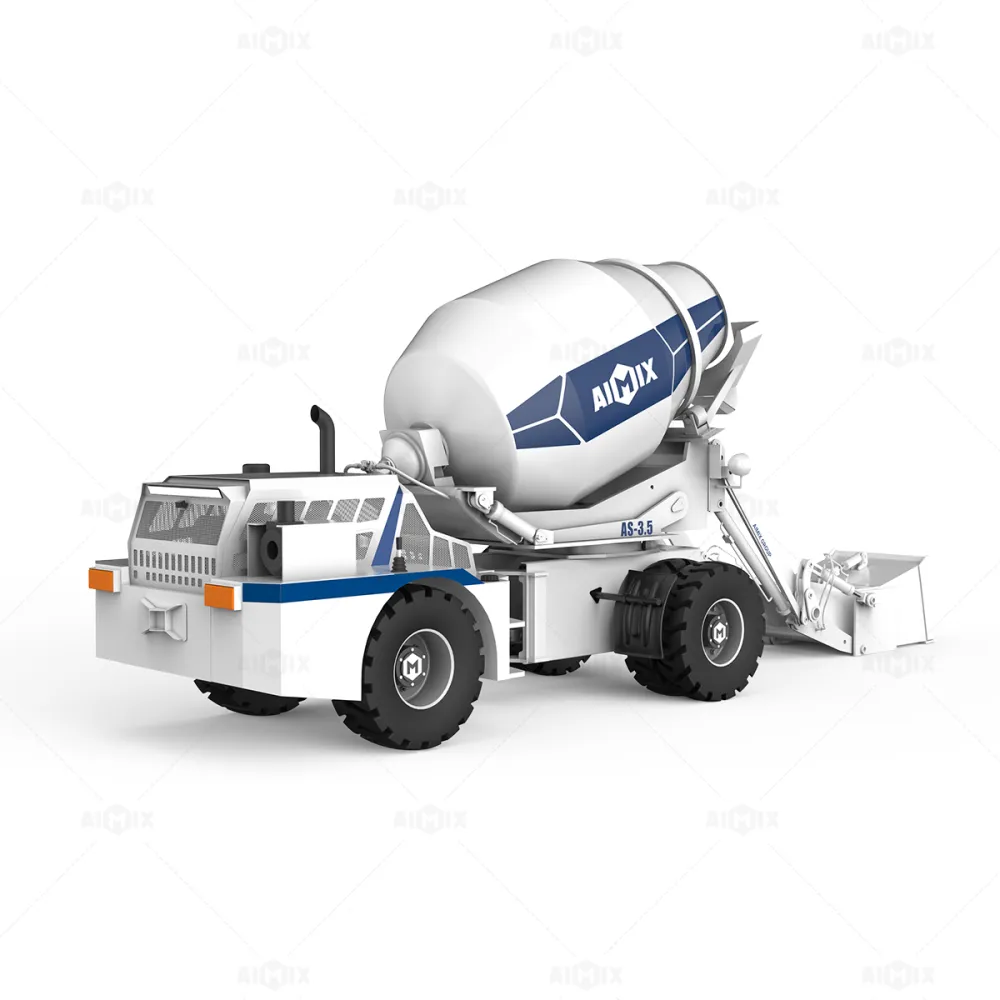
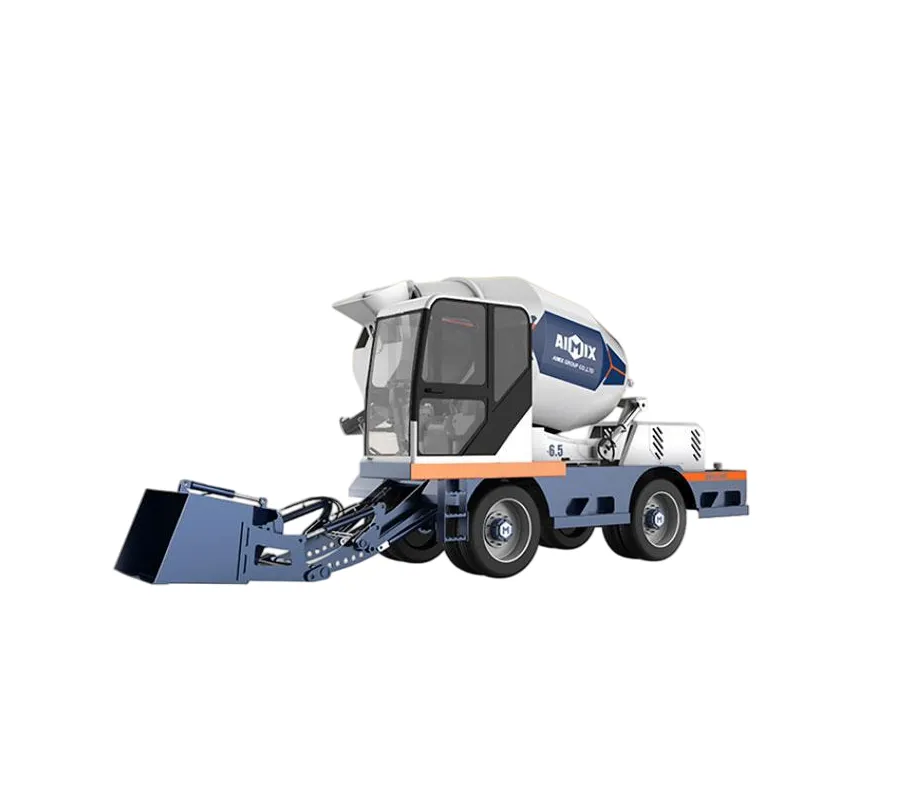
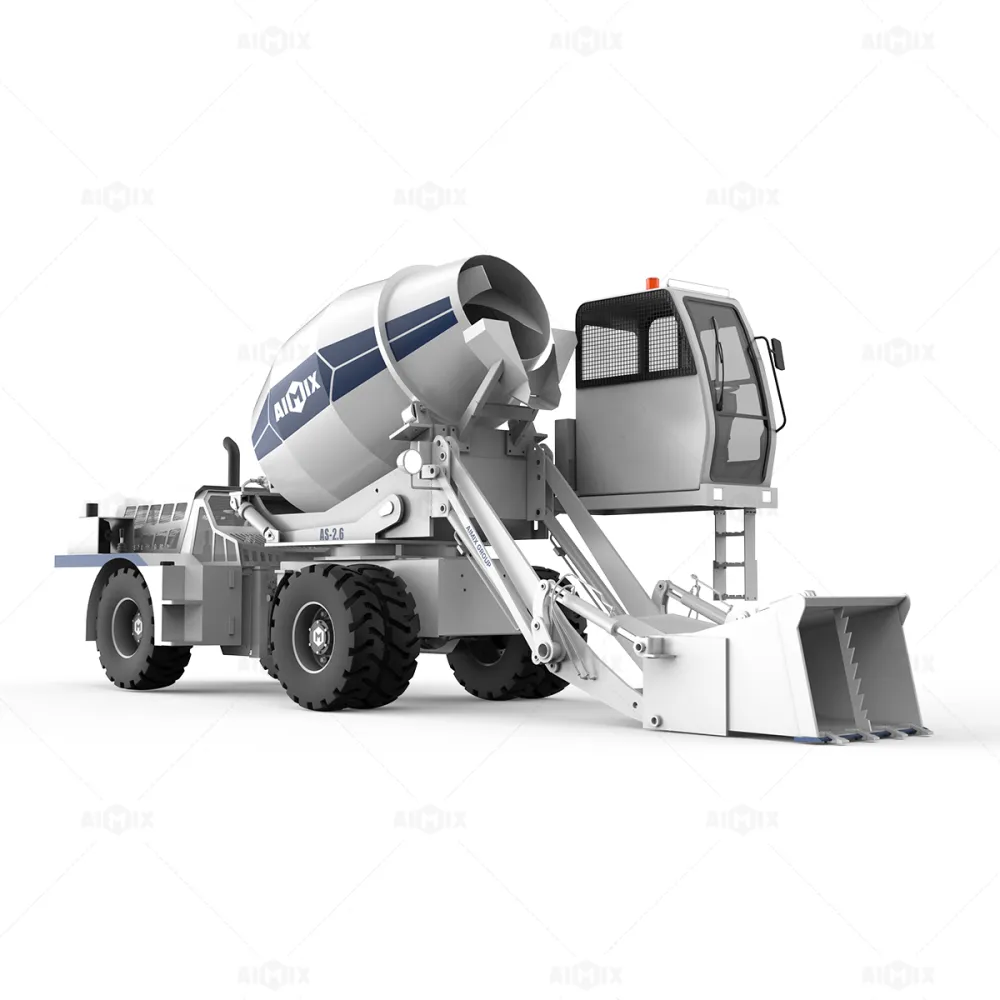
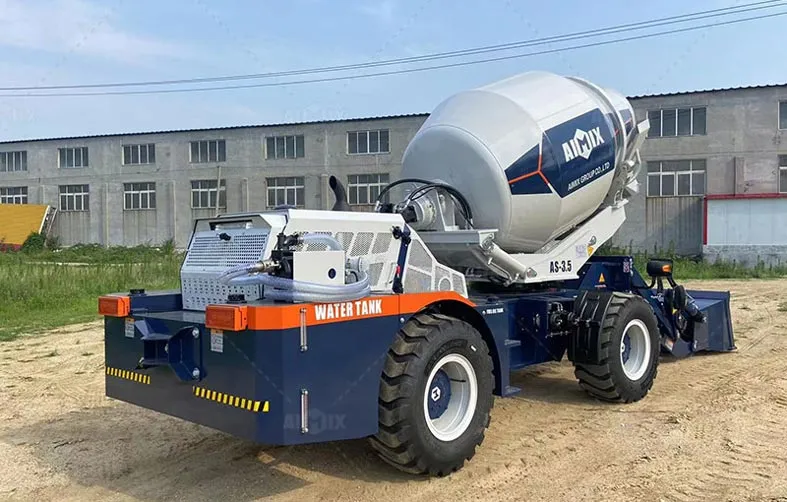
Selecting High-Efficiency 2.6m³ Concrete Mixers for Southeast Asia’s Hot and Humid Climate: Four Key Parameters Explained
05 04,2026
Application Tutorial
This article offers an in-depth analysis of selecting 2.6 cubic meter concrete mixers suitable for Southeast Asia’s challenging hot and rainy environment. Focusing on four essential parameters—mixing efficiency, equipment durability, maintenance convenience, and power compatibility—it integrates real-world case studies and market research. The insights guide construction professionals in making informed decisions, avoiding common pitfalls, and enhancing project efficiency and cost-effectiveness. Particularly beneficial for small to medium-sized projects, this comprehensive guide provides practical references and promotes the high value of AIMIX mixers adapted for complex Southeast Asian climates.

Selecting Efficient Concrete Mixers for Southeast Asia’s High Temperature, Rainy Environment: A Deep Dive into 2.6 Cubic Meter Mixers
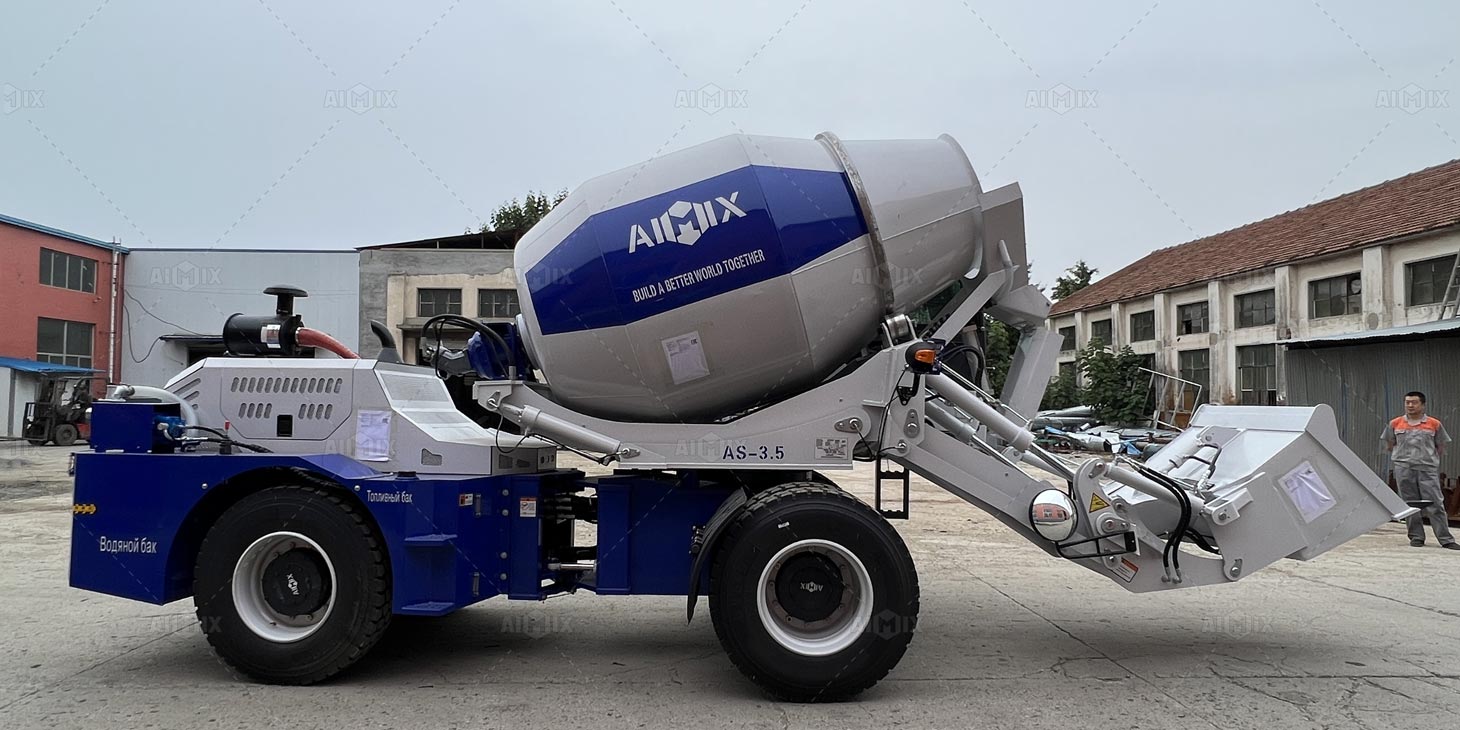
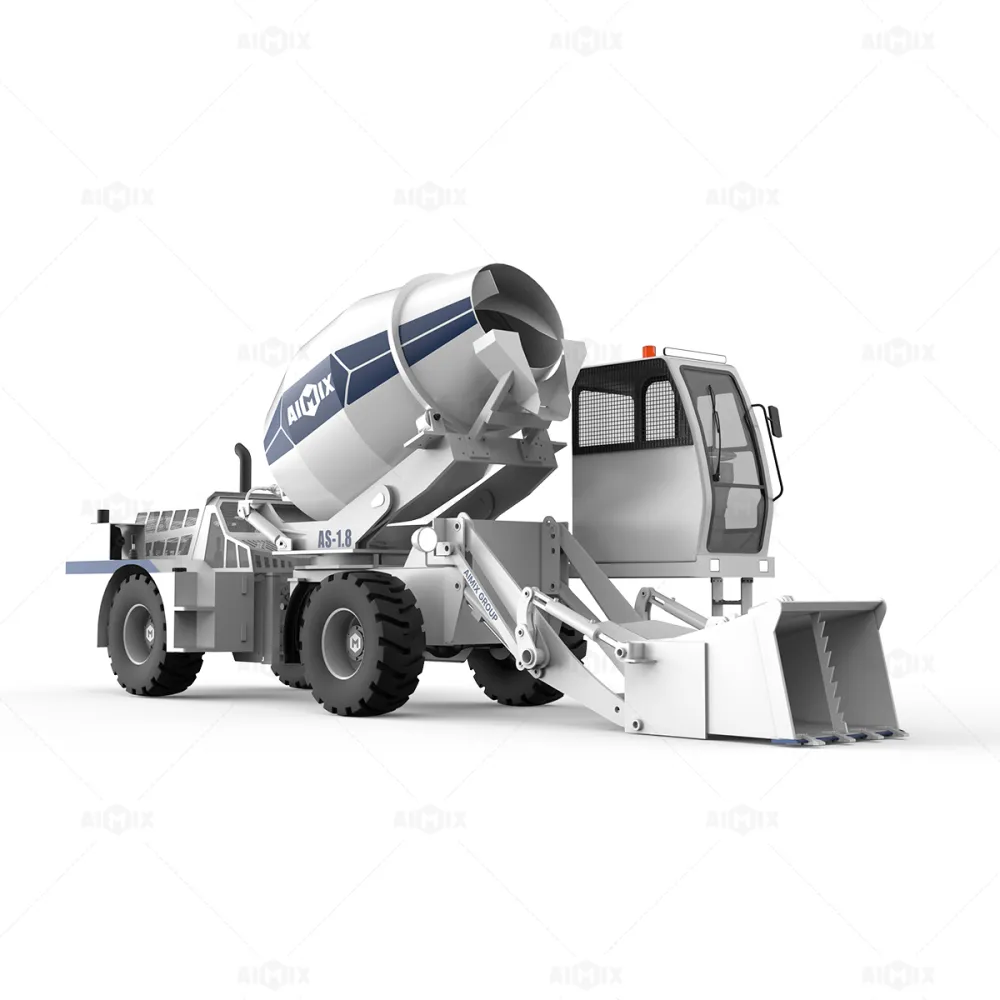
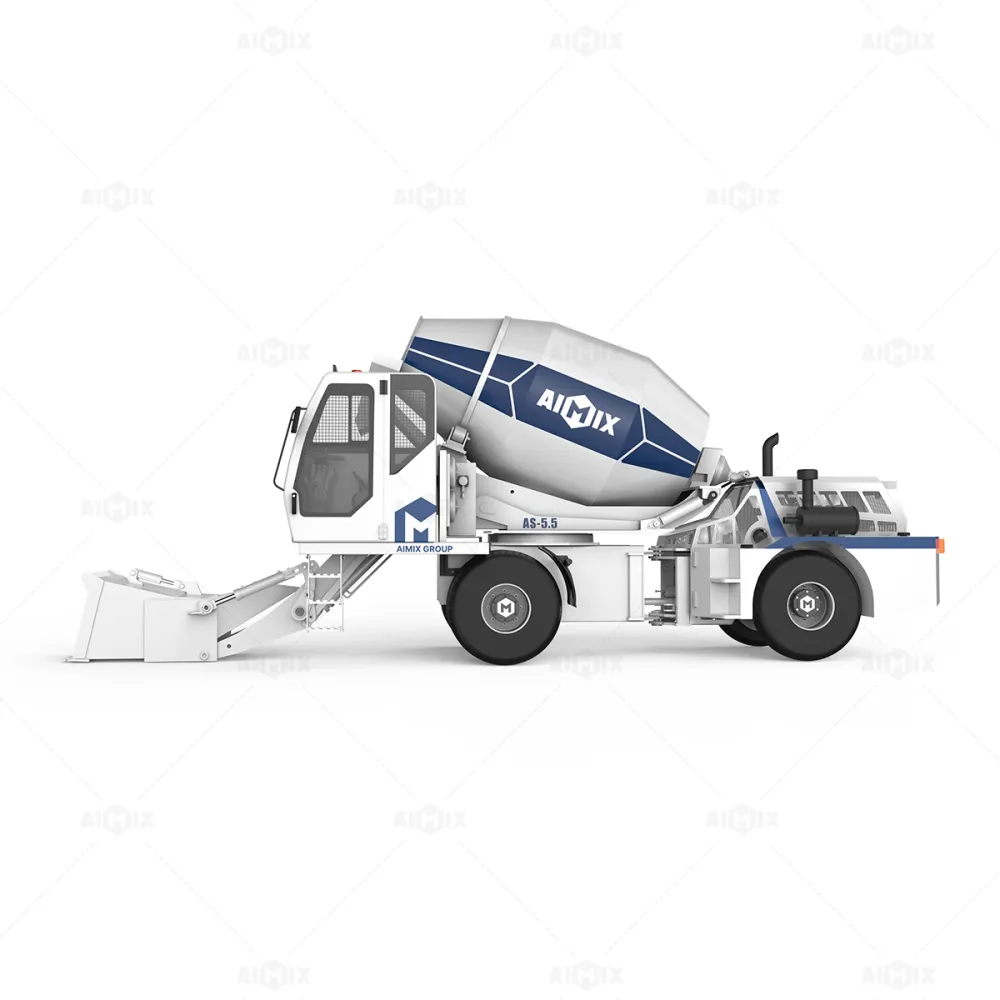
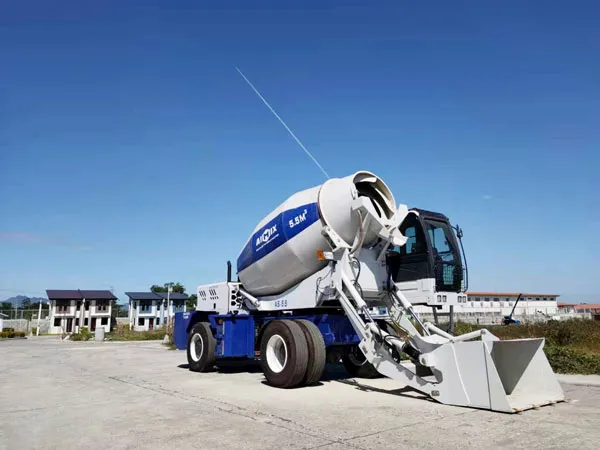
Operating construction machinery in Southeast Asia requires a specialized approach, especially when it comes to selecting high-performance concrete mixers that can withstand the region’s unique climatic challenges — namely, high temperatures combined with frequent heavy rainfall. The 2.6 cubic meter concrete mixer stands out as a preferred choice for many builders managing small to medium-scale projects in this demanding environment.
Key Parameters to Evaluate for Optimal Performance
Choosing the right concrete mixer means balancing multiple factors that directly affect efficiency, durability, maintenance, and power compatibility. Below we dissect four core parameters to guide selection efforts.
1. Mixing Efficiency
High mixing efficiency reduces batch times, ensuring quicker project turnover. The ideal 2.6 m³ mixer in Southeast Asia should achieve a uniform blend within 3 to 5 minutes, minimizing material segregation in humid conditions. Look for advanced paddle designs or twin-shaft configurations proven to maintain consistency despite weather-induced variability in aggregate moisture.
2. Equipment Durability
With frequent tropical rains and moisture, corrosion resistance is critical. Components crafted with stainless steel or treated alloys and reinforced protective coatings extend machine life. Data from regional market surveys indicate that mixers lacking proper corrosion protection have 30% shorter operational lifespan in Southeast Asia.
3. Maintenance Convenience
Maintenance complexity can pose delays and cost overruns. Models featuring modular parts and easy-to-access service panels lower downtime. According to case studies, mixers designed for quick cleaning and part replacement reduce annual maintenance hours by up to 25%, vital for projects where labor resources are constrained.
4. Power Adaptability
Given Southeast Asia’s variable electricity infrastructure, equipment that supports dual voltage inputs or diesel-powered alternatives ensures uninterrupted operation. Opting for mixers compatible with 220V to 380V systems or diesel engines reduces power failure risks, directly impacting project timelines.
Real-World Insights: Market Data and Case Applications
Recent market research highlights that the 2.6 m³ mixers capture over 40% of the small to medium-sized construction equipment segment in Southeast Asia, largely due to their high cost-effectiveness and adaptability to local environmental factors.
For example, a mid-sized residential developer in Malaysia replaced larger, less adaptable machines with a 2.6 m³ high-efficiency mixer featuring corrosion-resistant components and modular maintenance design. The result was a 15% boost in batching output and significant reductions in equipment downtime during the monsoon season.

Furthermore, BIM-based project schedules using these mixers have recorded up to 10% faster delivery times, underlying the blend of performance and reliability.
Avoiding Common Missteps in Mixer Selection
During selection, there is a tendency among some contractors to prioritize larger capacity units under the assumption that “bigger is better.” However, oversized mixers in wet, unstable ground conditions typical of Southeast Asia can cause excessive foundation stress and reduced mobility.
Another frequent oversight is neglecting the local power supply compatibility, which often leads to frequent machine shutdowns and costly repair cycles.
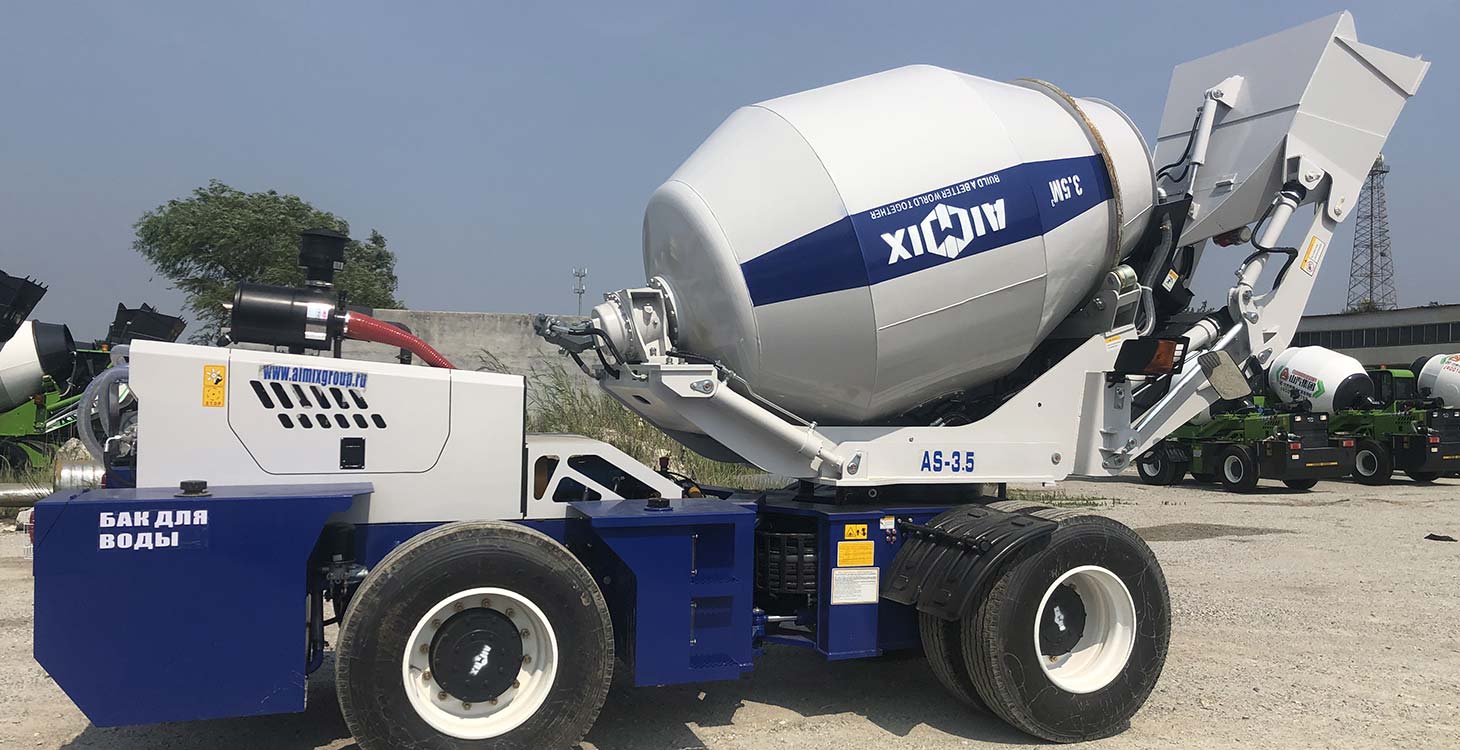
Choosing the 2.6 m³ mixer provides a balanced solution, easing transportation and setup while sufficiently meeting on-site concrete demands.
Interactive Q&A: Supporting Smarter Decisions
Q1: How does high humidity affect mixer performance?
A1: Elevated humidity can increase mix water content unpredictably, compromising concrete quality. Efficient mixers with precise paddle design ensure thorough mixing and compensate for moisture fluctuations.
Q2: Is diesel operation advisable in regions with unstable electricity?
A2: Absolutely. Diesel-compatible mixers offer operational independence from grid power, reducing disruption risks.
Q3: Can 2.6 m³ mixers handle large-scale projects?
A3: They are optimized for small-to-medium projects. For larger sites, planning multiple units or bigger capacity machines is advisable but consider terrain and handling constraints.