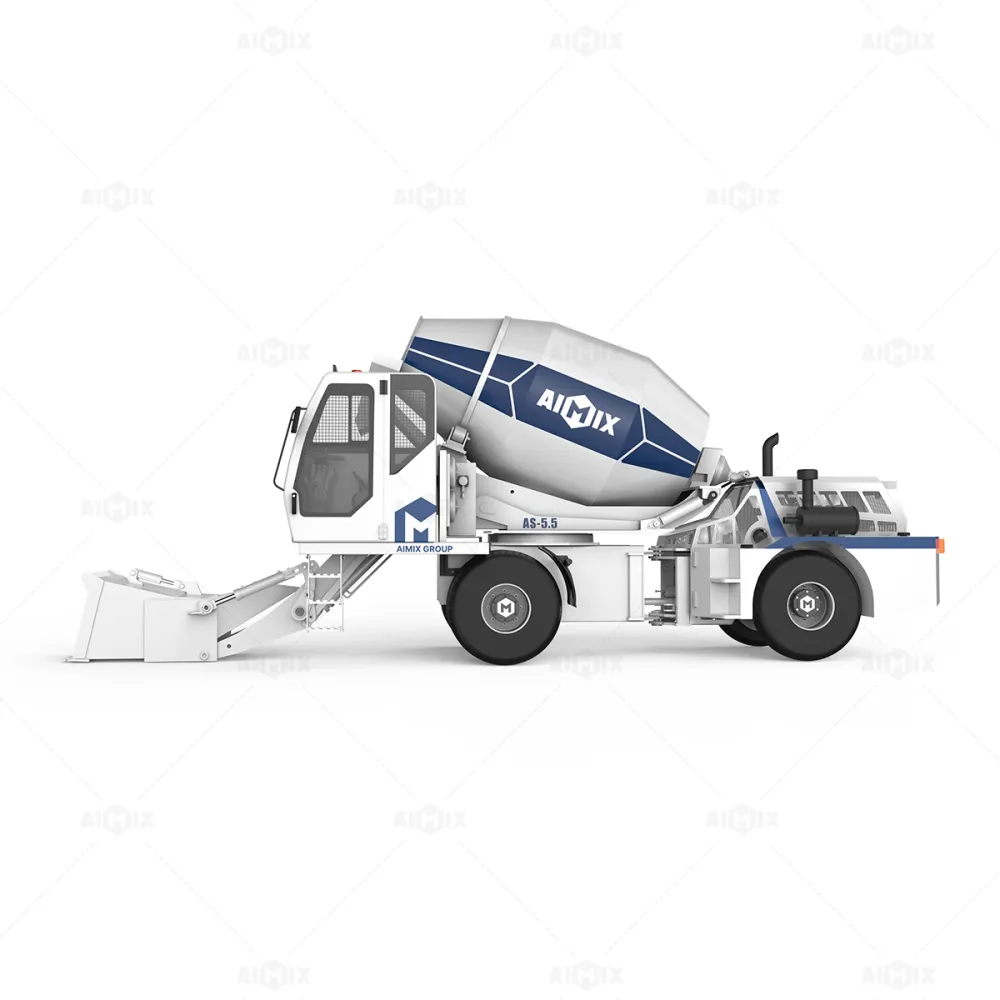
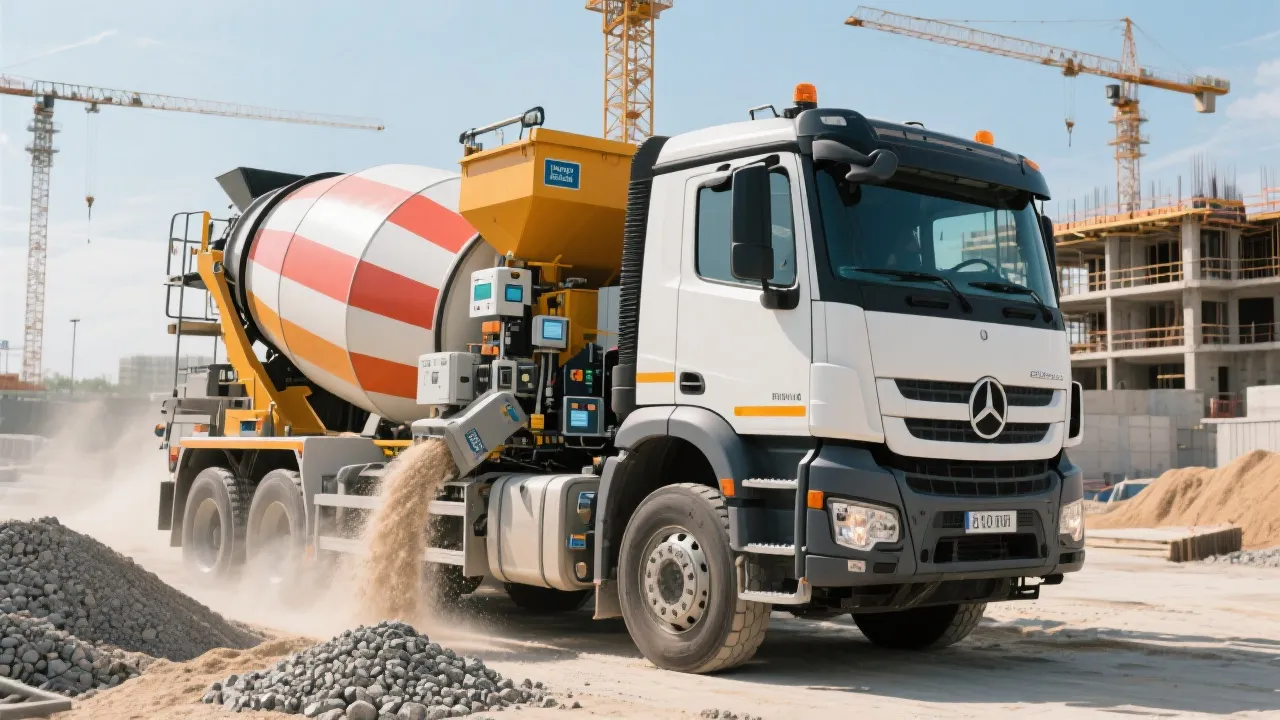
Ensuring uniform concrete mixing remains an indispensable cornerstone in modern construction quality management. The precise formulation and blending of raw materials dictate not only the mechanical strength but also the durability and overall integrity of structural elements. This article delves into the advanced technology underlying the AS-5.5 self-loading concrete mixer truck, illustrating how its engineering innovations optimize mixing uniformity, paving the way for superior construction performance and efficiency.
Concrete mixing aims to achieve a consistent blend where cement, aggregates, water, and admixtures are thoroughly combined without segregation. Imperfect mixing leads to weak spots, causing reduced compressive strength and increased susceptibility to micro-cracking. The key is a delicate balance of mixing dynamics, which involves both the mechanical design of the mixer drum and the operational parameters such as rotation speed and mixing duration.
International standards like ISO 12903:2016 emphasize reproducibility and uniformity in concrete mixing, underscoring that technological refinement is essential for compliance and long-term performance.
The internal structure of the mixer drum decisively influences the mixing efficiency. The AS-5.5 features an innovative blade layout and optimized drum geometry specifically engineered to maximize material turnover without causing segregation.
Key design highlights include:
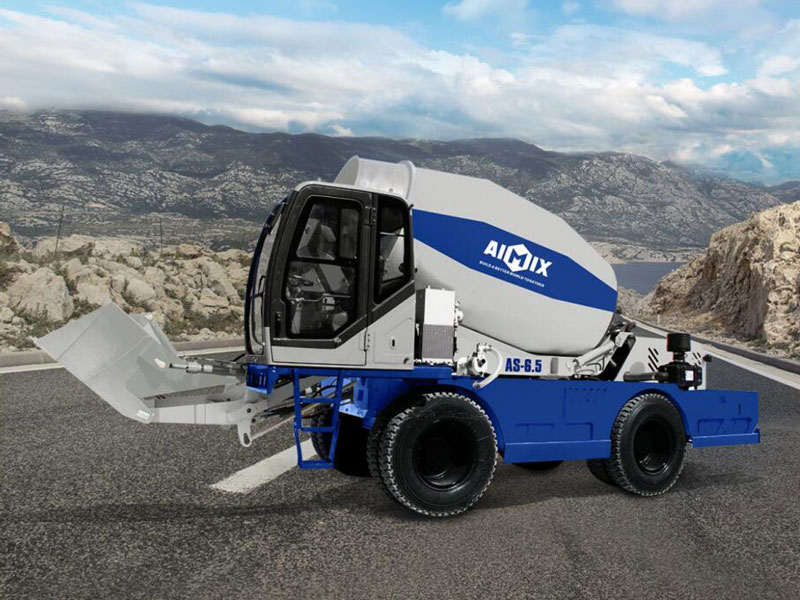
Mechanical design alone is not sufficient; operational parameters play an equally crucial role. The AS-5.5 mixer incorporates intelligent control systems to adapt rotation speed and mixing duration in real-time, based on load characteristics and desired mix quality.
Research indicates that concrete mixed at rotational speeds between 2 to 5 rotations per minute (rpm) with a mixing period of 3 to 5 minutes provides the optimal balance between dispersion and avoiding material segregation. The AS-5.5 continuously adjusts these parameters, resulting in:
On-site trials involving a mid-sized commercial project demonstrated remarkable improvements. Post-implementation data indicate:
| Parameter | Traditional Mixing | AS-5.5 Mixing |
|---|---|---|
| Compressive Strength (MPa) | 32 | 36 |
| Crack Incidence (%) | 8.5% | 3.2% |
| Mixing Time (minutes) | 4.5 | 3.8 |
These improvements translate into tangible benefits, including accelerated project schedules and reduced rework costs.
Beyond technical excellence, adherence to international certification standards like ISO 9001 and CE marking serves as a quality assurance pillar. The AS-5.5 mixer truck is fully compliant with these certifications, guaranteeing:
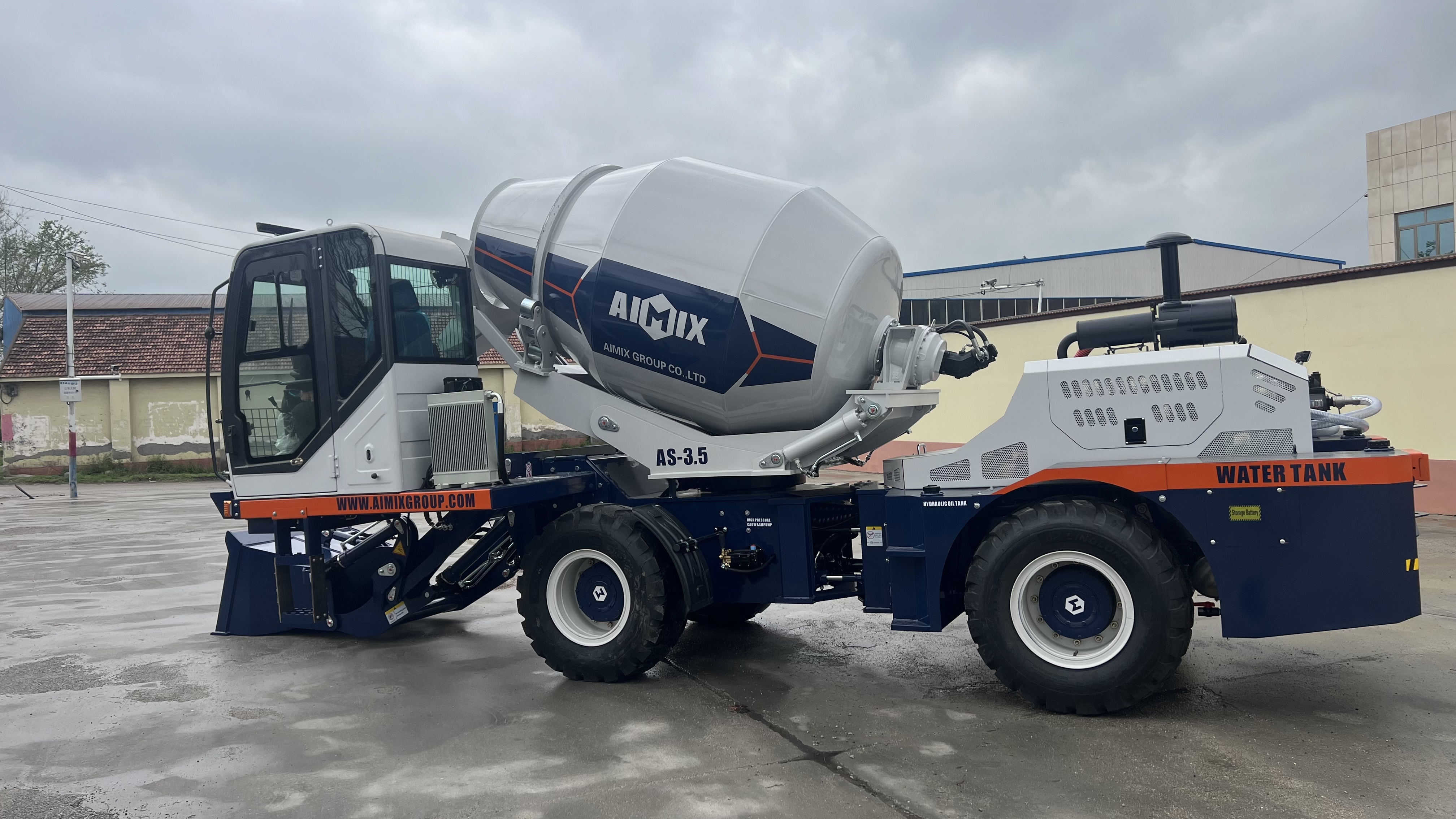
Integrating the AS-5.5 self-loading mixer into construction projects fosters smarter workflows. Intelligent parameter controls and reduced cycle times enable project managers to optimize resource allocation and minimize downtime.
Statistical analysis suggests that projects employing the AS-5.5 experienced an average increase of 18% in mixing productivity and a 10% reduction in overall concrete-related delays.


.jpg?x-oss-process=image/resize,h_1000,m_lfit/format,webp)



.jpg?x-oss-process=image/resize,h_1000,m_lfit/format,webp)