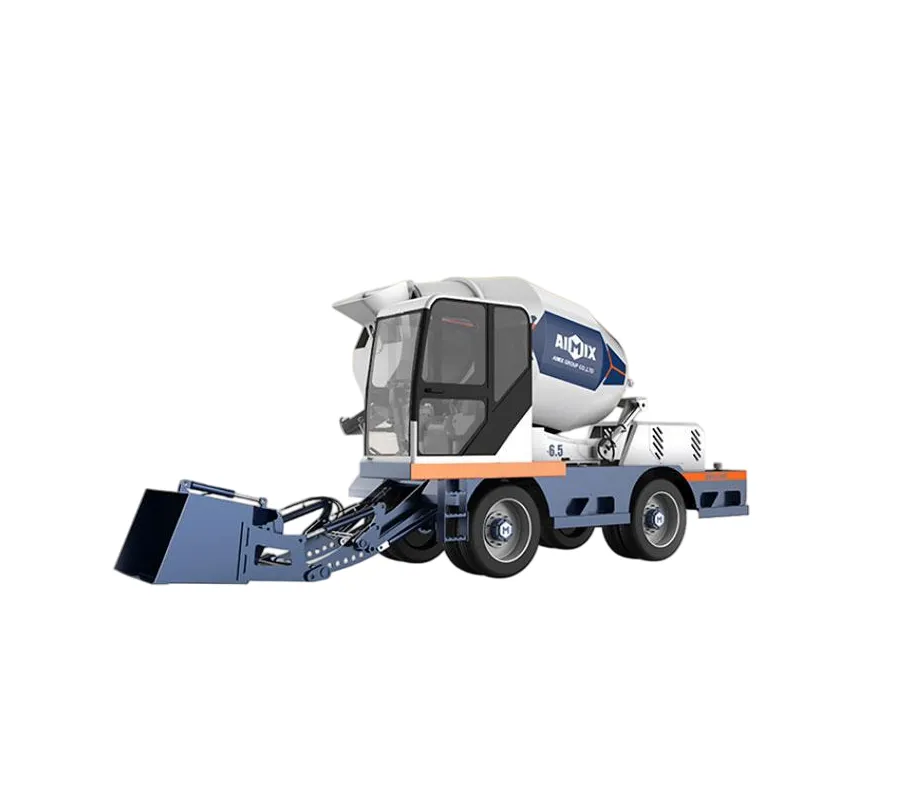
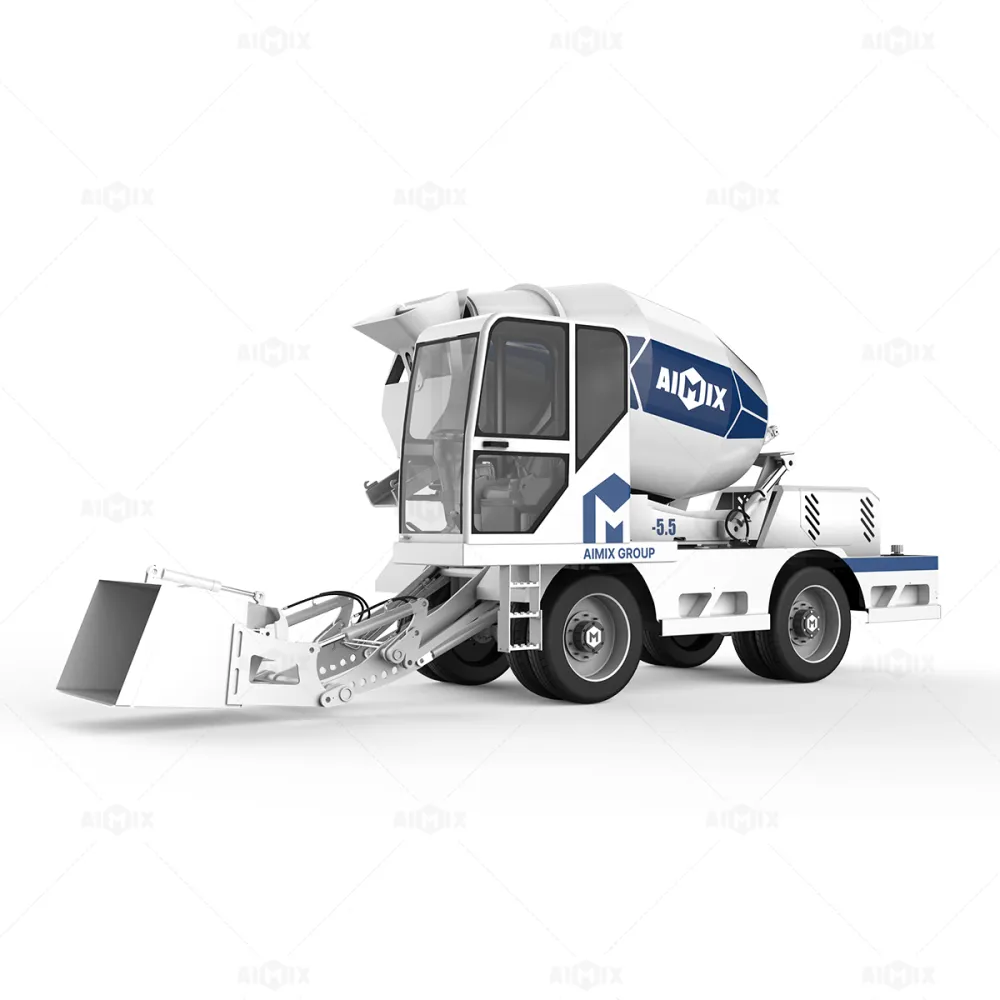
When working on rural construction sites, you’ve probably faced persistent challenges like concrete segregation and failure to reach target strength. These issues often stem from improper mixing — a critical step that can make or break your project quality. Luckily, by mastering the science behind mixing time and order, you can dramatically improve consistency and durability in your concrete pours.
Your concrete quality depends on a controlled sequence of operations, each influencing the next:
Consider this flow as your quality control roadmap. Any disruption can lead to segregation (where coarse aggregate settles unevenly) or weak points within concrete.
Mixing time is a fine balance. If it's too short, your concrete components won’t integrate fully, leaving pockets of dry cement and aggregate that weaken the structure. Conversely, excessive mixing causes segregation and early hydration issues, drastically reducing pumpability and uniform strength.
Industry studies recommend that typical rural construction concrete should mix between 60 to 90 seconds at optimum revolutions per minute (RPM) to achieve ideal consistency — but real-world variables like ingredient moisture and batch size can shift this range.
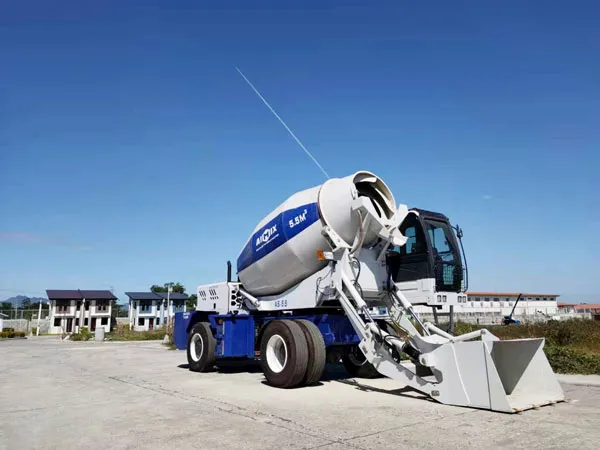
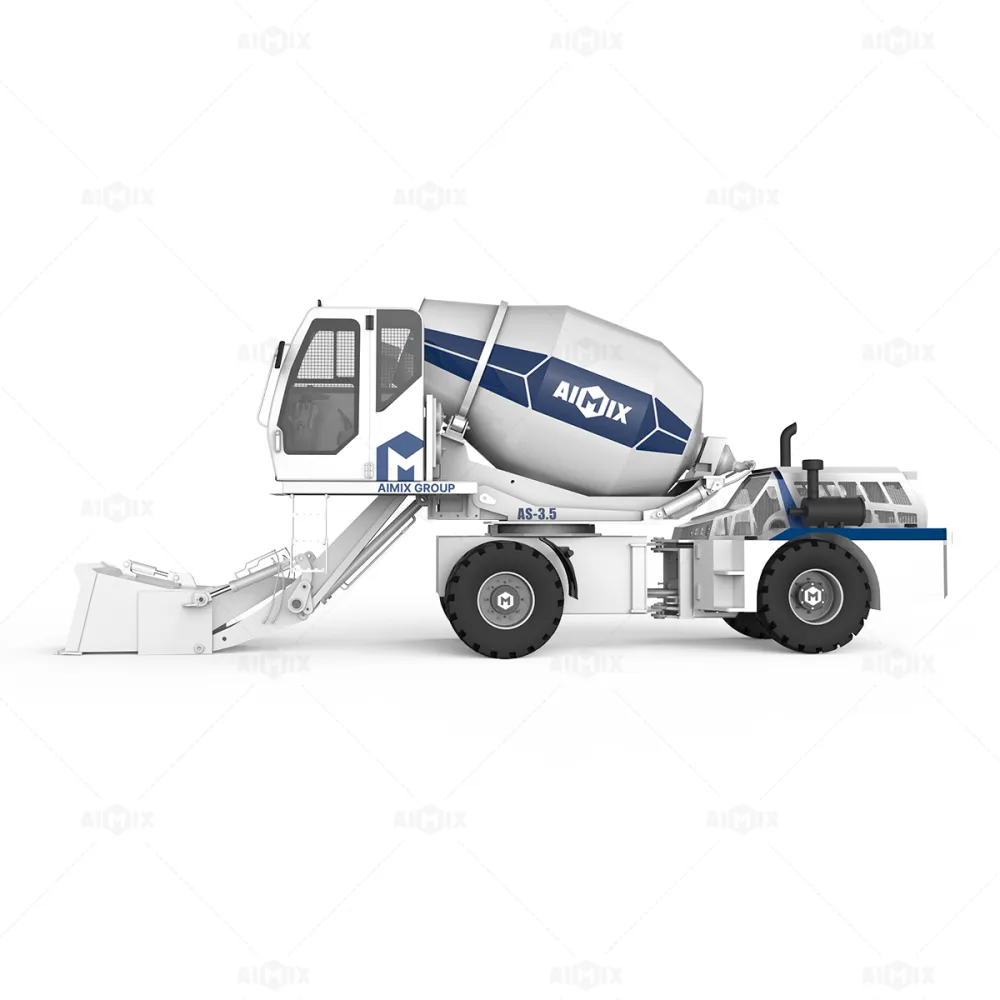
Modern challenges call for smart solutions. The AS-2.6 intelligent mixer integrates real-time RPM feedback and material uniformity sensors, enabling you to fine-tune mixing duration precisely during operation.
Its monitoring dashboard alerts you if mixing speed drops below optimal thresholds or detects uneven blending, empowering you to prevent segregation before it happens. This technology not only enhances quality but also improves efficiency — reducing wasted batches by up to 25% on average based on customer field reports.
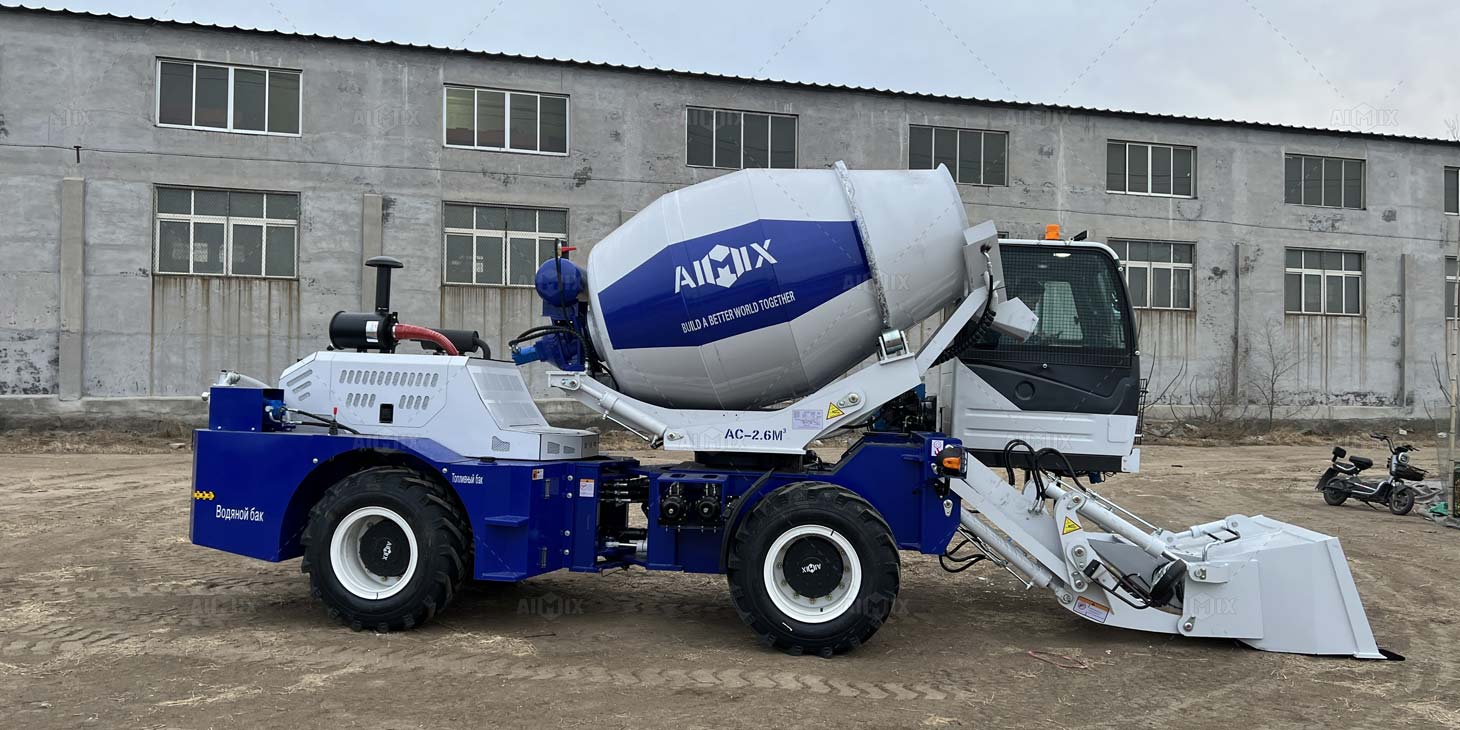
“Since deploying the AS-2.6 smart mixing system, our site’s concrete quality has stabilized remarkably in even the hottest months. Real-time feedback means no more guesswork — it’s like having an expert engineer guiding every batch.” – Rural Construction Manager, Henan Province
To maximize smart mixer effectiveness, follow these protocols:
These habits help maintain a stable mixing environment and prolong your equipment’s lifespan, especially in remote village conditions where technical support may be limited.
On-site comparison studies have shown that projects applying these optimized mixing protocols using AS-2.6 mixers achieved:
Such results translate into stronger, longer-lasting rural infrastructure — schools, homes, roads — all built with confidence that every cubic meter of concrete meets the highest standards.
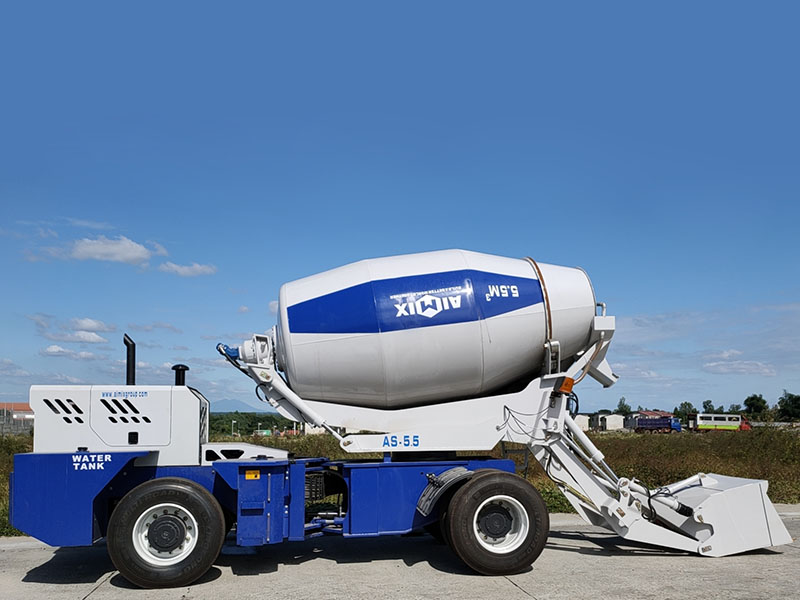
Ready to transform your village construction? With the AS-2.6 smart mixing system, precision control and quality assurance are at your fingertips. Experience fewer defects, improved strength, and streamlined operations tailored for your unique rural environment.
Discover AS-2.6 Smart Mixer Today