Optimizing Mixing Time to Enhance Concrete Uniformity: A Key Step for Improving Rural Construction Quality

03 12,2025
AIMIX
Tutorial Guide
Optimizing mixing time is a critical step in improving concrete uniformity and addressing common rural construction issues such as insufficient strength and segregation. This article provides a comprehensive analysis of quality control throughout the mixing process—from material batching to discharge—and explains how intelligent control systems precisely regulate mixing duration to ensure every cubic meter of concrete meets design strength standards. Combining real-world case studies and practical recommendations, it guides you in establishing standardized work habits that fundamentally enhance structural safety and durability in rural construction projects.
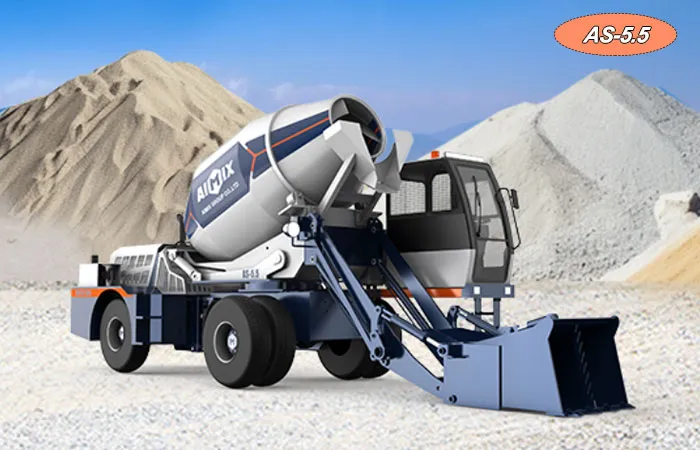
AS-5.5-Self-Loader-Mixer-3

Optimizing Mixing Time for Concrete Uniformity: A Vital Step to Improve Rural Construction Quality

As a key player in rural construction, you understand how critical consistent concrete quality is to the durability and safety of your structures. Optimizing mixing time is essential to achieving a homogeneous blend, preventing common issues like material segregation and insufficient strength frequently seen in countryside projects.

Core Quality Control Stages Across the Concrete Mixing Process

To ensure every cubic meter of concrete meets design standards, it's necessary to implement strict control over the full mixing cycle. Key stages include:

  • Raw Material Proportioning: Precise ratios of cement, aggregates, water, and admixtures affect final strength.
  • Batch Feeding Order: Proper sequence avoids early hydration or uneven mixing.
  • Mixing Time Setting: Critical to achieving uniformity; usually ranging between 60 to 120 seconds depending on mixer capacity and material.
  • Temperature Monitoring: Ambient and material temperature influence curing and workability.

Impact of Mixing Time on Uniformity and Strength

Mixing time directly affects the concrete’s homogeneity and mechanical properties. Too short a duration risks segregation—where aggregates separate from cement paste—leading to weak spots. Conversely, over-mixing may cause excessive air entrapment, reducing strength. In rural construction, improper mixing times are a top cause of subpar quality, manifesting in:

  • Insufficient compressive strength: Often falling below designed thresholds by 10-15%.
  • Increased risk of cracks and durability issues: Due to uneven material distribution.

Industry best practice sets mixing time within a 90–110 second window under standard rural conditions, adjusted per mixer model and mix design.

Leveraging Intelligent Control Systems for Precision Mixing

Modern intelligent control mixing machines enable you to accurately regulate mixing times in real-time, helping eliminate guesswork. Features include:

Feature Benefit
Real-time RPM Feedback Ensures steady rotation speed for optimal mixing energy
Material Mixing Status Detection Detects when aggregates and cement paste reach uniform blending
Automated Time Adjustment Adapts mixing duration depending on material data and environmental factors

By integrating such technologies, you reduce human error, guaranteeing every batch fulfills prescribed strength criteria.
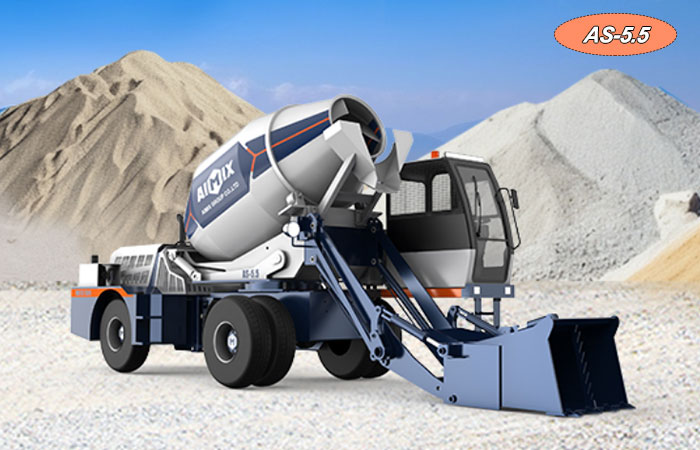
Diagram showing real-time mixing parameters monitored by intelligent control system

Standardized Maintenance for Sustainable Operation

To keep your mixer performing reliably over time, adhere to these daily maintenance tips:

  • • Clean the mixing drum thoroughly after each shift to prevent hardened residues.
  • • Inspect and lubricate bearings and axis joints every 50 operational hours.
  • • Regularly check seals and safety lock systems to avoid leakage and downtime.

Such routines not only extend equipment life but also sustain stable mixing performance indispensable for quality control.

Case Insights: Mixing Time Variations and Concrete Performance

Field studies demonstrate clear performance differences when adjusting mixing timings:

Mixing Time (seconds) Compressive Strength (MPa) Observed Issues
60 21.5 Segregation & low uniformity
90 (optimal) 28.6 Consistent strength & smooth finish
130 27.9 Possible air voids, minor strength drop

This confirms that precise control within the recommended 90-110 second window can boost output quality and reduce waste by up to 20% in rural site conditions.
Graph showing compressive strength vs mixing time in rural concrete batches

“Implementing smart mixing controls and optimized timings has transformed our rural projects—dramatically reducing structural rework and increasing client satisfaction.” – Industry Expert, Concrete Technology Association

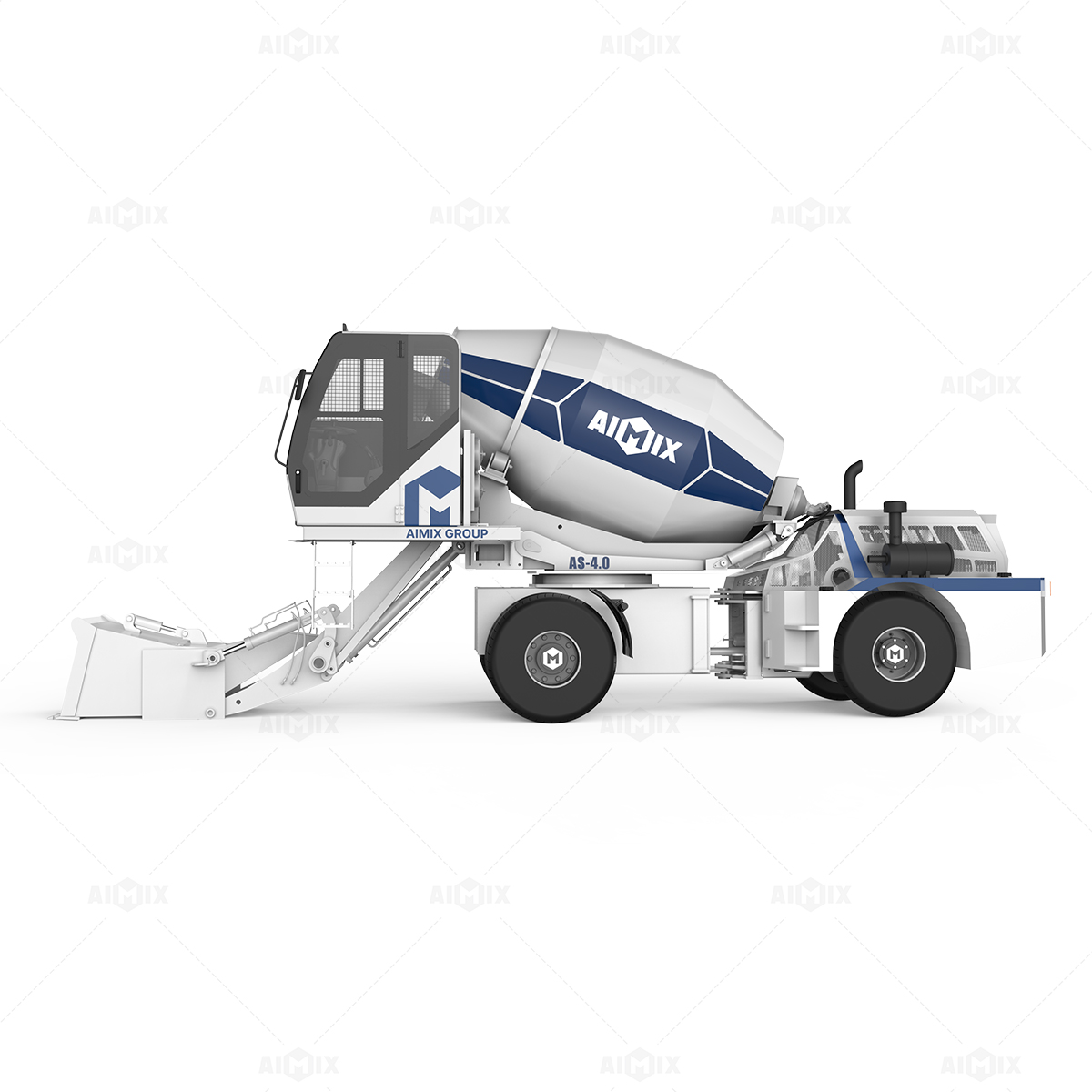
Your construction projects deserve the reliability only a well-optimized mixing process can ensure. Upgrading your equipment with our AS-2.6 Intelligent Mixer, featuring a 270° rotary mixing drum and cutting-edge smart controls, empowers you to meet the toughest rural construction demands with confidence.


AS-2.6 intelligent concrete mixer in rural construction environment
Name *
Email *
Message*

Recommended Products

<#if (articleDetails.articleDetailsRelatedArticles.articleList?has_content)?? && (articleDetails.articleDetailsRelatedArticles.articleList?size>0)> <#if (articleDetails.articleDetailsRelatedArticles.isShow)?? && articleDetails.articleDetailsRelatedArticles.isShow> <#if (articleDetails.articleDetailsRelatedArticles.title)?? && articleDetails.articleDetailsRelatedArticles.title!="">

${articleDetails.articleDetailsRelatedArticles.title}

<#list articleDetails.articleDetailsRelatedArticles.articleList as list>
<#if (list.imgUrl?has_content)?? && (list.imgUrl?has_content)> ${list.imgAlt} <#else> img

${list.title}

${(list.updateTime)?number_to_datetime?string('dd MM ,yyyy')}
Contact us
Contact us
https://shmuker.oss-accelerate.aliyuncs.com/tmp/temporary/60ec5bd7f8d5a86c84ef79f2/60ec5bdcf8d5a86c84ef7a9a/thumb-prev.png