
Ensuring the structural integrity and durability of concrete in rural construction hinges on consistent quality control during the mixing process. This article meticulously explores the critical phases of concrete mixing, focusing on overcoming common challenges such as inadequate compressive strength and segregation, prevalent in countryside projects. Incorporating both scientific methodologies and advanced technological solutions, it provides a comprehensive guide to daily operational standardization and equipment upkeep.
The foundation of high-quality concrete lies in precise raw material ratio calculations. Empirical studies recommend a cement-to-fine aggregate ratio of approximately 1:2, adjusted further based on admixture content and water-cement ratio, typically maintained between 0.4 and 0.5 for rural applications to balance workability and strength. Additionally, the sequence of ingredient addition significantly influences the homogeneity and final strength of concrete.
Research indicates commencing with water and partial aggregates, followed by cement and remaining admixtures, promotes uniform binding and minimizes segregation risk. Implementing this feeding sequence ensures the blend’s consistency and enhances compressive strength by up to 10%, aiding compliance with ISO 9001 quality benchmarks.
Mixing duration is pivotal; excessive time can induce segregation and reduce strength, while insufficient mixing yields uneven composition. Standard guidelines suggest a mixing time between 60 to 90 seconds for rural concrete batches to balance thoroughness and efficiency. Moreover, monitoring the mixture temperature within 10 to 25°C is crucial, as elevated thermal conditions accelerate hydration reactions leading to premature setting and compromised durability.
Integrating smart control technology significantly elevates process reliability. Modern concrete mixers, such as those equipped with advanced rotational speed sensors and uniformity judgment algorithms, transmit real-time data on mixing parameters. These systems dynamically adjust operational variables—like motor speed and feed rate—ensuring homogeneous material consistency throughout the mixing cycle.
For instance, turn rate feedback mechanisms can detect deviations over ±5% from optimal mixing speed, triggering immediate operator alerts. Simultaneously, uniformity sensors analyze particle dispersion, mitigating segregation and achieving strength stability within ±3%. Such tech-compliant approaches align well with CE-certified equipment standards, offering rural constructors inventive tools for quality assurance.

Consistent maintenance is non-negotiable for safeguarding equipment longevity and mixed concrete quality. Key maintenance practices should include:
Adhering to these workflow standards not only enhances efficiency but also conforms to ISO 9001 maintenance management criteria, encouraging a culture of preventive care.

Rural constructions often face difficulties such as inconsistent concrete strength and segregation caused by fluctuating environmental conditions and manual mixing variability. Intelligent mixers mitigate these risks effectively by:
Field reports show an average increase in compressive strength of 12% and a 30% reduction in material waste after adopting these smart mixing technologies.

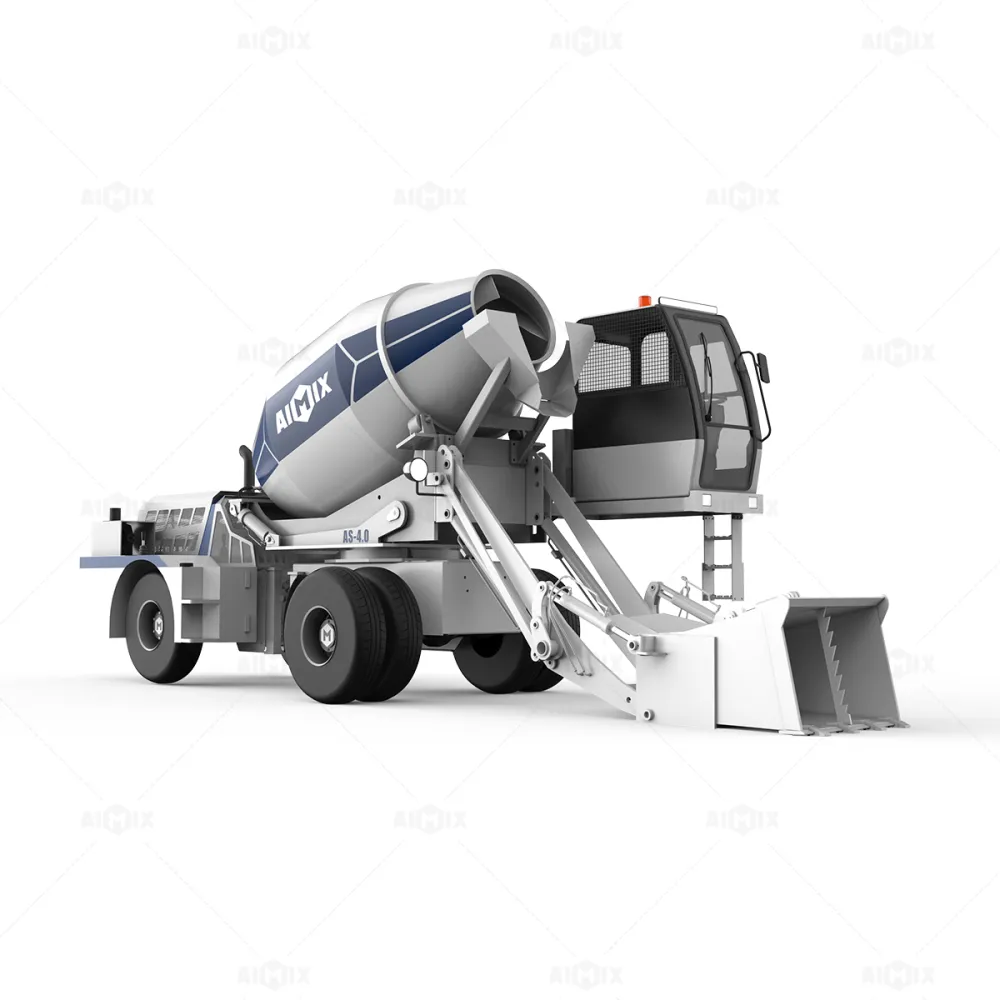
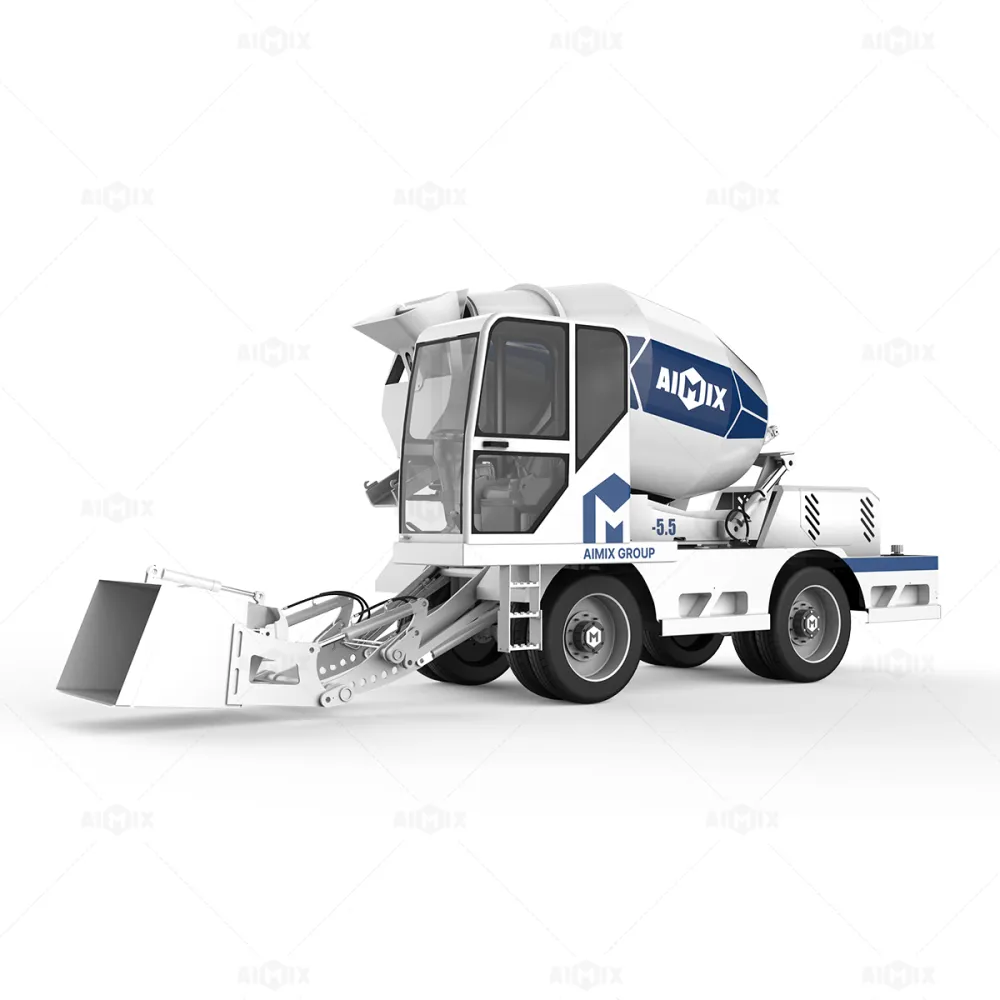
The AS-2.6 model exemplifies the fusion of advanced technology with practical design tailored for rural construction demands. Certified under stringent CE and ISO 9001 standards, it integrates an adaptive control system, enabling precise proportioning, real-time parameter monitoring, and automated maintenance reminders.
More than a mixer, the AS-2.6 acts as a quality assurance partner, empowering operators to elevate their craftsmanship and project durability. User testimonials from countryside construction enterprises highlight significant labor cost savings and enhanced concrete consistency, reinforcing the model’s relevance.
This equipment bridges technical sophistication and operational simplicity, making it an indispensable asset for rural builders committed to achieving superior quality standards.







.jpg?x-oss-process=image/resize,h_1000,m_lfit/format,webp)