

When you're building a home in rural areas, it's tempting to cut corners—especially on materials like concrete. But here’s the truth: 70% of structural failures start at the mixing stage. Poorly mixed concrete doesn’t just crack—it collapses. And that’s not just about safety—it’s about trust, reputation, and long-term value.
You don’t need an engineering degree to get this right—but you do need discipline. Start with accurate batching: use a 1:2:4 ratio (cement:sand:aggregate) as a baseline, then adjust based on local sand moisture content. The order matters too—always add aggregates first, followed by cement, then water. Why? Because adding water first causes segregation—a common cause of weak slabs.
Now comes the critical part: mixing time. For standard mixes, aim for 90–120 seconds per batch. Less than that? Incomplete hydration. More? Overworking the mix, leading to air entrainment and reduced strength. If your mixer runs at 30 rpm, that’s ideal for achieving uniform consistency without damaging aggregate integrity.
| Control Point | Recommended Practice | Impact if Ignored |
|---|---|---|
| Mixing Time | 90–120 sec/batch | Strength loss up to 25% |
| Water-Cement Ratio | ≤ 0.45 (per ASTM C150) | Increased porosity & cracking |
| Temperature Management | Keep below 35°C during mixing | Rapid setting & poor workability |
And yes—you should track these metrics daily. A simple logbook helps avoid repeat mistakes. According to GB/T 50164-2011, consistent control = predictable performance.
In remote locations, manual checks are unreliable. That’s where intelligent systems shine. Modern controllers monitor RPM, temperature, and even material homogeneity in real-time. One contractor in Rajasthan reported a 40% drop in rework costs after switching to a smart mixer with feedback loops.
Think of it like GPS for concrete: no guesswork, just precision. Whether you’re pouring foundations or beams, consistent quality means fewer callbacks—and happier clients.
Don’t wait until the drum jams. Clean the mixing chamber after every 10 batches. Lubricate bearings weekly. Replace worn blades every 50 hours of operation. These aren’t “nice-to-haves”—they’re what keeps your machine running at peak efficiency. And let’s be honest: downtime on-site costs more than any maintenance plan.
Real talk: If your team isn’t following a checklist, you’re gambling with structural integrity. Standardize the process—or risk losing everything you’ve built.
Ready to stop guessing and start building smarter?
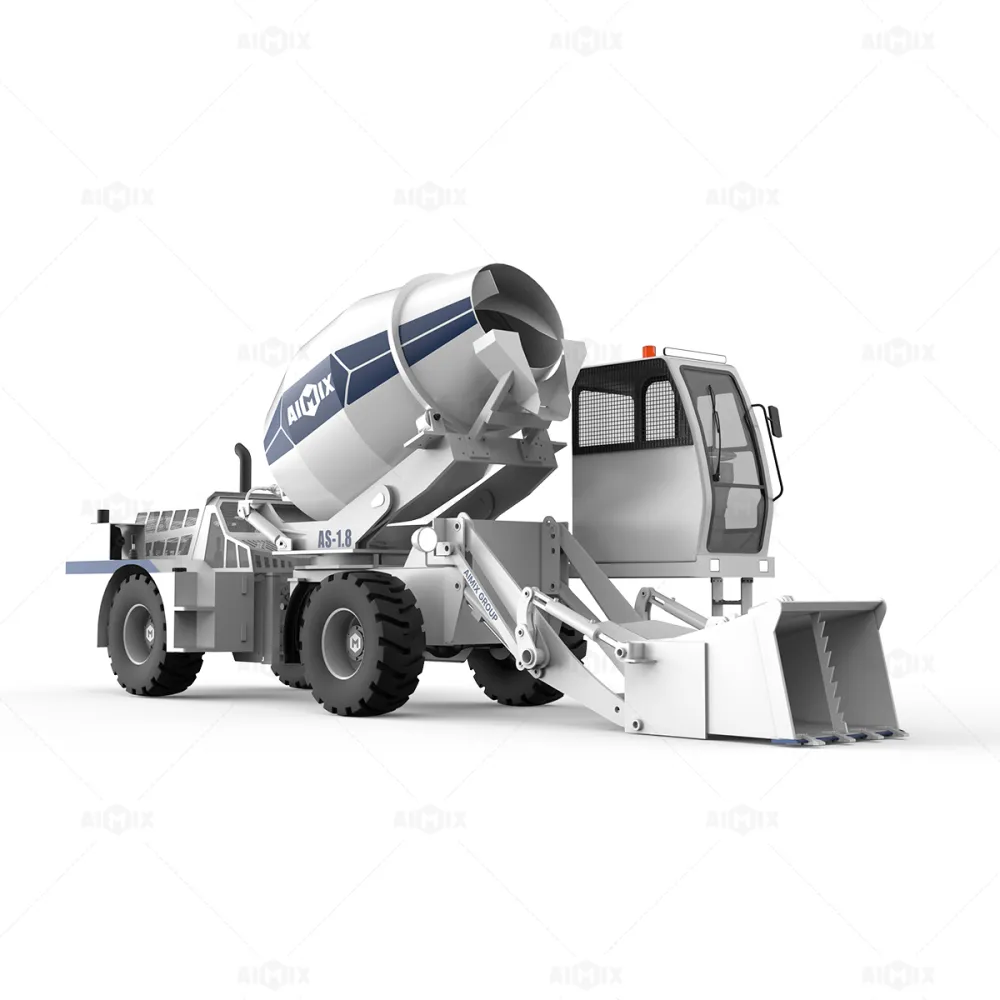
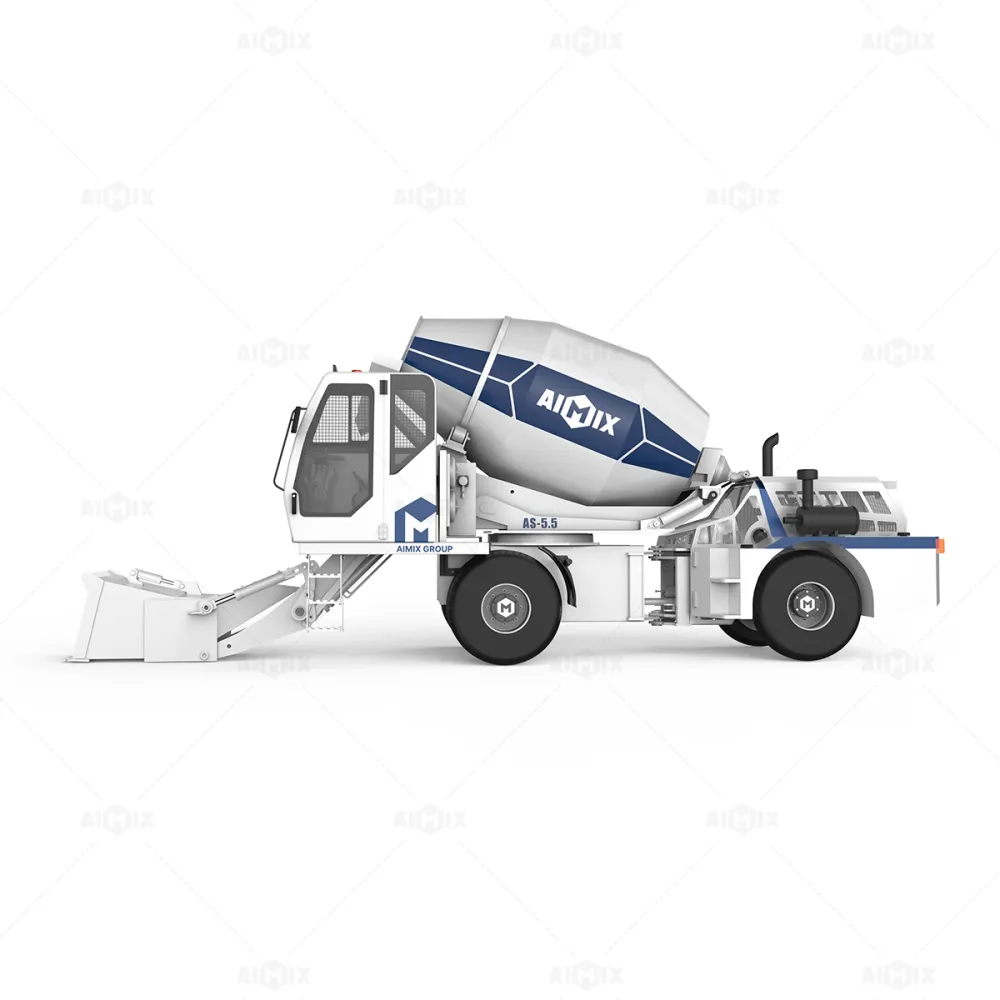
Upgrade to AS-2.6 Smart Mixer – Built for Tough Conditions, Trusted by BuildersDesigned for rural environments. Features real-time monitoring, easy maintenance, and proven durability. No fluff—just results.


.jpg?x-oss-process=image/resize,h_1000,m_lfit/format,webp)
 <#else>


