In rural construction projects, the quality of concrete mixing directly affects the safety and durability of building structures. This article will systematically analyze the key points of quality control in the whole process of concrete mixing, aiming at common problems such as sub - standard strength and segregation in rural buildings.
The performance of concrete is closely related to raw material ratio, feeding sequence, mixing time, and temperature monitoring. According to relevant technical standards, the error of raw material ratio should be controlled within ±2%. For example, in the mixing of ordinary concrete, the ratio of cement, sand, gravel, and water needs to be accurately calculated. The feeding sequence also has a significant impact on the mixing effect. Generally, the coarse aggregate should be fed first, followed by cement and fine aggregate, and finally water. The mixing time should be determined according to the type and quantity of concrete. For normal - strength concrete, the mixing time is usually about 90 - 120 seconds.
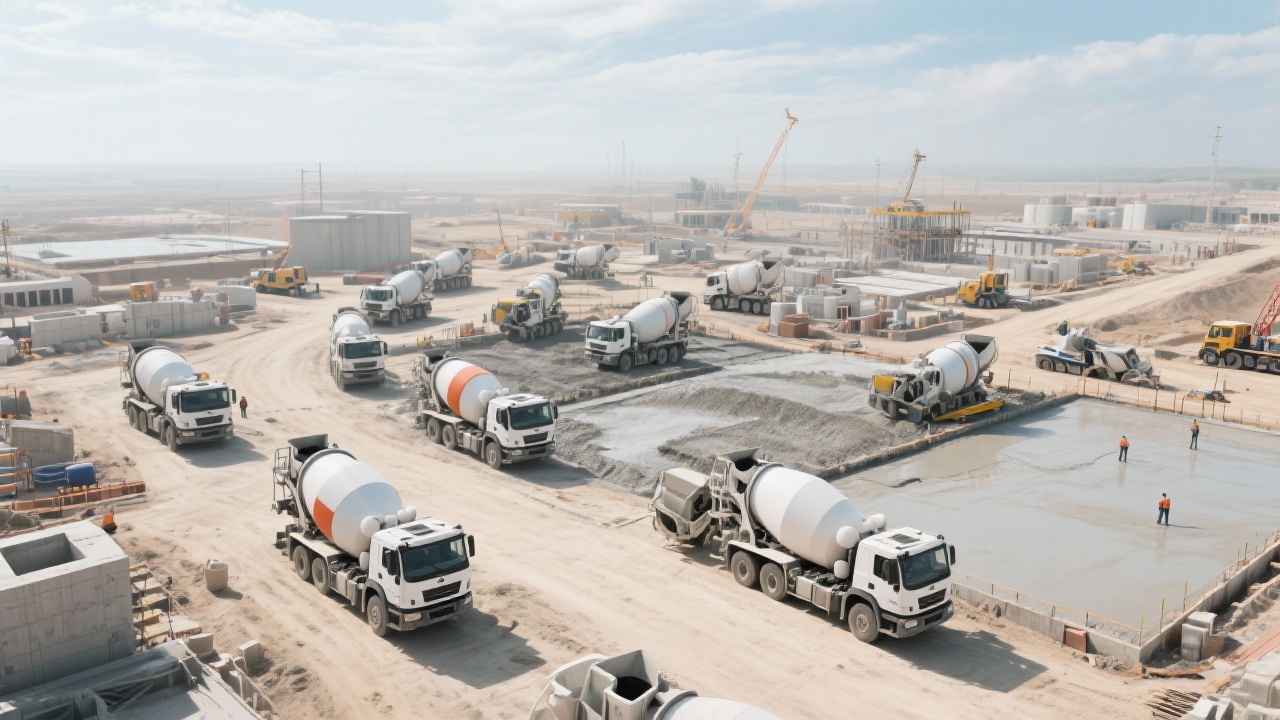
In rural buildings, concrete often suffers from insufficient strength and segregation problems. These problems are mainly caused by improper operation in each process. For instance, if the raw material ratio is inaccurate, the strength of concrete will be affected. A real - life case shows that in a rural house construction project, due to the excessive amount of water added during mixing, the concrete strength did not meet the design requirements, resulting in cracks in the building structure.
Intelligent control systems play a crucial role in modern concrete mixing. They can provide real - time feedback on the mixing speed and material uniformity. For example, the intelligent control system can monitor the rotation speed of the mixer shaft and adjust it in time to ensure that the materials are evenly mixed. This not only improves the quality of concrete but also makes the operation more convenient for operators.

Regular maintenance of mixing equipment is essential to ensure its long - term stable operation. The mixing drum should be cleaned after each use to prevent the accumulation of concrete residues. The bearing should be lubricated every 50 - 100 working hours. By establishing a scientific and standardized operation process, the service life of the equipment can be extended, and the quality of concrete mixing can be further guaranteed.
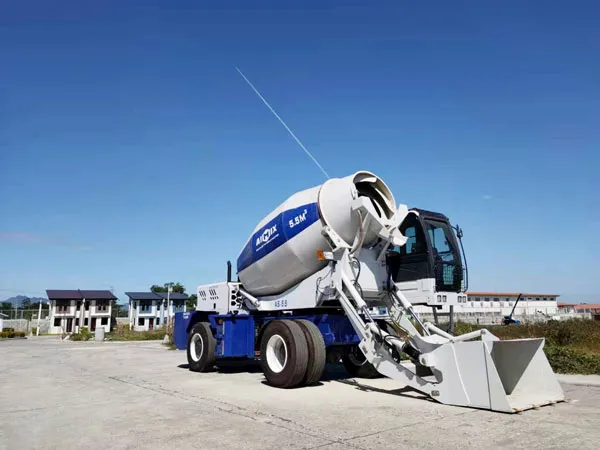
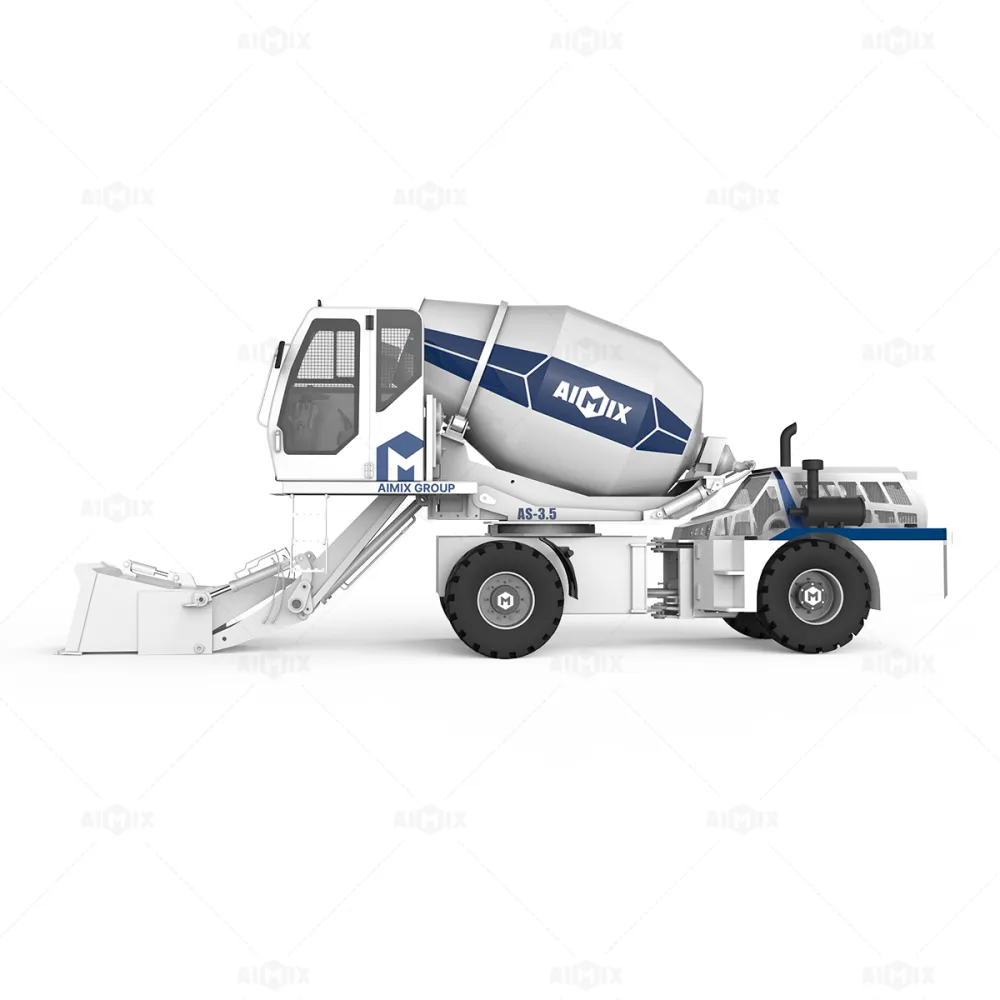
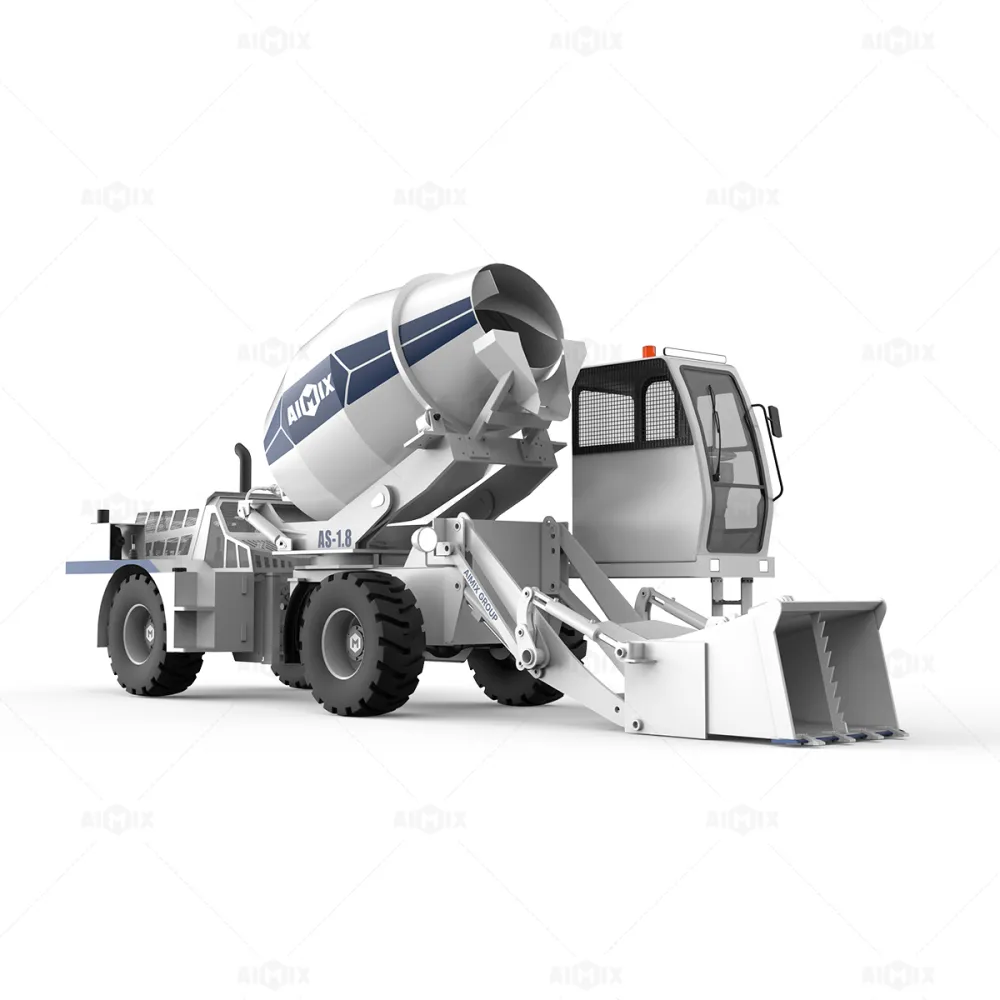
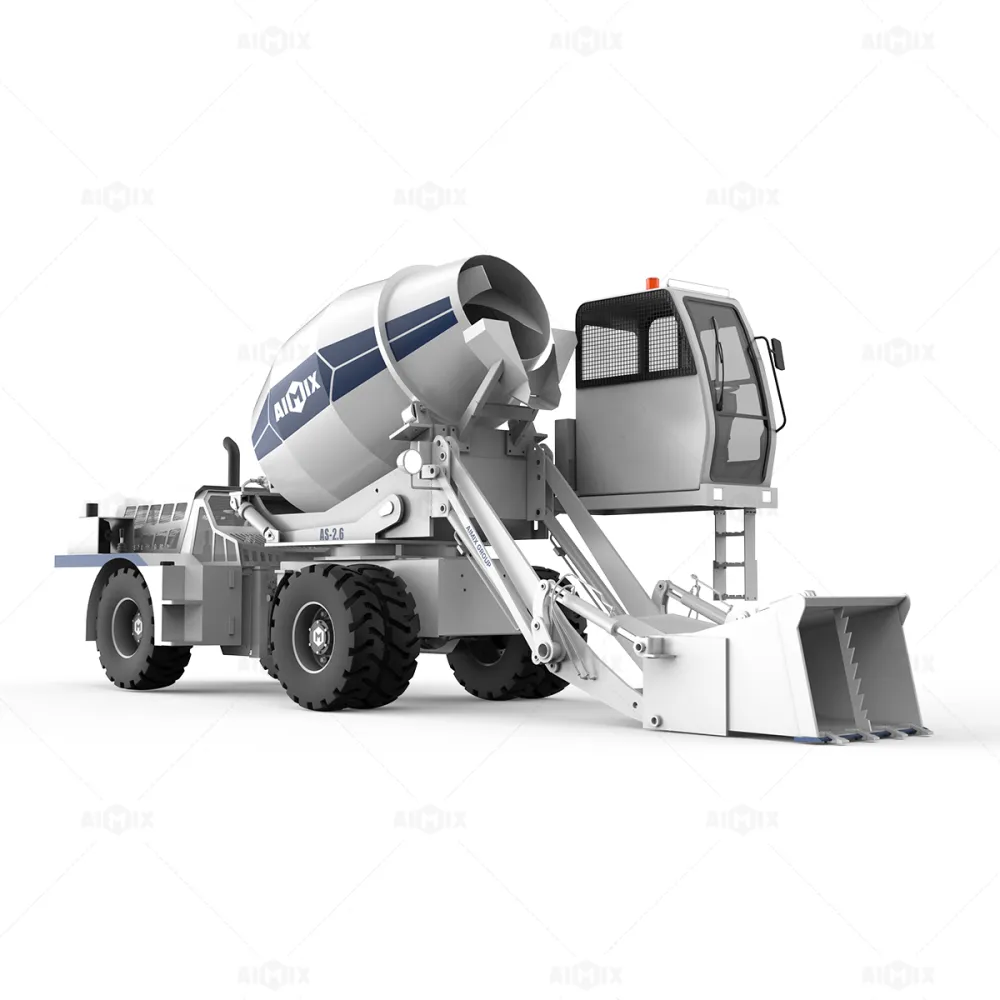
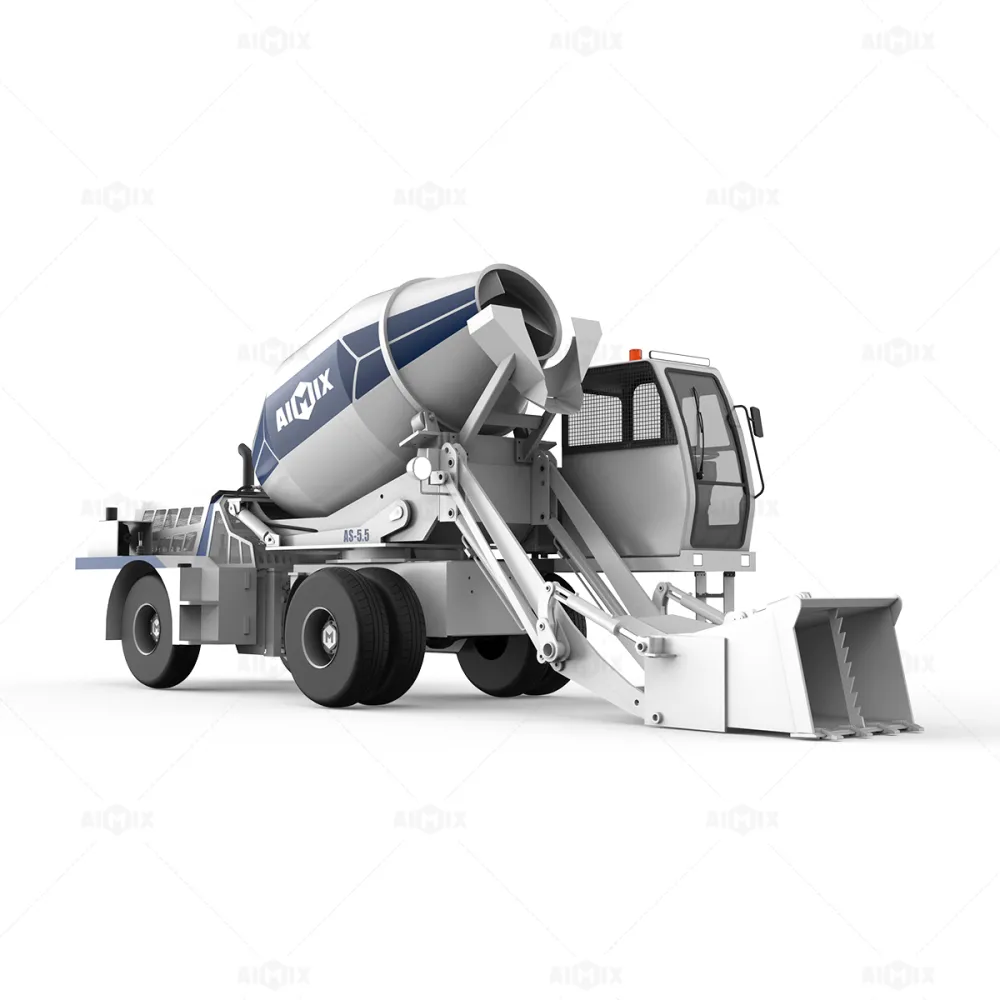
For rural construction markets, the Henan Guoli Mikesi AS - 2.6 intelligent self - feeding concrete mixer is an ideal choice. It features high efficiency, intelligence, and easy operation. With its advanced intelligent control system, it can accurately control the mixing process, ensuring the quality of concrete. Its self - feeding function also improves the work efficiency, which is very suitable for the needs of rural construction projects.
If you are looking for a reliable solution for concrete mixing in rural construction, click here to learn more about the Henan Guoli Mikesi AS - 2.6 intelligent self - feeding concrete mixer and take your rural construction project to the next level!