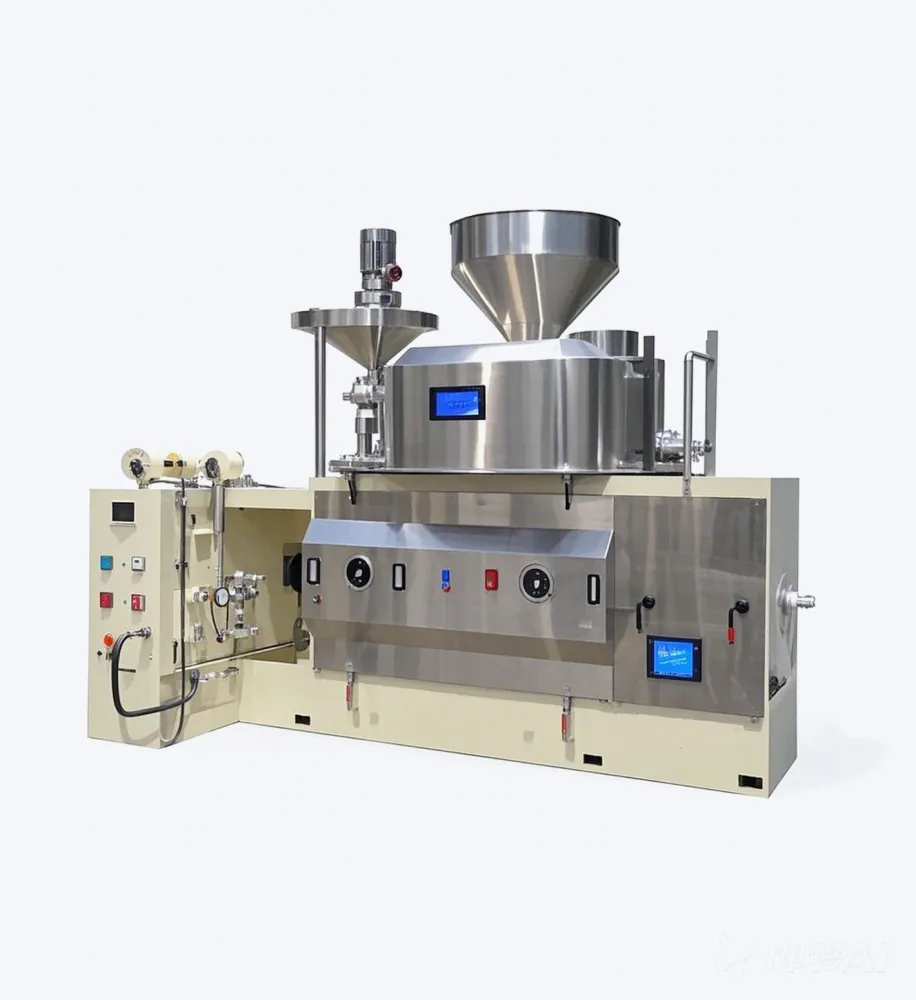
In rural construction, the quality of concrete mixing is crucial for the strength and durability of building structures. This article systematically analyzes the key technologies in the whole - process quality control of concrete mixing in rural buildings, covering aspects such as raw material ratio, feeding sequence, mixing time, and temperature monitoring.
The scientific calculation and optimization of raw material ratio are the first steps in ensuring concrete quality. Different materials, such as cement, sand, gravel, and water, need to be proportioned accurately. For example, an improper water - cement ratio can lead to problems like low strength or high porosity. According to industry standards, for general rural buildings, the water - cement ratio should be controlled between 0.4 and 0.6. The feeding sequence also has a significant impact on the uniformity of the mixture. Usually, adding coarse aggregates first, then fine aggregates, and finally cement and water can improve the mixing effect.
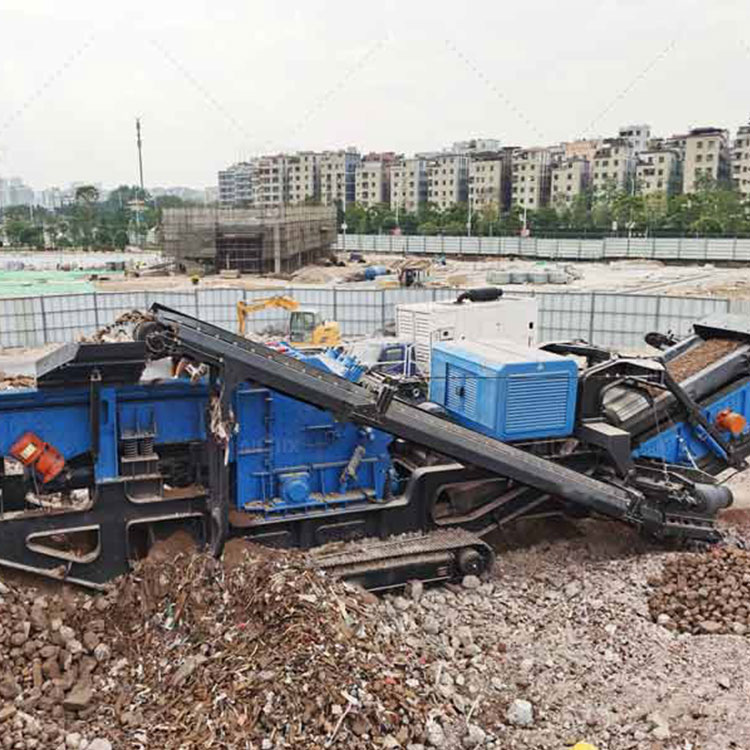
The mixing time and temperature are two important factors that affect the quality of concrete. The mixing time should be long enough to ensure that all materials are evenly mixed, but not too long to avoid over - mixing. Generally, for common rural building concrete, the mixing time is recommended to be between 2 and 3 minutes. Temperature also plays a vital role. In cold weather, the concrete may freeze, affecting its strength development, while in hot weather, rapid evaporation of water can cause cracks. Therefore, appropriate temperature control measures should be taken, such as heating the water in winter and cooling the aggregates in summer.
Concrete strength deficiency and segregation are common problems in rural building concrete mixing. Strength deficiency can be caused by improper raw material ratio, insufficient mixing time, or low - quality raw materials. Segregation, on the other hand, occurs when the coarse and fine aggregates separate from the cement paste, resulting in uneven concrete quality. All the above - mentioned quality control measures, such as optimizing the raw material ratio, adjusting the feeding sequence, and setting the right mixing time and temperature, can effectively solve these problems.
To better control the quality of concrete mixing, intelligent control mixers have emerged. These mixers are equipped with intelligent control systems that can monitor the rotation speed and the uniformity of materials in real - time. For example, the intelligent control system can feedback the rotation speed of the mixer to the operator, allowing them to adjust it according to the actual situation. It can also judge the uniformity of materials through sensors and provide alerts if the mixing is not up to standard. This helps operators to precisely control the quality of concrete.
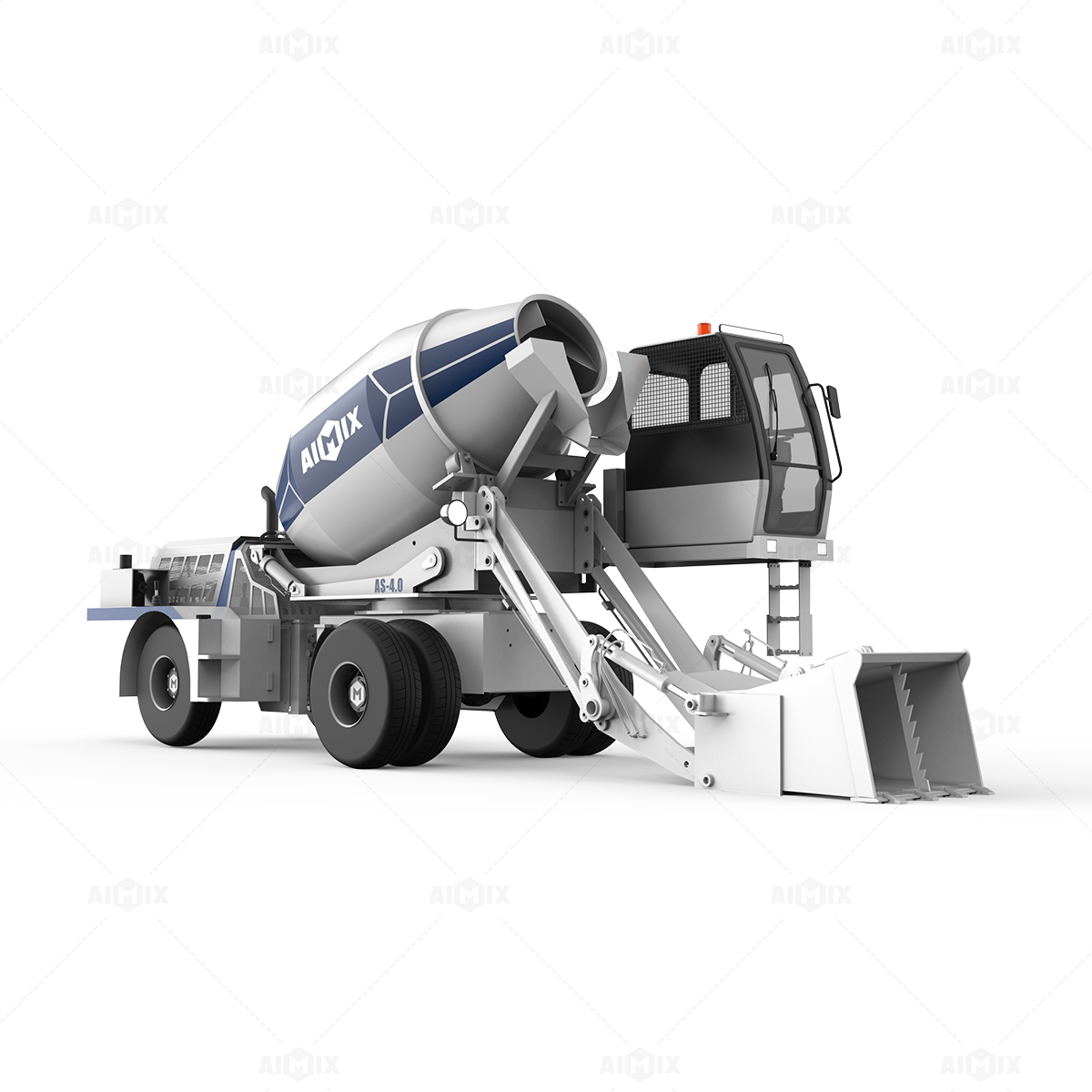
Regular maintenance of mixing equipment is essential for ensuring its normal operation and the quality of concrete. Operators should clean the mixer regularly to prevent the accumulation of hardened concrete, check the lubrication of moving parts, and replace worn - out components in time. Establishing a standardized operation process and maintenance plan can help users ensure the safety and durability of concrete structures.
For rural building projects, the Henan Guoli Mikos AS - 2.6 Intelligent Self - feeding Concrete Mixer is an ideal choice. This mixer combines all the advantages of intelligent control, including real - time monitoring of rotation speed and material uniformity. It has a high - efficiency self - feeding system, which can save labor and improve mixing efficiency. With its user - friendly interface, even operators with limited experience can easily operate it. Whether it is for small - scale rural houses or larger rural infrastructure projects, this mixer can help users complete concrete pouring tasks with high quality.
If you are looking for a reliable and efficient concrete mixing solution for your rural building project, don't miss the Henan Guoli Mikos AS - 2.6 Intelligent Self - feeding Concrete Mixer. Click here to learn more.


.jpg?x-oss-process=image/resize,h_1000,m_lfit/format,webp)