
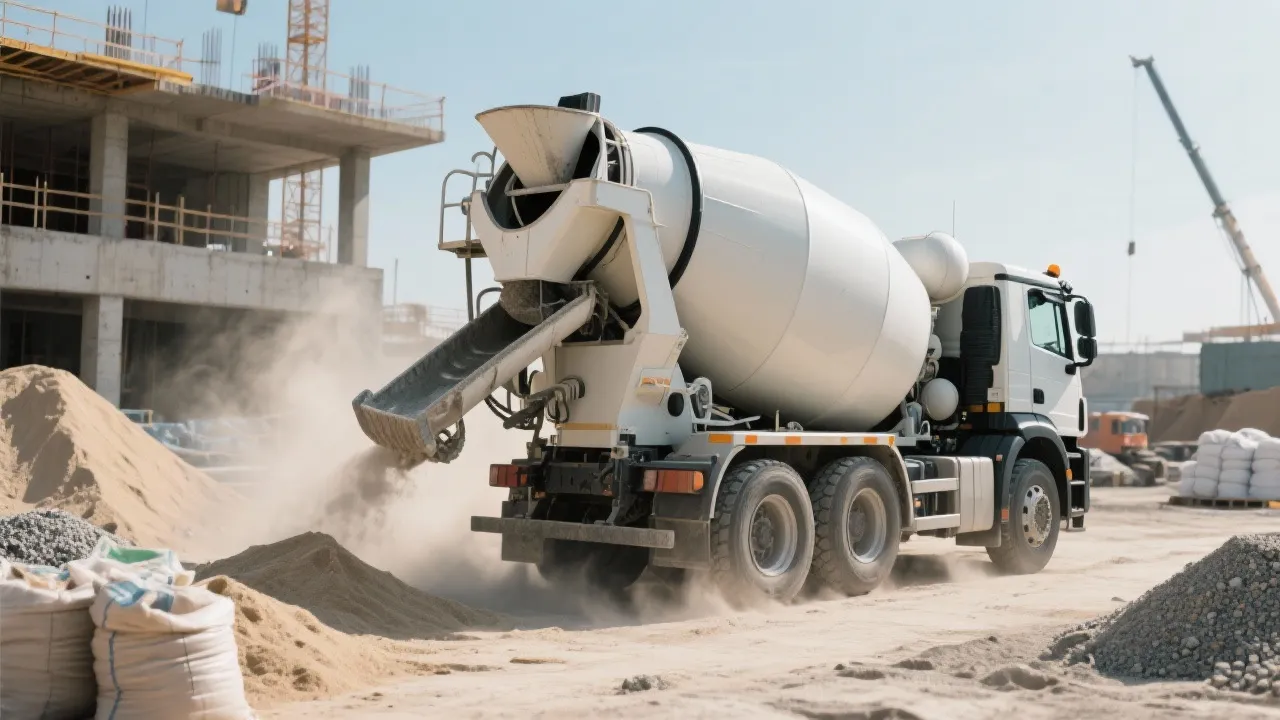
When it comes to rural construction, you may often encounter issues like sub - standard concrete strength and frequent segregation problems. To address these, let's delve into the core quality control points in the entire concrete mixing process.
Accurate raw material ratio calculation is the foundation of high - quality concrete. For example, the ratio of cement, sand, gravel, and water should be precisely calculated according to the design requirements of the rural building. A common ratio for general rural building concrete might be 1:2:3:0.5 (cement:sand:gravel:water). Incorrect ratios can lead to issues such as low strength or segregation. You can use professional software or online calculators to ensure accurate ratio calculations.
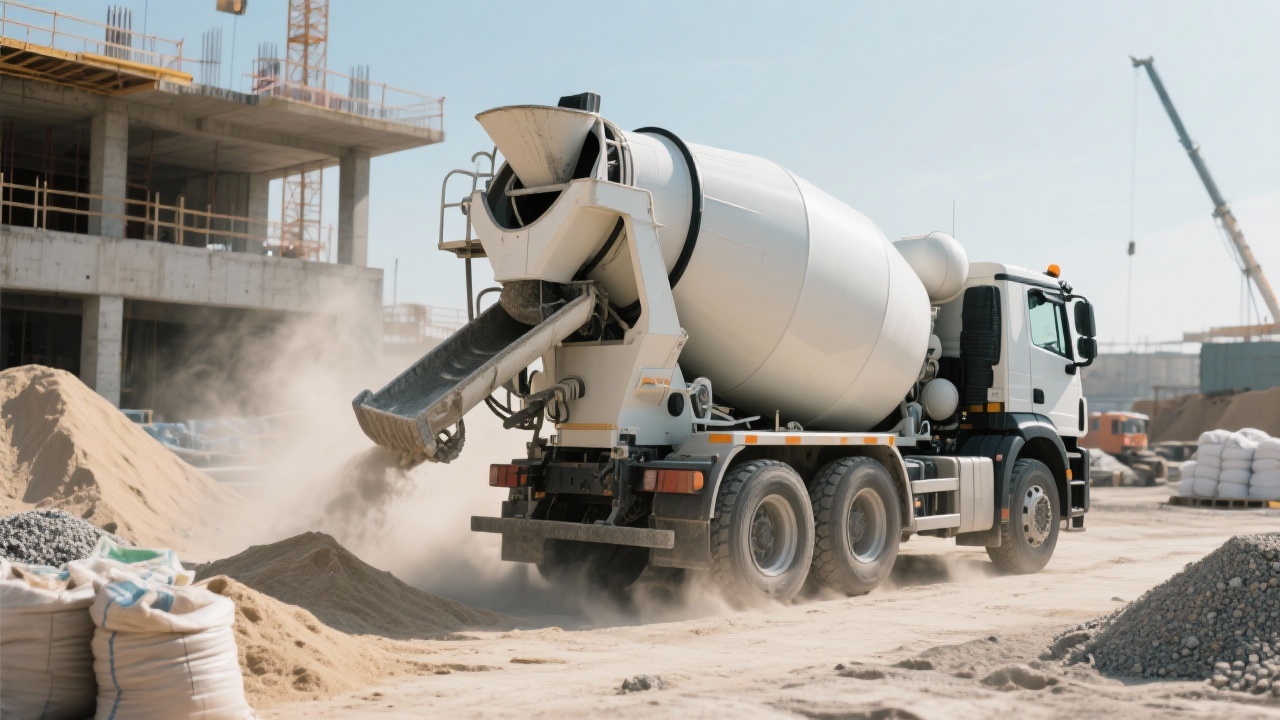
The feeding sequence significantly affects the uniformity of the concrete mixture. Usually, adding gravel first, then sand, and finally cement and water is a good practice. This sequence allows the gravel and sand to form a stable framework, and then the cement and water can better fill the gaps. If the feeding sequence is wrong, it may cause uneven mixing, resulting in local strength differences in the concrete.
The mixing duration is crucial for the quality of the concrete. Generally, the mixing time should be between 2 - 3 minutes for small - scale rural construction. Insufficient mixing time may lead to incomplete hydration of the cement, resulting in low strength. On the other hand, over - mixing can increase energy consumption and may also damage the structure of the concrete mixture.
Ambient temperature has a significant impact on the initial setting of concrete. In high - temperature environments, the initial setting time of concrete is shorter, which may lead to difficulties in construction operations. In low - temperature environments, the hydration reaction of cement slows down, and the strength development of concrete is delayed. For example, in summer, you may need to add retarders, while in winter, you may need to use heating measures to ensure proper concrete setting.
Let's analyze the technical causes of common rural problems such as segregation and low strength. Segregation is often caused by improper raw material ratios, incorrect feeding sequences, or insufficient mixing. Low strength may be due to poor - quality raw materials, incorrect ratio calculations, or improper mixing and curing processes.
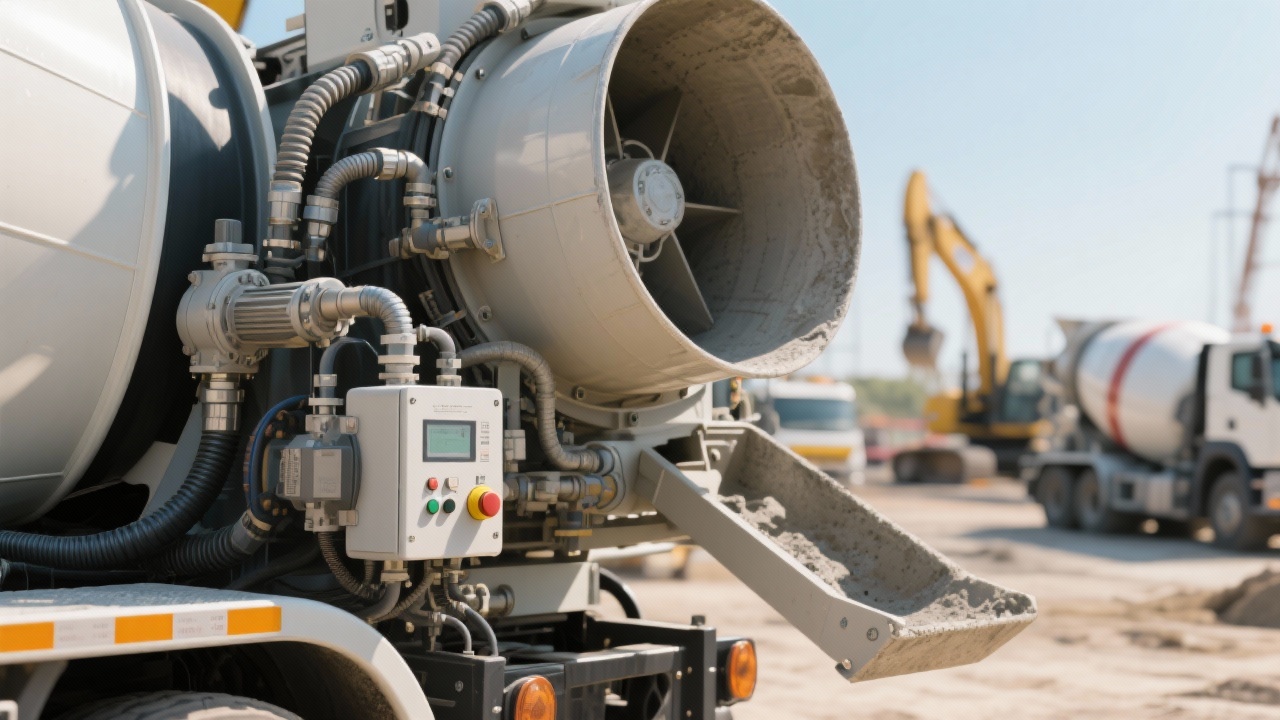
An intelligent control system can play a vital role in real - time monitoring. It can provide speed feedback, allowing you to adjust the mixing speed according to the actual situation. For example, if the system detects that the mixing is not uniform, it can increase the mixing speed. It can also identify the mixing state, such as whether the materials are evenly mixed or not. With the help of an intelligent control system, you can achieve more precise control of the mixing process.

Regular maintenance is essential to ensure the normal operation of the mixing equipment. You should clean the mixer at least once a week to prevent the accumulation of concrete residues. Lubrication should be carried out every month to ensure the smooth operation of moving parts. By doing so, you can extend the service life of the equipment and ensure the quality of concrete mixing.
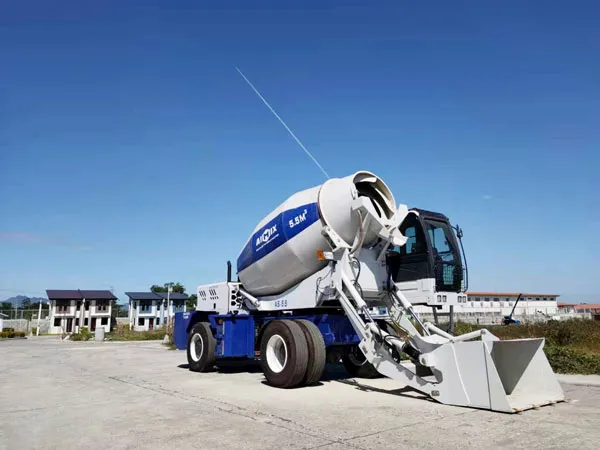
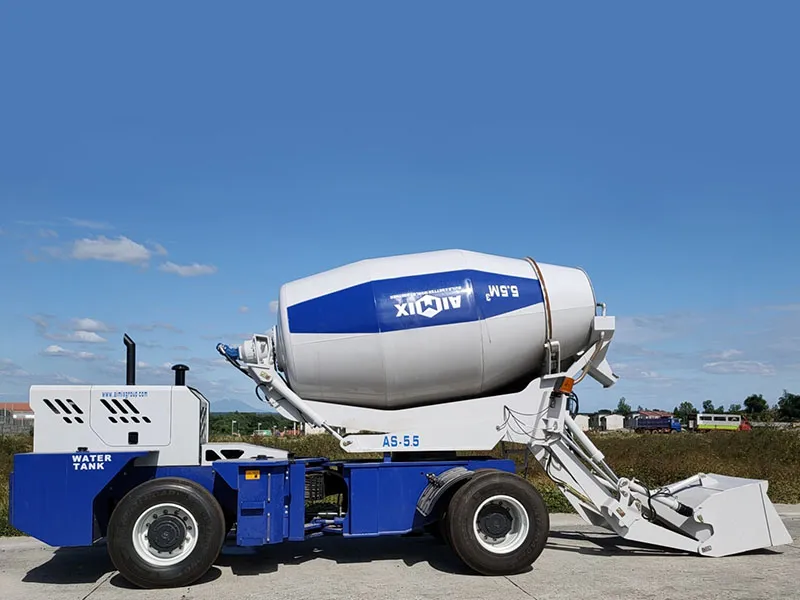
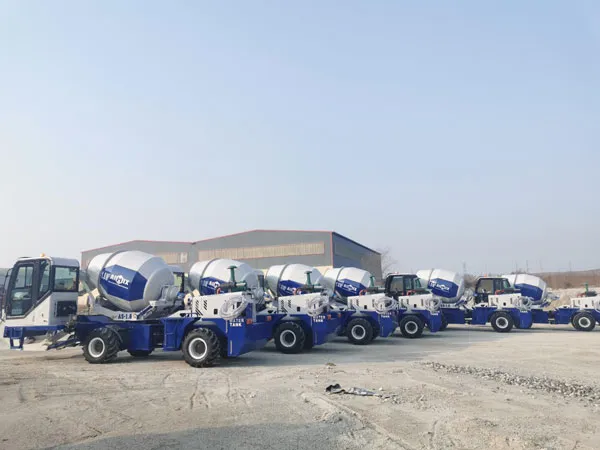
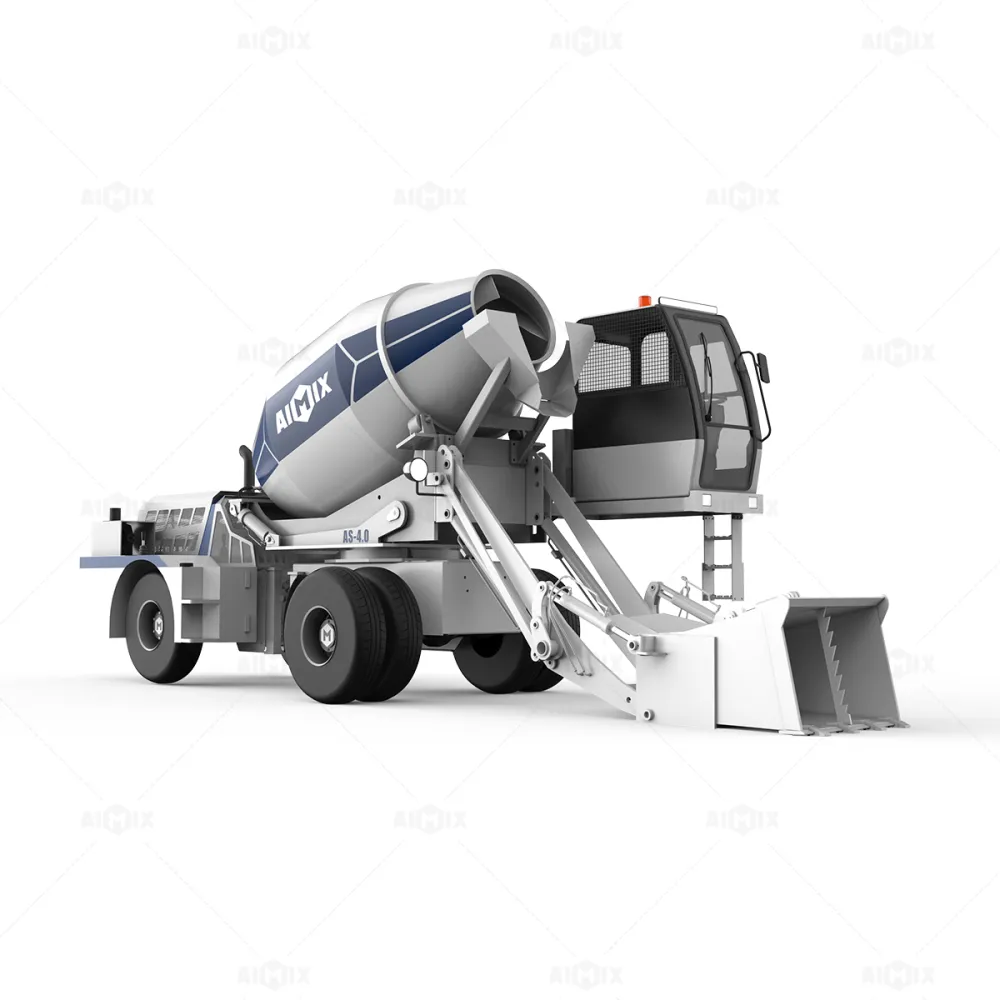
If you are looking for a reliable concrete mixing solution for rural construction, we highly recommend the AS - 2.6 intelligent mixer. This mixer is specifically designed to adapt to the complex working conditions in rural areas. It is equipped with an advanced intelligent control system that can precisely control the mixing process, ensuring high - quality concrete production. With the AS - 2.6 intelligent mixer, you can build rural buildings with stronger and more durable concrete. Click here to learn more about the AS - 2.6 intelligent mixer












.jpg?x-oss-process=image/resize,h_1000,m_lfit/format,webp)