Maintaining consistent quality during the concrete mixing process is paramount, especially in rural construction projects where challenges like inadequate compressive strength and segregation frequently arise. This article delves into the critical control points throughout the entire concrete batching workflow, focusing on mix proportion calculations, optimized batching sequences, mixing duration, and temperature monitoring. These elements collectively ensure that concrete quality meets structural safety and durability standards.
Accurate mix design forms the backbone of concrete quality. Typically, rural projects require compressive strengths ranging from 20 to 30 MPa. To achieve this, the batch must precisely balance cement, water, aggregates, and admixtures. For example, reducing the water-to-cement ratio below 0.50 can significantly improve strength and durability without compromising workability.
Cement content, fine-to-coarse aggregate ratio, and incorporation of additives like plasticizers must conform to relevant standards. Deviations in these ratios often cause excessive bleeding and segregation, weakening the finished structure.
The order in which materials are fed into the mixer dramatically affects the homogeneity of the batch. Starting with a portion of aggregates combined with water and admixtures before gradually adding cement allows for better hydration and binding. Typical mixing duration should range between 60 and 90 seconds to guarantee even distribution of components—overmixing risks early hydration, while undermixing leads to patchy batches.
Temperature also plays a crucial role during mixing. Concrete temperature ideally should be maintained between 10°C and 25°C. Elevated temperatures accelerate hydration too rapidly, increasing shrinkage risks, whereas cold mixing prolongs setting time.
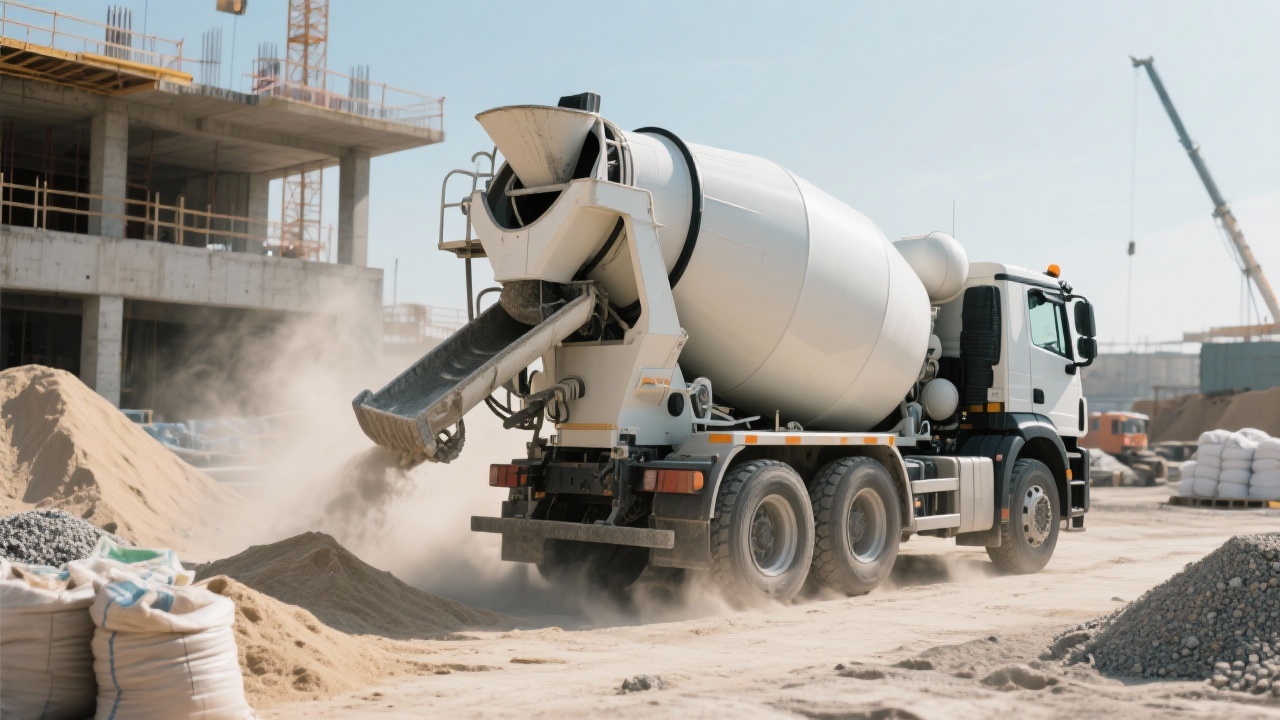
Modern concrete mixers employ advanced intelligent control systems that enable operators to monitor key parameters such as drum rotation speed and material uniformity in real time. Feedback loops automatically adjust motor speed or mixing time, ensuring each batch adheres to the specified parameters.
For instance, rotational speed sensors detecting deviations beyond ±5% threshold trigger alerts or auto-corrections to maintain consistency. Material uniformity sensors evaluate mix homogeneity by analyzing optical or acoustic signals, minimizing segregation risk.

The longevity and optimal function of mixing equipment heavily depend on regular maintenance protocols. Key tasks include thorough washing of the mixing drum to prevent hardened concrete buildup, timely lubrication of bearings and shafts to reduce wear, and periodic inspection of motor and sensor systems.
Establishing standardized maintenance schedules aligned with operating hours—such as cleaning after every 100 batches and lubrication every 50 operating hours—ensures minimal downtime and consistent performance.

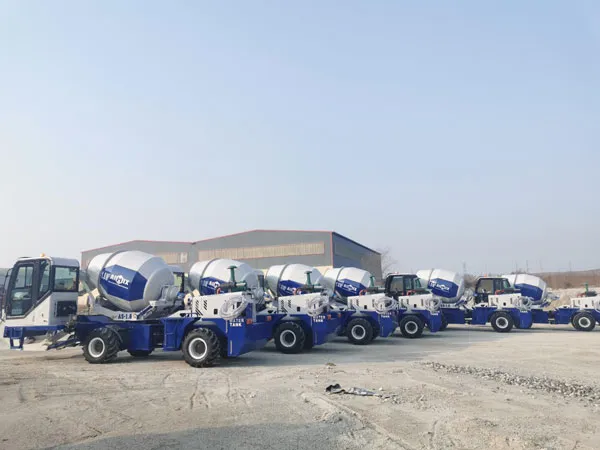
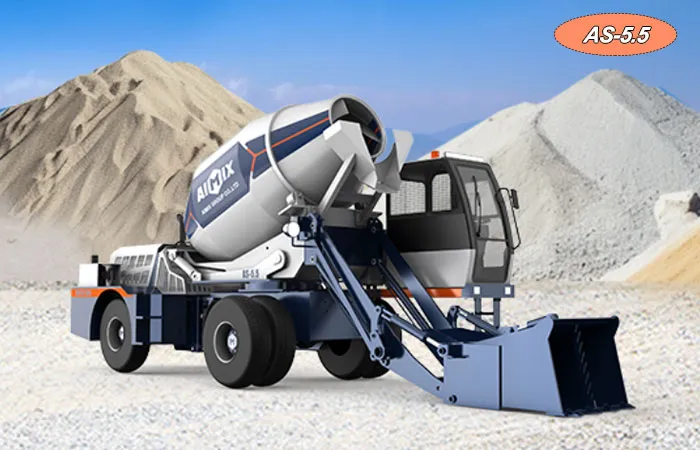
To address the challenges encountered in rural construction projects, Henan Guoli Micos Technology Co., Ltd. presents the AS-2.6 smart self-feeding concrete mixer. This advanced equipment integrates precise mix proportion control, automated batching sequence, and real-time intelligent monitoring for superior batch uniformity.
Designed with rugged components and intuitive interfaces, the AS-2.6 reduces manual errors and improves productivity by up to 25%, according to factory field tests. Its self-feeding mechanism streamlines operation, minimizing labor requirements while enhancing safety.




.jpg?x-oss-process=image/resize,h_1000,m_lfit/format,webp)