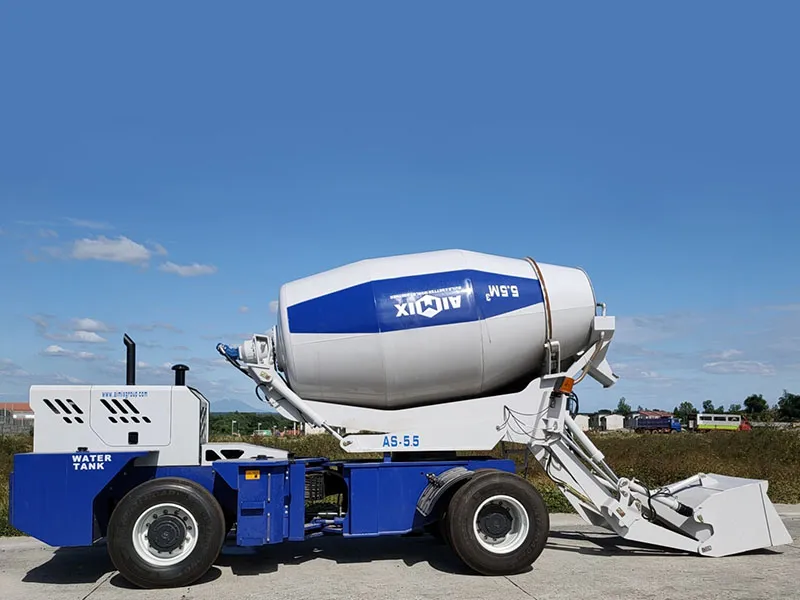
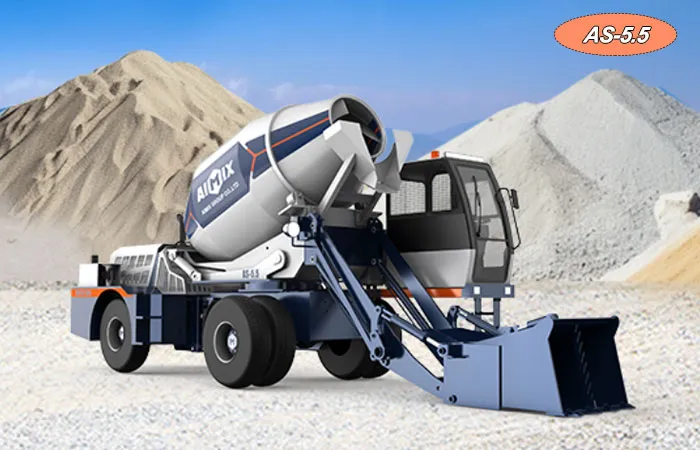
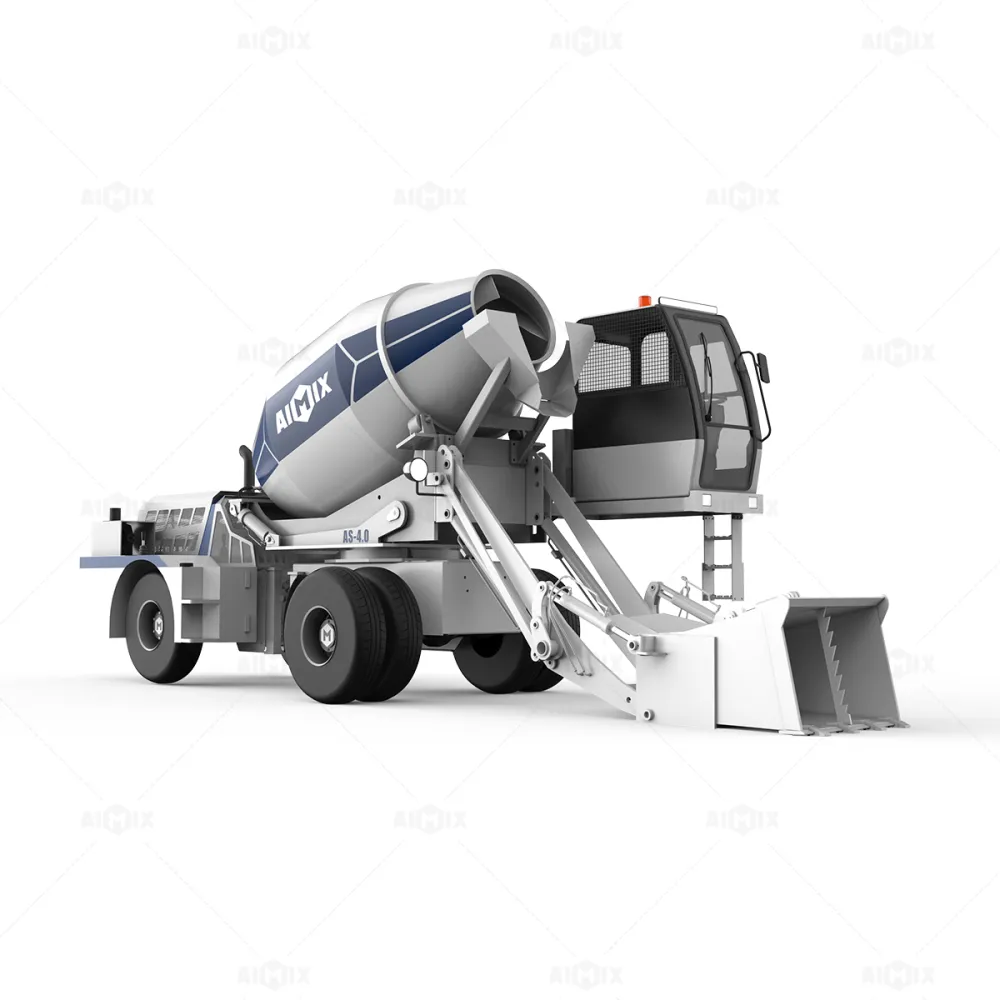
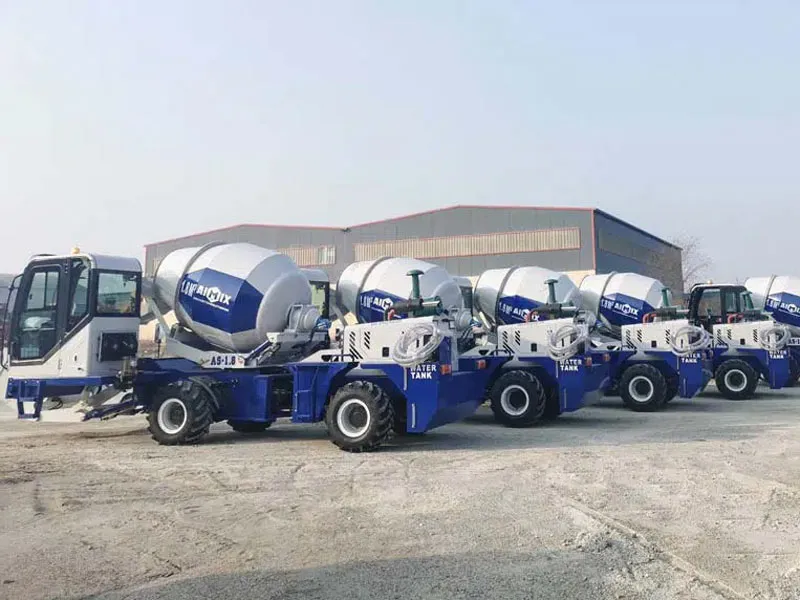
Did you know that over 40% of construction companies report downtime due to vehicle maintenance issues — especially with concrete mixers? In high-stress environments like job sites, where trucks run 12–16 hours a day, poor maintenance is often the hidden culprit behind low out-of-service rates and costly delays.
Start with your truck’s heart — the engine and braking system. According to industry data from the American Society of Civil Engineers (ASCE), 35% of unexpected breakdowns stem from neglected oil changes and worn brake components. Replace engine oil every 500 hours or 6 months (whichever comes first), and always check air pressure in brake lines daily. A simple leak or underinflated tire can cost you up to 2 hours of lost productivity per incident.
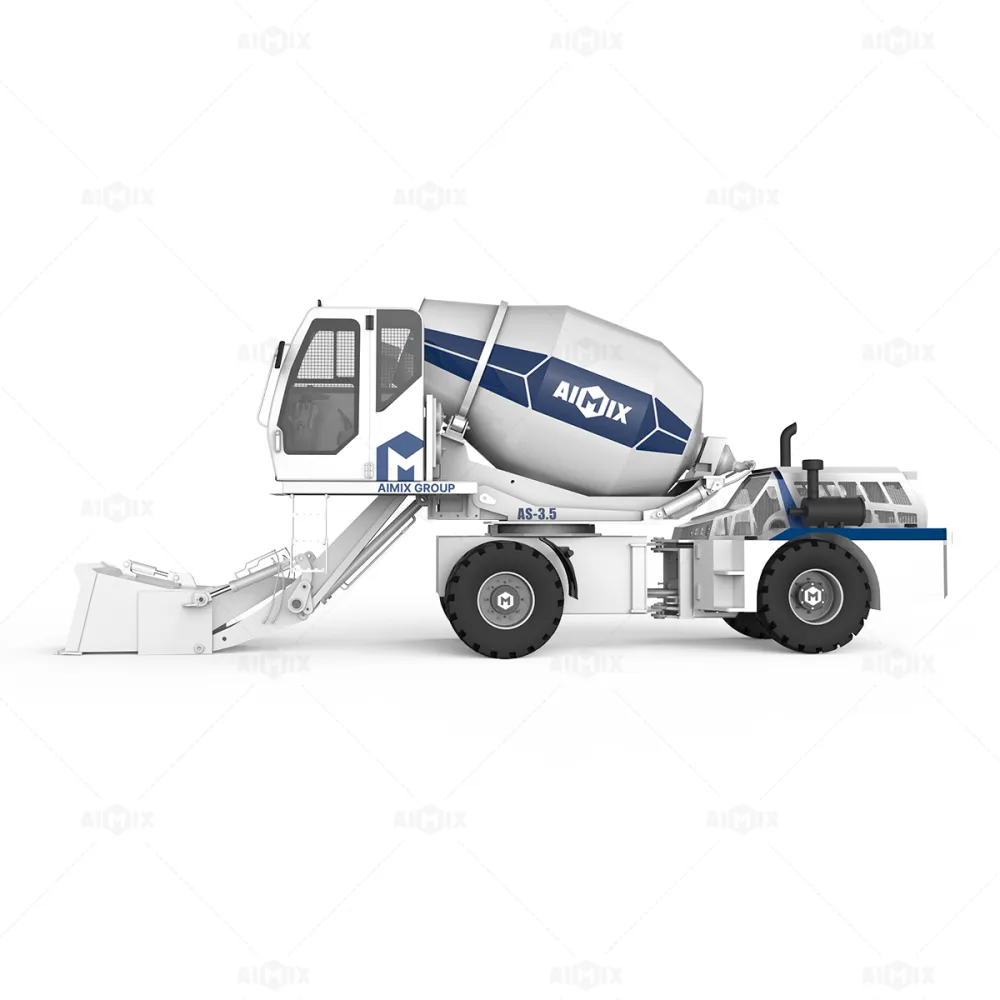
The drum and hydraulic system handle heavy loads and abrasive materials. Without regular cleaning and inspection, wear accelerates quickly. Industry benchmarks show that mixing drums with clean interiors and properly maintained blades last 3x longer than those left unattended. Clean the drum after each shift, inspect welds monthly for cracks, and replace liners when thickness drops below 10mm. For hydraulics, change oil every 1,000 hours and filter elements every 500 hours — this small step reduces pump failures by up to 70%.
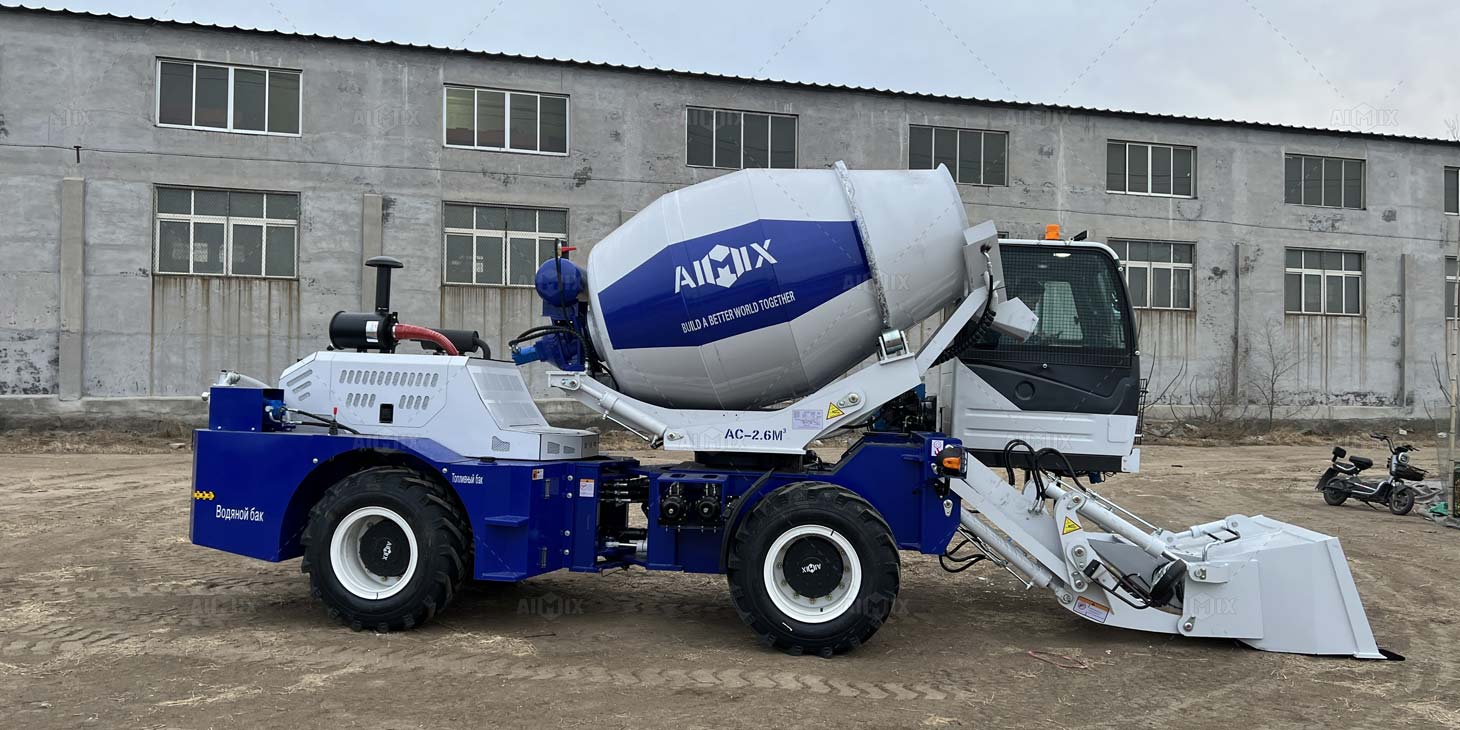
Many operators overlook wiring, sensors, and water systems — until it's too late. Moisture damage to connectors causes intermittent faults that lead to missed deliveries. Check all wire connections weekly, especially near the rear axle. Calibrate sensors every 30 days to ensure accurate readings. Also, flush the water system monthly to prevent scale buildup — clogged nozzles cause uneven spraying and inefficient cleaning, leading to premature wear on the drum.
These three steps aren't just best practices — they're proven strategies used by top fleet managers across Europe, the Middle East, and North America. By implementing a standardized checklist, you’ll see measurable improvements in uptime within 60 days. One contractor in Dubai reported a 28% increase in daily output after adopting these routines.
Download our free Concrete Mixer Maintenance Checklist — trusted by over 500 global fleets.
Get the Free Maintenance Guide Now


.jpg?x-oss-process=image/resize,h_1000,m_lfit/format,webp)