

Are you a rural construction team facing delays due to frequent concrete mixer breakdowns? You're not alone. In fact, over 65% of small contractors report at least one major equipment failure per month during peak seasons — often because of poor maintenance or outdated machines.
Many rural teams still rely on older models with manual controls and no diagnostics. These units struggle in tight spaces, require constant operator attention, and suffer from inconsistent mixing — especially when working in rainy conditions or with limited manpower. On average, these setups produce only 7–9 m³/hour, far below what modern projects demand.
What’s worse? A single motor burnout can cost up to $300 in parts and downtime — time that could’ve been spent completing a house foundation or road patch.
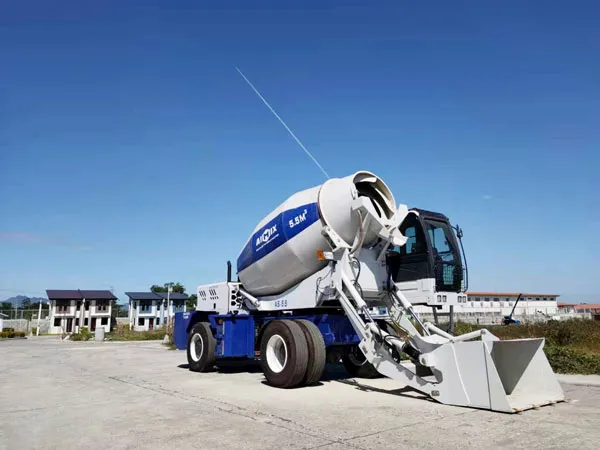
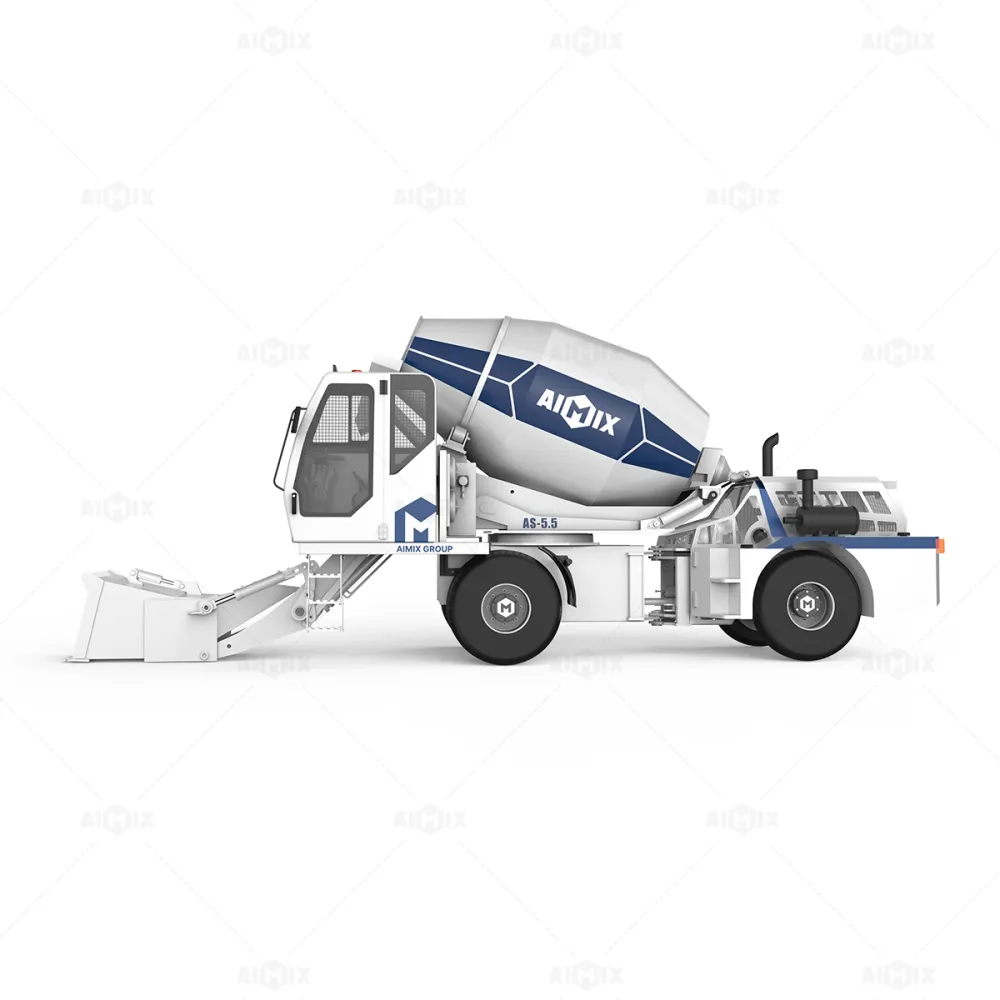
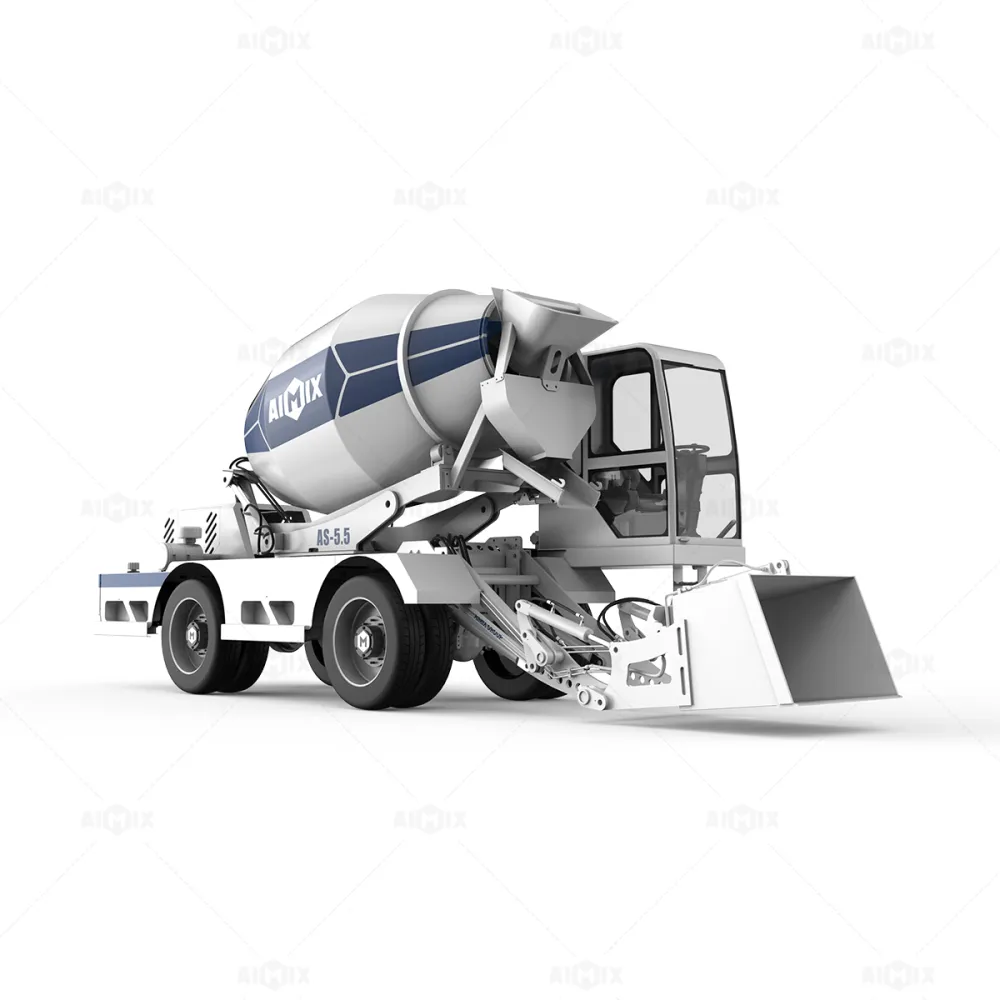
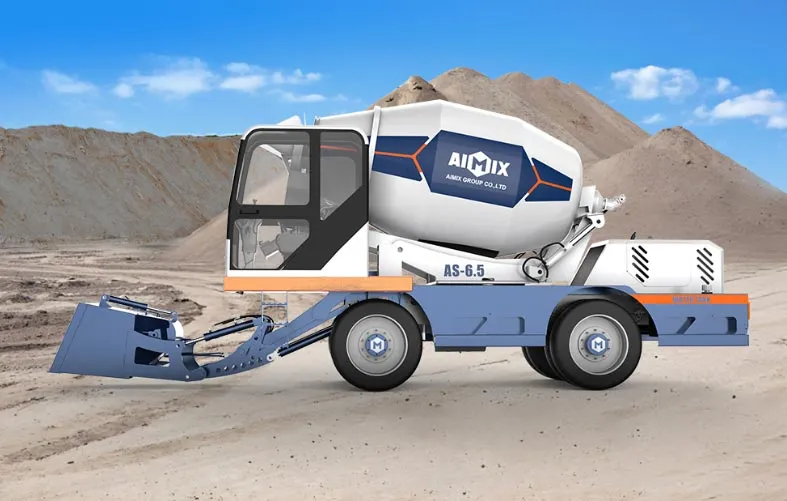
Take the AS-2.6 self-loading mixer as an example. With its smart control system, it reduces human error by approximately 30%, ensures consistent batch quality (±2% variation), and delivers 10–12 m³/hour even under challenging field conditions.
Field tests show teams using this model complete 1.5x more jobs per week compared to traditional ones — without increasing labor costs.
These aren’t just theory — they’re based on real-world feedback from over 300 rural builders across Southeast Asia, Africa, and Latin America who switched to intelligent mixers last year.
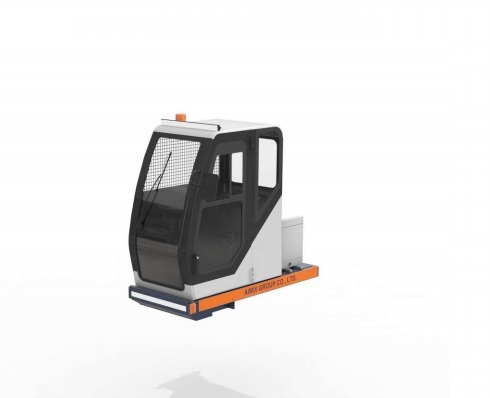
Even if your site has narrow access roads or limited power supply, the AS-2.6’s hinge frame and compact footprint make installation straightforward — typically done in under 30 minutes by two people.
Want to know how others are solving similar problems? Share your experience in the comments below — we read every message and may feature yours in our next case study.
See how the AS-2.6 mixer helps rural teams like yours work smarter — not harder.
Explore the AS-2.6 Features →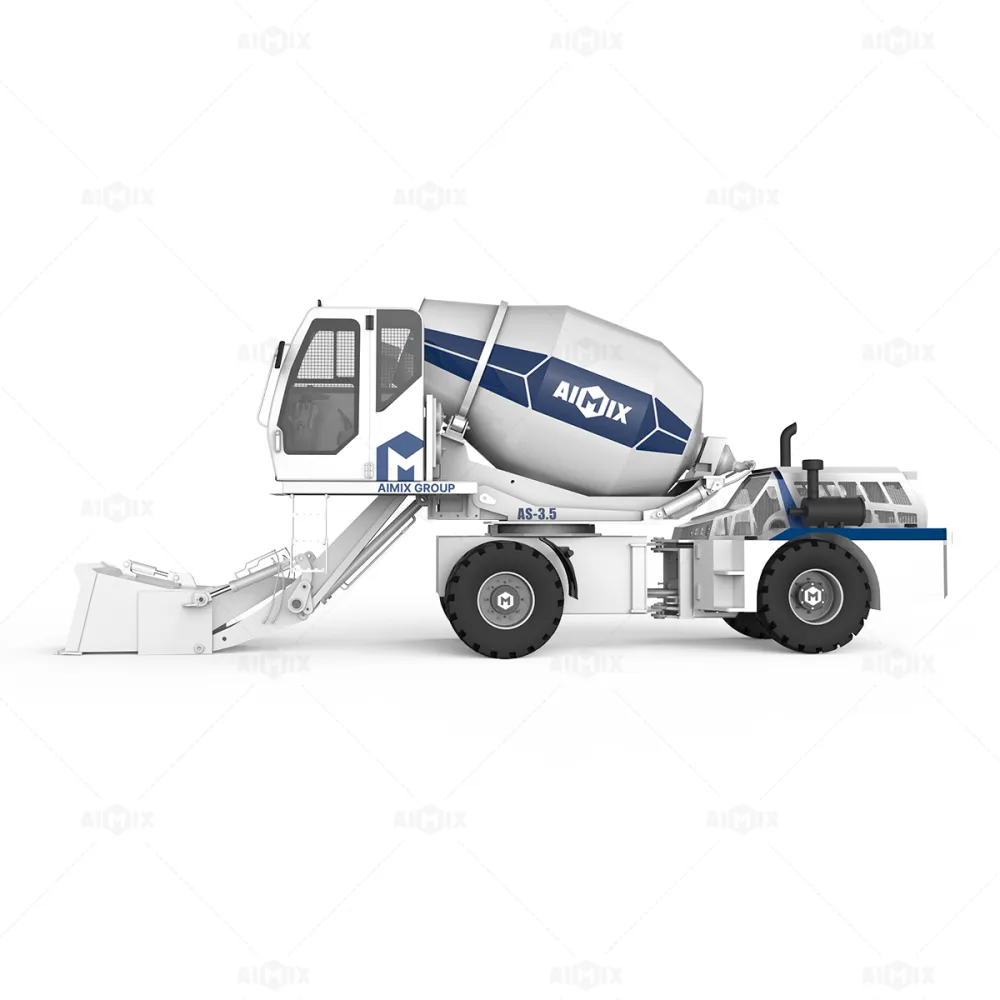


.jpg?x-oss-process=image/resize,h_1000,m_lfit/format,webp)
.jpg?x-oss-process=image/resize,h_1000,m_lfit/format,webp)


 <#else>


