Stability Analysis of Concrete Mixers in Challenging Terrains: Unpacking Articulated Frames & Industrial Tires
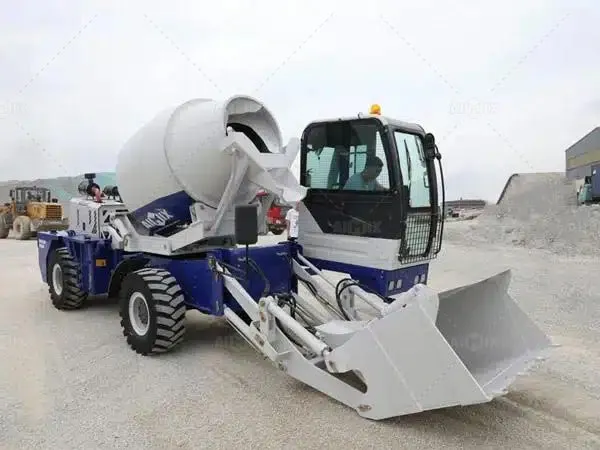
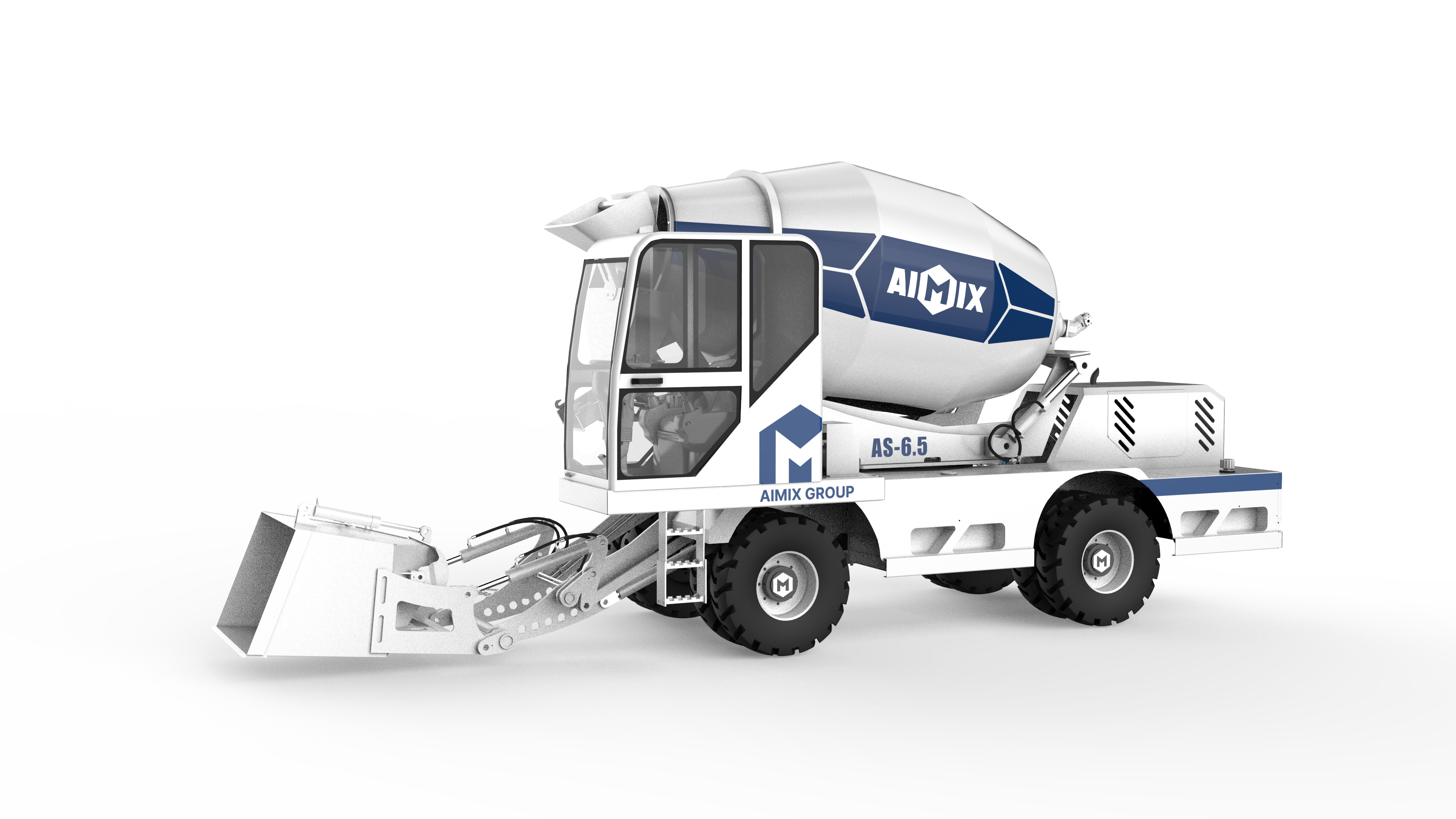
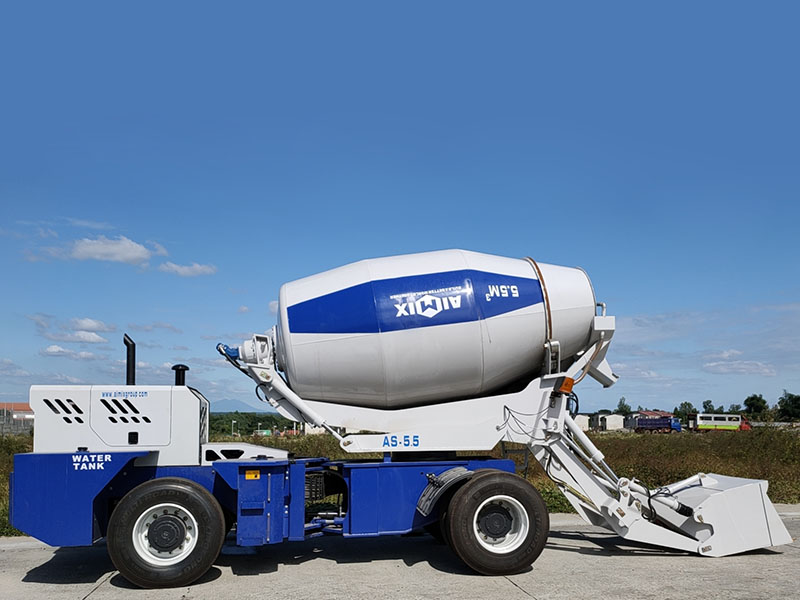
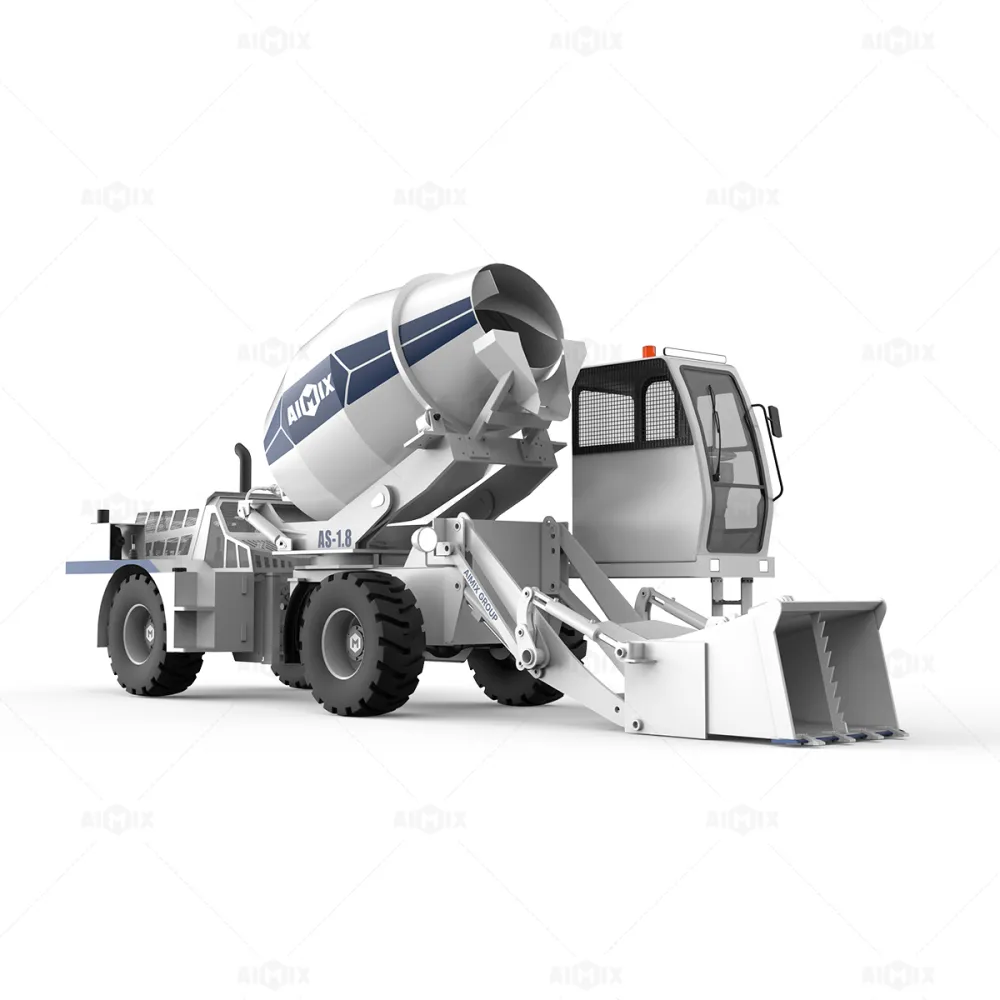
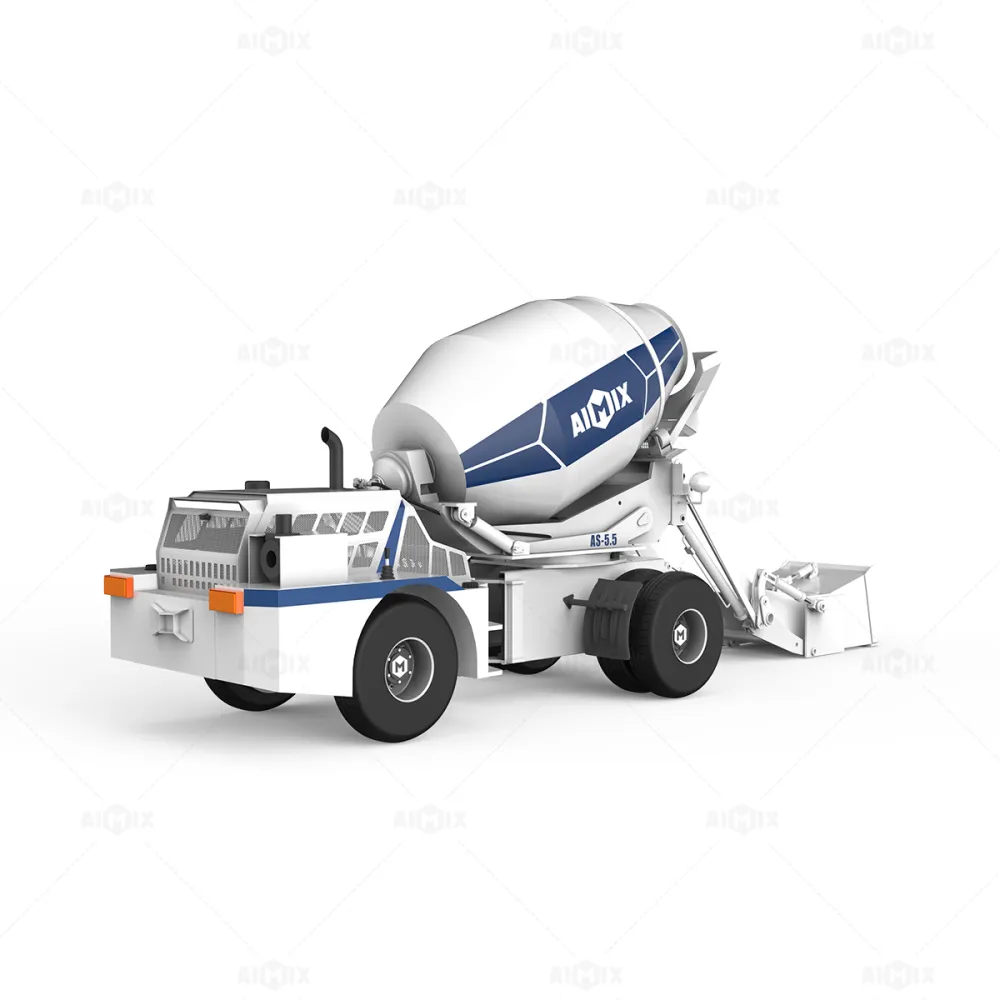
Navigating the uneven landscapes of rural and mountainous regions poses a formidable challenge for concrete mixing operations. At Henan Guoli Mikos Technology Co., Ltd., the AS-2.6 self-loading concrete mixer, with a capacity of 2.6 cubic meters, is engineered to address these complexities effectively. Through a synergy of articulated vehicle frames and rugged engineering tires, this equipment delivers reliable stability and operational efficiency, even on slippery, muddy slopes.
Understanding Terrain Challenges in Rural and Mountainous Concreting
Conventional concrete mixers often struggle with common issues like skidding, uneven material distribution, and compromised machine control when operating in irregular, soft terrains. For small to medium construction projects, these challenges translate into delays, safety hazards, and inconsistent concrete quality.
Key operational challenges include:
- Loss of traction on muddy or loose soil, risking vehicle slippage and site downtime
- Inadequate weight distribution causing tipping during sharp turns and slope navigation
- Poor material discharge resulting from unstable mixer rotation angles
Articulated Frame: The Heart of Flexibility and Stability
The AS-2.6 model incorporates an articulated chassis—a pivot joint between the front and rear frames—allowing differential angular movement. This design mimics a human waist's flexibility, enabling:
- Enhanced maneuverability: The vehicle can perform tight turns on narrow dirt tracks, improving accessibility on rural job sites.
- Optimized ground contact: The articulation balances load distribution across all wheels, reducing ground pressure and minimizing soil disturbance.
- Improved shock absorption: It lessens the impact of bumps and uneven surfaces, safeguarding the mixer’s mechanical components.
By distributing the load more evenly, the articulated frame lowers the tipping risk by approximately 30% compared to rigid frame designs documented in comparable field studies.
Industrial Tires: Traction That Goes the Extra Mile
Complementing the articulated frame, the AS-2.6 utilizes industrial-grade engineering tires specially designed for off-road and rugged terrain.
- High-traction treads: Specially patterned grooves ensure superior grip on slippery slopes and muddy paths.
- Reinforced sidewalls: Resist punctures and deformation, critical for rocky or debris-laden construction zones.
- Load-bearing capacity: Engineered to maintain stability under the heavy mixer load while enabling smooth transit.
Together, these tires decrease slippage incidents by an estimated 40% in comparative field tests involving uneven roadside conditions.
Precision Concrete Placement With a 270° Rotating Mixer Drum
Beyond stability and mobility, the AS-2.6 shines in its material handling precision. The mixer drum features a 270-degree rotation mechanism, offering exceptional flexibility in concrete discharge angles, crucial for uneven foundation work in confined spaces.
This rotational capacity allows operators to control:
- Targeted pouring: Adjust discharge direction without repositioning the entire machine, saving time on unstable terrain.
- Flow speed regulation: Manage concrete viscosity and flow to ensure uniform placement, reducing material wastage.
- Reduced manual labor: Precise control minimizes the need for auxiliary handling, improving onsite safety.
Our field operators have reported up to a 25% improvement in placement accuracy and a 15% reduction in concrete waste using this system.
Onsite Validation: Real-World Case Study Insights
At a rural infrastructure project nestled in hilly terrain, the AS-2.6 self-loading mixer was deployed to complete concrete pourings along steep, slippery embankments. Operators noted:
- Uninterrupted operation through soft muddy sections, enhancing daily productivity by 20%
- Efficient navigation on narrow tracks with a 15% reduction in repositioning time
- Consistent concrete flow and spot-on placement at slopes exceeding 15° inclination
Such performance highlights how the engineered features translate to tangible benefits, minimizing project risks caused by terrain volatility.
Practical Operation Checklist: Ensuring Stability and Efficiency
To fully leverage the AS-2.6’s capabilities, operators should follow this simple operation verification checklist before starting work:
- Articulation joint check: Confirm secure locking and lubrication status to maintain flexibility.
- Tire pressure and tread inspection: Maintain adequate PSI as recommended (typically 35-40 PSI for industrial tires) and ensure no visible damage.
- Rotation mechanism test: Verify smooth 270° rotation of the mixer drum without mechanical noise or resistance.
- Load balance assessment: Confirm even material distribution inside the drum to prevent uneven weight burdens.
- Site conditions briefing: Evaluate slope angles and ground softness to adjust driving speeds and pouring techniques accordingly.
These targeted steps promote maximum safety and sustained machine performance, especially vital in unpredictable environments.




.jpg?x-oss-process=image/resize,h_1000,m_lfit/format,webp)




.jpg?x-oss-process=image/resize,h_1000,m_lfit/format,webp)