Choosing the Right Concrete Mixer for Small and Medium Construction Projects: Key Technical Parameters and Application Guide
29 01,2026
Technical knowledge
This article focuses on selecting suitable concrete mixers for small and medium-sized construction projects by analyzing key technical parameters and application scenarios. It highlights core advantages such as intelligent mix ratio control, efficient hydraulic loading systems, and multi-angle rotating drum designs. Through typical case studies, the article demonstrates how intelligent operations enhance concrete quality and construction efficiency, while ensuring equipment stability and mobility under complex conditions. Practical maintenance tips are also provided to support reliable and efficient concrete production, meeting diverse construction needs and enabling precise equipment matching.
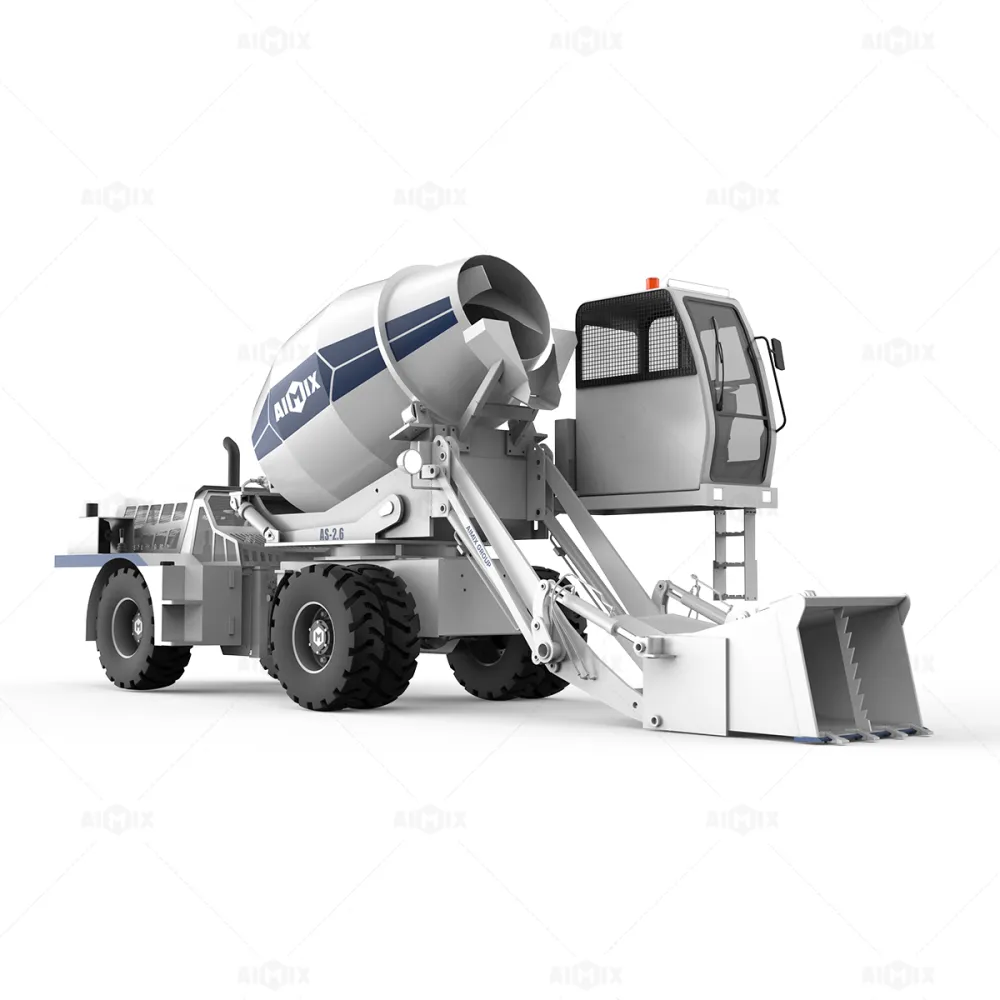
How to Select the Optimal Concrete Mixer for Small to Medium Construction Projects: A Technical Parameter & Application Guide
Choosing the right concrete mixer for small to medium-sized construction projects can significantly impact both the quality of concrete and overall operational efficiency. With advancements in mixer technology, modern equipment integrates intelligent controls, robust hydraulic systems, and innovative mechanical designs to meet diverse site demands. This guide demystifies the key technical parameters of intelligent concrete mixers and explores their practical applications, enabling decision-makers to align equipment capabilities with specific construction scenarios.
Critical Technical Parameters for Intelligent Mixers
For construction managers and equipment procurement specialists, understanding essential technical indicators is pivotal. The following components directly influence mixer performance:
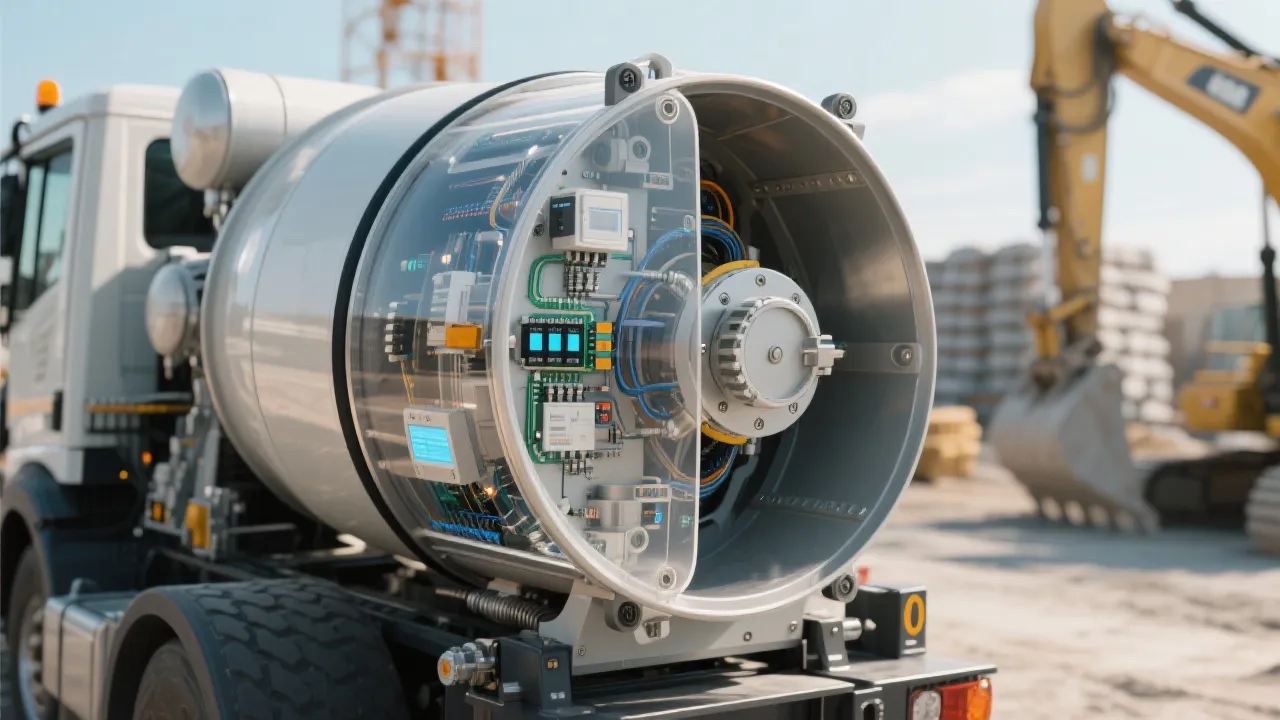
- High-Definition Touchscreen Control: Enables real-time monitoring of mixing ratios with an average accuracy of ±1%, improving consistency across batches.
- Precision Weighing System: Incorporates load cells with sensitivity down to 0.1 kg, ensuring exact material proportions and reducing cement or aggregate waste by up to 5% compared to traditional methods.
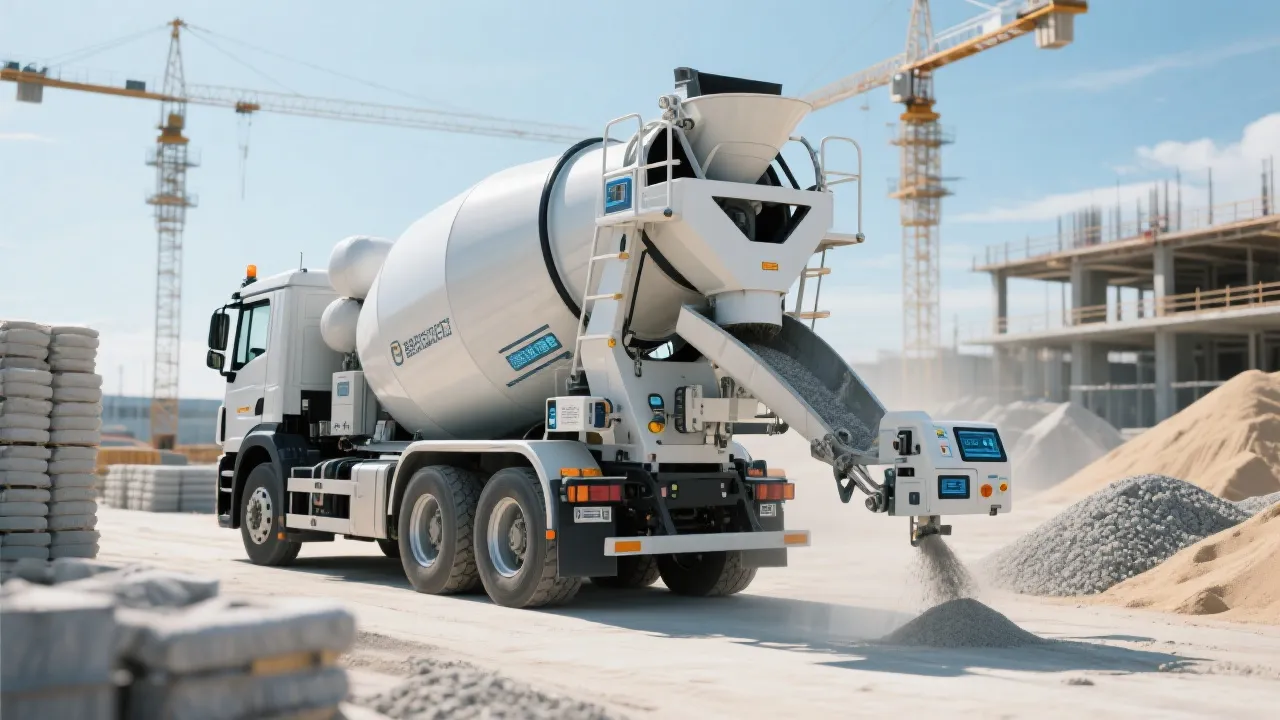
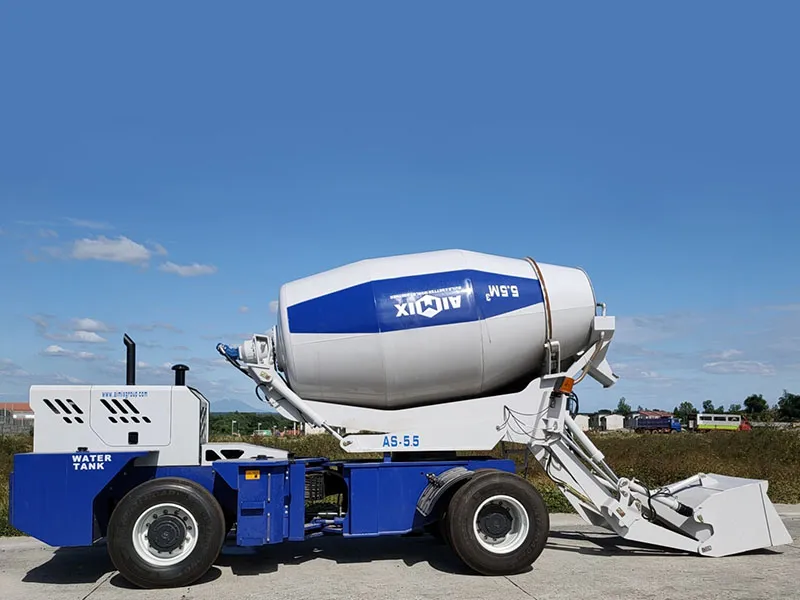
- Hydraulic Feeding Mechanism: Offers automated aggregate loading and water supply control, which can speed up the batch preparation cycle by 15%-20%, while minimizing manual labor risks.
- Multi-Axis Mixer Rotation: A 270-degree rotation capability combined with reverse turning ensures complete discharge and prevents residue buildup, raising operational reliability on challenging sites.
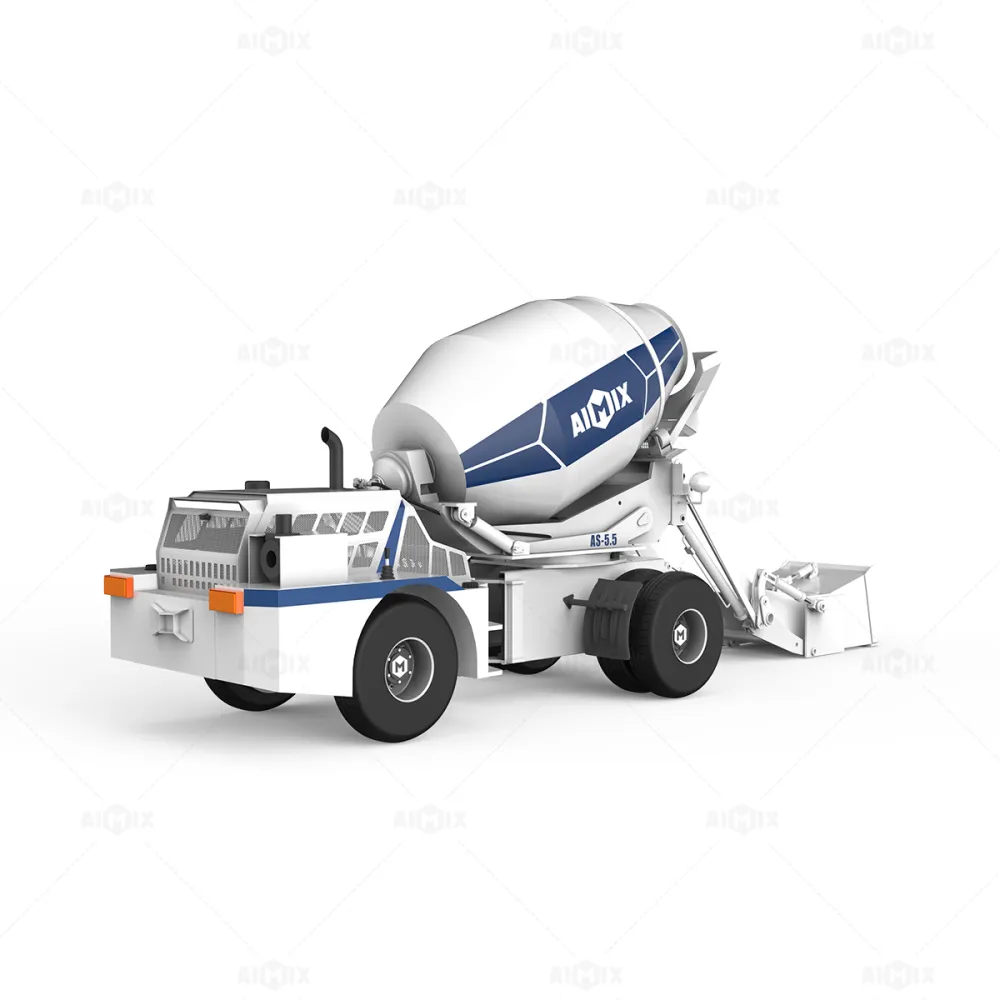
- Chassis and Mobility Features: The integration of articulated frames along with heavy-duty engineering tires provides stability and maneuverability across rugged or uneven terrain, essential in rural or constrained urban zones.
Application Scenarios: Matching Mixer Capabilities with Project Demands
Diverse construction environments necessitate adaptive mixer functions. Intelligent mixers have demonstrated superior adaptability in:
- Rural Road Development: The hydraulic loading system reduces operational downtime on sites lacking extensive infrastructure. The articulated chassis eases transportation through narrow and uneven paths.
- Small-Scale Industrial Facilities: Precision weighing combined with touchscreen mix controls allows for standardized concrete batches in small factory expansions, enhancing structural reliability.
- Urban Infill Projects: Compact mixer dimensions paired with multi-angle rotation facilitate efficient discharge in constrained urban construction spaces, maintaining productivity and reducing labor intensity.
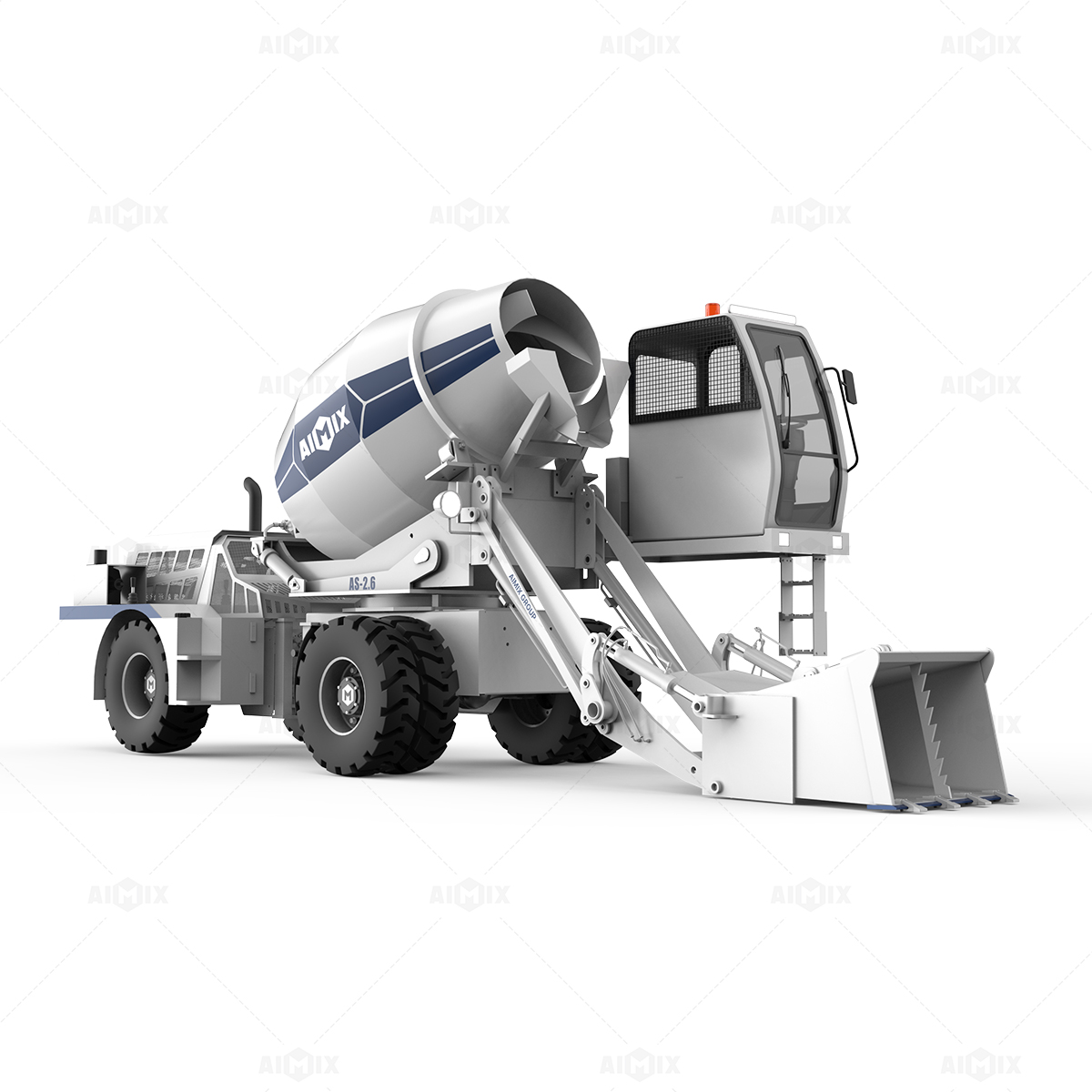
Maximizing Concrete Quality and Operational Efficiency via Intelligent Control
Incorporating smart control systems with precise sensors delivers tangible benefits. Industry studies indicate mixing uniformity can improve by 25%, resulting in stronger, more durable concrete that meets or exceeds ISO 1920 standards. Furthermore, automated processes mitigate human error, enhance site safety, and minimize material overuse, reducing costs and environmental impact.
Device Stability & Mobility: Overcoming Complex Site Conditions
Engineering challenges like sloped terrain, restricted maneuvering space, and variable weather require mixers engineered for resilience:
- Articulated Frame Design: Allows flexible movement and tight turning radius, essential for urban or forested sites.
- Durable Engineering Tires: Heavy-duty tires provide traction and shock absorption to maintain performance despite surface irregularities.
- Robust 270-Degree Rotating Drum: Facilitates complete discharge and ensures minimal downtime for cleaning and resetting, increasing concrete throughput by approximately 10%.
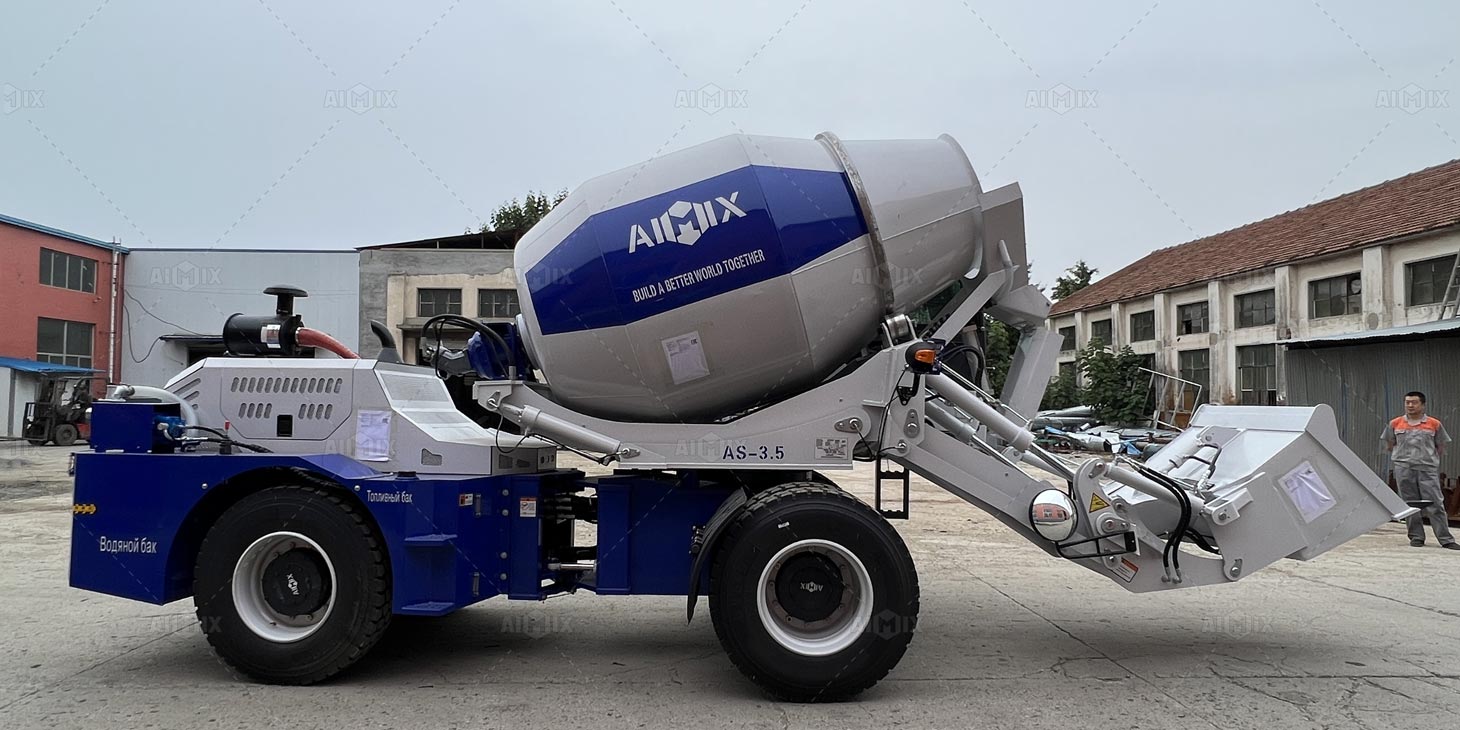
Essential Maintenance Practices to Extend Mixer Longevity
To ensure uninterrupted operation and protect investment, adherence to routine maintenance guidelines is critical. Recommended measures include:
- Daily cleaning of the mixing drum and hydraulic components to prevent residue accumulation and corrosion.
- Monthly inspection and calibration of weighing sensors to maintain measurement precision within industry tolerance limits.
- Quarterly checks on hydraulic fluids and tightening of mounting bolts for mechanical reliability.
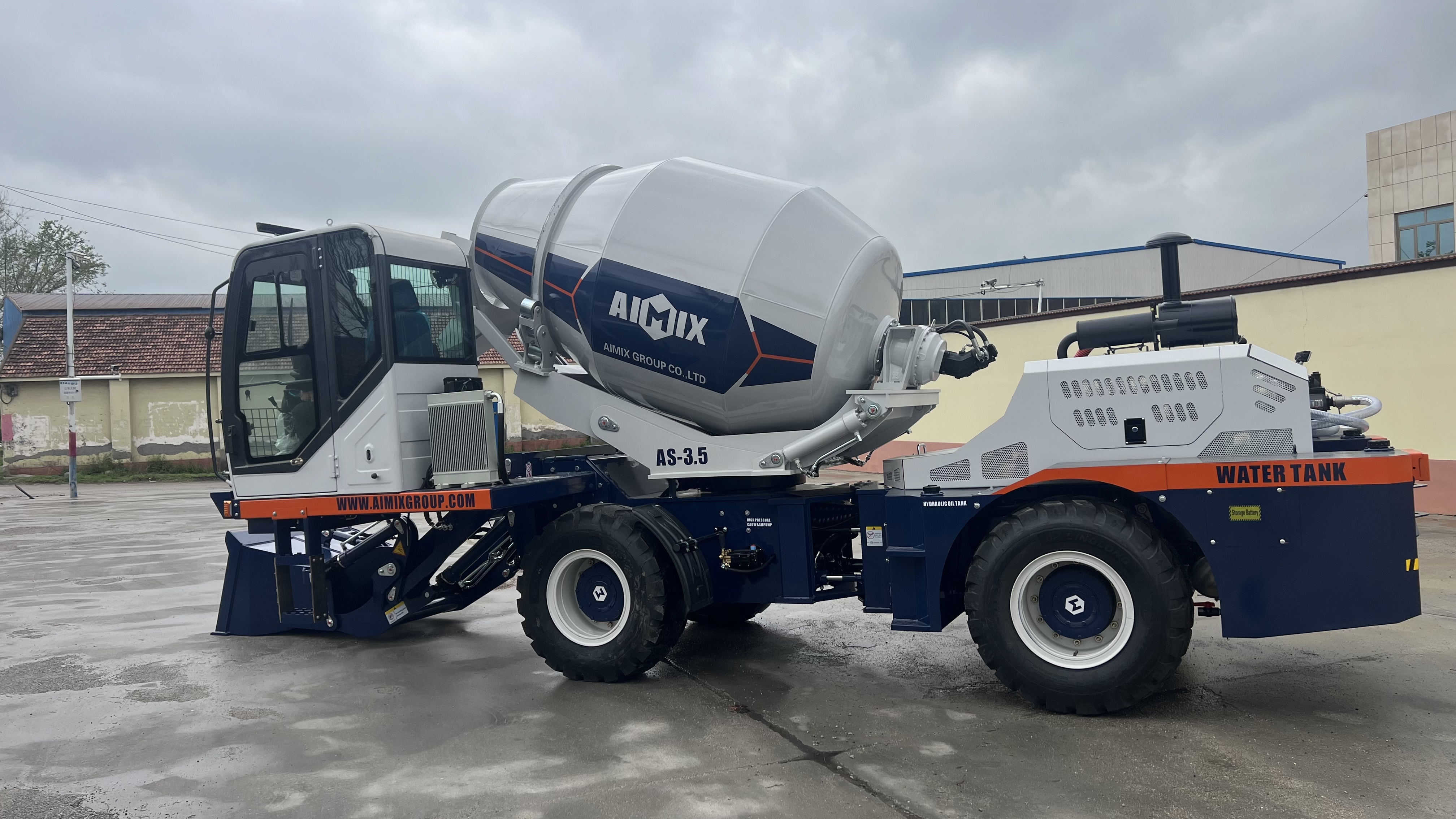
Following these steps not only minimizes downtime but also ensures compliance with safety standards such as OSHA 1926 and EN 15038, enhancing both operator and site safety.




.jpg?x-oss-process=image/resize,h_1000,m_lfit/format,webp)