Selecting the Right Concrete Mixer for Small to Mid-Sized Construction Projects: Key Technical Parameters and Practical Guide
11 02,2026
Tutorial Guide
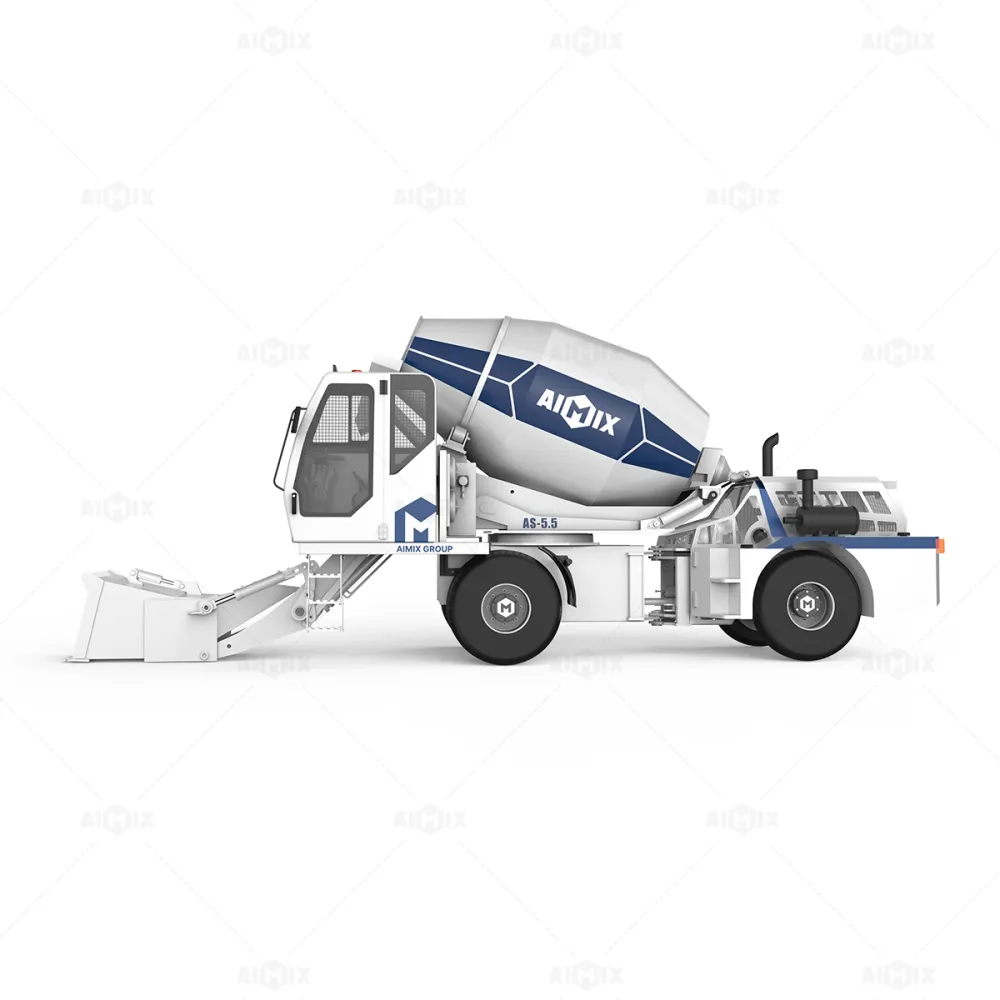
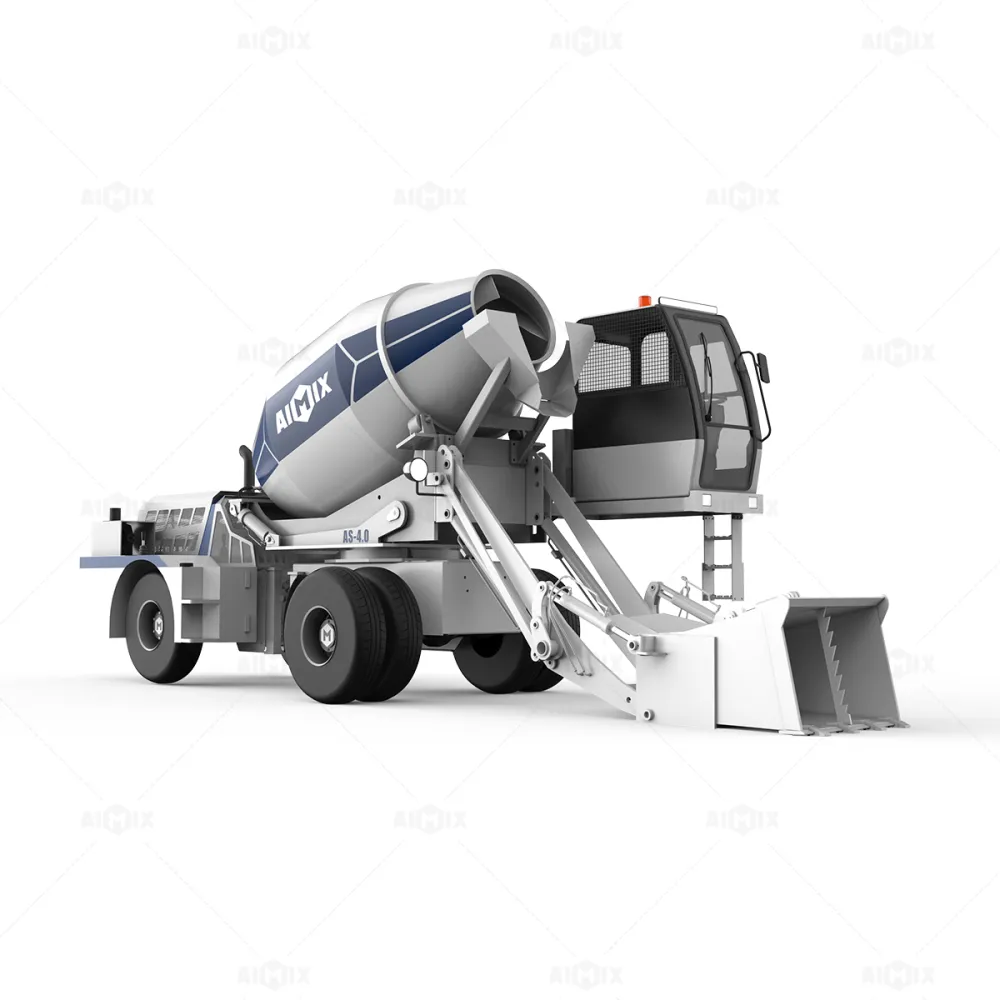
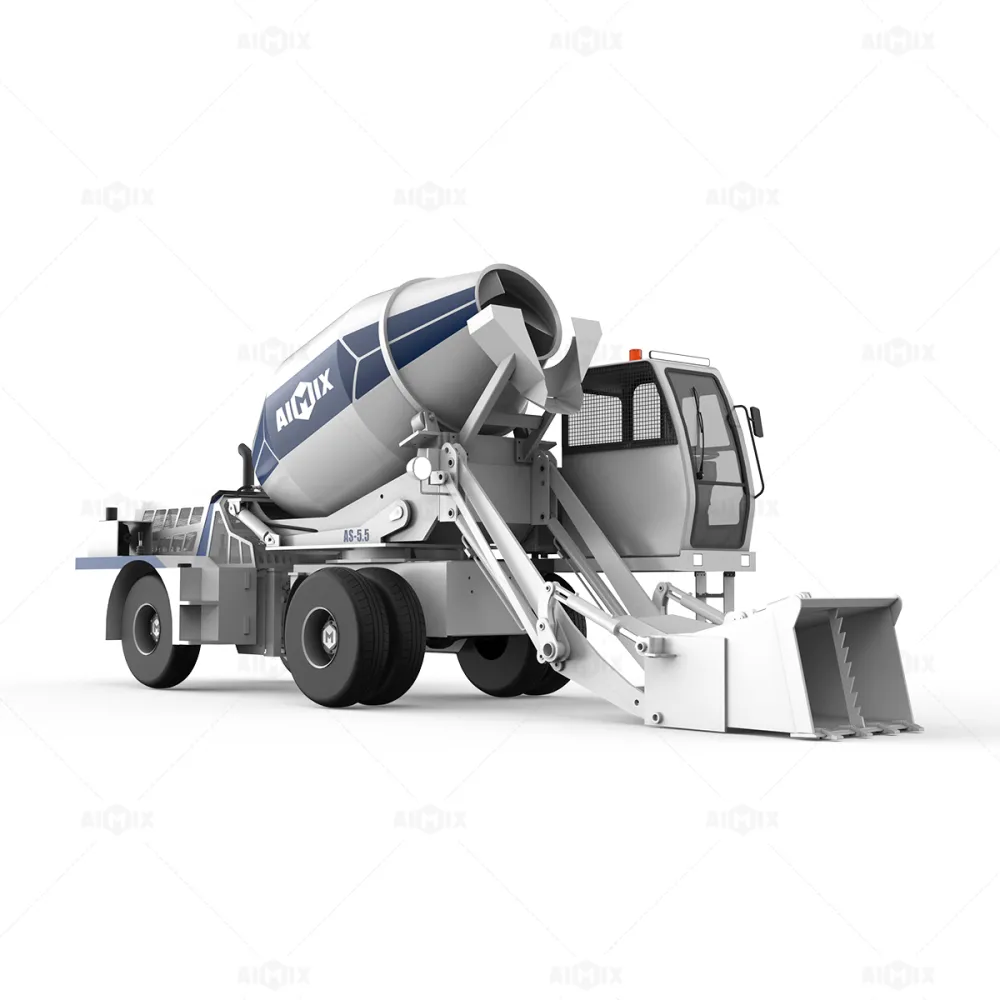
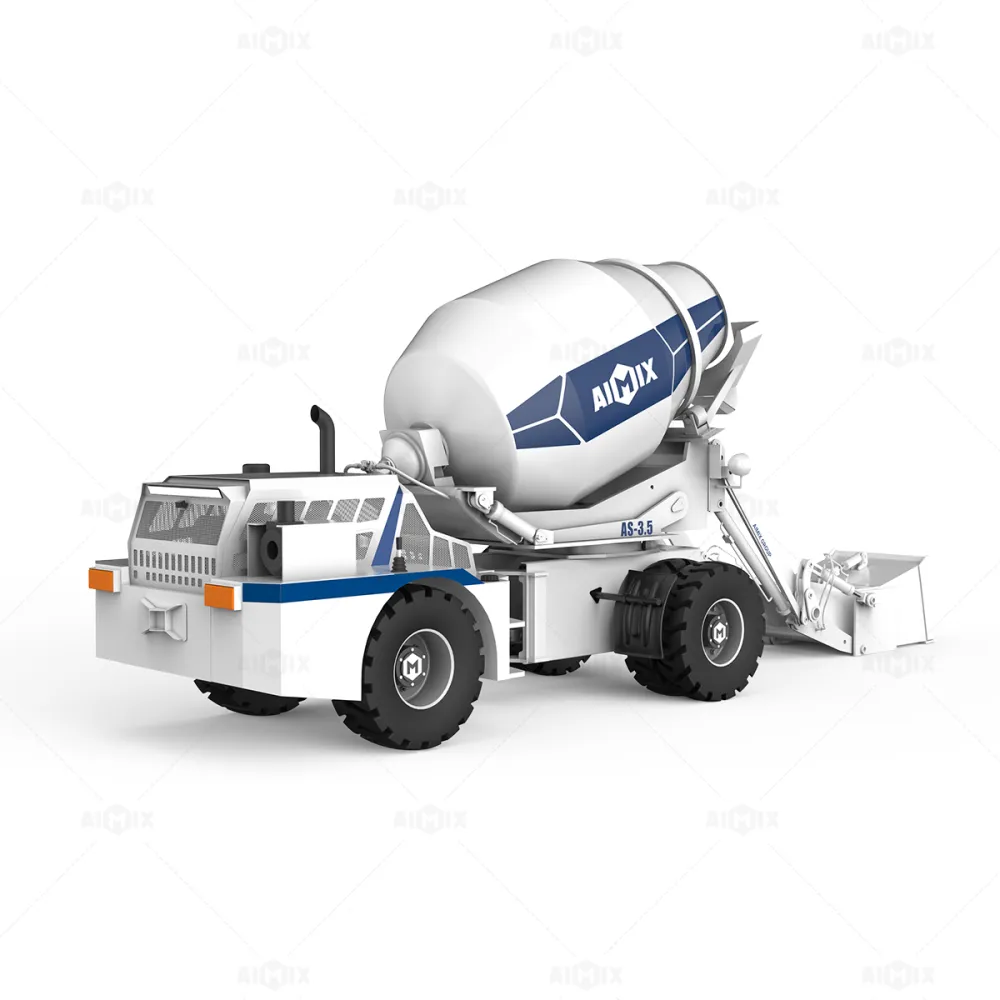
Choosing an appropriate concrete mixer for small to mid-sized construction projects requires careful consideration of device intelligence, production efficiency, operational convenience, and site adaptability. This article provides an in-depth analysis of the Henan Guoli Mikos Technology AS-3.5 intelligent self-loading concrete mixer, highlighting innovative features such as a high-definition touchscreen, hydraulic-driven loading system, and 270-degree rotating mixing drum. Combining real-world project applications, the guide helps users achieve precise equipment selection and effective maintenance, enhancing construction quality and on-site efficiency while ensuring long-term stable operation. Practical operation tips and maintenance checklists are also provided to support smooth project progression.

Choosing the Right Concrete Mixer for Small to Medium Construction Projects: Key Technical Insights and Practical Guide
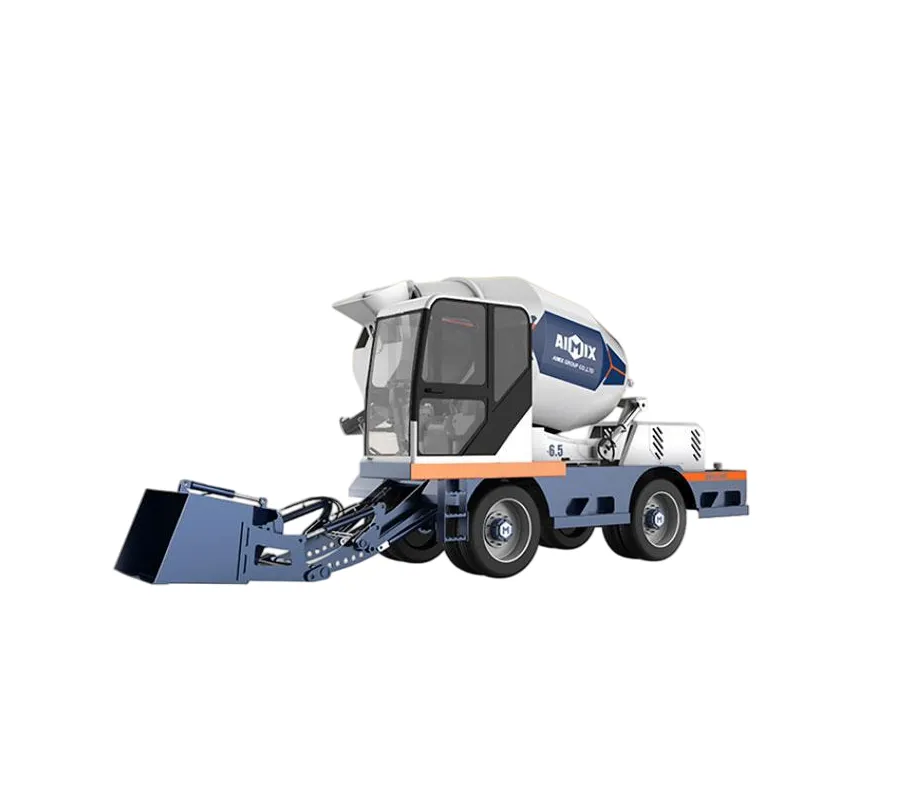
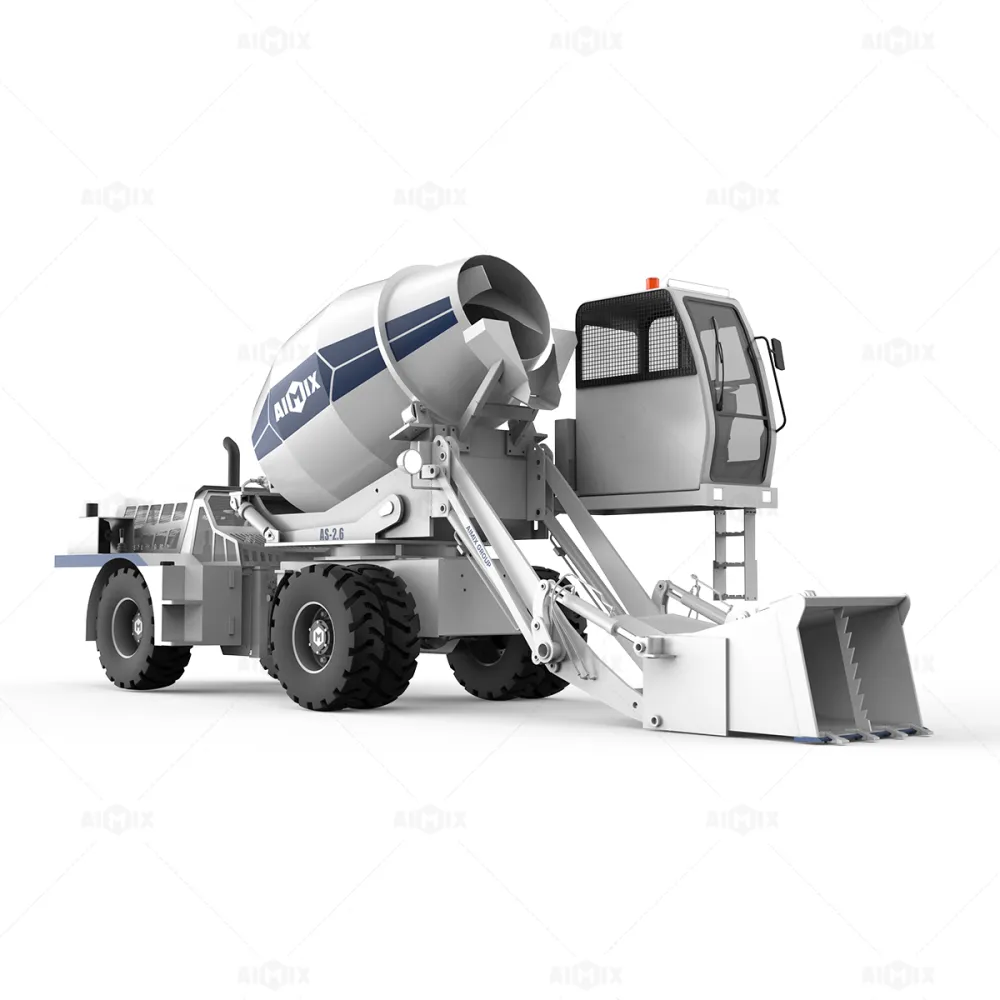
Selecting an optimal concrete mixer for small and medium-sized construction projects entails a careful balance of intelligent features, operational efficiency, user-friendliness, and site adaptability. The AS-3.5 Intelligent Self-loading Concrete Mixer from Henan Guoli Mikos Technology Co., Ltd. exemplifies how modern innovation can address these needs through advanced technical specifications and practical usability.
Understanding Essential Technology Parameters
The modern concrete mixer must go beyond basic mixing capability to enhance productivity and safety. Key parameters of the AS-3.5 model include:
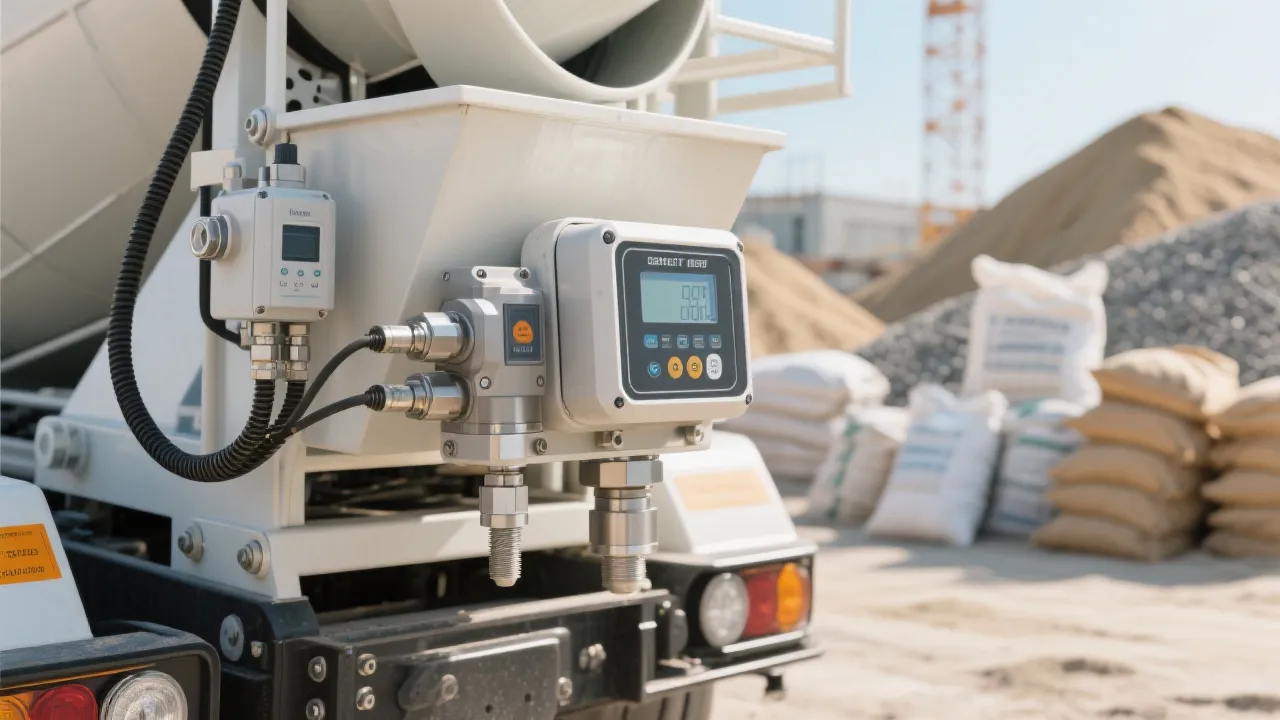
- High-definition Touchscreen Control: Offers intuitive operation, real-time monitoring of mixing status, and easy adjustments to mixing cycles, increasing accuracy and minimizing operator error.
- Hydraulic-driven Feeding System: Enhances loading speed and precision, reducing manual labor and improving efficiency by approximately 20%-30% compared to conventional models.
- 270-degree Rotatable Mixing Drum: Enables precise discharge positioning and homogeneous mixing via reversible rotation, ensuring consistent concrete quality on-site.
Such innovations comply with GB/T 25181-2010 industry standards for cement concrete mixing equipment, assuring reliability and performance.
Case Applications: Real-World Advantages in Typical Projects
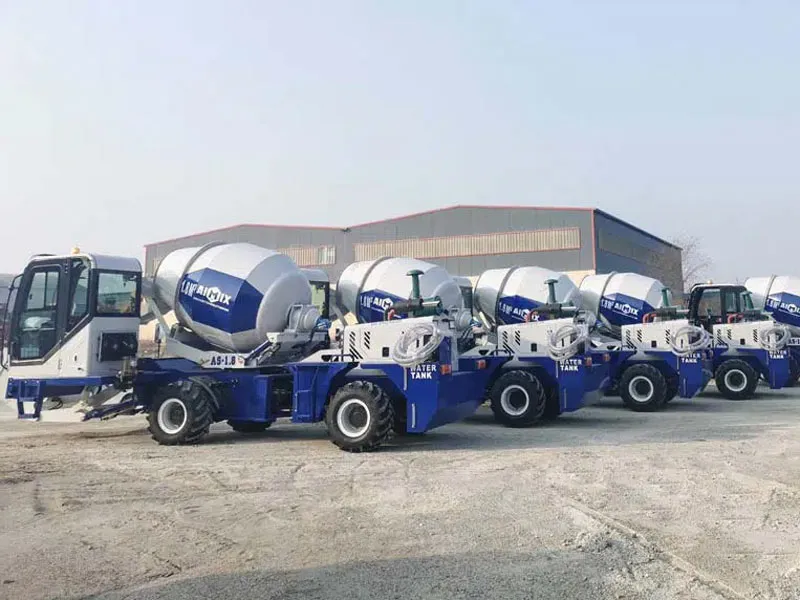
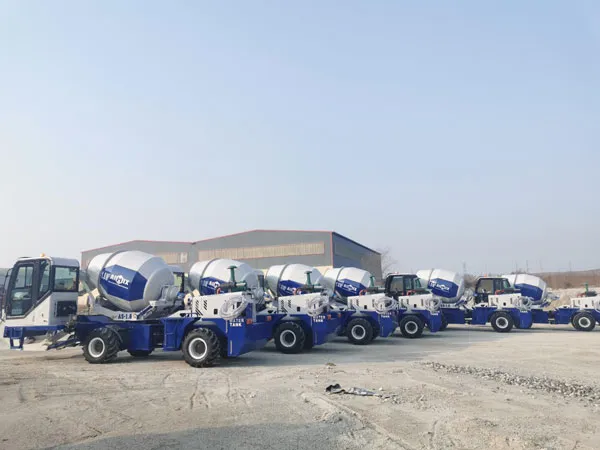
The AS-3.5 mixer has proved invaluable in projects like urban old-community renovations and rural road construction, where site constraints and variable loads challenge traditional equipment. Its compact size combined with powerful mixing capabilities results in:
- Improved maneuverability in narrow or uneven sites thanks to the articulated chassis and engineering-grade tires.
- Reduced downtime through rapid setup and self-loading ability, leading to up to 15% shorter project timelines.
- Lower operational costs by minimizing fuel consumption via hydraulic-driven components and optimized engine performance.
Operational Insights for Diverse Users
Whether you are a novice operator, project manager, or procurement specialist, mastering core operation and maintenance techniques is crucial:
- Safe Starts: Always ensure the touchscreen panel is calibrated; verify hydraulic system status before loading materials.
- Efficient Mixing: Utilize drum rotation settings to optimize mixing time based on concrete type and weather conditions (typically 60–90 seconds per cycle).
- Routine Checks: Follow a weekly inspection checklist including hydraulic hoses, tire pressure, and lubrication points to mitigate wear and tear.
Incorporating simple monitoring tools like QR-coded digital logs for maintenance records elevates management transparency and anticipates potential failures.
Safety and Comfort: The Framework for Stable On-Site Performance
Safety cannot be compromised, especially in unpredictable construction environments. The AS-3.5 features an articulated chassis that balances flexibility and structural integrity, allowing for smooth operation on rugged terrain without sacrificing operator comfort. Engineering wheels add extra shock absorption while maximizing traction, essential during wet or uneven ground conditions.
Maintenance Recommendations: Extending Equipment Lifespan and Reliability
Following a systematic maintenance regime enhances productivity and reduces costly breakdowns. Key practices include:
- Daily cleaning of mixer drums to prevent concrete buildup and corrosion.
- Periodic replacement of hydraulic fluid every 500 operating hours.
- Scheduled inspections of seals, bearings, and drive components every 1000 hours in alignment with manufacturer guidelines.
Implementing simple maintenance tips, like lubricating joints after each use, can extend service intervals by up to 30%.
Unlock Expert Guidance and Practical Resources
For construction managers and stakeholders aiming to elevate project efficiency while ensuring equipment longevity, consulting detailed selection guides and operational manuals is invaluable. Join industry leaders who have enhanced site productivity with data-backed equipment choices.
Unlock comprehensive insights by free downloading the complete mixer operation manual, designed for seamless adoption on your next site.






.jpg?x-oss-process=image/resize,h_1000,m_lfit/format,webp)