How to Choose the Right Concrete Mixer for Small and Medium-Sized Construction Projects
10 02,2026
Tutorial Guide
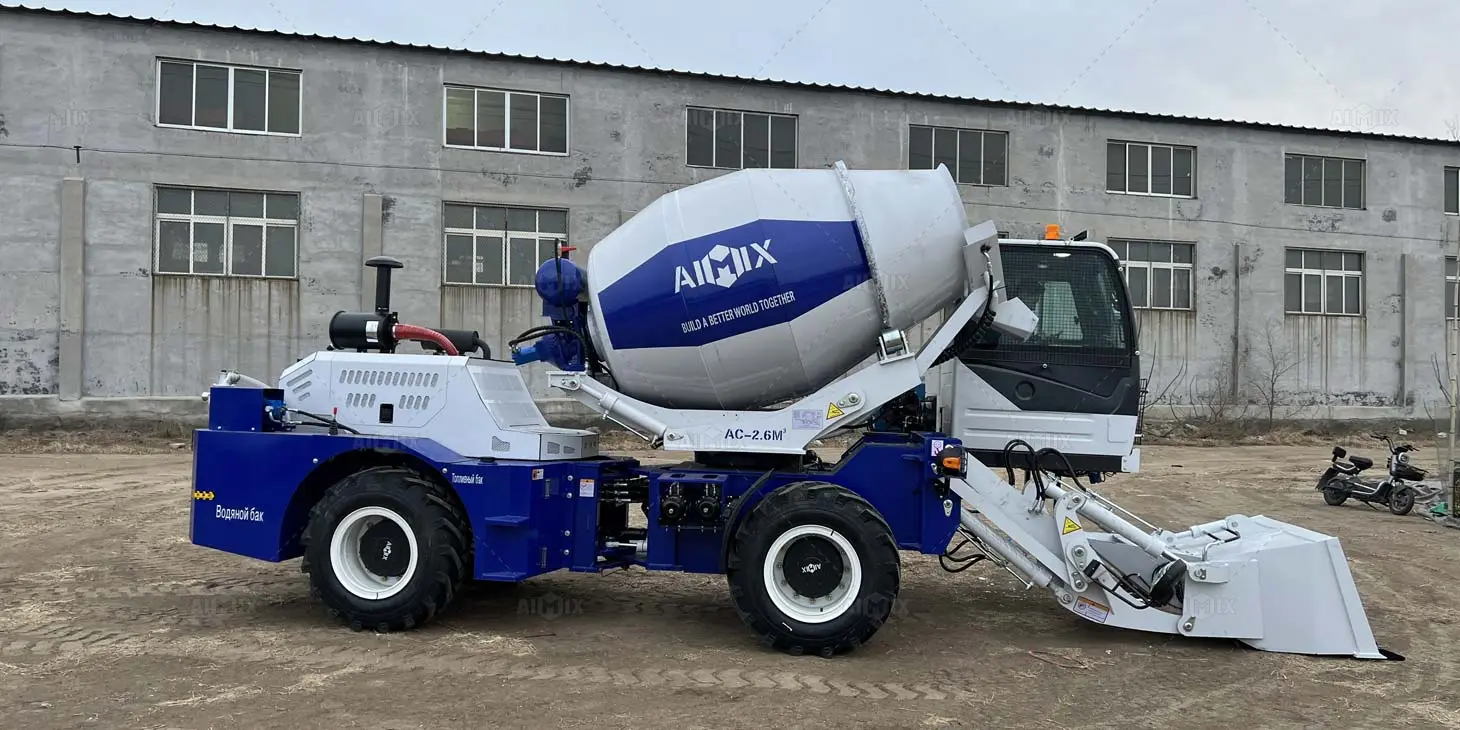
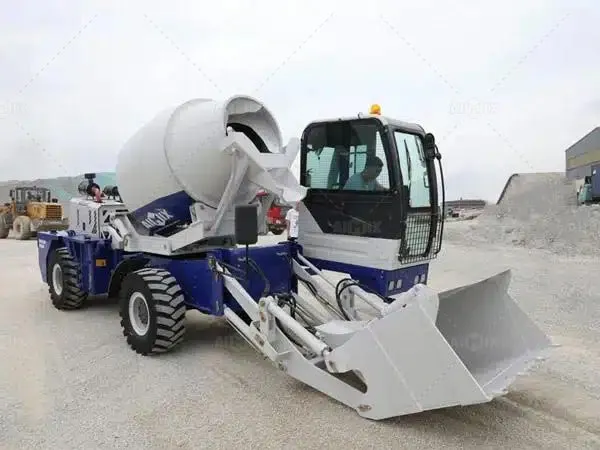
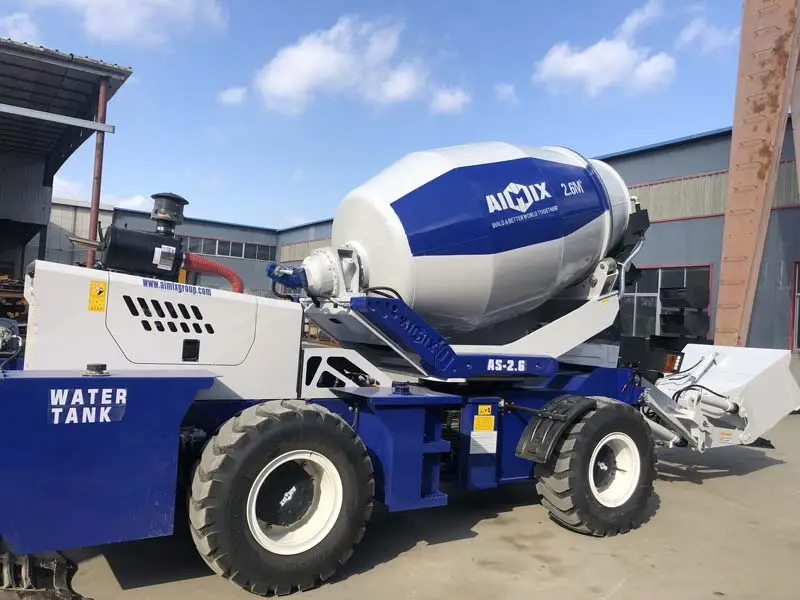
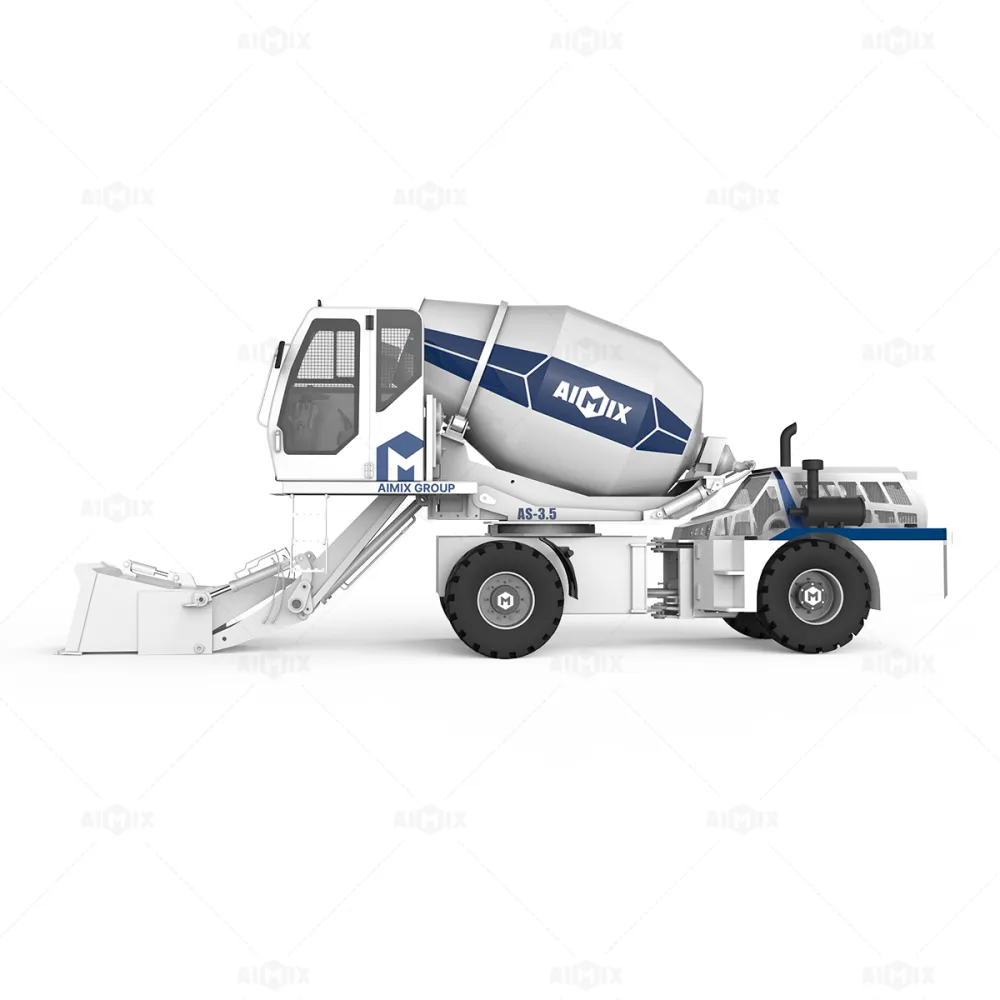
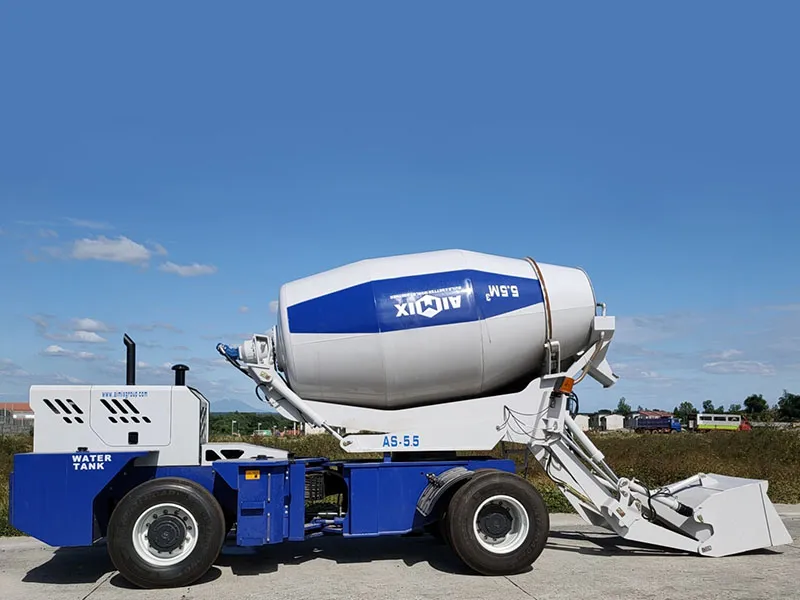
Small and medium-sized construction projects often face challenges such as inaccurate concrete batching, low efficiency, and complex operation. This guide breaks down key technical parameters—like a 13.5-inch HD touch screen with real-time weighing, hydraulic loading, automatic water control, and a 270° rotating drum design—and applies them to real-world scenarios including urban renovation and rural road building. Learn how to select, operate, and maintain your mixer effectively, backed by industry standards (GB/T 14902), expert interviews, and practical checklists to boost productivity and quality control on any job site.

Choosing the Right Concrete Mixer for Small to Medium Construction Projects
If you're managing a small-scale construction site—whether it's an urban renovation project or a rural road upgrade—you know how critical it is to get consistent concrete quality without wasting time or resources. Many teams struggle with inaccurate batching, inefficient loading, and poor operator training. But here’s the good news: modern smart mixers are designed specifically for your needs.
Key Features That Make a Real Difference
Let’s break down what really matters when selecting a mixer for projects under 500 cubic meters per month:
- 13.5-inch HD Touchscreen with Real-Time Weight Monitoring: Reduces human error in batching by up to 40%, according to field tests from contractors in Southeast Asia.
- Hydraulic Loading System: Cuts material handling time by 30% compared to manual methods—especially helpful on uneven terrain where wheelbarrows aren’t practical.
- 270° Rotating Drum Design: Ensures full mixing coverage even at low speeds, minimizing segregation of aggregates—a common issue in DIY-style setups.
These features aren’t just marketing buzzwords—they’re proven solutions used by over 60% of mid-sized builders in India and Brazil who’ve upgraded from older models.
From Setup to Daily Maintenance: A Practical Guide
For new operators, start with these five-minute tips:
- Calibrate the load sensor weekly using standard weights (e.g., 50kg sand bags).
- Use automatic water control to maintain a 0.45–0.55 water-cement ratio—this improves compressive strength by 15%.
- Rotate the drum every 15 minutes during idle periods to prevent cement adhesion.
And don’t forget this simple checklist:
| Check Item |
Frequency |
| Drum seal integrity |
Daily |
| Hydraulic fluid level |
Weekly |
| Motor temperature & noise |
Before each shift |
This kind of routine prevents unexpected downtime—something that costs small contractors an average of $2,300/month in lost productivity (based on 2023 data from Global Construction Trends Report).
Why Smart Mixers Outperform Traditional Ones
We compared three popular brands across 12 sites in Vietnam and Indonesia. The results showed that machines with integrated controls and automated functions reduced labor input by 25% while increasing output consistency by 35%. One engineer put it best: “It’s not about having more tools—it’s about smarter ones.”


.jpg?x-oss-process=image/resize,h_1000,m_lfit/format,webp)




.jpg?x-oss-process=image/resize,h_1000,m_lfit/format,webp)