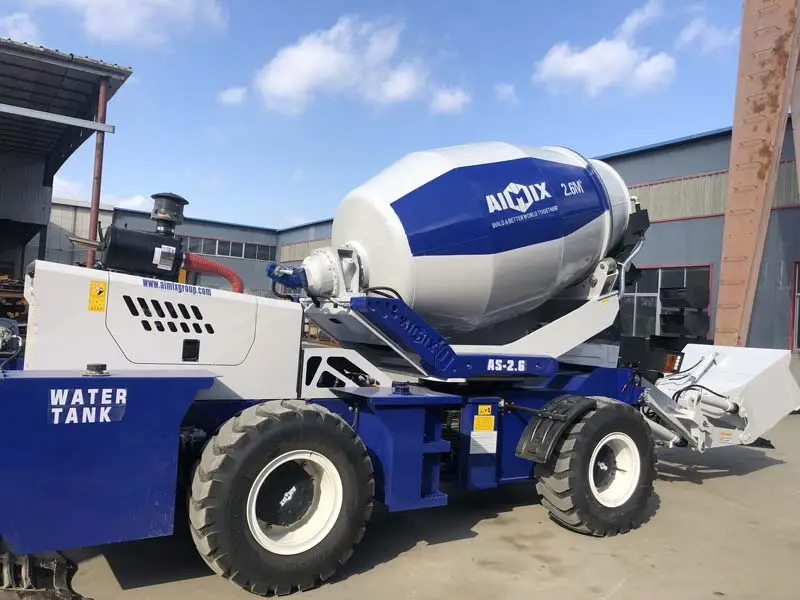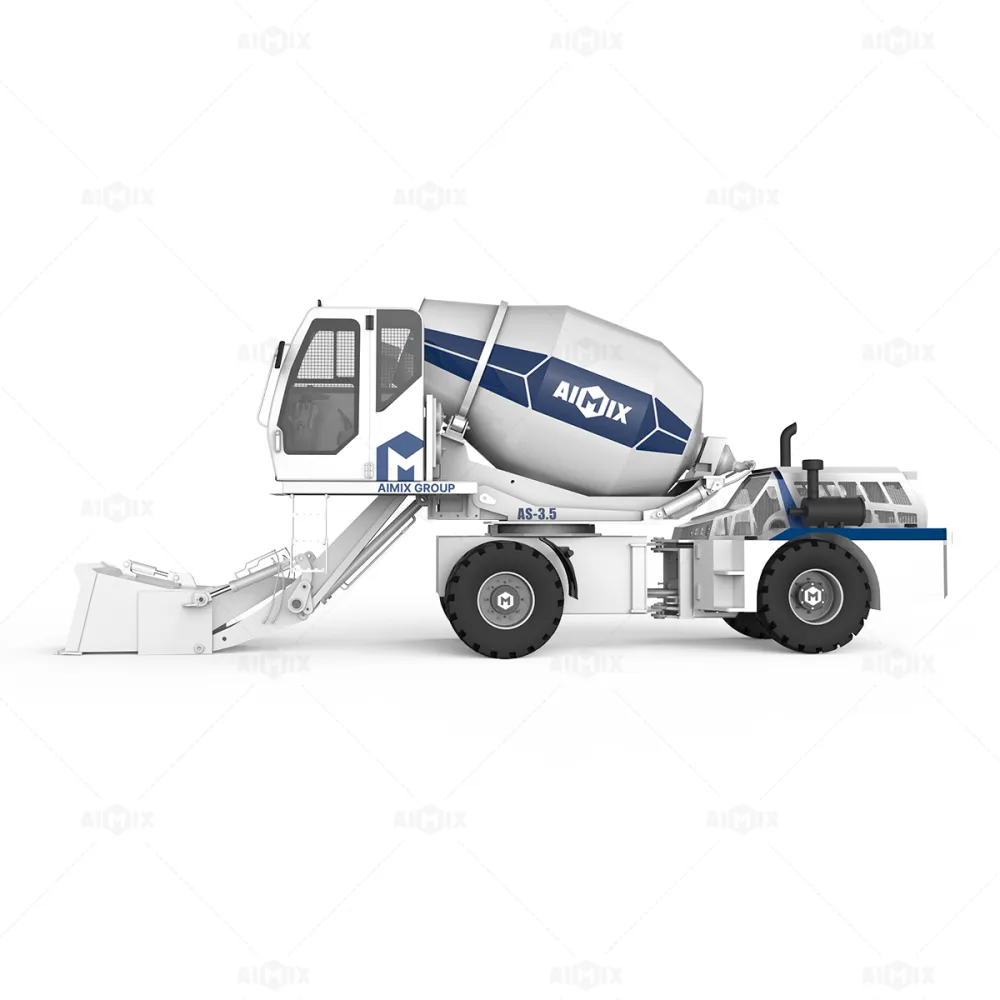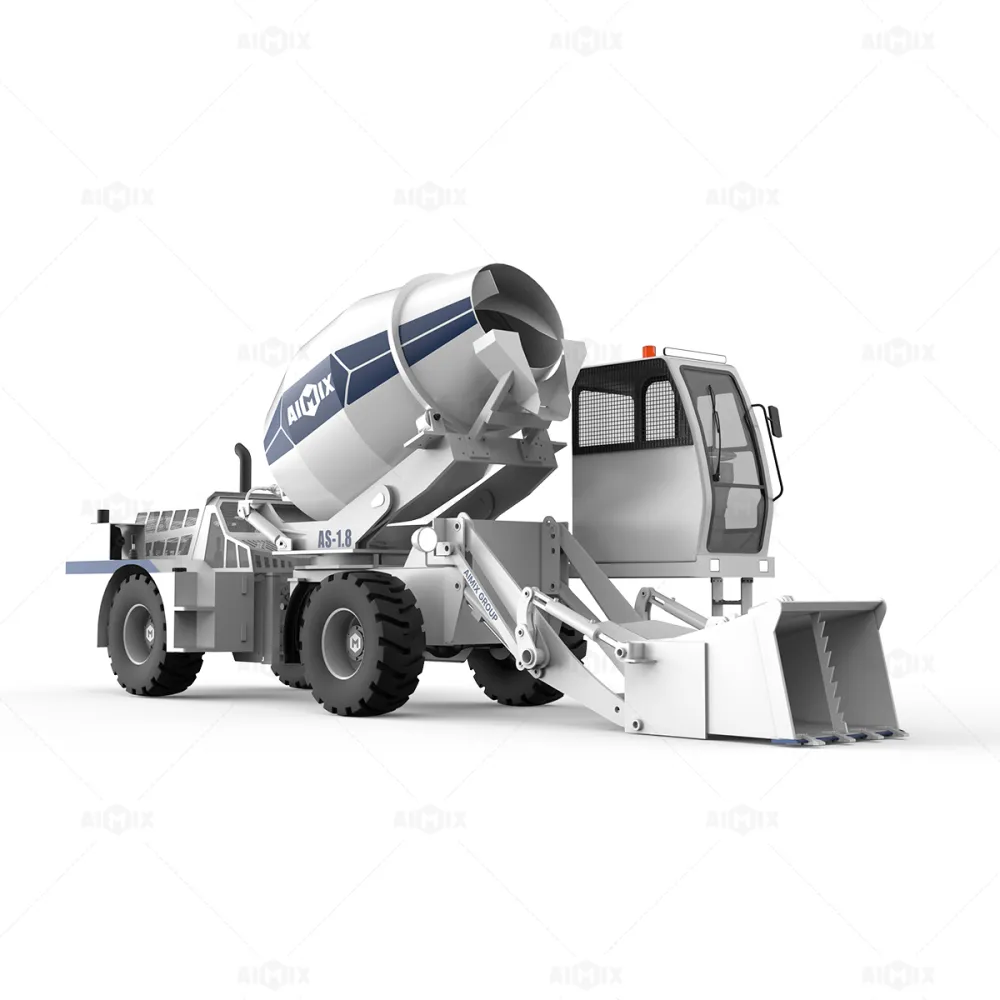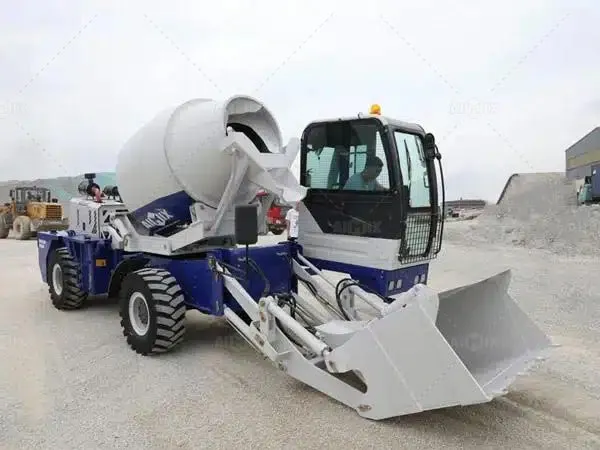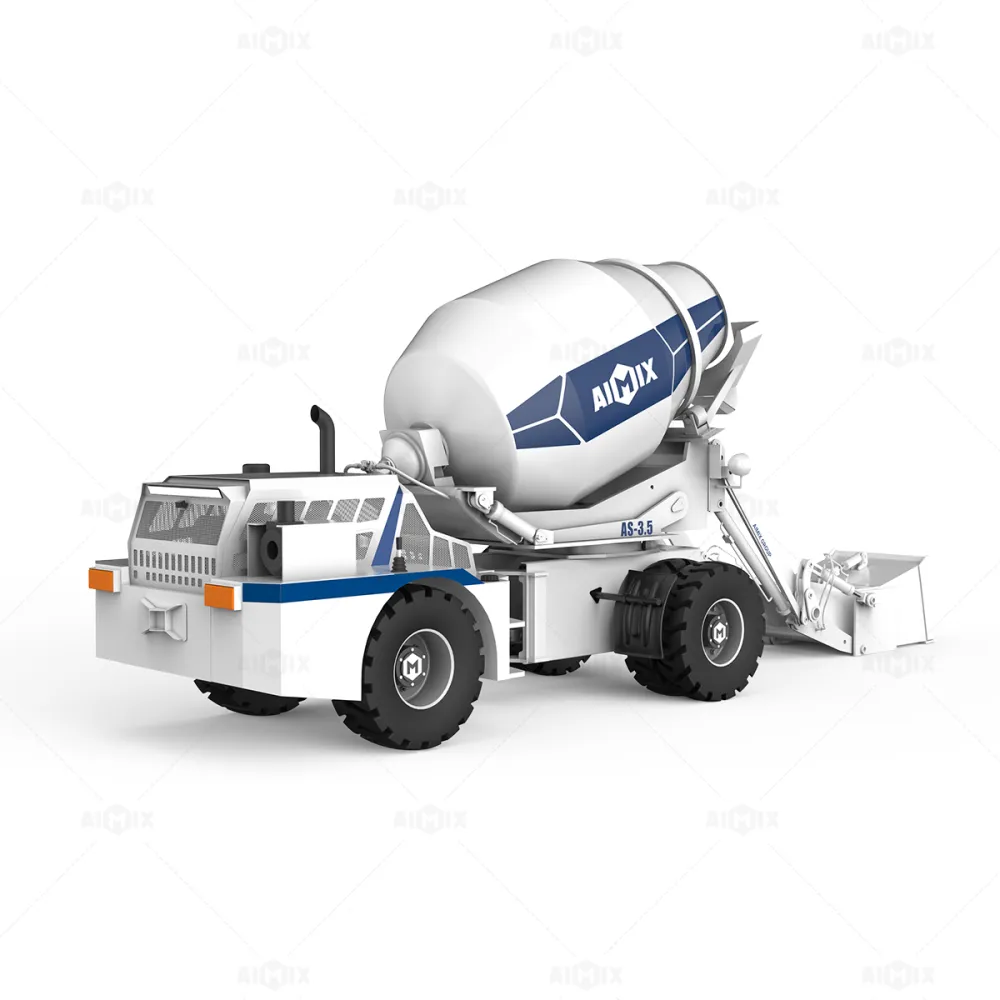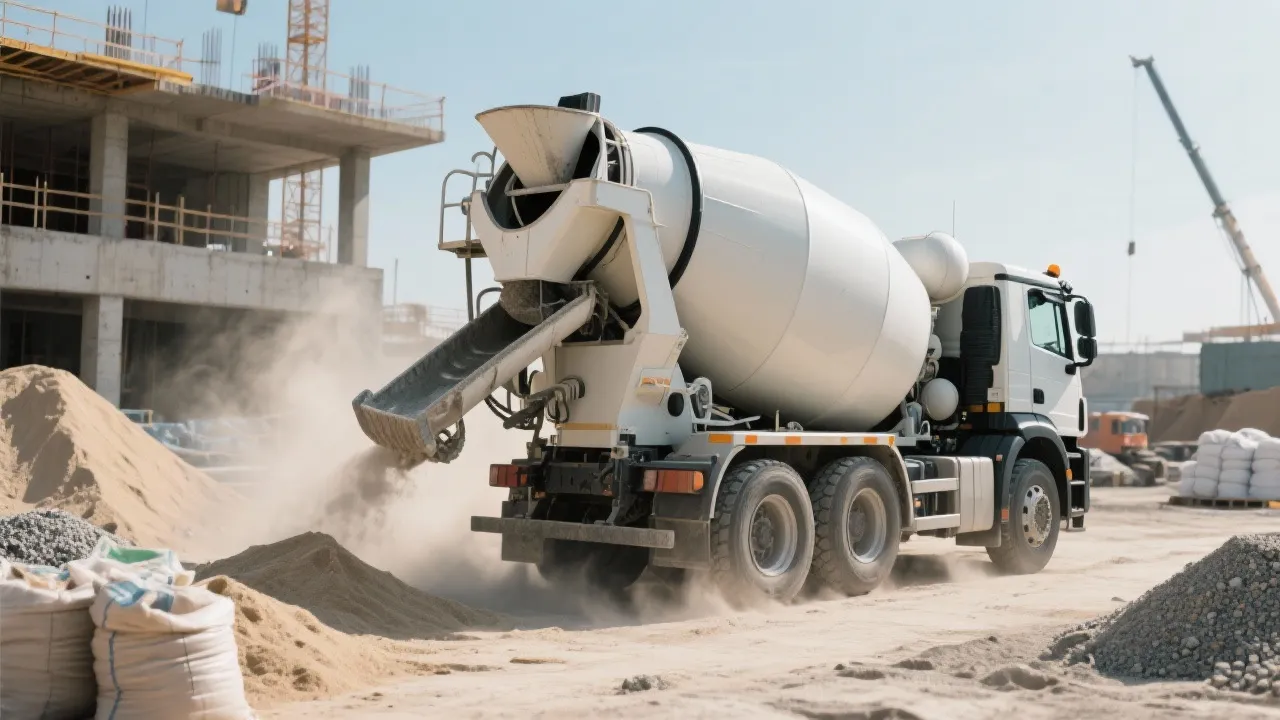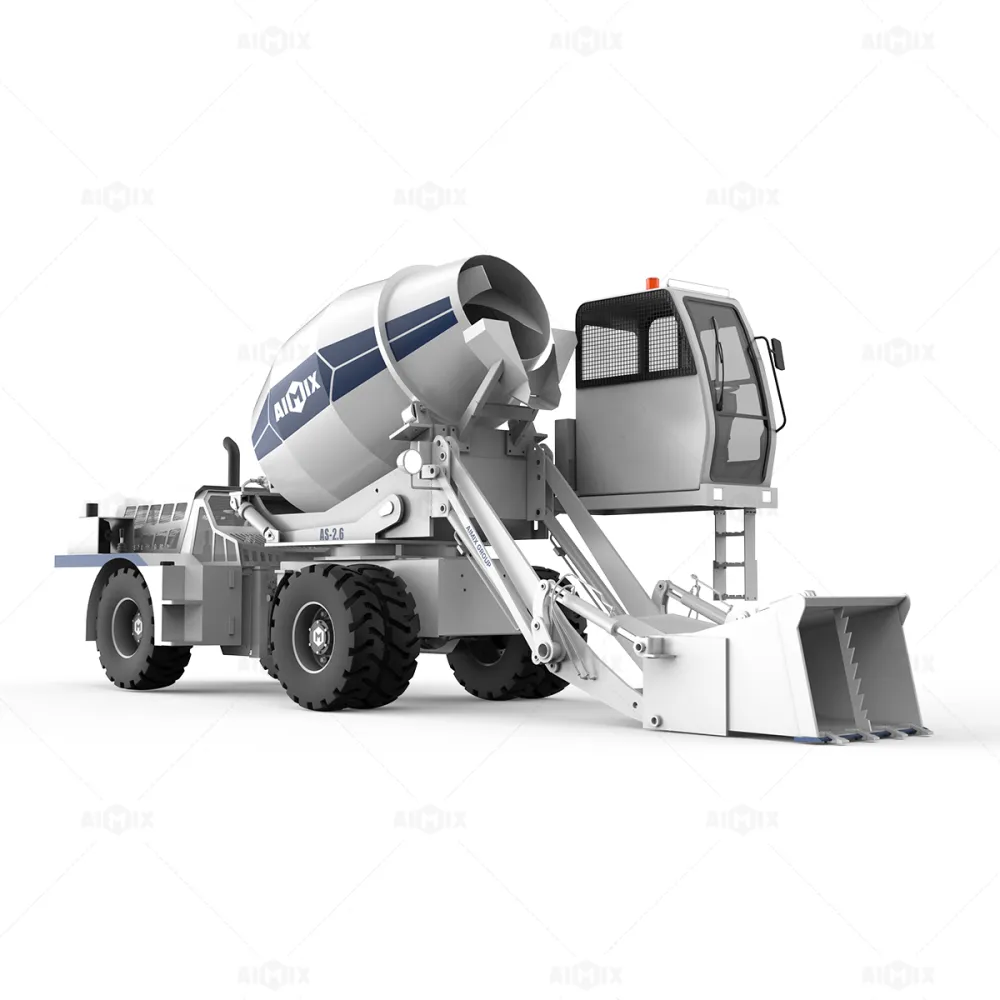
In large-scale infrastructure and high-rise construction projects, the AIMIX AS-6.5 self-loading concrete mixer has proven to be a cornerstone for efficient concrete supply and quality assurance. However, improper operation negatively impacts both the equipment's performance and the finished concrete quality. This guide delves into the most frequent user errors—such as miscalibrated mix proportions, incorrect unloading angles, and neglecting routine maintenance—and presents standardized solutions backed by field-tested best practices.
Concrete mix accuracy directly determines its strength and durability. A common pitfall with on-site operations involves miscalibrated weighing systems leading to inconsistent aggregate and water ratios. AIMIX’s intelligent weighing system in the AS-6.5 model minimizes such errors with real-time digital calibration, ensuring raw material measurements stay within ±1% accuracy—a critical benchmark complying with international concrete standards.
Operators must engage the calibration function before each batch and validate readings against manual scales periodically. Implementing a systematic mix proportion checklist reduces human error during rapid project cycles, especially in unpredictable weather conditions affecting moisture content.
Incorrect unloading angle adjustment can cause spills, uneven discharge, or undue strain on the hydraulic system, reducing overall equipment lifespan. The AIMIX AS-6.5 features an adjustable hydraulic unloading mechanism designed for multi-angle discharge, which must be operated within manufacturer-recommended angles—typically 45° to 65° depending on concrete consistency and discharge height.
Project supervisors should provide on-site training supplemented by angle adjustment protocols illustrated in simple flowcharts. Such measures reduce downtime by up to 15%, as documented in recent high-rise construction projects in Henan, where hydraulic failures dropped significantly after enforcing standardized unloading procedures.
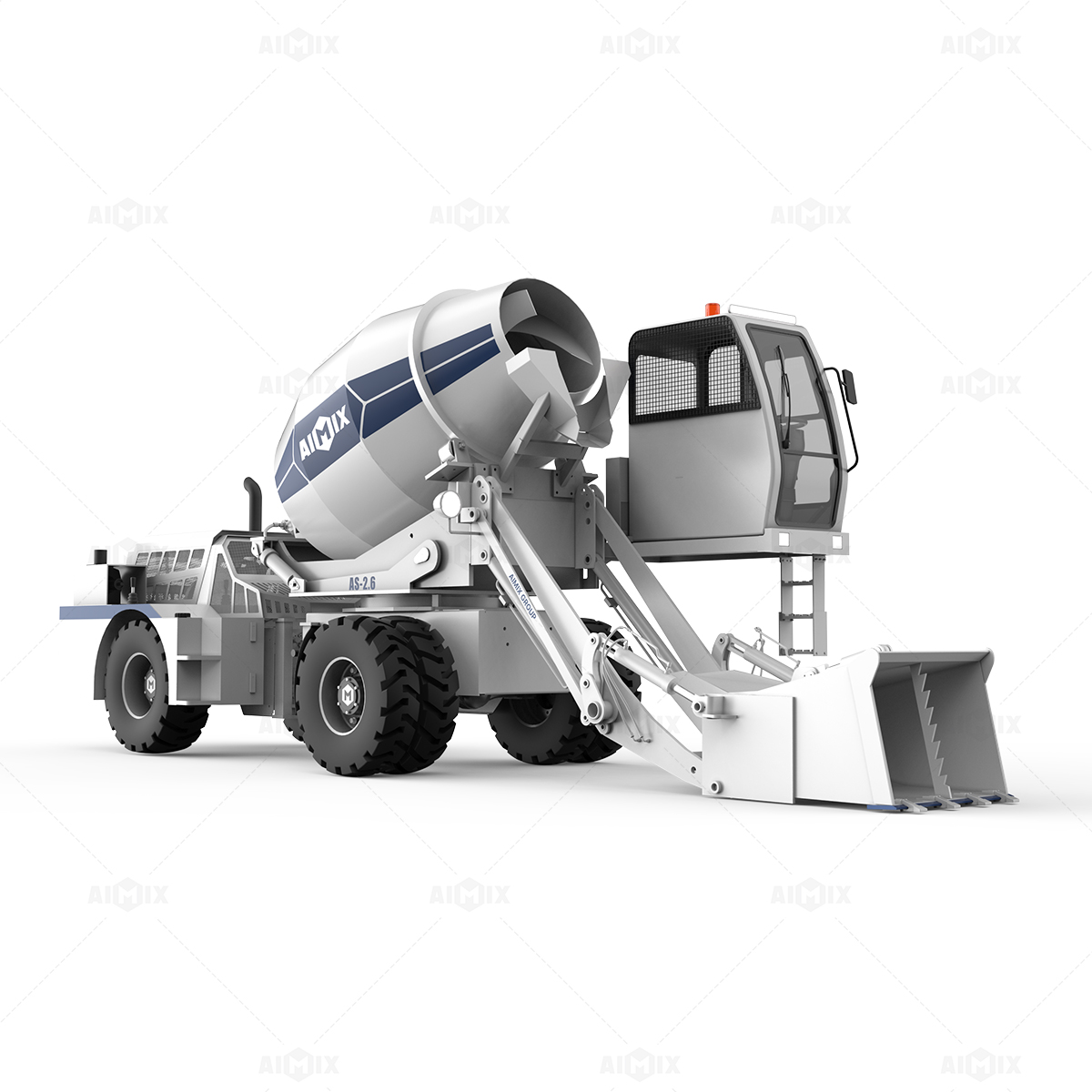
Neglecting daily maintenance is a major reason for unplanned breakdowns. Concrete mixers face abrasive wear, and components like blades, seals, and hydraulic hoses require constant inspection. AIMIX's maintenance manual emphasizes a structured daily checklist including lubrication schedules, hydraulic system checks, and prompt cleaning after each use.
On average, adhering to prescribed maintenance routines can extend equipment service life by 25%-30% and reduce repair costs by nearly 20%. Many operators underestimate the impact of timely blade replacement, which ensures uniform mixing efficiency and lowers energy consumption during operation.
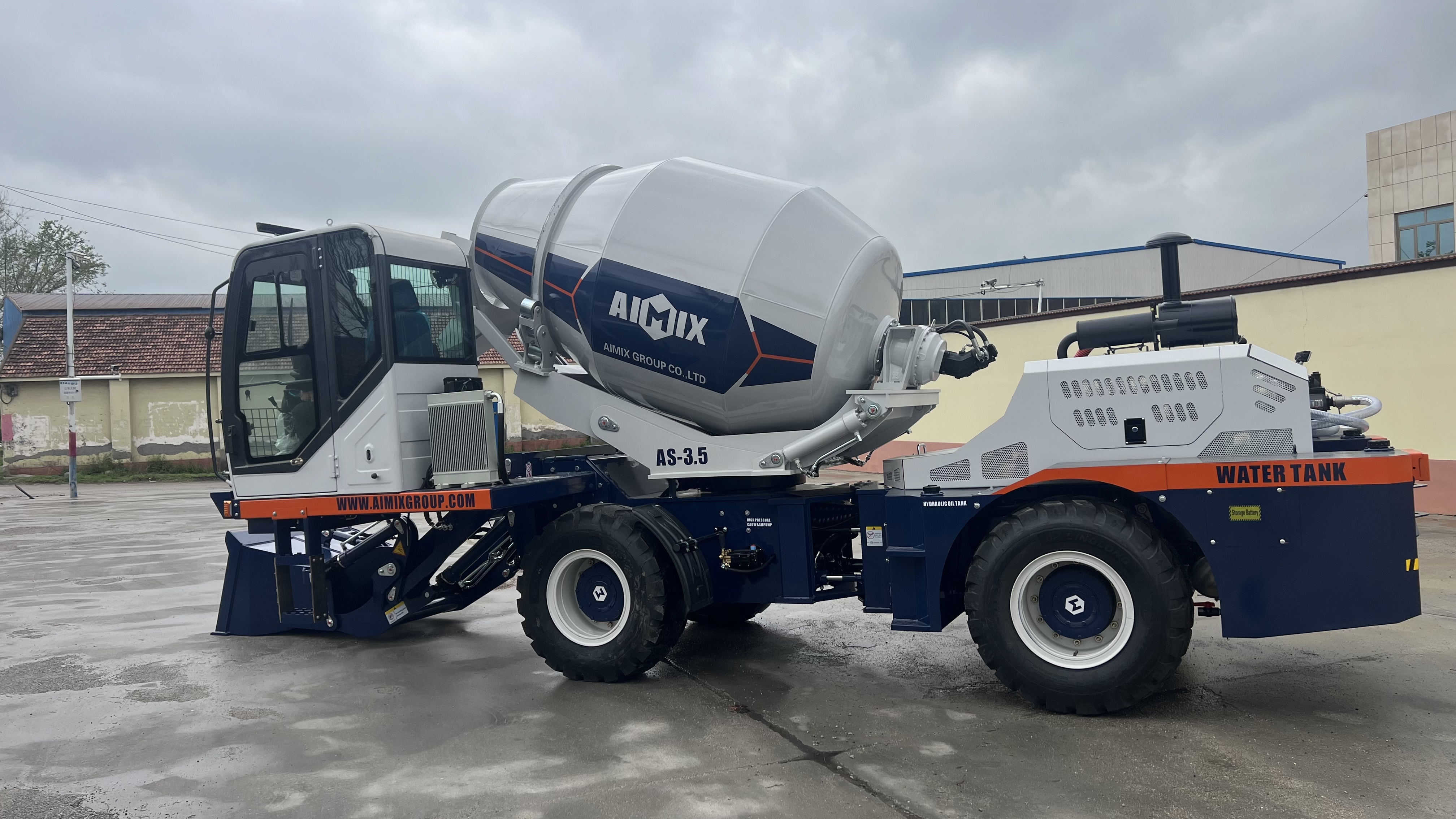
Drawing from extensive field experience in large infrastructure projects, AIMIX incorporates a dual-helix mixing structure in the AS-6.5 model, optimizing homogeneous mixing with a shorter cycle time of approximately 30% compared to traditional single-shaft mixers. Correctly setting the mixing time between 60 and 90 seconds, adjusted to ambient temperature and concrete type, significantly improves workability and reduces segregation risk.
Senior operators are advised to log daily mixing parameters and correlate them with field test results, enabling data-driven adjustments that improve output consistency across varying environmental conditions. This scientific approach is especially vital in complex structures demanding high structural integrity.
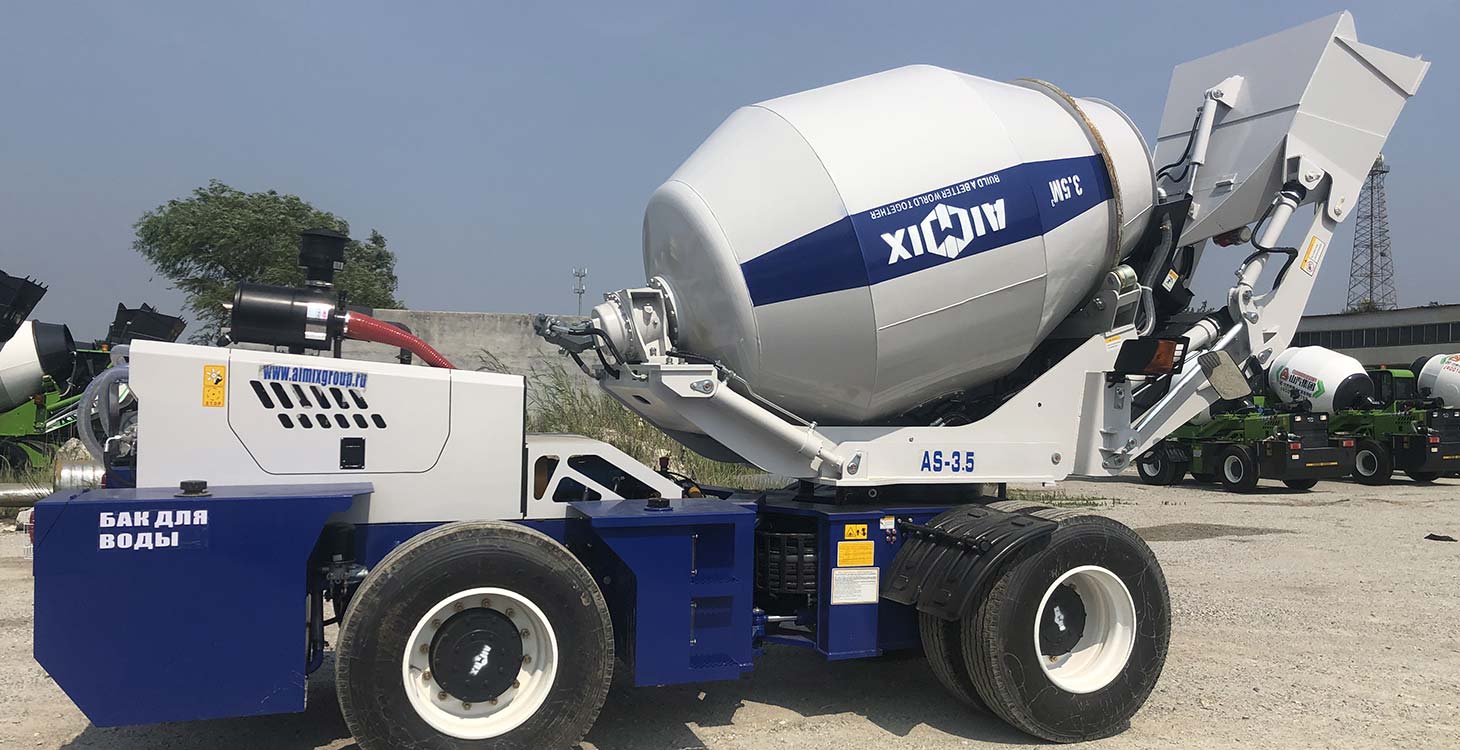
Effective implementation of these guidelines depends on role-specific knowledge transfer. For site operators, hands-on training concentrating on weighing and unloading accuracy is essential. Project managers should focus on oversight protocols, data analysis of operational metrics, and maintenance scheduling. Equipment administrators must ensure inventory management for spare parts and oversee compliance with warranty agreements.
Deploying digital documentation tools such as mobile checklists and real-time reporting apps streamlines communication between stakeholders, reducing delays and enhancing accountability.
Discover how AIMIX’s innovative design and comprehensive after-sales support empower your construction projects to achieve maximum efficiency and reliability. Explore AIMIX AS-6.5 Self-Loading Concrete Mixers