Common Mistakes and Standardized Operation Guide for Concrete Mixers to Enhance Equipment Life and Construction Quality

21 03,2026
AIMIX
Tutorial Guide
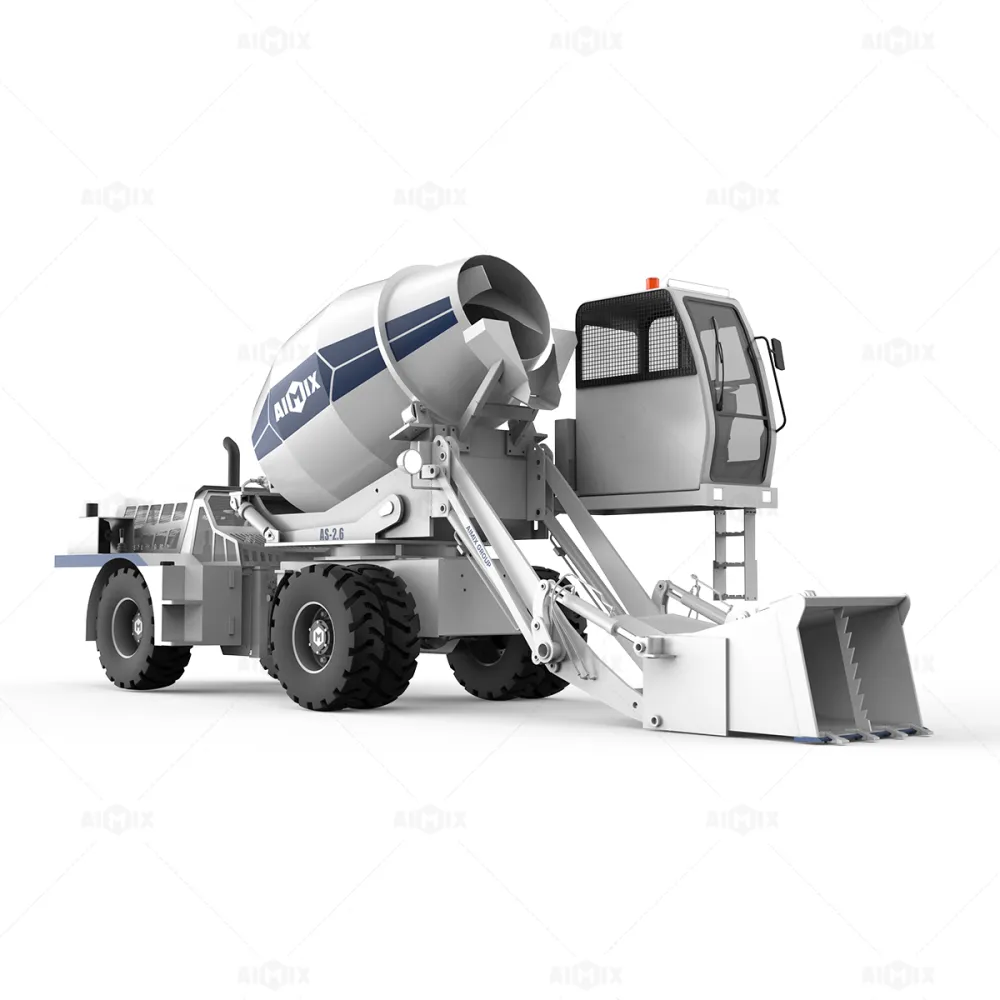
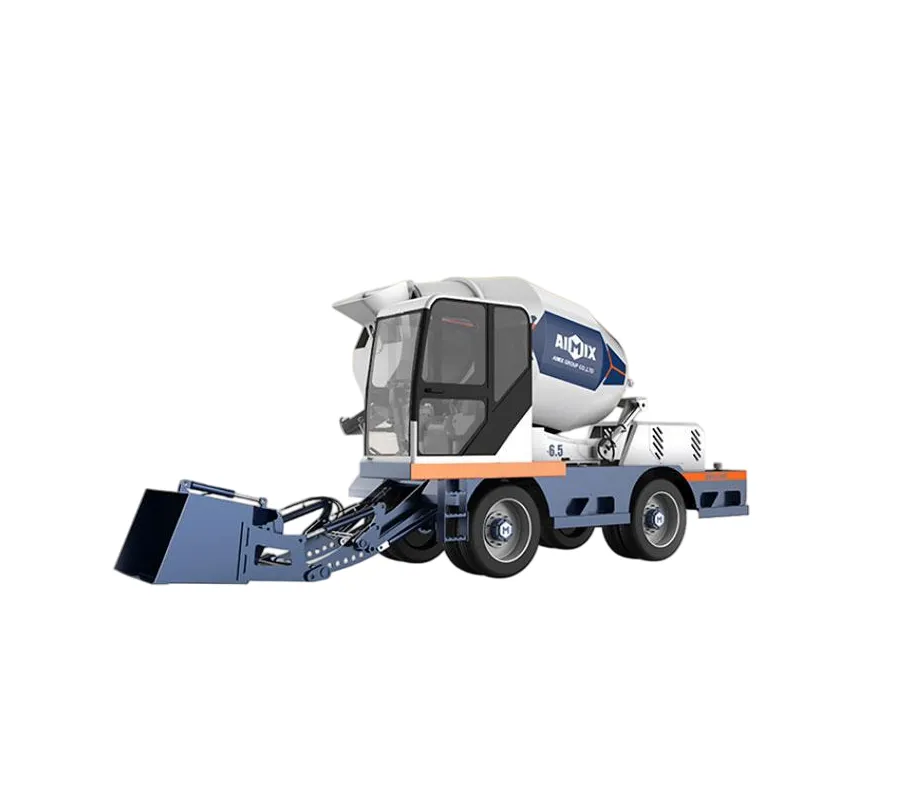
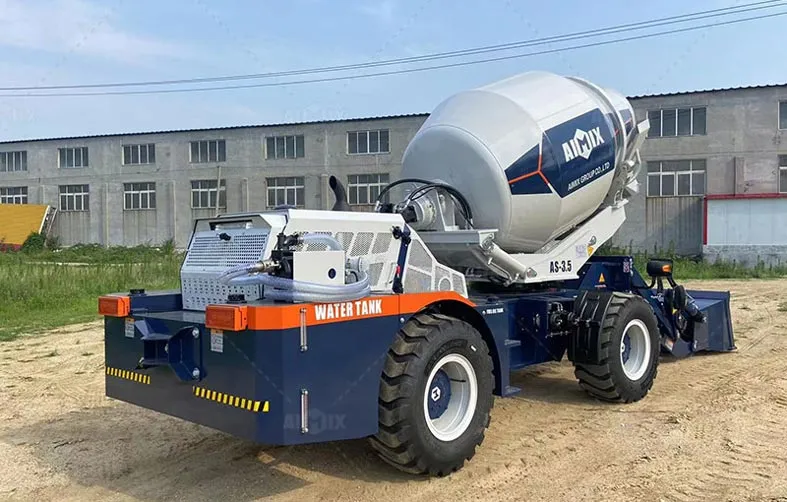
Do common operation errors in concrete mixers lead to reduced construction quality and accelerated equipment wear? This article deeply analyzes frequent frontline mistakes such as inaccurate batching, improper discharge angles, and neglected maintenance. It also provides a standardized operation guide for the AS-6.5 self-loading concrete mixer, covering aspects from weighing calibration and hydraulic discharge techniques to daily maintenance essentials. Coupled with real-world case studies and practical tips, this guide helps you improve concrete quality, extend equipment lifespan, and establish an efficient, stable construction process.
Graph showing impact of accurate batching on concrete compressive strength and equipment longevity

Avoiding Common Concrete Mixer Operational Mistakes: Step-by-Step Guide to Maximize Your Equipment and Construction Quality

When working on high-rise building projects, precise concrete mixing is non-negotiable for ensuring structural integrity and longevity. However, frequent operational errors with your concrete mixer can undermine construction quality and accelerate equipment wear. Understanding and rectifying these mistakes can significantly improve your concrete yield, project timelines, and machine lifespan.

Why Precision Matters: The Impact of Operational Mistakes

Consider this: deviations as small as 5% in water or cement quantities can reduce concrete compressive strength by up to 15%. Mistakes such as inaccurate batching, improper unloading angles causing material spillage, or neglecting regular maintenance can impede your average theoretical output of 26m³/h for machines like the AIMIX AS-6.5. These issues lead to inconsistent concrete quality, delays, and higher repair costs.

Key Frequent Errors and How to Fix Them

1. Inaccurate Material Proportioning

Deviations in cement, water, and aggregate ratios result in uneven mix and poor concrete curing. Always use the AS-6.5's intelligent weighing system which guarantees precise batching within ±1% tolerance.

Pro Tip: Calibrate weighing sensors monthly and cross-verify using manual scales periodically.

2. Improper Mixing Time and Speed

Under- or over-mixing affects uniformity, leading to segregation or incomplete blending. Set the mixer speed according to type and slump requirements — typically between 12 to 15 RPM for 3 to 5 minutes for high-strength concrete. The AS-6.5 offers customizable timer presets for different project needs.

3. Incorrect Hydraulic Discharge Angle

Failing to adjust the unloading chute angle can waste material and delay the process. Aim for the recommended 290° hydraulic discharge angle to ensure smooth, spill-free unloading.

Remember: Periodically inspect hydraulic parts and maintain fluid levels to guarantee consistent operation.

From Theory to Practice: Adapting to Real Worksite Conditions

For example, high-rise construction demands concrete with specific slump values for pumpability. By adjusting your AIMIX AS-6.5's water-to-cement ratio via the intelligent control panel based on onsite slump tests, you ensure optimal workability without sacrificing strength. Additionally, during hot seasons, extending mixing times slightly can improve consistency.
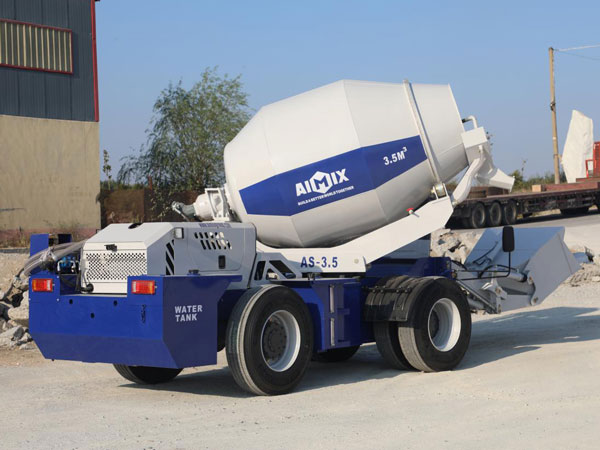
Role-Specific Operational Tips

  • Operators: Follow preset parameters strictly, perform “three checks and two clearances, one lubrication” routine — check materials, confirm settings, clear residual mix, and lubricate moving parts daily.
  • Technical Supervisors: Monitor sensor accuracy, analyze project-specific variables, and adjust procedures to maintain concrete uniformity.
  • Equipment Managers: Schedule monthly hydraulic and mechanical inspections, maintain a log of wear parts replacement, and ensure spare parts availability.
Graph showing impact of accurate batching on concrete compressive strength and equipment longevity

Implementing a Preventive Maintenance System for Longevity

Establish a maintenance checklist that includes:

  • Weekly lubrication of bearings and joints.
  • Monthly calibration of the electronic weighing system.
  • Quarterly hydraulic system checks including pressure and fluid checks.
  • Regular inspection of the mixer blades for wear and deformation.

Consistent maintenance not only extends AIMIX mixer lifetime but also stabilizes mix quality, supporting uninterrupted project delivery.
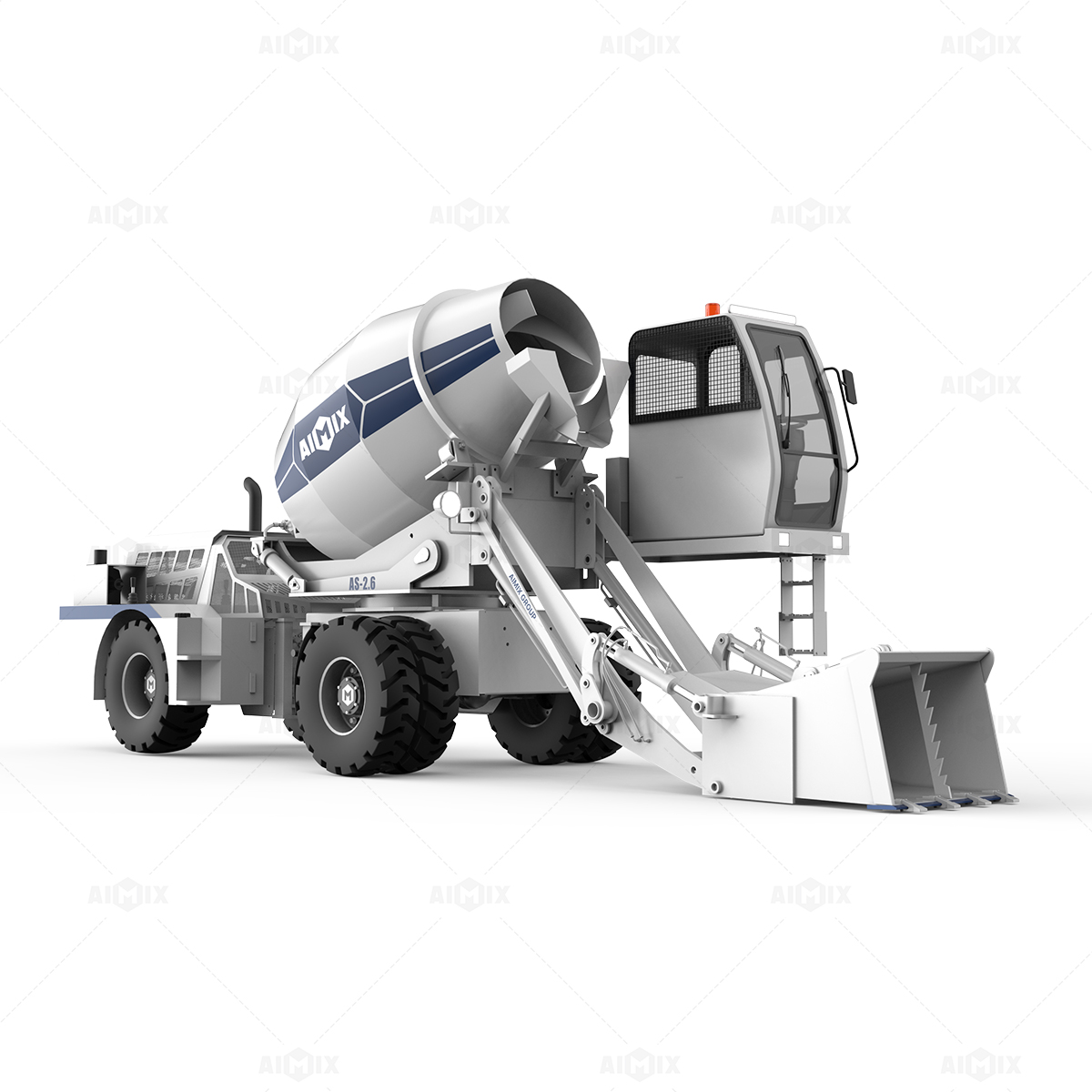
Step-by-step workflow chart demonstrating the standard concrete mixing and unloading process

Measuring Success: Tracking Your Improvements

Key performance indicators to monitor include:

  • Concrete compressive strength consistency (variance below 5%).
  • Average concrete output rate (target ≥ 26m³/h).
  • Reduction in machine downtime due to maintenance issues.

By keeping these metrics within ideal ranges, you solidify project quality and extend equipment ROI.
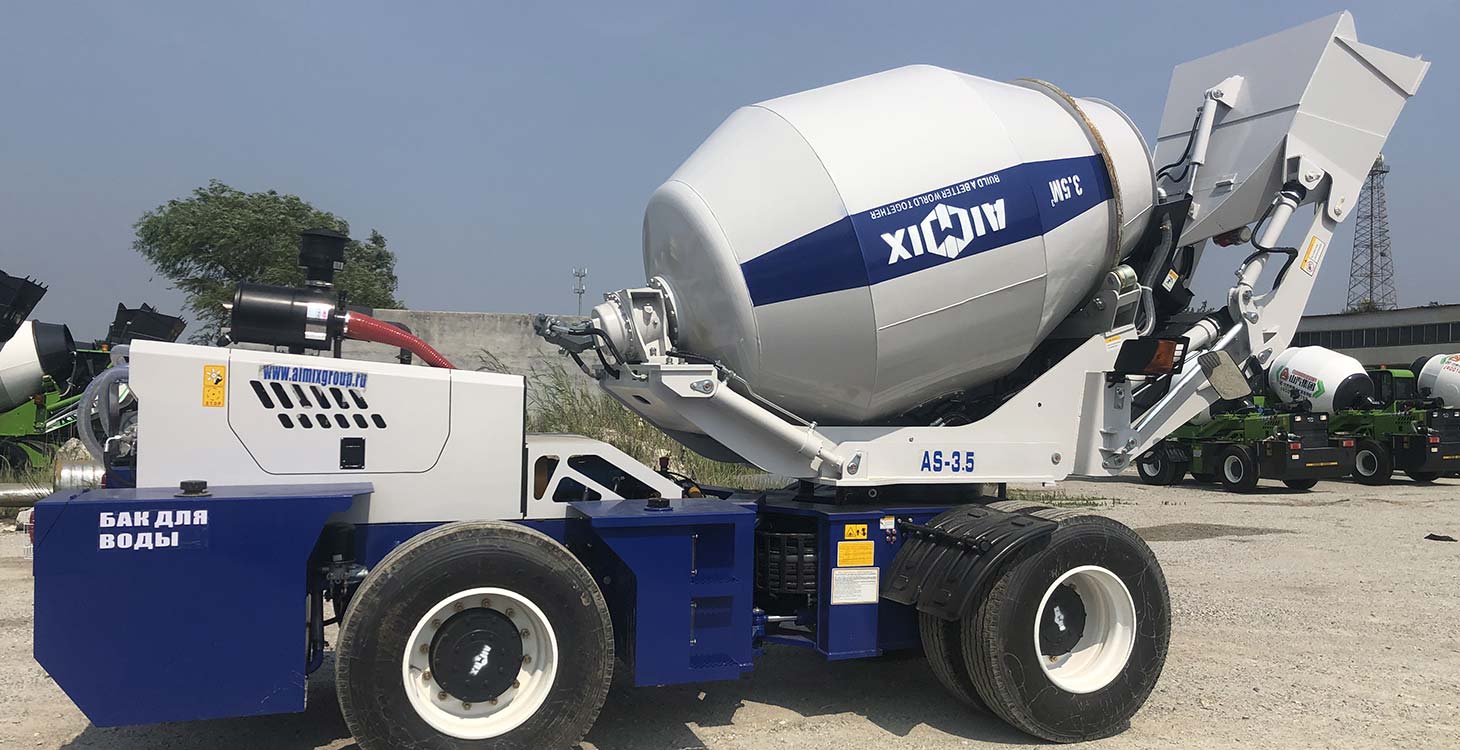
Visual guide illustrating proper hydraulic unload angle adjustment for concrete mixer
Name *
Email *
Message*

Recommended Products

Popular articles
Recommended Reading

Related Reading

Contact us
Contact us
https://shmuker.oss-accelerate.aliyuncs.com/tmp/temporary/60ec5bd7f8d5a86c84ef79f2/60ec5bdcf8d5a86c84ef7a9a/thumb-prev.png