In high-rise construction, precise concrete mixing is critical. Errors in mix ratios or improper mixer operation can lead to compromised concrete quality, delayed schedules, and increased costs. Are you struggling with inconsistent concrete batches or prolonged curing times?
The performance and durability of concrete depend largely on maintaining a consistent mix ratio. Variations, even slight, can cause reduced compressive strength and poor workability — factors especially critical when dealing with different slump requirements on various floors. For example, floors exposed to heavy loading require lower slump concrete, while upper floors might need more workable mixes.
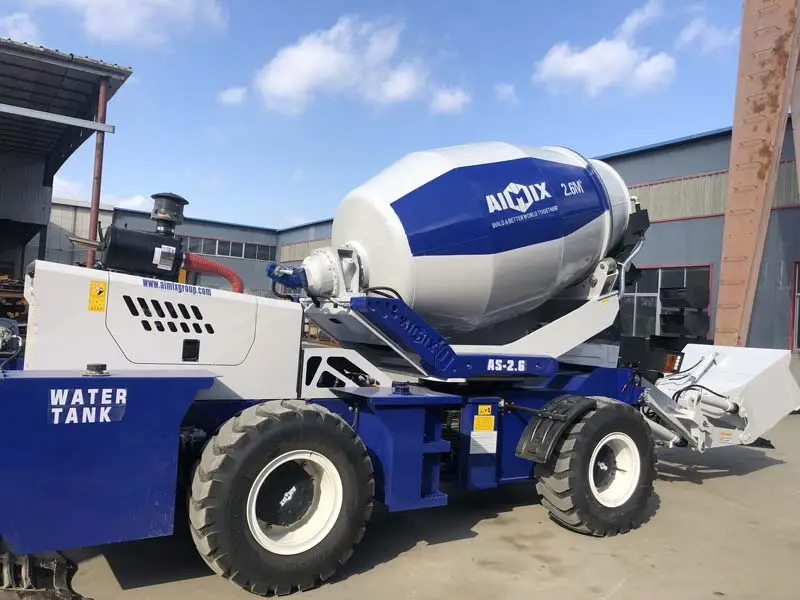
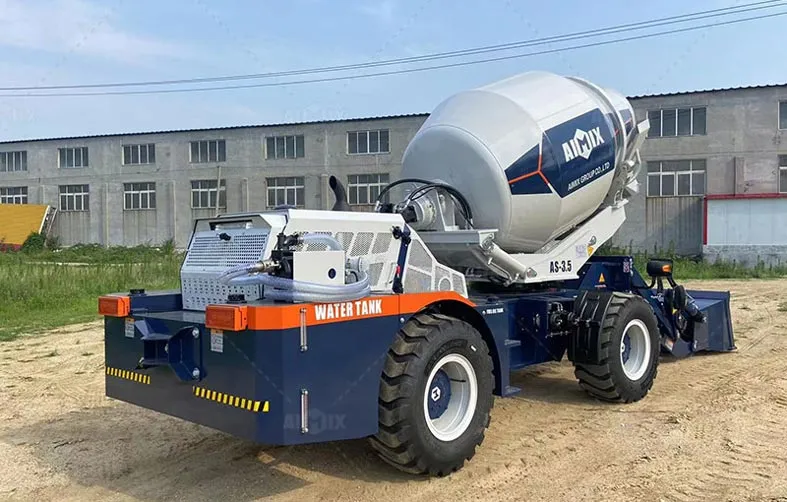
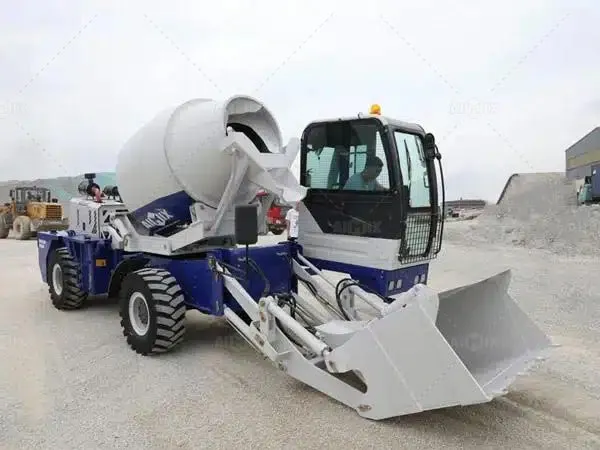
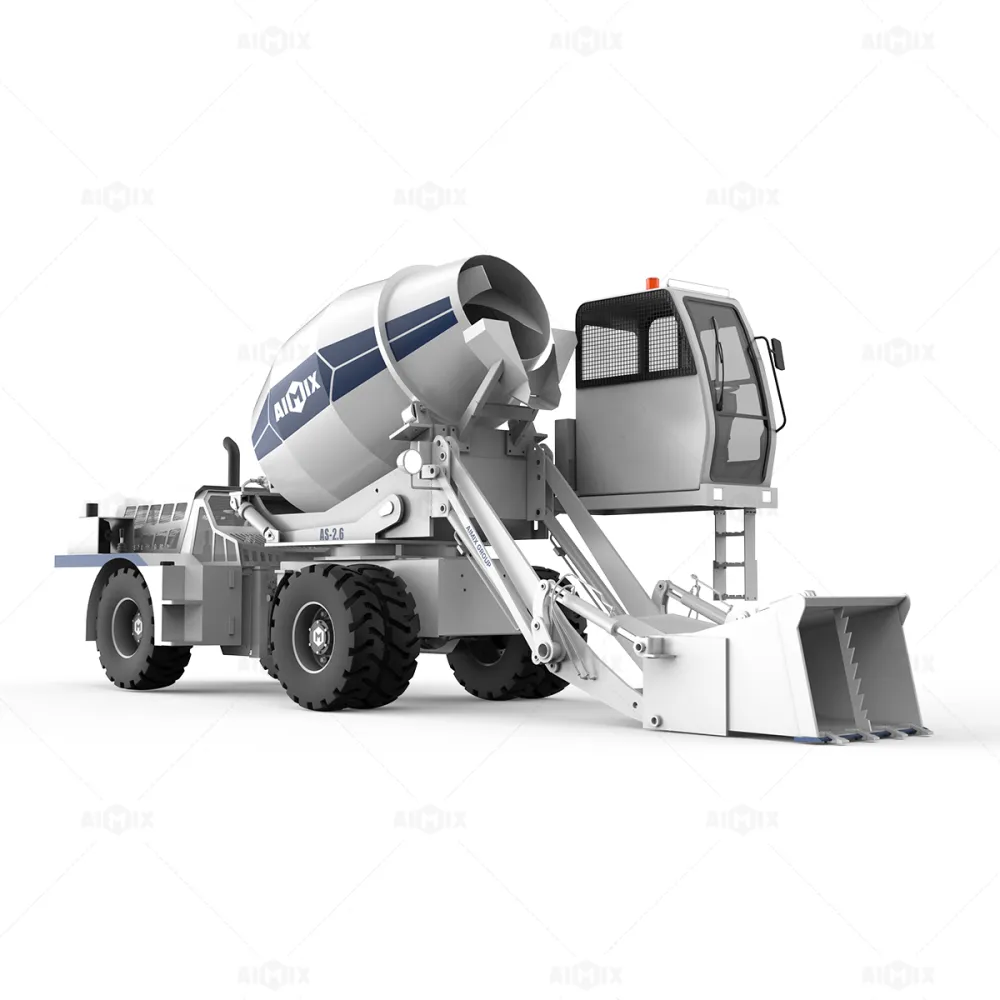
The foundation of mix accuracy is precise measurement. Many site operators overlook regular calibration of the weighing scales, leading to inconsistent ingredient quantities. AIMIX's AS-6.5 self-loading concrete mixer features an intelligent weighing system that ensures every batch maintains accurate proportions, minimizing human error.
Inadequate mixing causes uneven blending, resulting in weak spots in concrete. Industry best practice recommends a minimum mixing time of 70-90 seconds for batches up to 6.5 m³, with adjustments based on slump requirements. The AS-6.5 utilizes a powerful dual-spiral agitator that swiftly achieves homogeneous mixing within this timeframe, enhancing batch consistency.
Improper discharge angles can lead to material waste and damage to the mixer chute. AIMIX mixers provide a 290° hydraulic rotation discharge system that allows precise control, optimizing unloading speed and minimizing spillage while protecting the equipment.
Operators should strictly follow standard operating procedures: validate scale calibration before each batch, set mixing times as per project specifications, and monitor hydraulic controls during discharge. Regular training on AS-6.5 features ensures proficiency and reduces onsite errors.
Supervisors need to oversee parameter adjustments tailored for various mix designs, especially when floor-specific slump values differ. Utilizing the AS-6.5’s digital interface to fine-tune mix ratios and monitor cumulative batch data supports maintaining concrete quality standards efficiently.
Routine preventive maintenance safeguards mixer longevity and operational integrity. Key tasks include hydraulic system lubrication, wear checks on mixing blades, and verifying the accuracy of the electronic weighing mechanism. AIMIX provides clear maintenance schedules compatible with site constraints to minimize downtime.
Standardized operation processes reduce variability. According to field data, sites employing strict calibration and timing protocols with AIMIX AS-6.5 mixers report up to a 15% increase in batch consistency and approximately 10% reduction in off-spec batches. This translates to smoother workflows and fewer project delays.
Additionally, an extended equipment lifespan — achieved through diligent hydraulic and mechanical maintenance — reduces unit replacement costs by 20%-30%, directly impacting project economics.
This mixer combines smart technology and robust mechanics for optimal results:
Mixing accuracy and equipment maintenance are continuous journeys, not one-time tasks. Using data analytics from your mixer’s operational history helps identify hidden inefficiencies and tailor training for operators and supervisors. Leveraging these insights will elevate your project's safety, quality, and productivity benchmarks.
Remember: precise control over mixing parameters and diligent maintenance directly impact concrete performance — which is the cornerstone of every high-rise structure’s integrity.