Common Mistakes and Correct Usage of Concrete Mixers|Essential Tips for High-Rise Construction
23 03,2026
Application Tips
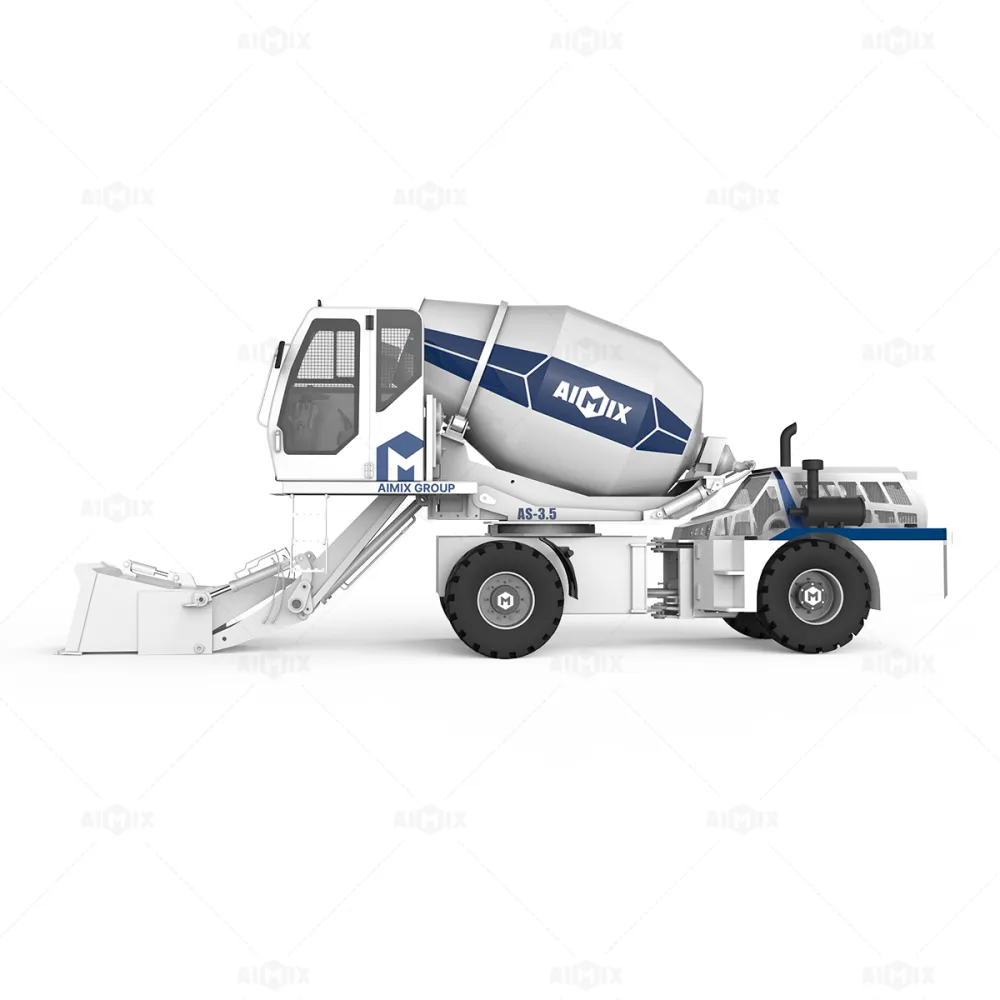
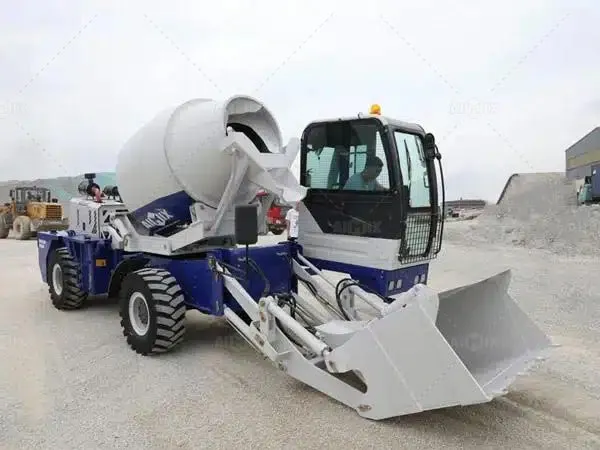
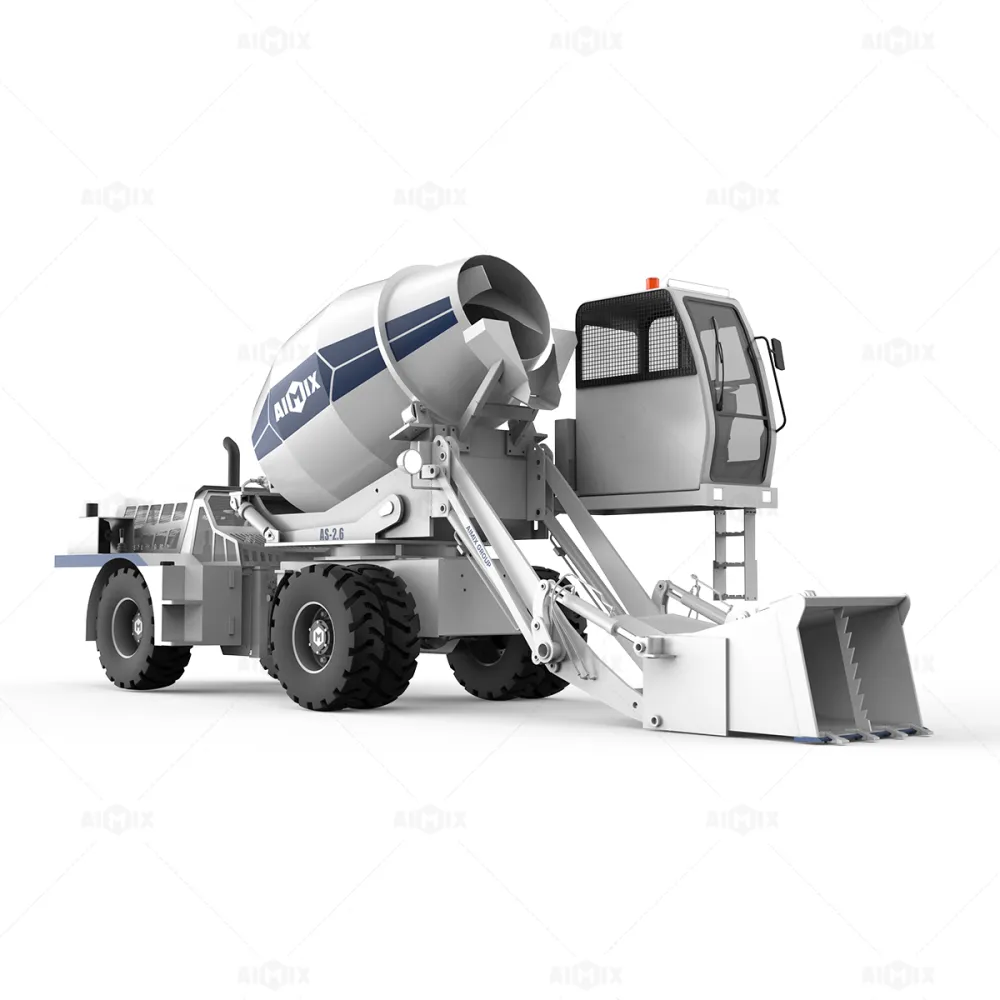
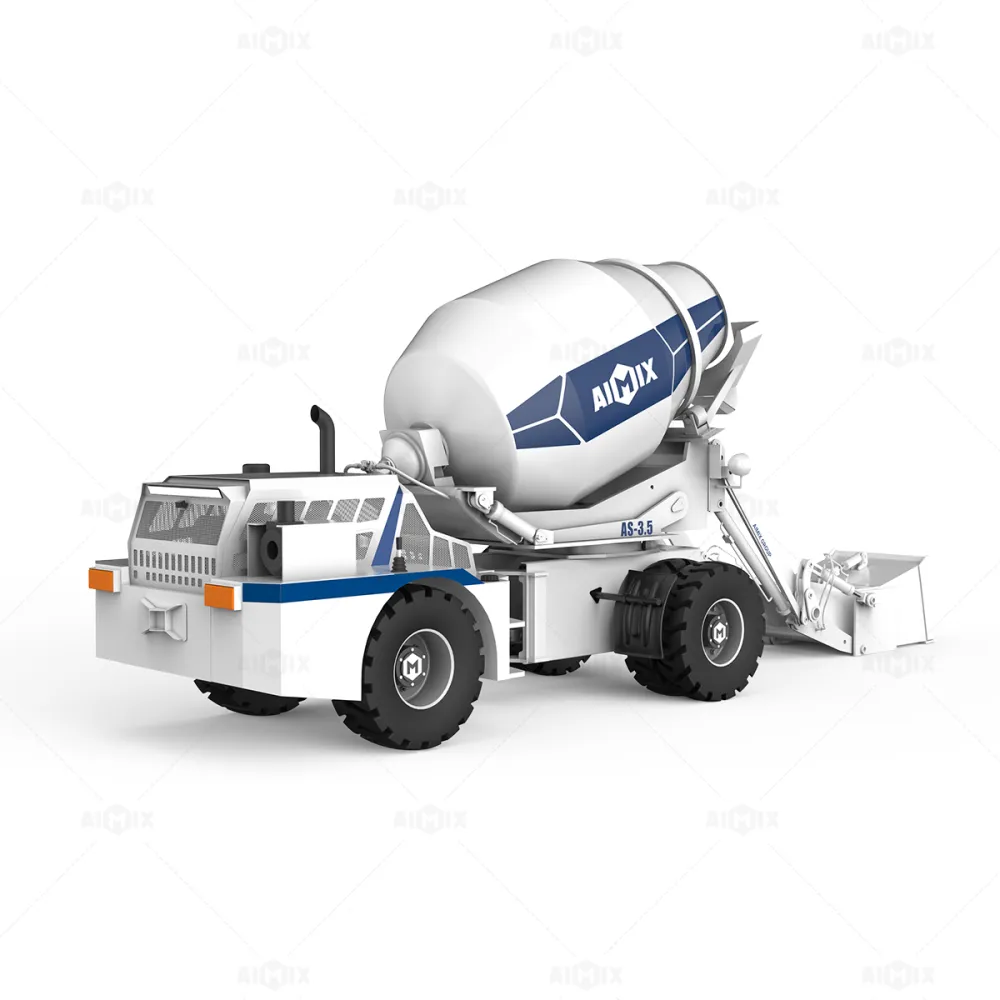
Frequent concrete quality issues in high-rise construction often stem from errors such as inaccurate mix ratios, improper discharge angles, and neglect in maintenance. This article dissects the top three common operational mistakes—uncalibrated weighing systems, overlooked hydraulic lubrication, and insufficient mixing time—while aligning solutions with the features of the AS-6.5 self-loading concrete mixer. From parameter settings to daily upkeep, learn standardized operation procedures and practical tips to improve concrete uniformity, extend equipment lifespan, and ensure project timelines. Discover how AIMIX's dual-spiral design combined with an intelligent weighing system guarantees consistent batching, supporting efficient site operations.

Common Mistakes in Concrete Mixer Operation and How to Use It Correctly|Essential Tips for High-Rise Construction
In high-rise building construction, consistent concrete quality is critical for structural integrity and project efficiency. Yet, many site operators repeatedly encounter issues such as inaccuracy in mix ratios, improper unloading angles, and neglected maintenance, often leading to substandard concrete and equipment downtime.
Have you experienced inconsistent concrete strength or unexpected delays due to mixer-related problems? Understanding these common pitfalls and mastering proper operation techniques can dramatically improve both product quality and site productivity.
Top 3 Operational Mistakes That Impact Concrete Quality and Equipment Life
- Uncalibrated Weighing System: When the weighing sensors are not regularly calibrated, mix ratios may deviate by ±5% or more, which directly affects concrete uniformity and final strength.
- Neglecting Hydraulic Lubrication and Unloading Angle Adjustment: Ignoring precise hydraulic control and unloading angle leads to inefficient discharge, material residue buildup, and accelerated wear of moving parts.
- Insufficient Mixing Time: Under-mixing results in poor homogenization. Industry data indicates that mixing below standard times reduces compressive strength by up to 12%, risking structural weaknesses.
How AS-6.5 Self-Loading Mixer Addresses These Challenges
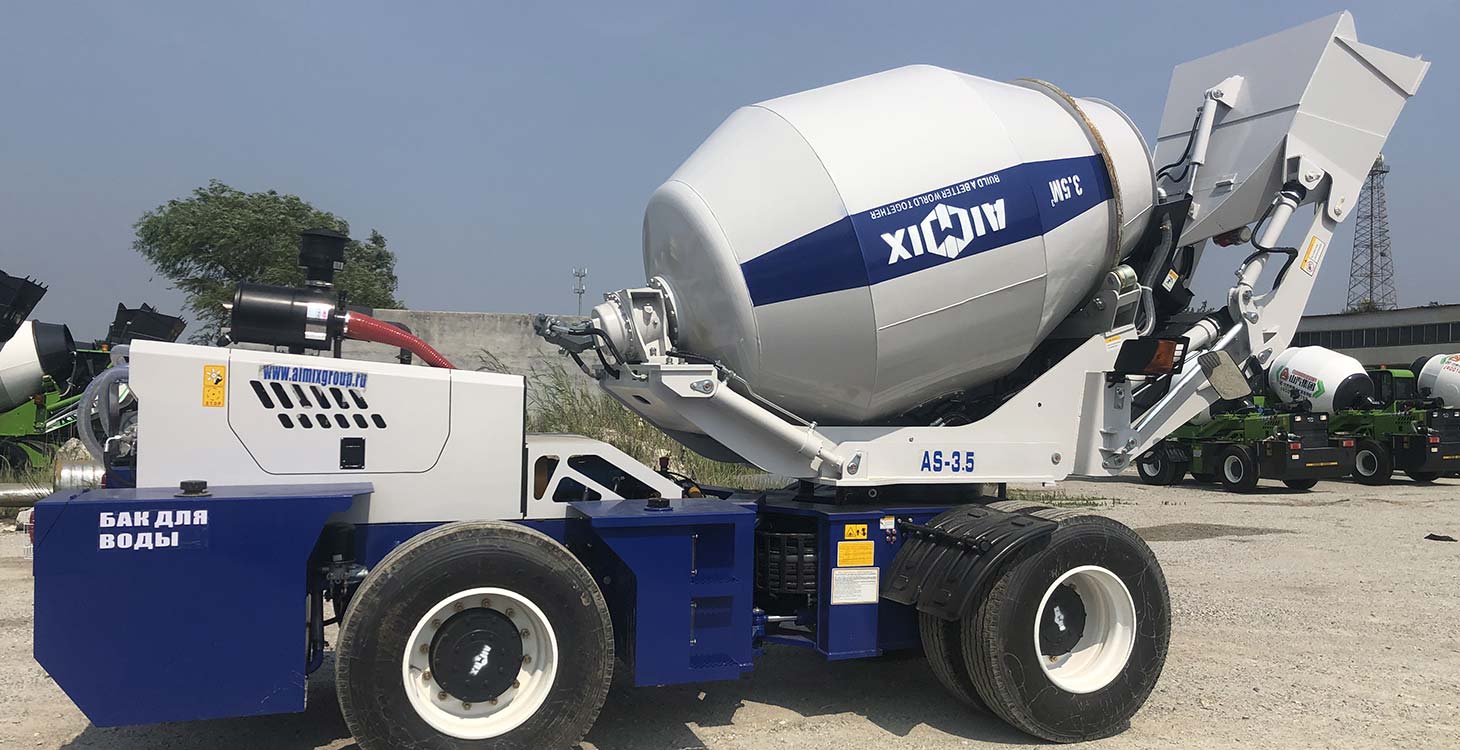
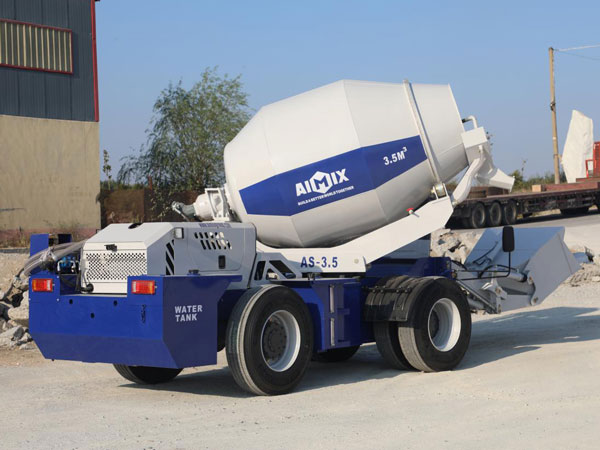
AIMIX's AS-6.5 self-loading concrete mixer incorporates advanced dual-spiral mixing blades combined with an intelligent weighing system. This design ensures each batch maintains consistent proportions with minimal error margin, maintaining output at approximately 26m³/h under optimal conditions.
By enabling precise setting of hydraulic unloading angles and mixing durations, operators can fine-tune workflows to suit the specific slump requirements of different floor levels in high-rise buildings. These features not only enhance concrete uniformity but also extend equipment lifespan through reduced mechanical stress.
Step-by-Step Guide for Standardized Operation and Maintenance
- Calibrate Weighing Systems Weekly: Use AIMIX's built-in calibration module to adjust and verify sensor accuracy. Document changes in a maintenance log to track trends.
- Set Hydraulic Unloading Angle Accurately: Adjust unloading angles according to material fluidity; typically between 120° and 150° for optimal flow. Regularly lubricate hydraulic joints using manufacturer-recommended fluids.
- Optimize Mixing Time: Maintain a consistent mixing cycle of 120 to 180 seconds for normal concrete. Increase time for mixes with additives or special aggregates as per material specifications.
Handy Tips and Tools to Help You Every Day
Implement easy-to-remember checklists and mnemonics to ensure no step is overlooked:
- “WUL” mnemonic for daily pre-operation checks:
W = Weighing calibration
U = Unloading angle
L = Lubrication
- Use visual aids such as comparative slump charts to match mixing parameters against actual site requirements.
- Incorporate routine on-site inspections supported by illustrated guides to immediately identify and rectify deviations.
Through these practical steps, you ensure your mixer consistently delivers accurately proportioned, high-quality concrete, crucial for the demanding standards of high-rise construction.
Tailoring Mixer Parameters to High-Rise Construction Needs
High-rise buildings require concrete with varying slump levels depending on floor height and structural elements. For lower floors, higher slump concrete improves pumpability, while upper floors demand slightly stiffer mixes.
Fine-tuning your mixer’s parameters—in particular mixing time and unloading angle—based on these needs ensures homogeneous consistency without sacrificing strength. AIMIX AS-6.5’s flexible control interface supports rapid adjustments on-site, reducing downtime.
Are you ready to elevate your concrete mixing precision and project reliability? Implementing these operational best practices with AIMIX’s intelligent mixers makes it achievable.