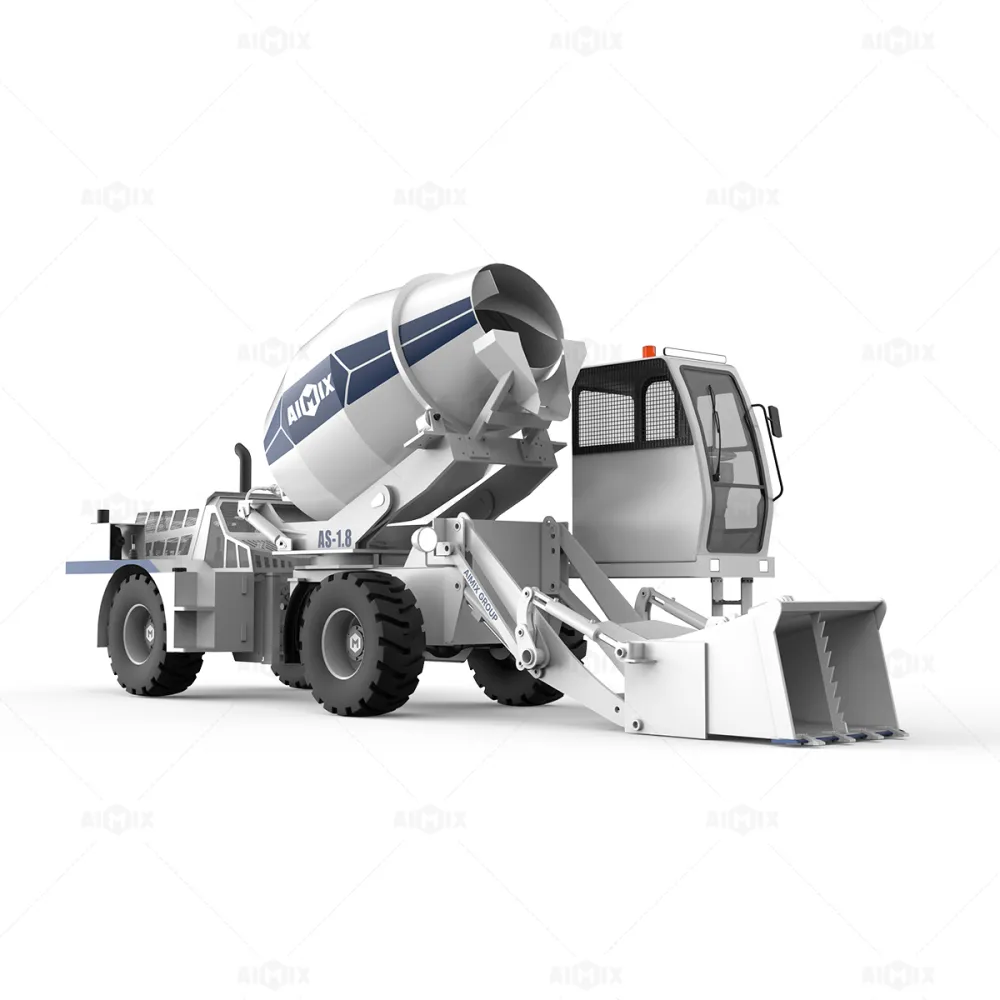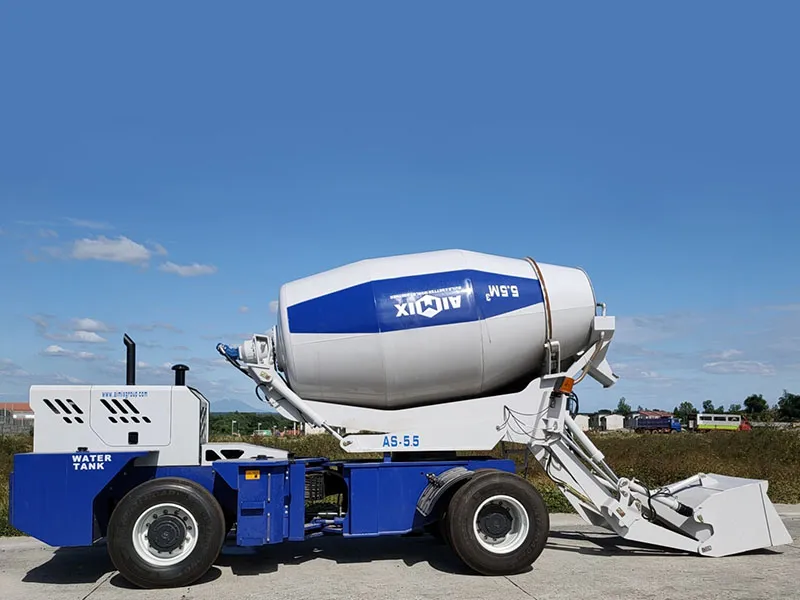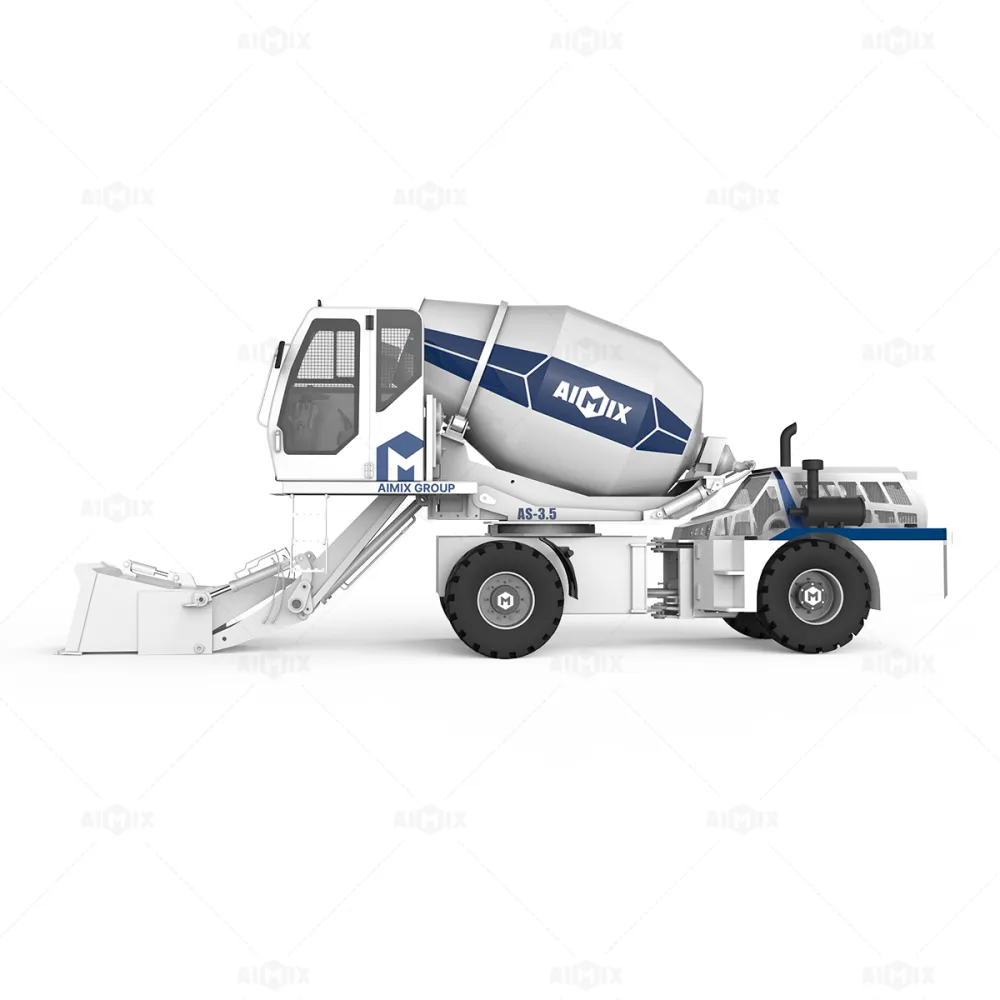
When it comes to selecting a concrete mixer for small and medium - sized construction projects, many project managers and operators often focus solely on the basic configurations. However, in real - world construction scenarios, there are numerous factors that determine the adaptability and efficiency of a concrete mixer. This article will delve into the key aspects of choosing a concrete mixer, focusing on four core dimensions: equipment intelligence, loading efficiency, discharge flexibility, and chassis adaptability.
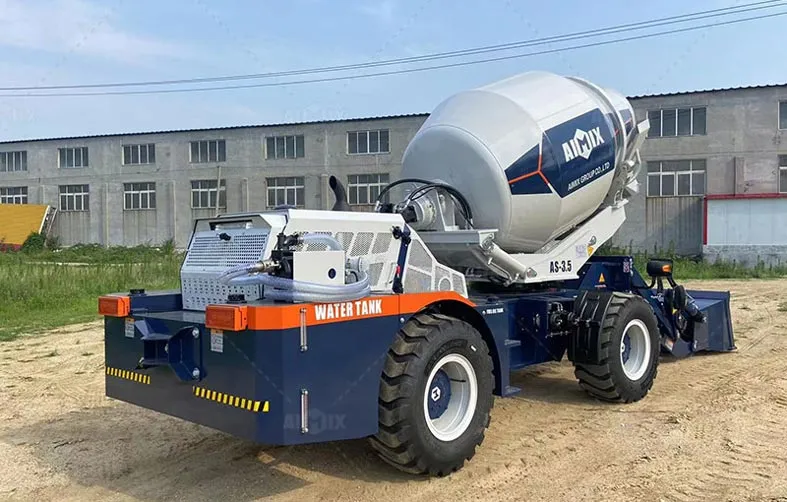
In modern construction, intelligent equipment has become a trend. The AS - 3.5 intelligent concrete mixer is equipped with a 13.5 - inch high - definition touch screen. This large - sized touch screen allows operators to easily control various functions of the mixer. For example, they can precisely adjust the mixing ratio of concrete materials. According to industry data, compared with traditional mixers, the AS - 3.5 can improve the weighing accuracy of materials by up to 20%. This high - precision weighing ensures the quality of the concrete produced, which is crucial for the stability and durability of construction projects.
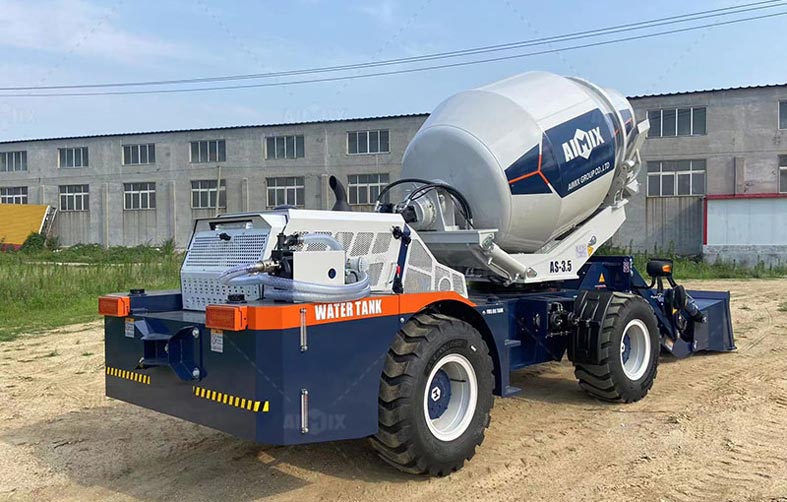
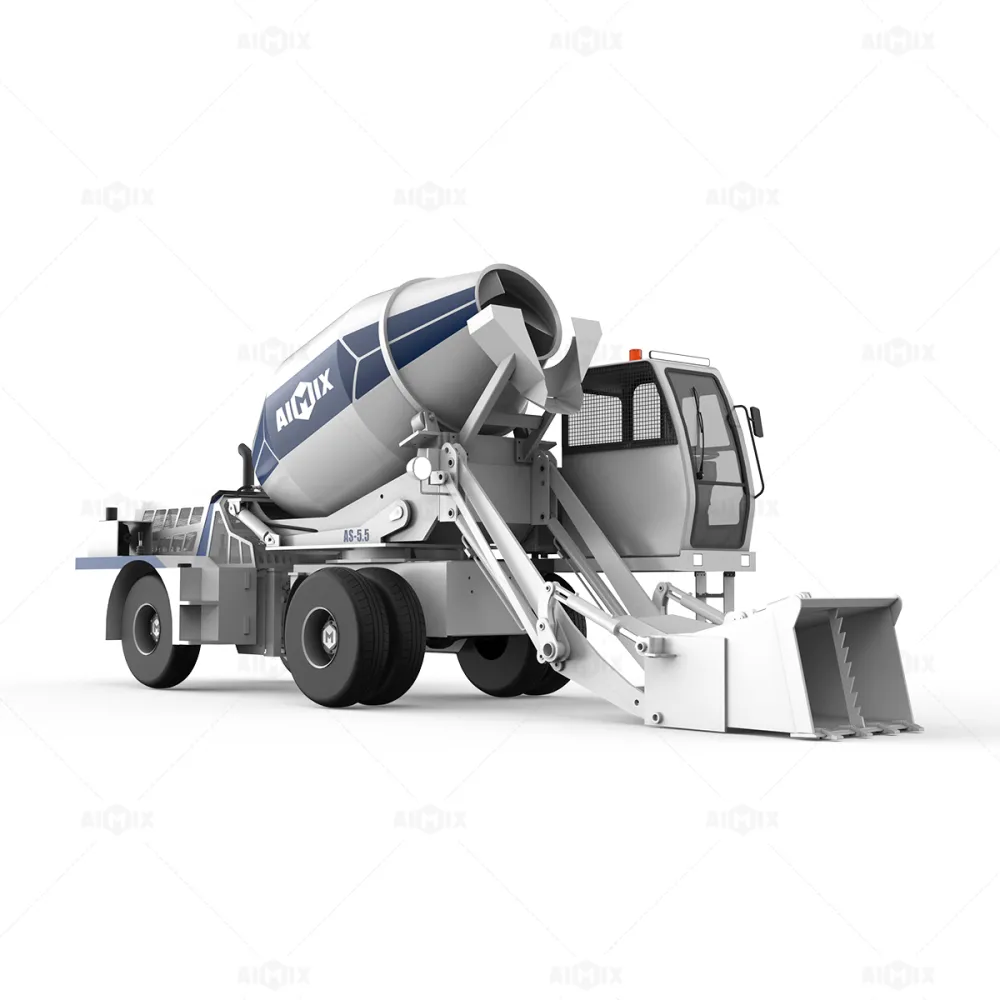
Loading is an important part of the concrete mixing process. The AS - 3.5 adopts hydraulic drive for the loading system, which can save up to 30% of the loading time compared with manual or traditional mechanical loading methods. In addition, it is equipped with an automatic water supply system. This system can accurately supply the right amount of water according to the pre - set mixing ratio, eliminating the need for manual measurement and reducing the probability of human error. For instance, in a small - scale community renovation project, the use of the AS - 3.5's efficient loading system significantly speeded up the construction progress.
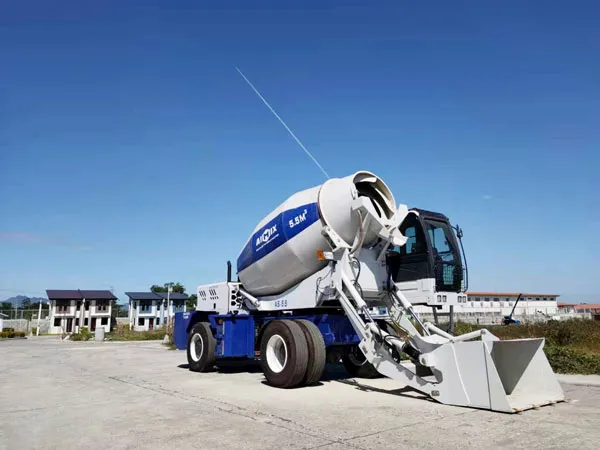
The discharge design of the AS - 3.5 is very flexible. It features a 270 - degree rotation and reverse design of the mixing tank. This design allows the mixer to discharge concrete at different angles and positions, which is particularly useful in complex construction sites. For example, in a narrow alley during an old - community renovation project, the 270 - degree rotation function enabled the mixer to discharge concrete precisely to the required location without the need to move the entire machine frequently. This not only improved the discharge efficiency but also reduced the labor intensity of operators.
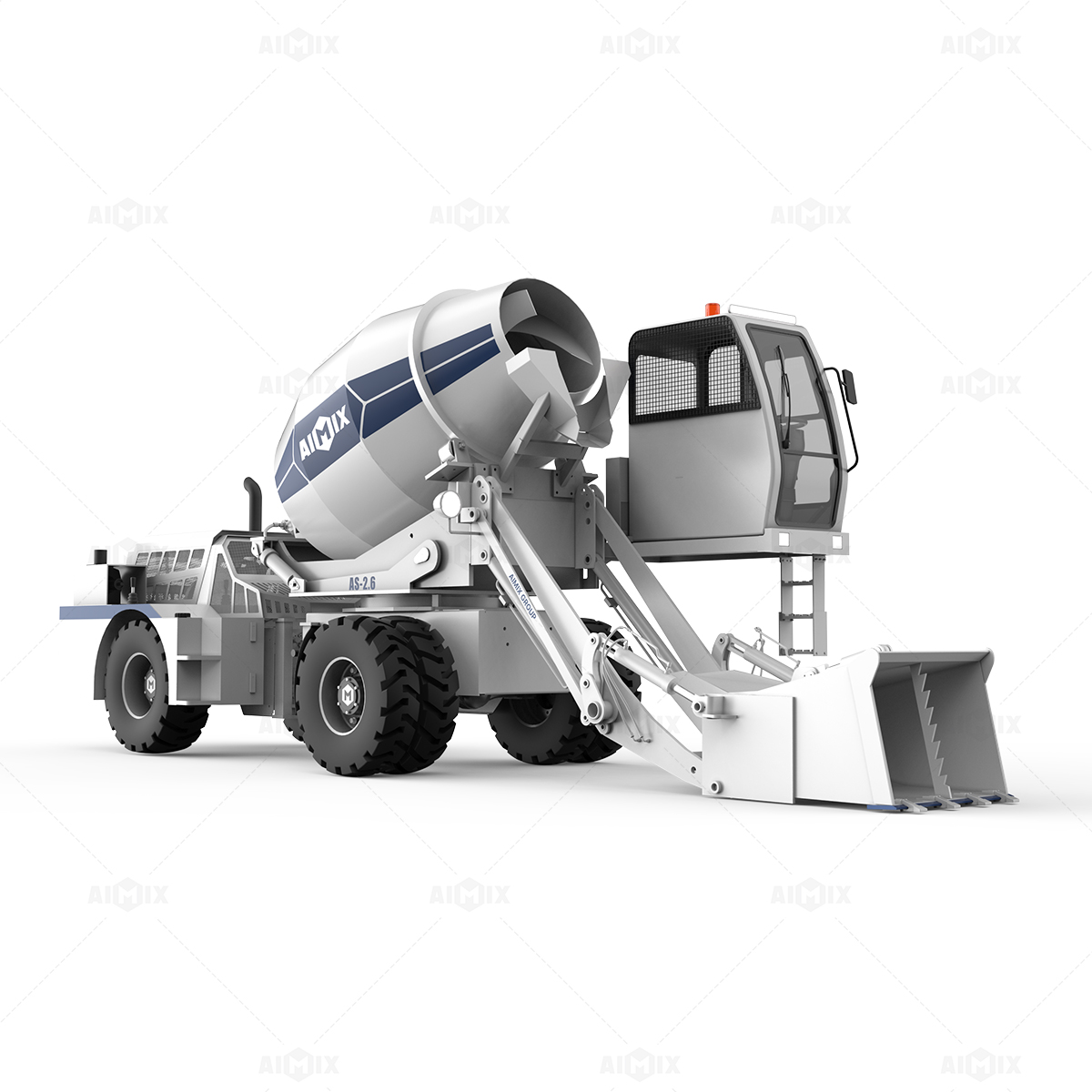
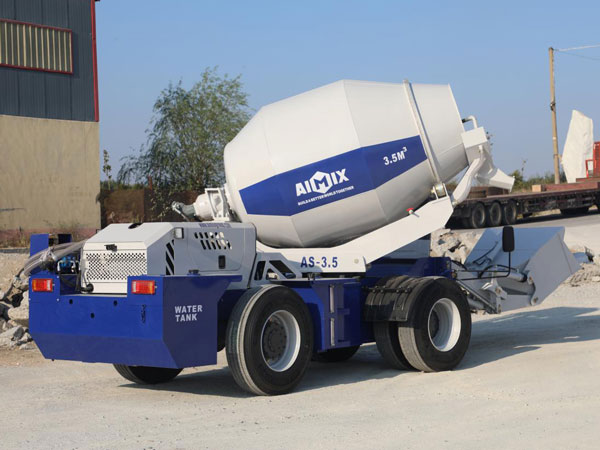
The chassis of the AS - 3.5 is designed with an articulated frame and engineering tires. The articulated frame provides better maneuverability, especially in narrow spaces. It allows the mixer to turn more easily, which is essential for construction sites with limited space, such as urban renovation projects. Engineering tires, on the other hand, have better grip and durability on rough and uneven roads. In a small - scale factory building construction project on a site with a lot of gravel, the AS - 3.5 with engineering tires showed excellent adaptability, ensuring smooth movement of the mixer on the site.
Let's take a look at how the AS - 3.5 performs in different working conditions:
Here are some practical tips for using the AS - 3.5:
Compared with competing products, the AS - 3.5 meets the GB/T 14902 standard. We also interviewed front - line engineers, and they all spoke highly of the performance and reliability of the AS - 3.5. Their professional opinions further prove the superiority of this product.
In conclusion, when choosing a concrete mixer for small and medium - sized construction projects, it is necessary to comprehensively consider the above four core dimensions. The AS - 3.5 intelligent concrete mixer, with its excellent performance in equipment intelligence, loading efficiency, discharge flexibility, and chassis adaptability, is a reliable choice for construction projects. If you want to learn more about how to select the optimal configuration according to your construction site terrain or get a free PDF of the mixer's user manual, click here.
.jpg?x-oss-process=image/resize,h_1000,m_lfit/format,webp)