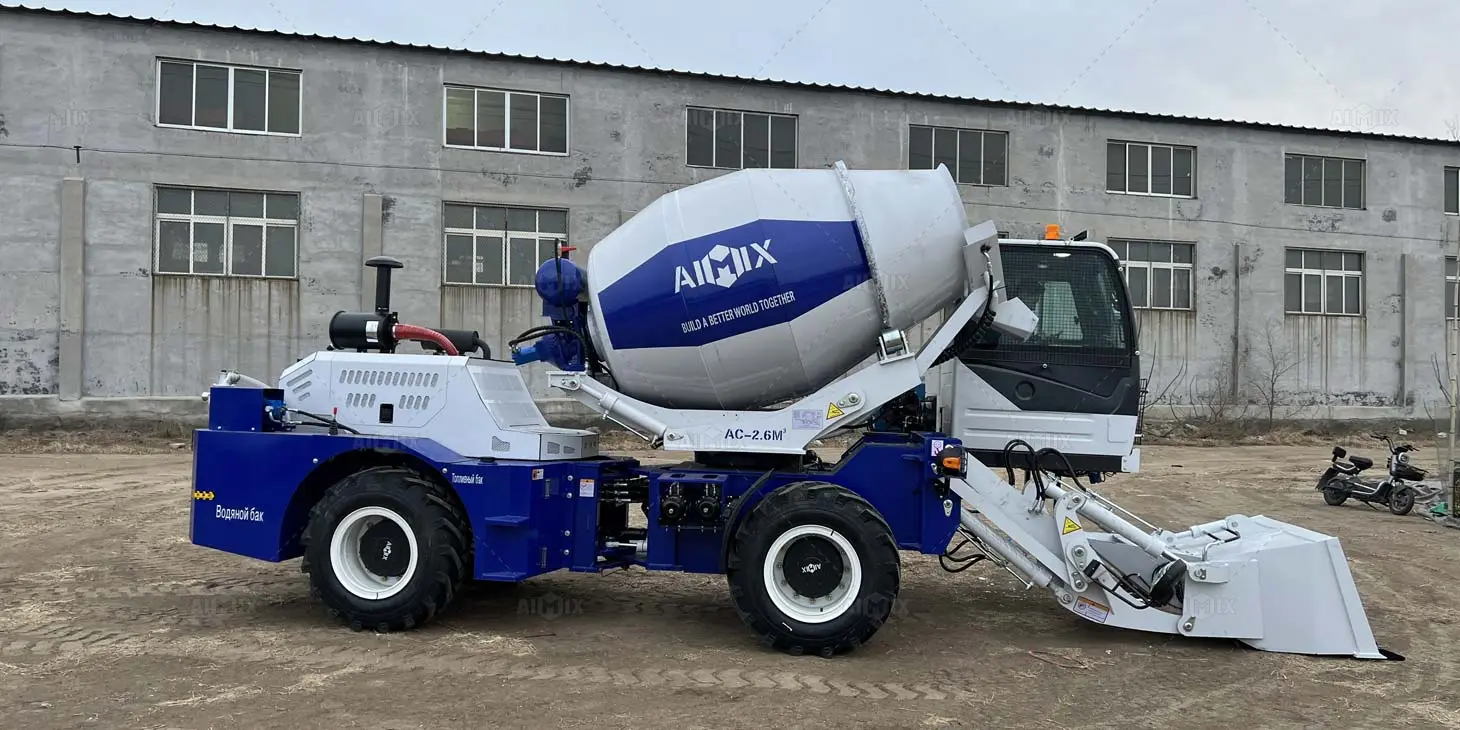
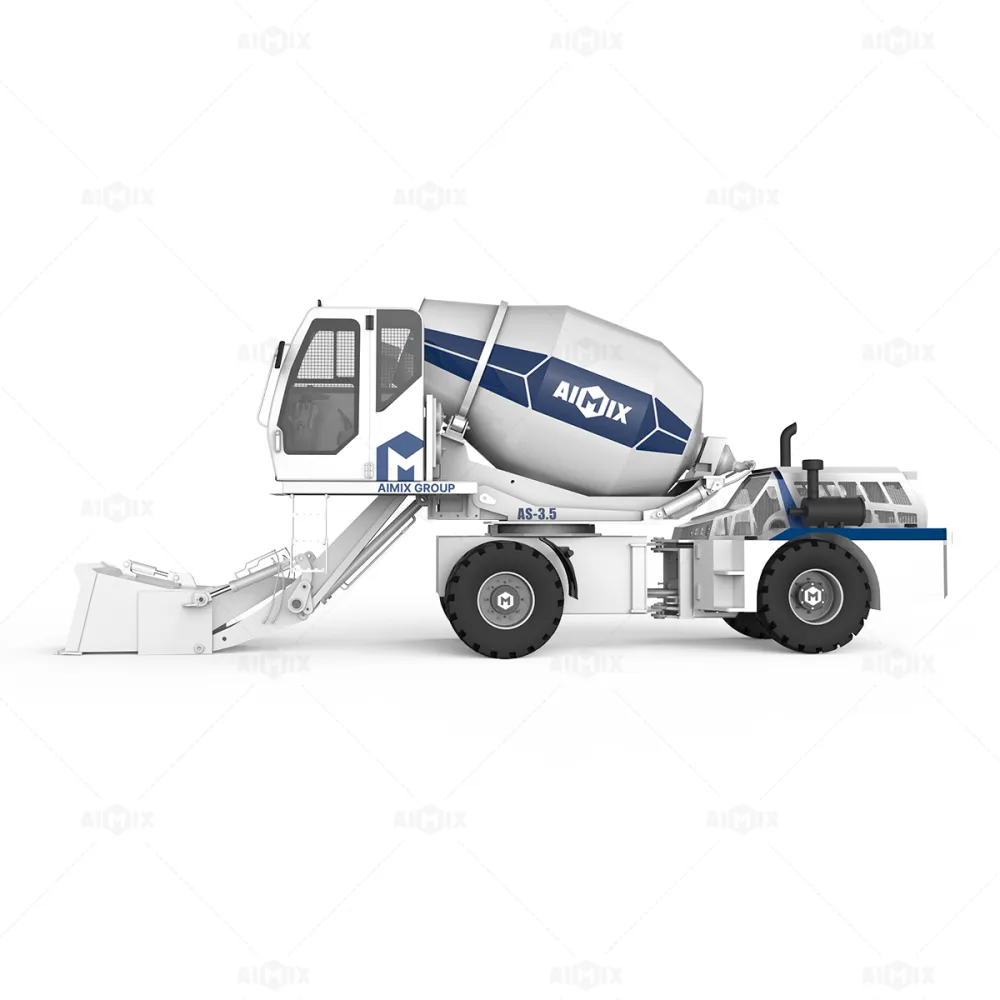
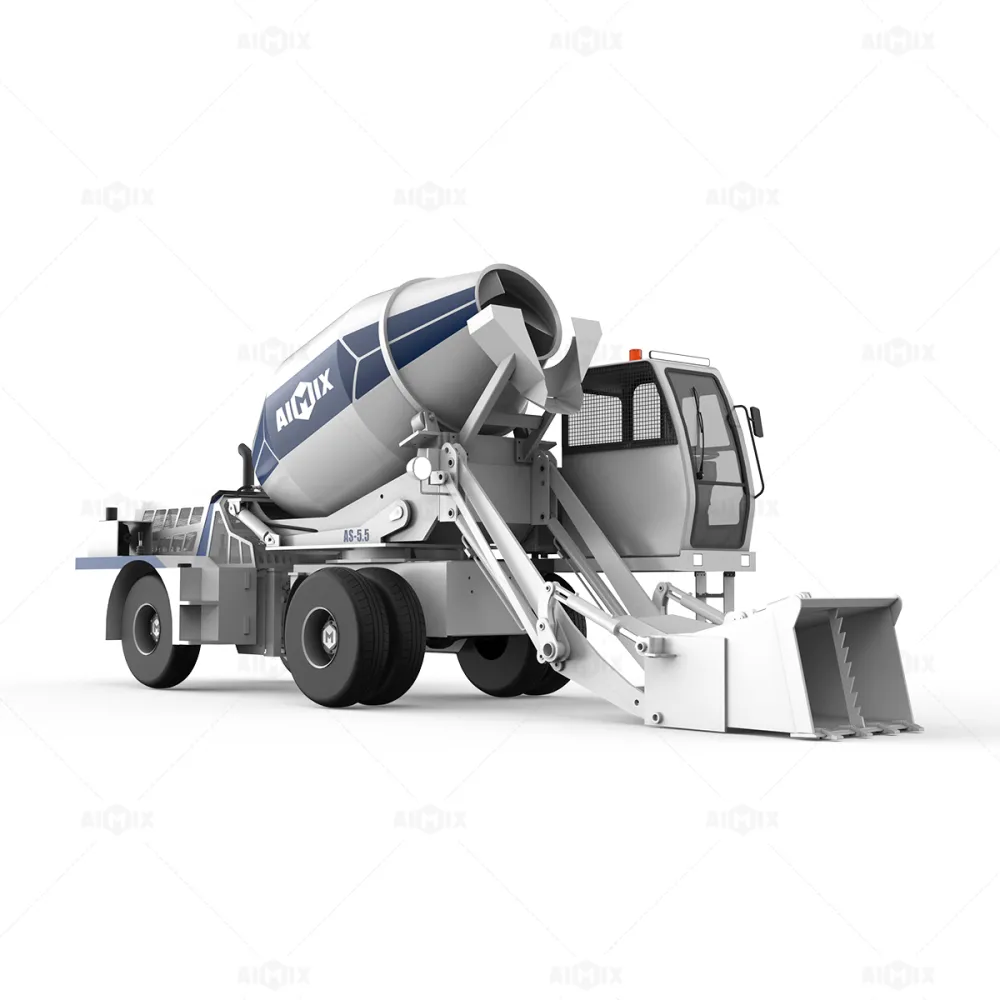
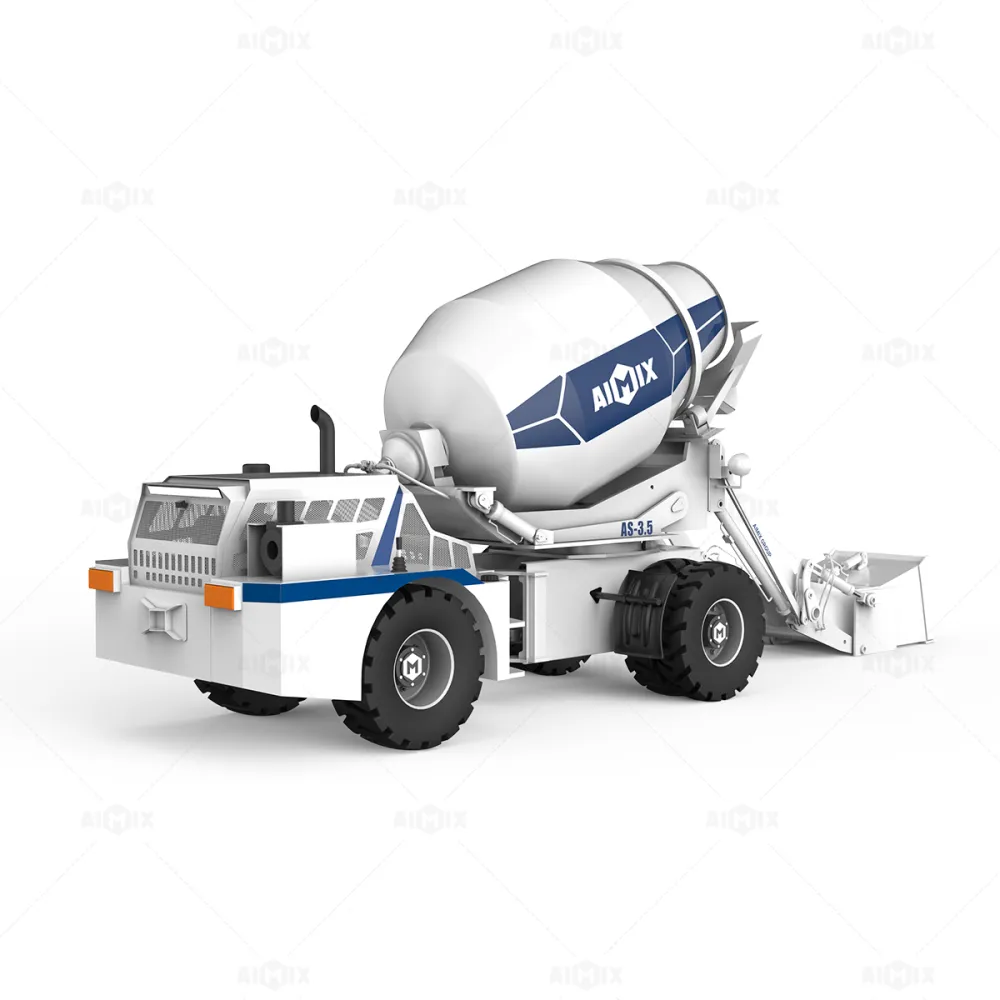
Continuity and uniformity in concrete supply remain pivotal challenges in executing large-scale infrastructure projects such as bridges, highways, and urban redevelopment. Any disruption in the delivery or quality of concrete can cause costly delays and jeopardize structural integrity. Addressing these critical pain points, Henan Guoli Mikos Technology Company has developed the AS-5.5 self-loading concrete mixer truck — a robust solution designed to optimize onsite mixing, enhance flexibility, and maintain concrete quality consistently throughout demanding construction cycles.
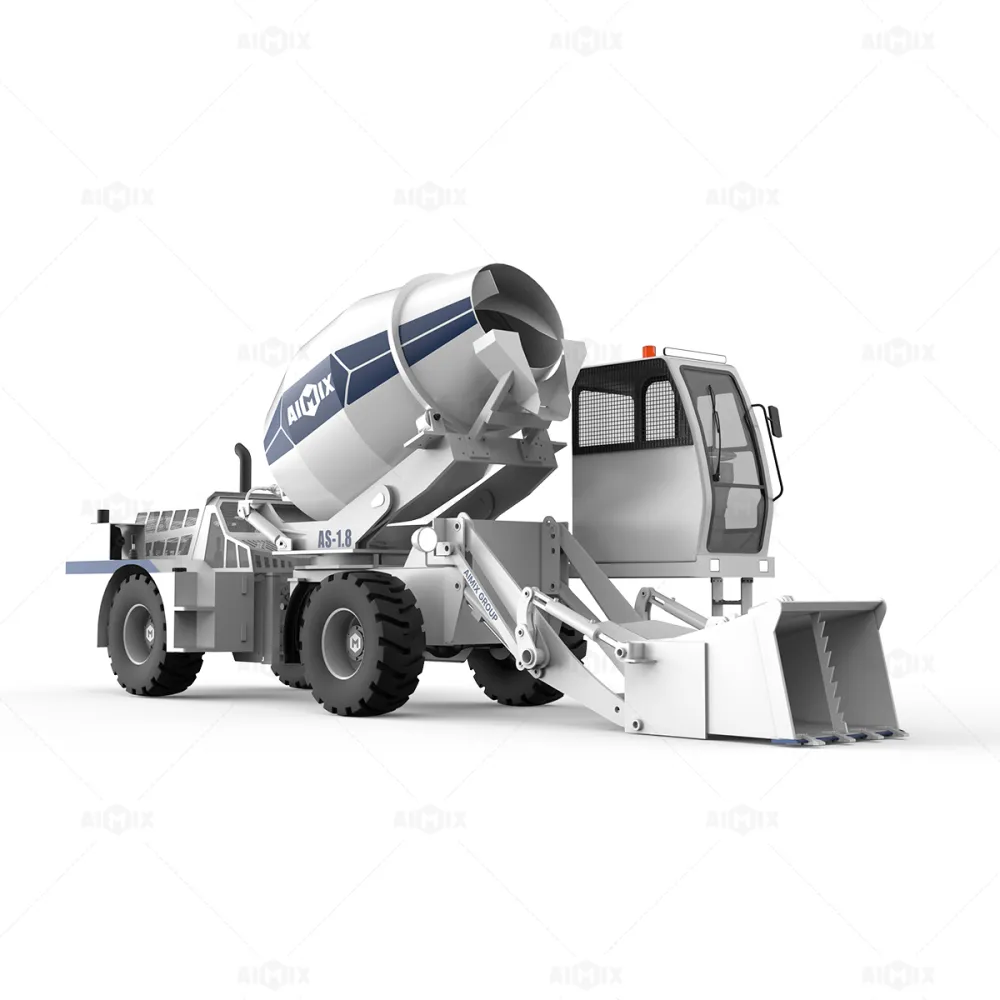
The AS-5.5 distinguishes itself through an integrated design that combines three vital functions: self-loading of raw materials, mixing, and self-unloading. This innovative setup eliminates dependencies on external batching plants and manual labor for material handling, dramatically streamlining the supply chain onsite.
Notably, the truck boasts a substantial 5.5 cubic meter mixing capacity with an impressive throughput of up to 22 cubic meters per hour. These figures represent a significant upgrade over traditional small mobile batching stations, providing nearly double the volume output without sacrificing mobility or setup time. The truck’s compact structure enables access and operation even in confined and complex site geometries common in urban infrastructure projects.
Construction sites for bridges and road repairs often present logistical constraints: narrow access roads, uneven terrain, and space restrictions. The AS-5.5’s streamlined design supports agile maneuvering and rapid repositioning without interrupting ongoing operations. This flexibility reduces waiting times and congestion onsite, factors that typically contribute to supply interruptions.
Frontline operators have reported smoother workflows and decreased dependency on backup concrete supply methods when using the AS-5.5, citing its intuitive operation interfaces and self-sufficient loading capabilities. The reduction in workforce needed for material transport optimizes labor allocation, further driving efficiency gains.
Several ongoing projects exemplify the AS-5.5’s operational advantage. In bridge pier column pours, where uninterrupted concrete supply is critical to avoid cold joints, the truck’s continuous mixing and rapid discharge ensure steady flow. Similarly, during urban road resurfacing initiatives, the ability to mix concrete onsite reduces reliance on external suppliers, accelerating progress despite complex traffic controls.
Quantitatively, projects utilizing the AS-5.5 have observed up to 30% faster concrete placement rates and a measurable reduction in material wastage — directly translating to tighter schedule adherence and cost control without compromising quality standards.
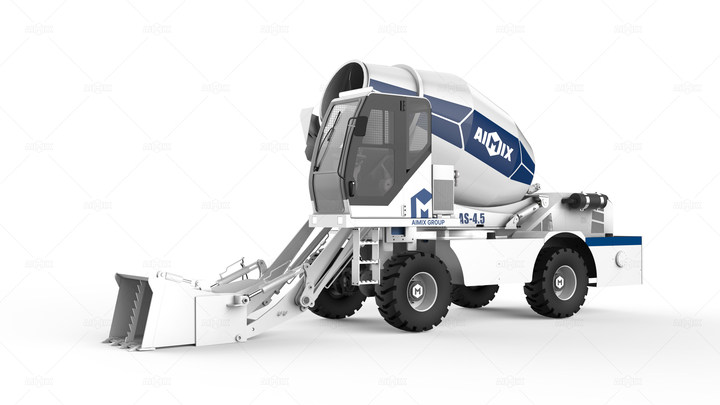
The AS-5.5 mixers conform to international construction machinery certifications, reassuring project managers of their adherence to stringent quality and safety benchmarks. Such validations mitigate operational risks and support compliance with regulatory frameworks across regions.
Onsite project supervisors emphasize that the robust build quality combined with consistent output allows for improved progress control and less contingency planning. Reduced human intervention in handling raw materials further lowers error margins and enhances overall quality assurance.
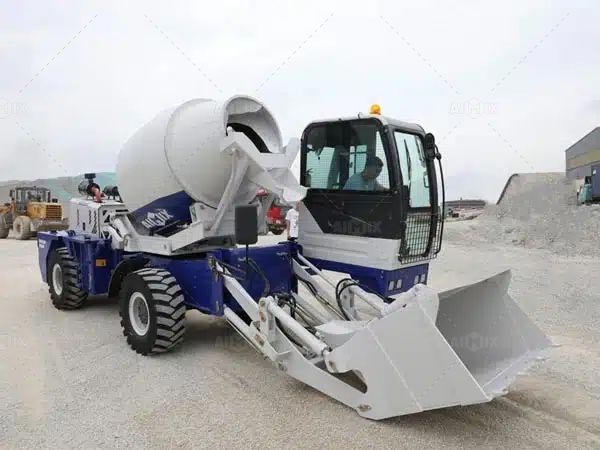
Infrastructure projects often require sustained high-volume concrete production to meet tight deadlines. The AS-5.5 effectively supports such high-intensity work cycles by combining its large mixer volume and rapid cycle time. This capability ensures concrete supply continuity, reducing the risk of downtime caused by batching delays or supplier shortages.
Data from recent deployments indicate the device can maintain mixing throughput over 12 hours per day without major performance degradation, well-aligned with project schedules demanding intense, continuous effort.
The technology’s role is not only limited to physical mixing but also in elevating project management efficiency — enabling precise scheduling alignment, lowering manual handling errors, and optimizing labor costs.



.jpg?x-oss-process=image/resize,h_1000,m_lfit/format,webp)