Optimizing Concrete Pour Accuracy: Practical Guide to AS-4.5 Mixer Drum Rotation Angles from 30° to 90°
10 03,2026
Application Tips
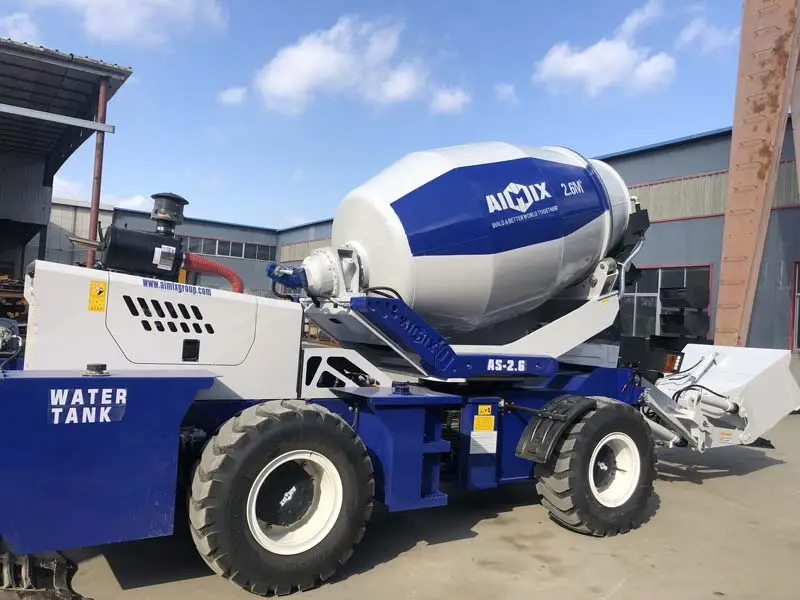
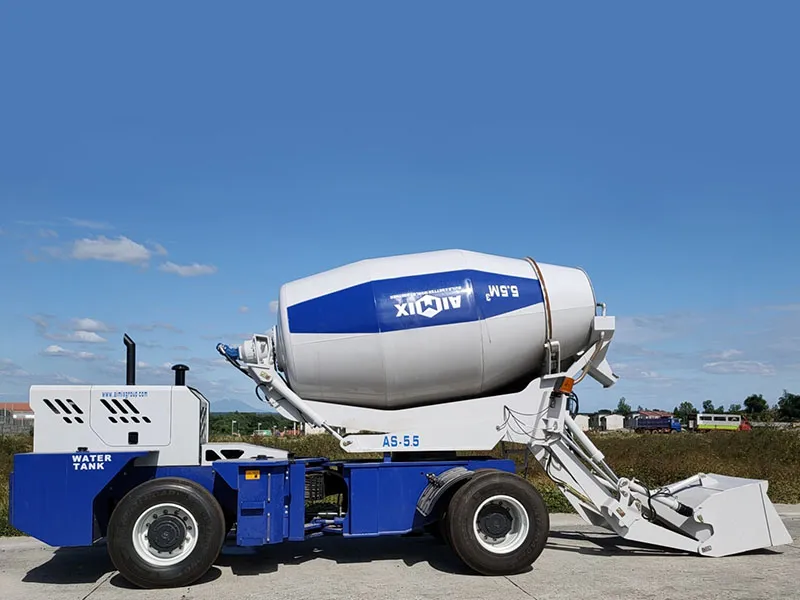
This article delves into the impact of drum rotation angles on concrete pouring precision, focusing on the AS-4.5 concrete mixer by AIMIX. Drawing from real-site challenges, we analyze common errors linked to improper tilt angle settings and their construction risks. The guide explains how to adjust drum inclination between 30° and 90°, considering terrain, formwork, and pump truck coordination, to achieve precise discharge. We detail replicable standardized workflows ensuring operational safety and efficiency, while showcasing the AS-4.5’s automated feeding system and ergonomic cab design. Readers will gain comprehensive insights and practical skills to enhance pouring accuracy, boost construction quality, and optimize on-site productivity.

How Mixing Drum Rotation Angle Influences Concrete Pouring Accuracy: A Practical 30°–90° Tilt Guide
In today’s competitive construction landscape, precision in concrete placement is paramount. As a site engineer working hands-on with the AIMIX AS-4.5 concrete mixer, I’ve witnessed firsthand how the angle at which the mixing drum rotates directly impacts the quality and accuracy of concrete pouring. This practical guide dives into optimizing the mixing drum’s tilt — specifically within a 30° to 90° range — to unlock higher efficiency, safety, and construction excellence.
Understanding Common Pitfalls of Improper Tilt Settings
Despite advanced machinery, many operators fall victim to imprecise drum angle adjustments, leading to:
- Uneven concrete flow: Excessive or insufficient drum tilt causes inconsistent material discharge, resulting in poor surface finishes.
- Overflows and wastage: Incorrect angles increase spill risk, inflating material costs and delaying project timelines.
- Equipment strain: Non-standard tilt positions place undue stress on the mixer’s mechanisms, shortening lifespan and requiring costly maintenance.
For example, a site with uneven terrain relying on arbitrary tilt settings often experiences material splatter, complicating manpower coordination and safety.
Leveraging AS-4.5’s Advanced Features for Optimal Tilt Control
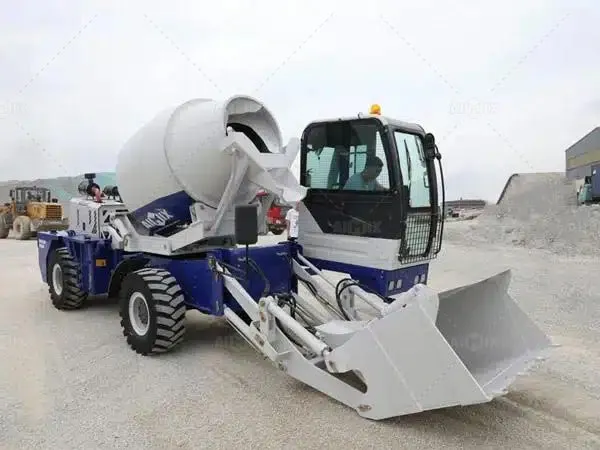
The AIMIX AS-4.5 mixer integrates a state-of-the-art automatic feeding system and a thoughtfully designed cab that gives operators intuitive control over drum orientation. This seamless interface allows on-site teams to adapt in real-time according to:
- Ground topography: Adjust the drum tilt within the 30°–90° range to compensate for slopes, ensuring consistent discharge flow.
- Formwork arrangement: Modify tilt angles to reach recessed or complex mold layouts without repositioning the truck repeatedly.
- Concrete pumps coordination: Synchronize discharge speed and angle with pump input for smooth and continuous pouring.
The Science Behind the 30°–90° Tilt Range
Concrete viscosity, gravity impact, and mechanical rotation dynamics all influence the ideal drum angle. Through extensive site trials, the AS-4.5’s engineers recommend maintaining tilt between 30° and 90° for:
- Below 30°: Material tends to accumulate inside the drum, hindering discharge and increasing wear.
- Above 90°: Risk of concrete spilling and uneven pouring rises sharply, creating safety hazards and product loss.
- Between 30° and 90°: Achieves ideal flow velocity and angle to land concrete precisely, balancing gravity and momentum effectively.
Standardized Operation Procedures for Mixing Drum Rotation
- Step 1: Survey the site terrain and formwork layout before positioning the mixer.
- Step 2: Set the drum tilt angle initially to 45° if conditions are normal; adjust upward incrementally for complex molds.
- Step 3: Monitor discharge flow rate in real time, tweaking the tilt if concrete flow slows or splatters.
- Step 4: Coordinate with pump operators to match rhythm and angle for continuous placement.
- Step 5: Engage safety locks on the drum after adjustments to prevent accidental shifts during operation.
Case Study: Precision Pouring on a Sloped Mid-Sized Project
On a recent construction project in Henan Province, the AS-4.5 mixer achieved remarkable results despite challenging terrain. The operators initially faced uneven concrete layering due to a 20° tilt setting. After recalibration to a stable 60° angle and using the automatic feeding system, concrete discharge became uniform, reducing rework by over 15% and cement wastage by 10%. The job was completed 2 days ahead of schedule without compromising safety or quality.
Don't Overlook These Common Mistakes
- Failing to adjust the tilt between pours: Different pour points require distinct drum orientations.
- Ignoring pump compatibility: Misalignment causes blockages and uneven distribution.
- Neglecting safety locks: Drum angle may inadvertently shift, risking spillage and equipment damage.
Interactive Tip: Optimize Your Tilt Adjustments
Track your site-specific tilt angle and pouring results for each shift. Use the data to predict the best tilt-setting configurations ahead of time and train your operators for consistency. Remember, even a small angle shift can drastically influence placement accuracy.
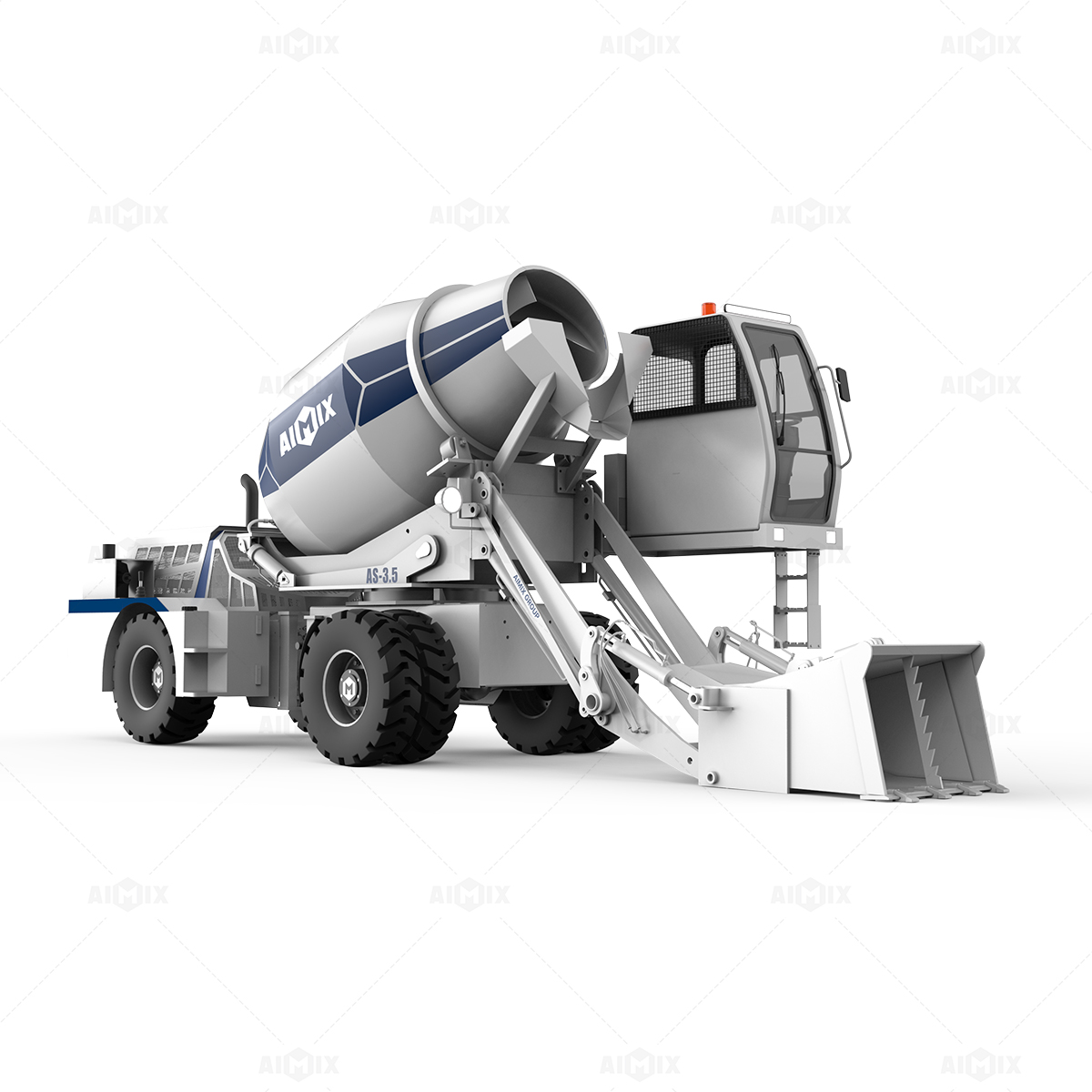
The AIMIX AS-4.5 mixer isn’t just a mixing tool—it’s a precision instrument engineered for today’s demanding construction sites. Its adjustable rotary drum with intuitive controls ensures you achieve the highest quality in concrete placement.
Elevate Your Concrete Pouring Process Today
Discover How AIMIX AS-4.5 Mixer Guarantees Precision With Adjustable Drum Tilt