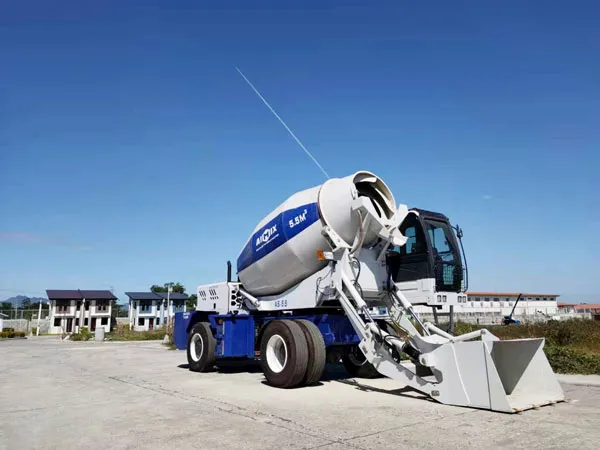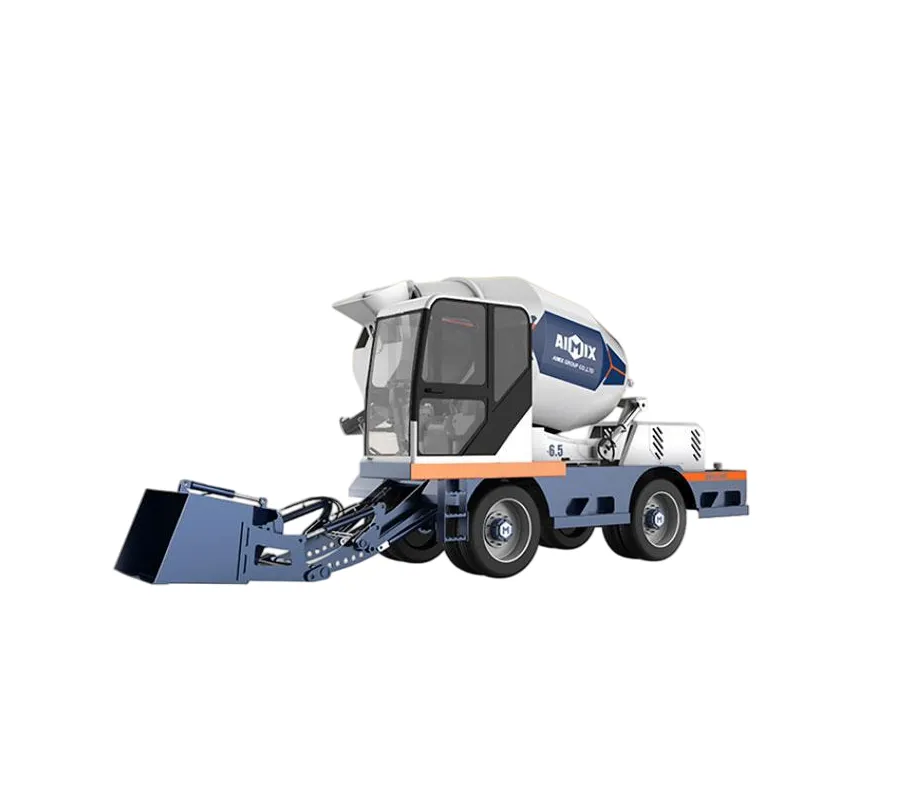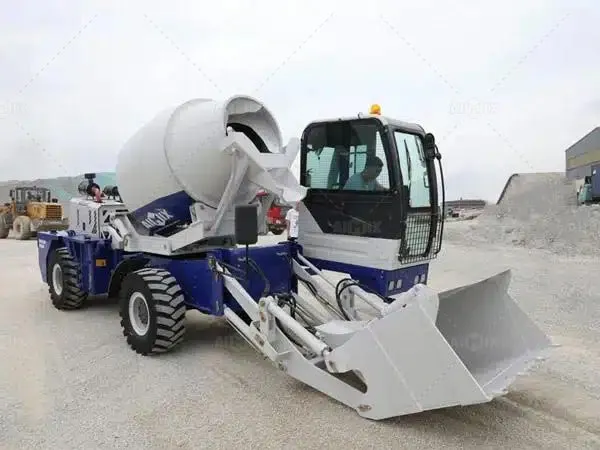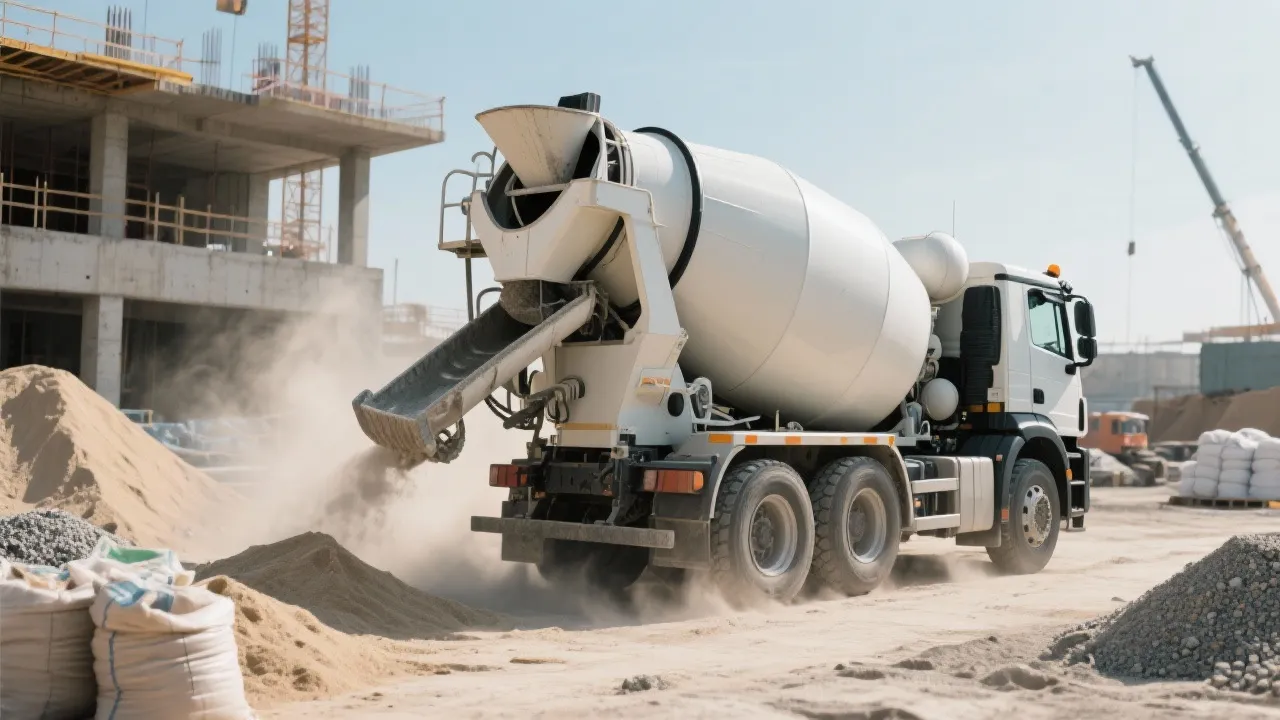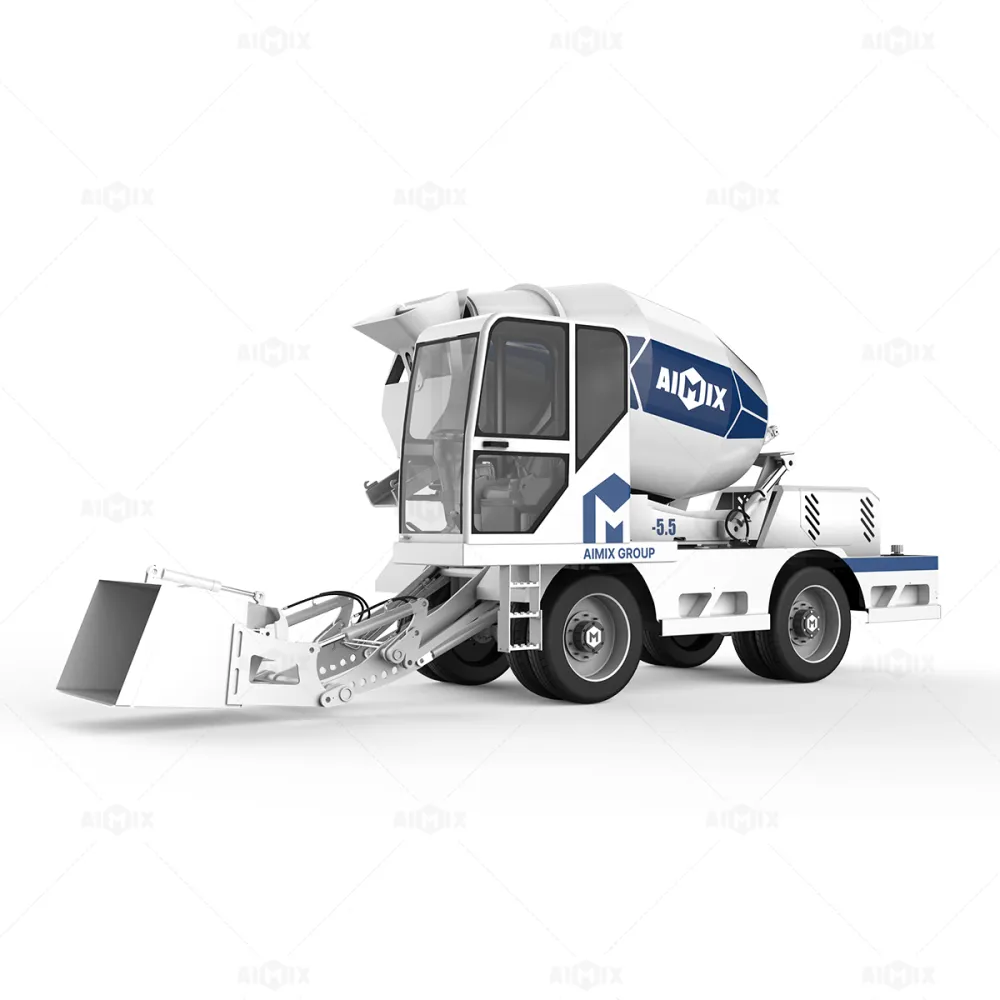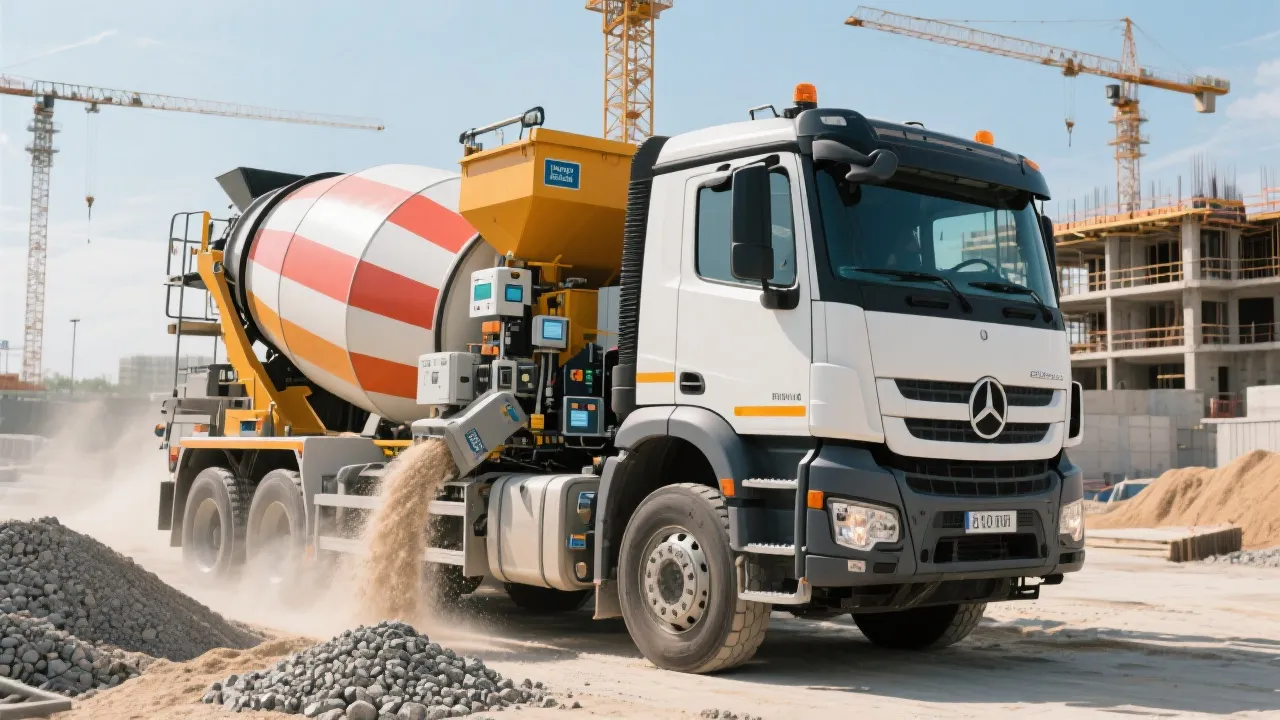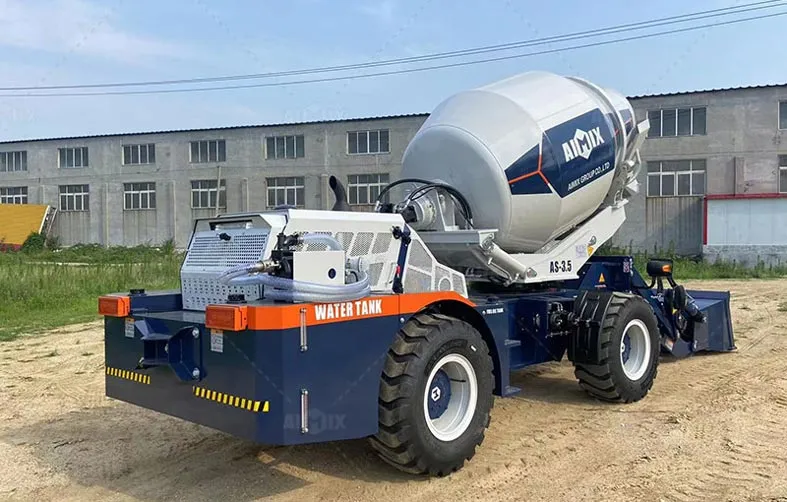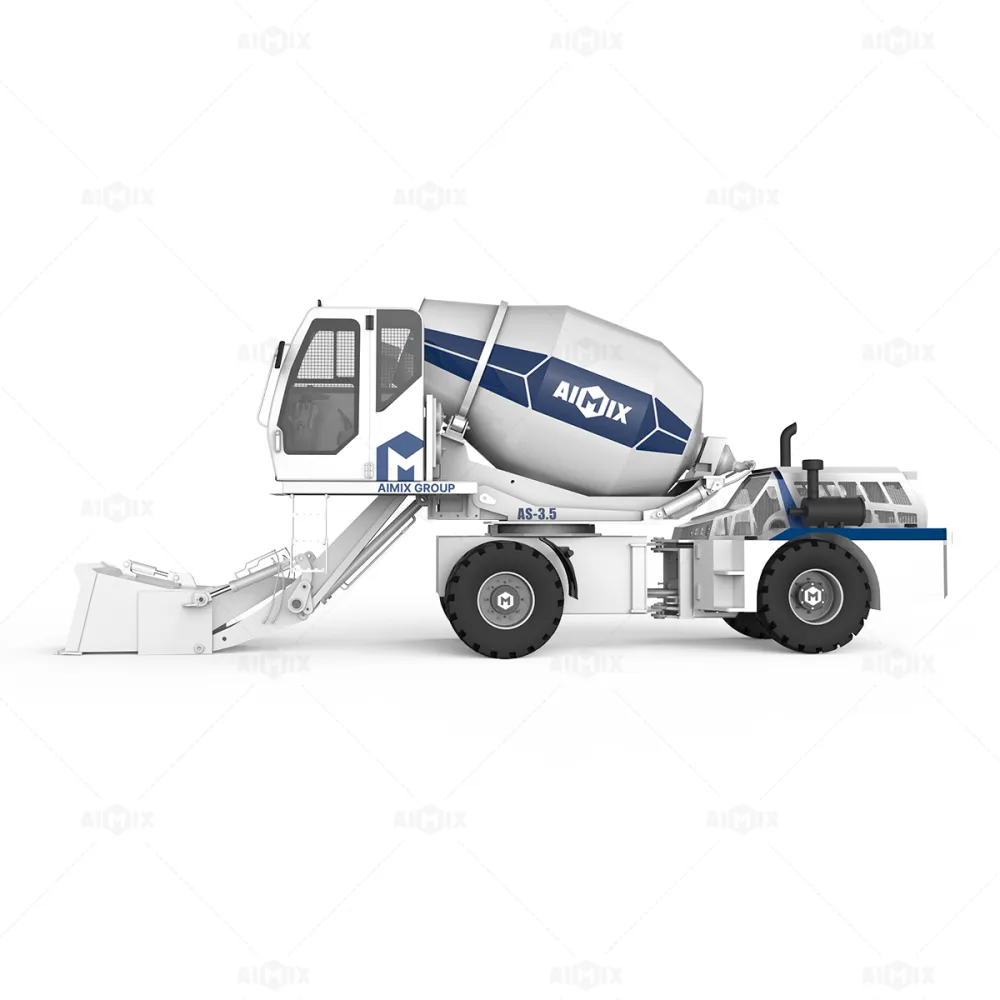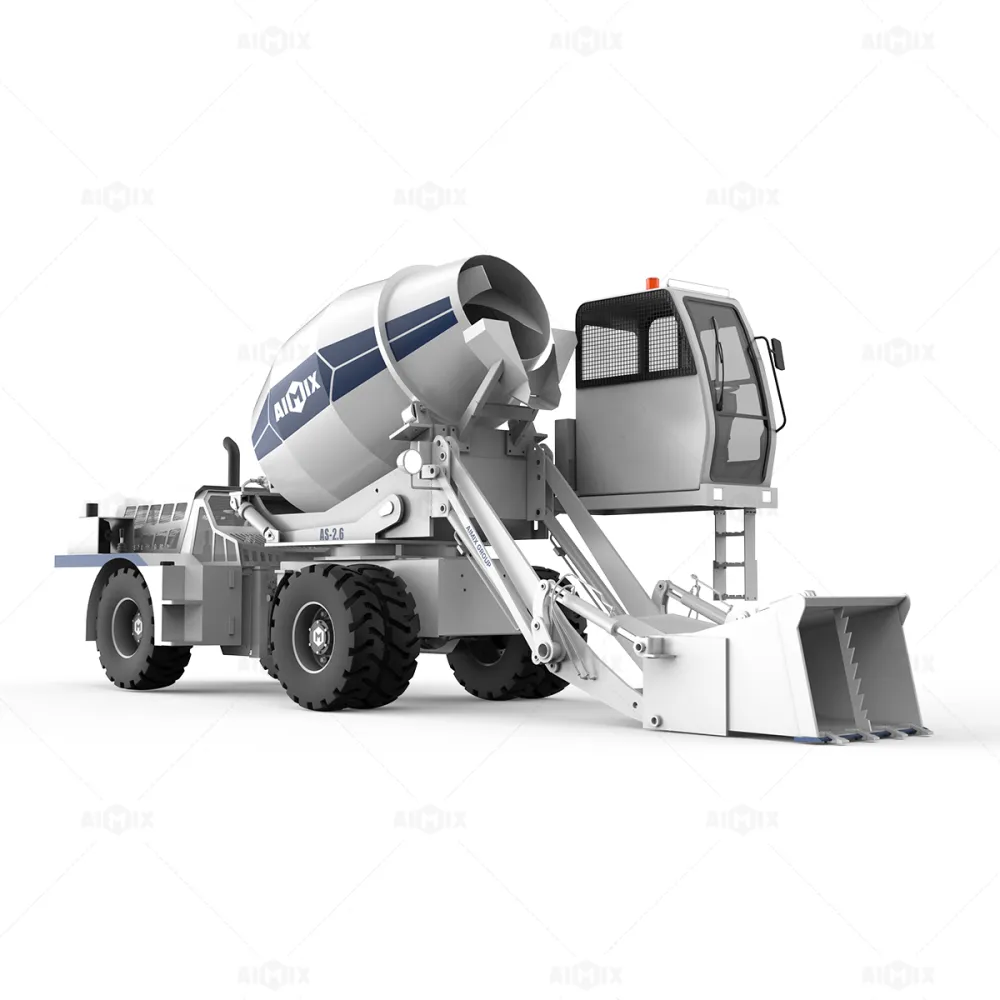
Choosing the right concrete mixer for mid-sized construction sites remains a crucial challenge for contractors aiming to balance productivity and operational flexibility. Among a range of available capacities—from 2 to 6 cubic meters—the 4.5 cubic meter concrete mixer emerges as the optimal solution for urban and municipal infrastructure projects. This article delves into why this capacity hits the sweet spot for mixed workloads, offering superior efficiency, ease of transport, and adaptability in complex jobsite environments.
Concrete demand on medium-sized projects such as city roadways, industrial flooring, and suburban developments usually fluctuates between constant supply and manageable batch sizes. Small-capacity mixers (around 2 cubic meters) require frequent refills, potentially slowing down workflow due to higher machine cycling and transport time. Conversely, large-capacity mixers (above 5.5 cubic meters) often become inefficient in tight site conditions, increasing idle periods and transport constraints.
The 4.5 cubic meter mixer strikes a practical balance, offering a batch output that translates to an hourly throughput of approximately 16 to 20 cubic meters under continuous operation. This throughput capability supports streamlined project timelines while minimizing waiting periods between batches.
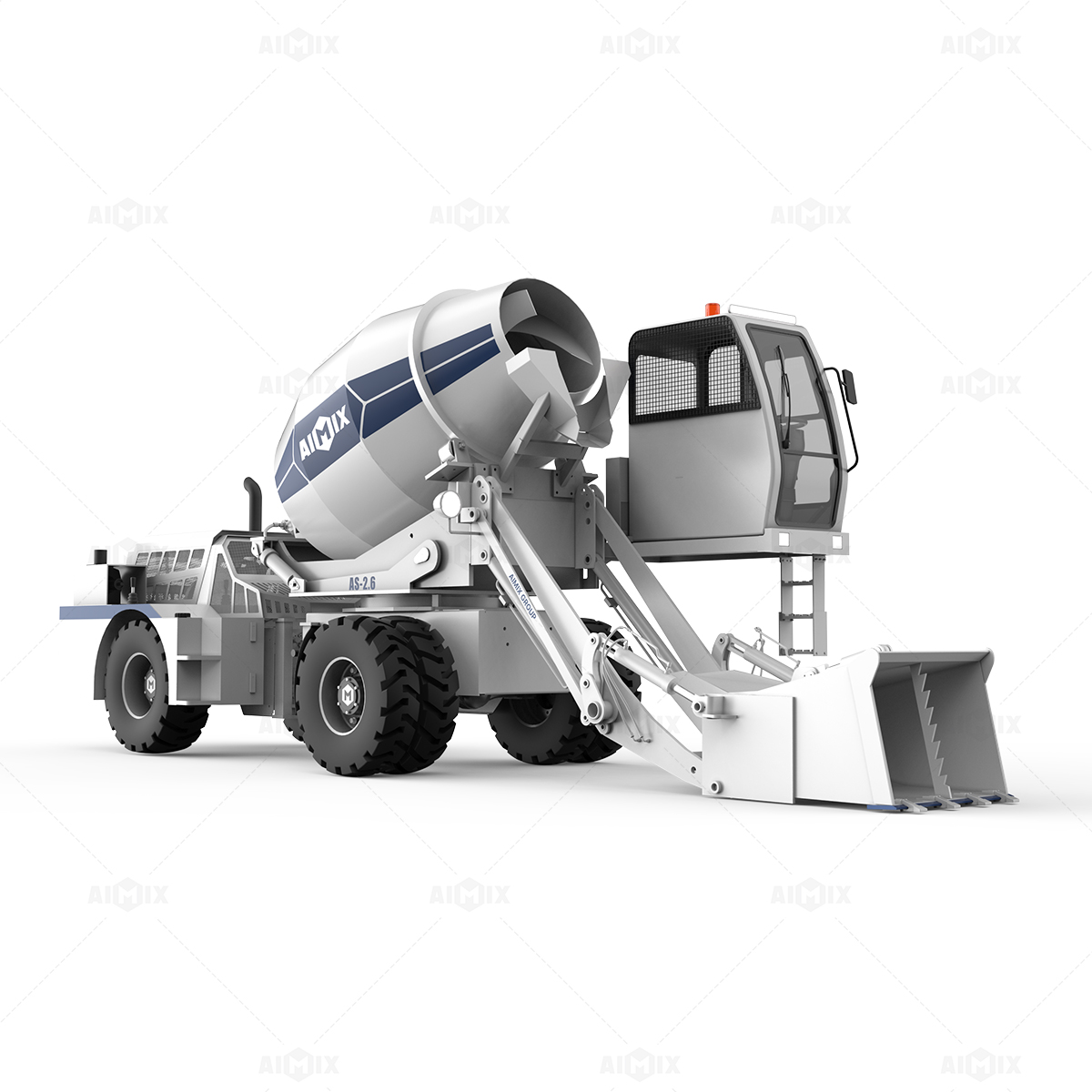
Site logistics often dictate the feasibility of mixing equipment. The 4.5 cubic meter mixers are engineered to optimize transport frequency and flexibility. Data indicates that mixers within this size require 25-30% fewer deliveries compared to 2 cubic meter units to meet the same concrete volume demand. This reduction not only cuts logistics costs but also minimizes operational disruptions caused by excessive vehicle movements.
In addition, the 270-degree rotational discharge mechanism enhances unloading accuracy and speed, especially valuable in confined or uneven construction zones common to municipal and urban projects. Such feature allows operators to place fresh concrete exactly where needed without repositioning heavy machinery repeatedly, ensuring efficient use of both mixer and labor resources.
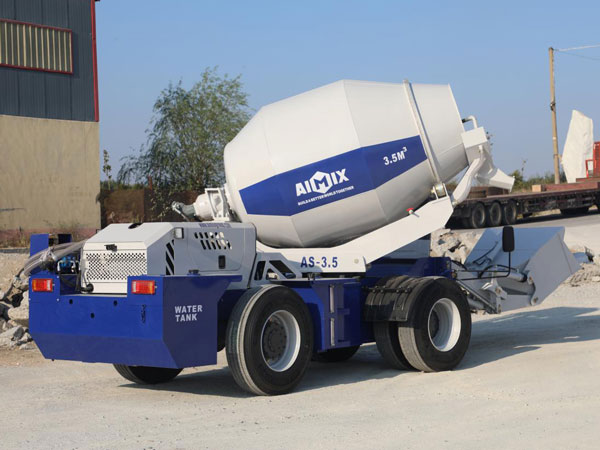
Mid-sized contractors often face challenges balancing manpower and complex equipment handling. The 4.5 cubic meter class mixers come with simplified controls and proven reliability, reducing operator training time and maintenance overhead. Feedback from multiple project sites reports a 15% reduction in downtime relative to larger mixer models, largely attributed to easier access for routine inspections and faster troubleshooting processes.
Additionally, user testimonials highlight heightened jobsite morale and efficiency improvement due to steady delivery rates and reduced concrete waste, aligning with sustainable construction practices.
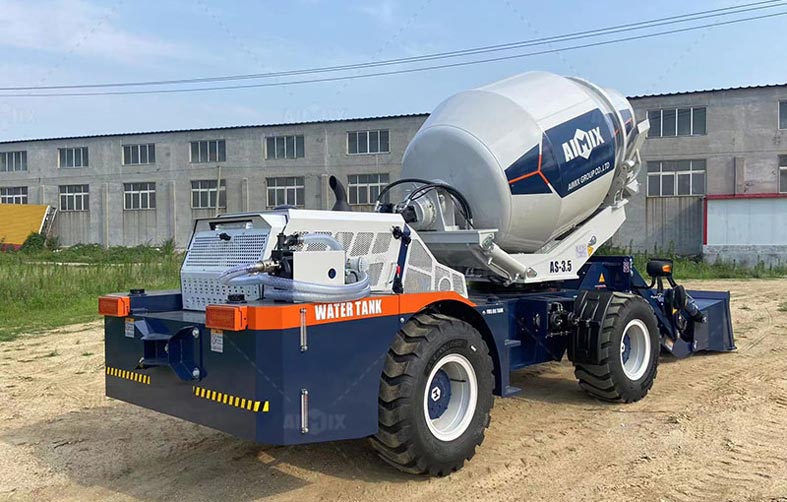
To assist decision-makers, a straightforward evaluation matrix can guide the selection process based on key parameters such as site size, expected concrete volume per hour, site access constraints, and manpower availability. Typical indicators favor 4.5 cubic meter mixers when:
By applying this simple tool, mid-level projects can avoid underperformance linked to oversized or undersized mixers.
The integration of 4.5 cubic meter mixers in municipal roadworks, industrial flooring, and suburban construction ensures a smooth continuous supply of concrete, critical for maintaining schedules and quality standards. Reliable machine performance allows contractors to allocate resources efficiently, reduce downtime, and optimize labor utilization.
Industry case studies reveal a consistent improvement in project delivery speeds by up to 12% and a 10% decrease in raw material waste when using optimally sized mixers, reinforcing the 4.5 cubic meter unit's practicality.