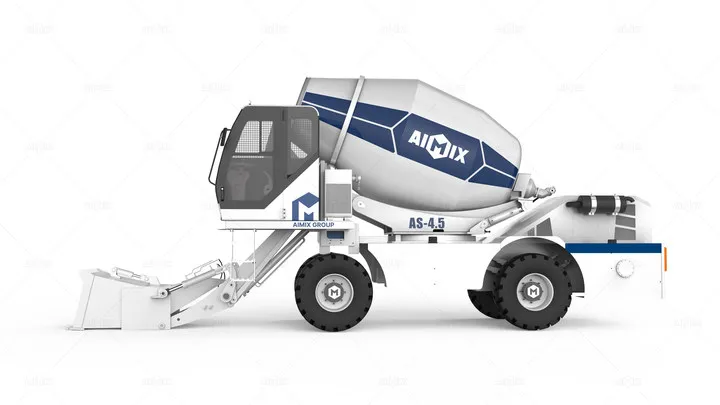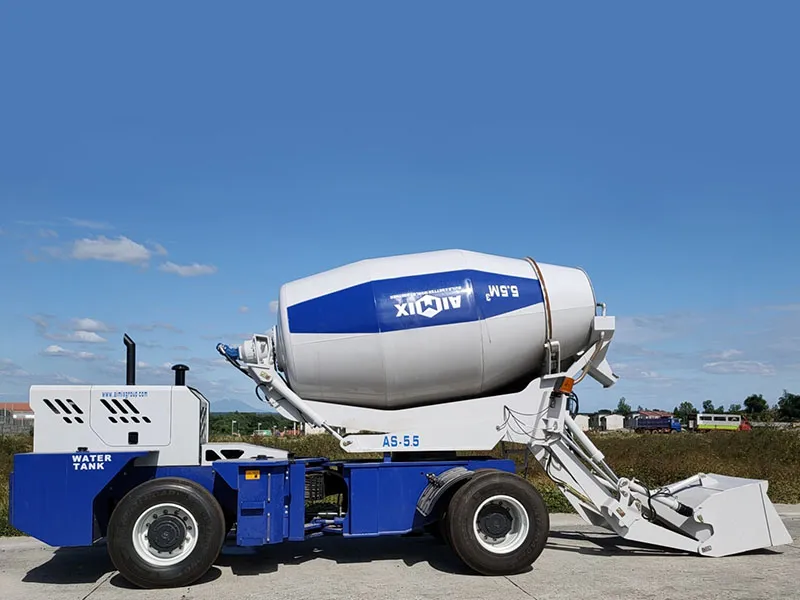
I’ve spent over 12 years working on rural and mountainous construction sites—from small village roads in Nepal to remote irrigation projects in Kenya—and one truth remains: traditional concrete mixers fail when the ground gets uneven or muddy.
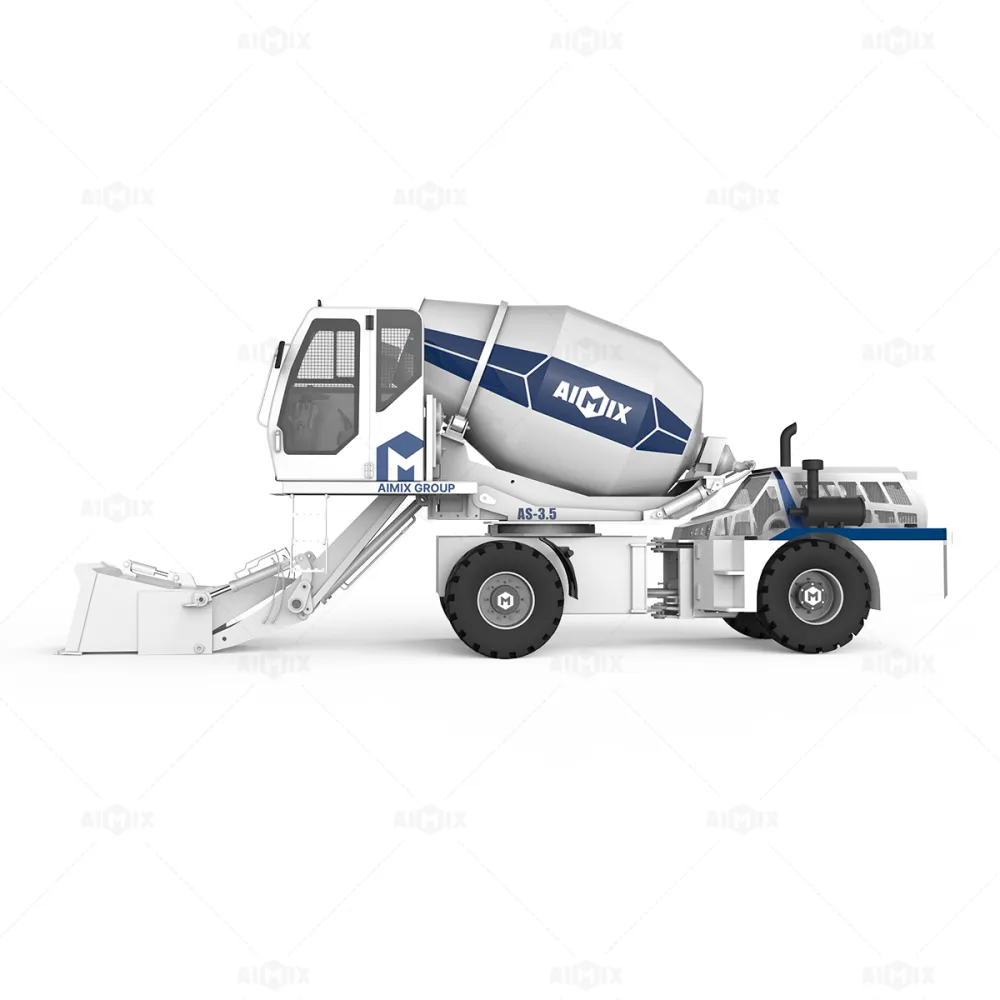
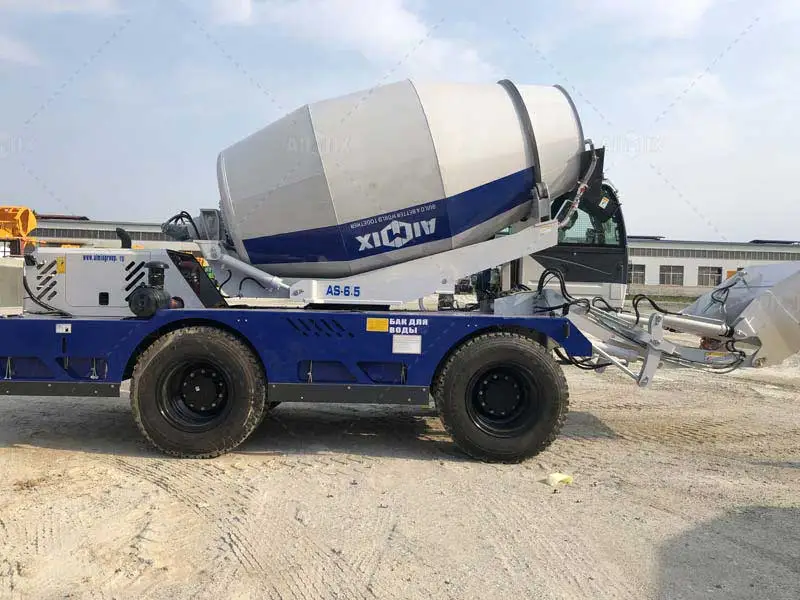
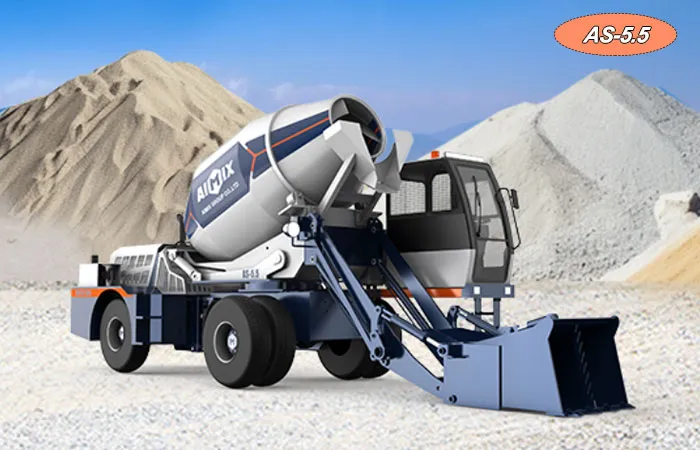
That’s why I’m sharing real-world insights about the AS-2.6 2.6-cubic-meter self-loading concrete mixer—not as a sales pitch, but as a solution I’ve tested firsthand.
In my last project in northern India, we had a 25% steeper slope than standard. Traditional machines kept slipping off the edge, requiring constant repositioning. One day alone, we lost 4 hours because the mixer couldn’t stabilize on soft soil. That’s not just inefficiency—it’s wasted labor, materials, and trust with clients.
Here’s what made the difference:
Think of it like this: if your car has a rigid chassis on a bumpy road, it shakes violently. But with a hinge-style frame (like a folding chair), each wheel can adapt independently—no more tipping, no more sliding.
And here’s the kicker: the 270° rotation isn’t just flashy—it means you can pour directly into narrow trenches or around obstacles without moving the whole machine. On-site teams report 30% faster setup time compared to fixed-angle drums.
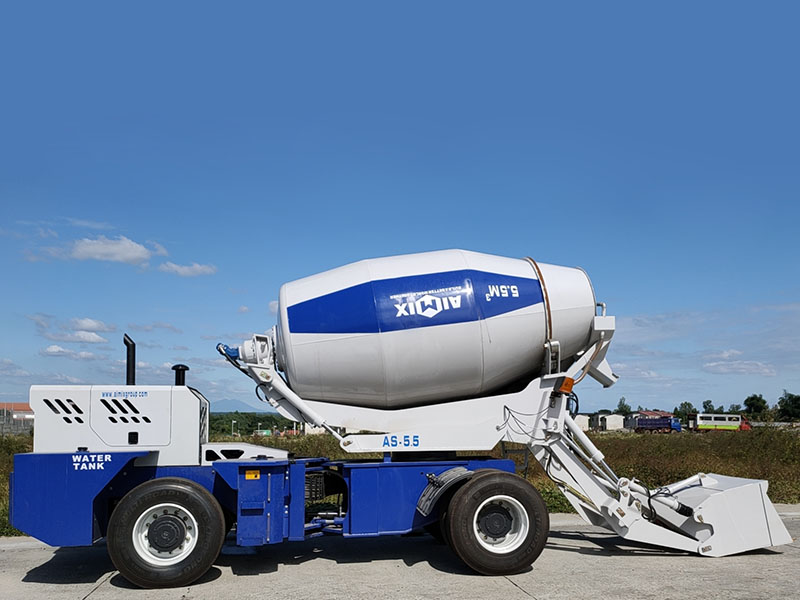
This isn’t theory—it’s what I teach new operators on every job site now. And yes, even beginners get it right after one demo run.
Question for you: Is your team struggling with unstable mixing on rough terrain? You’re not alone.
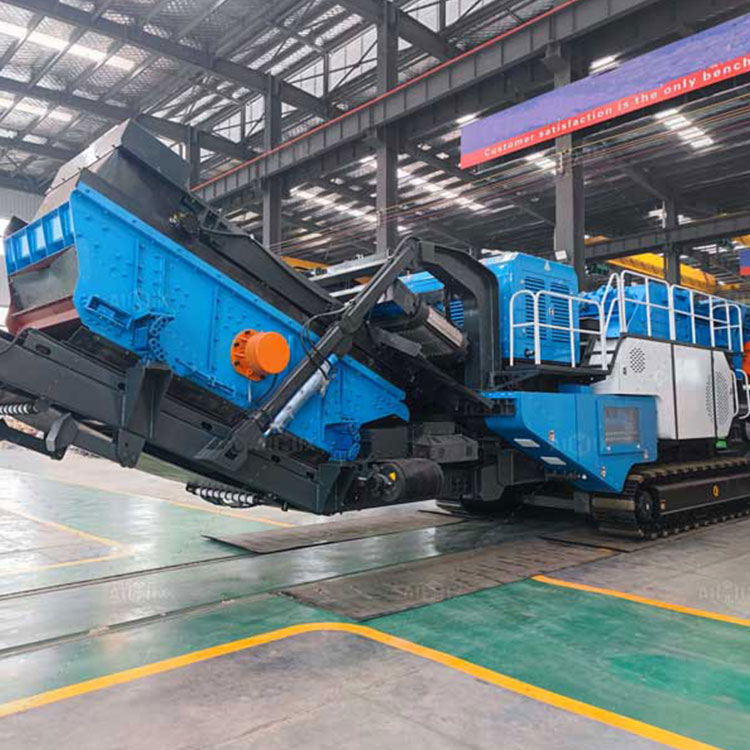
This isn’t a typical mixer—it’s a tool built for people who work in places where maps end and grit begins. Whether you're building a bridge across a ravine or laying foundations in a monsoon zone, the AS-2.6 delivers precision without compromise.